Cold Weather Layering System: How to Dress for Survival When Hypothermia Is the Real Threat
The right clothing layers can mean the difference between life and death when temperatures drop and shelter is unavailable. Here's what every prepper needs to know.
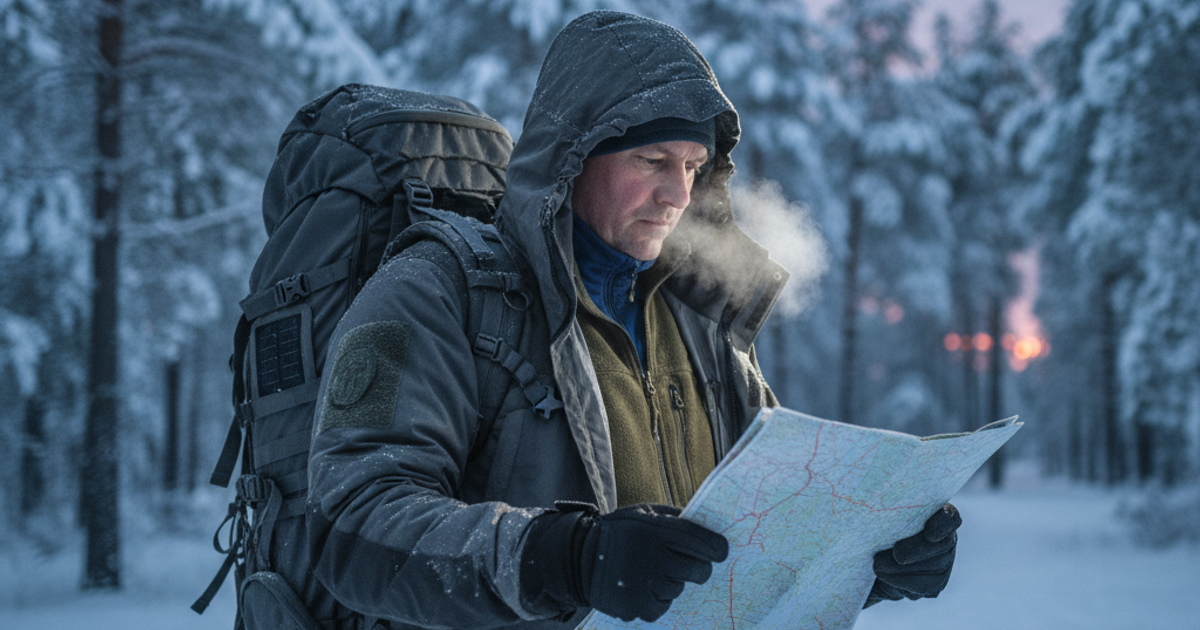
Hypothermia kills faster than most people realize. According to the Centers for Disease Control and Prevention (CDC), cold-related deaths account for more than 1,300 fatalities annually in the United States — and that number only counts the cases that get properly recorded. What the statistics don't capture is how many emergency situations turn fatal because a survivor, evacuee, or stranded individual simply didn't know how to dress for the cold. Whether you're sheltering in place during a winter blackout in a suburban apartment, bugging out on foot through snow-covered terrain, or managing a prolonged SHTF scenario in a rural setting, your clothing system is your first line of defense against the cold.
The human body begins losing the fight against hypothermia when core temperature drops below 95°F (35°C). Wind, rain, wet clothing, and physical exhaustion accelerate that process dramatically. The good news is that proper layering — not expensive gear alone — is the primary factor in staying alive. Understanding how to build and manage a cold weather layering system is one of the most critical survival skills you can develop, whether you live in a high-rise apartment in Chicago or a rural homestead in Montana.
This skill belongs in every bug out bag plan, every emergency preparedness checklist, and every prepper's working knowledge base. Let's break it down layer by layer.
Why Cotton Is a Cold Weather Death Sentence
Before discussing what to wear, you need to understand what not to wear. Cotton is catastrophic in cold, wet conditions. It absorbs moisture rapidly — from sweat, rain, or snow — and loses virtually all of its insulating properties when wet. The phrase "cotton kills" is one of the oldest and most important rules in wilderness survival, and it applies just as critically in urban emergencies. That winter storm that knocks out power to your apartment building doesn't care that you're wearing a cotton hoodie. Your body will lose heat 25 times faster in wet conditions than in dry ones, and wet cotton accelerates that process severely.
Every layer of your system must prioritize moisture management, insulation retention, and wind/precipitation resistance. That's the core principle behind the three-layer system.
What You'll Need
Supplies
- Smartwool Merino wool base layer set
- Patagonia R1 fleece midlayer jacket
- Arc'teryx Gore-Tex hardshell jacket
- Darn Tough merino wool thermal socks
- Black Diamond heavyweight merino wool balaclava
- Outdoor Research waterproof insulated gloves mittens
The Three-Layer System Explained for Survival Situations
Layer 1: The Base Layer — Moisture Management Is Everything
The base layer sits directly against your skin. Its only job is to move sweat away from your body (wicking) while retaining enough warmth to prevent rapid heat loss. When you exert yourself — whether you're shoveling snow, carrying a loaded bug out bag, or evacuating on foot — you will sweat, even in freezing temperatures. A saturated base layer against your skin will pull heat from your core aggressively.
Merino wool is the gold standard for survival base layers. Unlike synthetic options, merino wool retains its insulating properties even when wet, resists odor naturally (critical in long-duration emergencies where laundry isn't an option), and regulates temperature across a wide range of conditions. The Smartwool Merino wool base layer set is a reliable, field-proven option for both top and bottom coverage — it wicks, insulates, and keeps you comfortable through high-output movement and stationary rest alike.
For apartment dwellers and urban preppers, a quality merino base layer set is compact enough to store in a drawer, a go-bag, or a vehicle emergency kit. It takes up minimal space but delivers outsized thermal protection when it matters most.
Layer 2: The Mid Layer — Trap and Retain Heat
The mid layer is your primary insulation. It works by trapping warm air close to your body. The two most common options are fleece and down. Each has trade-offs in a survival context.
Fleece retains most of its insulating properties when wet, dries faster than down, and allows for good breathability during active movement. The Patagonia R1 fleece midlayer jacket is a favorite among military personnel, mountaineers, and serious preppers for exactly these reasons — it provides excellent warmth-to-weight ratio while remaining breathable enough to prevent overheating during exertion.
Down provides superior warmth-to-weight ratio in dry conditions but catastrophically fails when wet. If you rely on down and your outer layer gets compromised in rain or heavy snow, you've lost most of your insulation. For SHTF scenarios where conditions are unpredictable, fleece or synthetic insulation mid layers are generally more reliable.
For colder temperatures or when maximum warmth is needed, consider adding a thermal reflective insulated jacket as a second mid layer or a heavier outer insulation piece. The Columbia Omni-Heat thermal reflective jacket uses a metallic dot lining technology that reflects body heat back toward the core — an intelligent design for cold weather emergencies when you need every watt of warmth your body generates.
Layer 3: The Outer Shell — Block Wind, Snow, and Rain
The outer shell is your barrier against the external environment. It needs to be windproof and waterproof while still allowing moisture vapor (sweat) to escape from inside. This breathability factor is where cheap rain jackets fail. A non-breathable outer shell traps moisture inside your layering system, defeating the purpose of your base layer and soaking your mid layer from within.
Gore-Tex and similar waterproof-breathable membrane technologies are the industry standard. The Arc'teryx Gore-Tex hardshell jacket represents the upper tier of outer shell performance — fully waterproof, breathable, durable, and built to handle serious weather. Yes, it's an investment, but in a genuine cold weather emergency, your outer shell is the barrier between a functioning layering system and a dangerous one. Budget accordingly, especially for your bug out bag or vehicle emergency kit.
The Critical Extremities: Hands, Feet, and Head
Extremity loss is where hypothermia often begins. Your body, in an effort to protect core temperature, will restrict blood flow to hands, feet, and the surface of your head first. Frostbite in the hands or feet can mean loss of function — a catastrophic outcome in any survival scenario. Protecting the extremities isn't optional.
Feet: Start with quality wool socks. Darn Tough merino wool thermal socks are among the most durable and thermally effective options available — they wick moisture, insulate even when damp, and are backed by a lifetime guarantee. Pair them with waterproof boots that fit correctly. A boot too tight will restrict circulation and accelerate cold injury. A liner sock under your thermal sock adds another layer of moisture management.
Head and Face: You lose a significant amount of body heat through your head and neck — especially when those areas are exposed to wind. A quality balaclava covers your head, face, and neck in a single piece. The Black Diamond heavyweight merino wool balaclava provides full coverage with the natural benefits of merino wool — moisture management, warmth retention, and odor resistance for extended wear in the field. In urban settings, it also serves a secondary function: situational awareness and grey man concealment in cold weather environments.
Hands: The glove system mirrors the layering principle. A thin liner glove under a heavier outer glove or mitten gives you versatility — you can remove the outer layer for dexterous tasks (operating equipment, handling maps, firing a weapon) while retaining baseline warmth from the liner. Wigwam wool liner gloves are an inexpensive, proven option for that critical inner layer. Over them, Outdoor Research waterproof insulated gloves or mittens provide the wind and waterproofing needed to keep your hands functional in severe cold. Mittens retain heat better than gloves but sacrifice individual finger dexterity — keep both types in your survival gear depending on expected tasks.
Step-by-Step Instructions
Step 1: Audit Your Current Cold Weather Clothing for Non-Cotton Items
Go through every piece of cold weather clothing you own and check fabric content labels. Remove any cotton base layers, cotton hoodies, or cotton thermal underwear from your emergency preparedness rotation. Replace them with merino wool or moisture-wicking synthetic alternatives. This single step eliminates the most common cold weather clothing failure mode.
Step 2: Build Your Base Layer Kit for Every Person in Your Household
Purchase or confirm you have a full merino wool or synthetic base layer set (top and bottom) for every member of your household, including children. Store one set in your bug out bag, one in your vehicle emergency kit, and one accessible at home. Cold emergencies can strike when you're away from home — having base layers in your car is especially critical for urban and suburban preppers who commute.
Step 3: Select and Test Your Mid Layer for Warmth and Breathability
Choose a fleece or synthetic insulated jacket as your primary mid layer. Wear your complete base-plus-mid system during a cold outdoor activity before an emergency to identify fit issues, pressure points, or breathability problems. Your layering system should work in practice, not just in theory — test it before you need it.
Step 4: Acquire a Breathable Waterproof Outer Shell Rated for Your Climate
Invest in a Gore-Tex or equivalent waterproof-breathable hardshell jacket and pants. Confirm that the shell fits comfortably over your mid layer without restricting movement or compressing insulation. Check all seams and zippers for water resistance. Store your outer shell accessible in your bug out bag or vehicle at all times during cold weather months.
Step 5: Assemble Your Extremity Protection System
Gather your complete extremity kit: thermal wool socks, waterproof insulated boots, liner gloves, outer waterproof insulated gloves or mittens, and a full balaclava. Store these together in a waterproof stuff sack in your bug out bag or emergency kit. Extremity gear is frequently the most overlooked component of cold weather survival gear packs — address this deliberately.
Step 6: Learn and Practice Active Layer Management During Physical Activity
One of the most common mistakes in cold weather survival is overheating during exertion and then stopping to rest while saturated in sweat. Practice the discipline of venting your layers before you sweat heavily — open zippers, remove a layer, and then add it back before stopping. This "before you're wet, before you're cold" management principle is what separates experienced cold weather survivors from casualties.
Step 7: Pack Redundant Insulation in Your Bug Out Bag for Wet Emergencies
Always carry at least one complete spare base layer set in a waterproof bag inside your bug out bag. If your primary layers get soaked, you need the ability to change into dry clothing. Wet clothing should be stripped immediately in a sheltered location and replaced with dry insulation. For additional reading on keeping your home warm during extended cold emergencies, see our guide on Thermal Mass and Insulation: How to Keep Your Home Warm Without a Furnace When Fuel Runs Out.
Step 8: Store Your Cold Weather Layering System with Your Emergency Preparedness Supplies
Don't rely on memory to grab the right gear in an emergency. Pre-pack your complete layering system — base layers, mid layer, shell, socks, gloves, and balaclava — in a dedicated waterproof bag that stays with your survival kit or bug out bag at all times during cold weather season. Label it clearly. For apartment preppers, this bag can hang inside a coat closet or store under a bed without consuming significant space.
Common Layering Mistakes That Get Preppers Killed
- Over-insulating without moisture management: Wearing too many layers without a wicking base leads to sweat buildup and dangerous wet-cold exposure.
- Ignoring the neck and wrist gaps: Heat escapes aggressively from gaps at the collar and cuffs. Tuck, cinch, and seal these areas.
- Skipping the lower body: Many people layer their upper bodies correctly but wear single-layer jeans on their legs. Waterproof insulated pants are as important as your jacket system.
- Wearing boots that are too tight: Compression from tight boots restricts blood flow and dramatically increases cold injury risk.
- Failing to stay dry: All the best survival gear in the world cannot overcome saturated clothing. Waterproofing is non-negotiable.
For more on surviving extended winter emergencies, our article on Surviving Winter Blackouts: How to Keep Your Home Warm When the Power Fails covers shelter-based thermal management strategies that complement your clothing system. And if you're building a complete bug out bag for cold weather evacuations, the Complete 72-Hour Bug Out Bag Checklist for Urban Survival is an essential companion resource.
Cold Weather Layering for Urban and Apartment Preppers
If you're a city-dweller or apartment prepper, don't make the mistake of thinking cold weather clothing systems are only for backcountry or rural scenarios. Power grid failures in urban areas during winter storms create identical hypothermia risks. In a prolonged blackout scenario, your apartment can drop to dangerous temperatures within 24 to 48 hours, depending on insulation quality and outdoor temps. Having a functional layering system inside your home — not just packed for bugging out — could save your life without you ever stepping outside.
Consider the grey man principle as well: quality cold weather gear doesn't have to advertise itself as tactical or survival-oriented. A well-layered civilian who blends into their urban environment attracts no attention while maintaining thermal protection. Situational awareness extends to your clothing choices — what you wear affects your mobility, your warmth, and your visibility to others.
Frequently Asked Questions
What is the best base layer material for cold weather survival?
Merino wool is widely considered the best base layer material for cold weather survival because it retains most of its insulating properties even when wet, wicks moisture away from the skin, resists odor naturally during extended wear, and is comfortable across a wide range of activity levels. High-quality synthetic options like polypropylene and polyester blends are a viable and often less expensive alternative, particularly for high-output activities where fast drying speed is prioritized. Avoid cotton at all costs in cold or wet emergency conditions.
How many layers do I need to survive in freezing temperatures?
The standard three-layer system — moisture-wicking base layer, insulating mid layer, and waterproof-breathable outer shell — is effective for most cold weather survival scenarios, including freezing temperatures. In extreme cold (below 0°F / -18°C), a second insulating mid layer or a heavier-weight base layer may be necessary. The key is not just the number of layers but their quality, correct fit, and active management during changing activity levels. Equally important is protection for extremities: feet, hands, and head require their own dedicated layering strategy.
Can I build a cold weather survival clothing system on a budget?
Yes. While premium gear from brands like Arc'teryx or Patagonia offers superior performance, a functional cold weather layering system can be assembled on a tight budget by prioritizing the base layer first (merino wool or synthetic), using a basic fleece jacket as a mid layer, and sourcing a waterproof rain shell from outdoor retailers or secondhand stores. The most important investment is eliminating cotton from your cold weather system entirely. Military surplus stores are also excellent sources for wool base layers, fleece mid layers, and waterproof shells at lower cost. Pair budget layers with quality extremity protection — good wool socks and a reliable outer glove — and you have a system that can keep you alive.
Affiliate Disclosure: SHTFPlan.net participates in the Amazon Services LLC Associates Program. Some links are affiliate links — we may earn a small commission at no extra cost to you.