Thermal Mass and Insulation: How to Keep Your Home Warm Without a Furnace When Fuel Runs Out
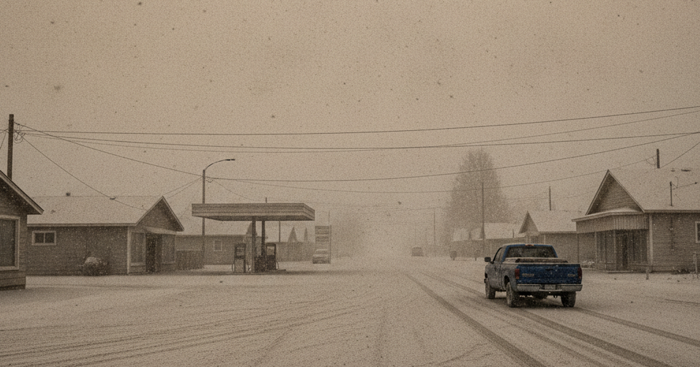
When your furnace fails and fuel runs out, your home's thermal properties become your last line of defense against freezing temperatures.
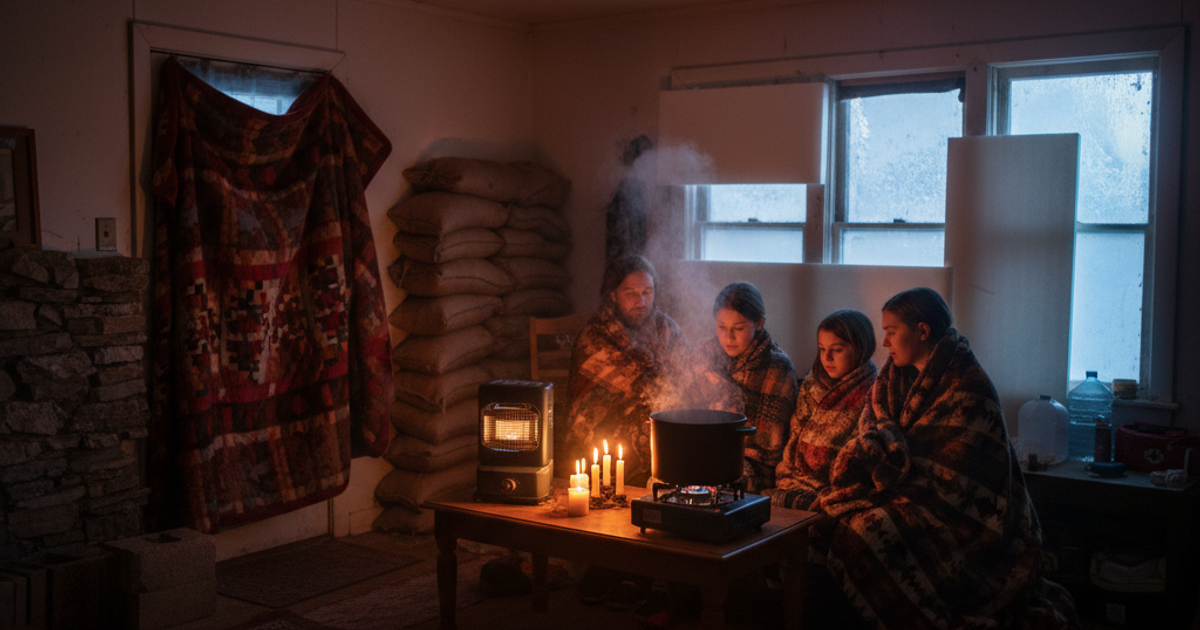
When the furnace goes silent and the fuel supply runs dry, most households have only a few hours before indoor temperatures begin dropping to dangerous levels. Whether you're a prepper living in a rural homestead, a suburbanite in a split-level, or an apartment dweller in a high-rise, understanding passive heating and thermal insulation isn't just a comfort strategy — it's a survival skill. A grid-down winter scenario, a prolonged fuel shortage, or a cascading infrastructure failure can strip away your central heating in hours. What happens next depends entirely on how well you've prepared.
According to the U.S. Department of Energy, 25–30% of home heating energy is lost through windows alone, and an additional 15% escapes through doors and gaps. In an emergency, stopping that loss is the single most impactful action you can take. This guide covers the science, the strategy, and the specific steps to keep your home survivably warm — without a furnace, without grid power, and without a steady fuel supply.
For more on staying warm during power outages, see our companion guide: Surviving Winter Blackouts: How to Keep Your Home Warm When the Power Fails.
Understanding Thermal Mass: Your Home's Natural Heat Battery
Thermal mass refers to a material's ability to absorb, store, and slowly release heat. Dense materials — concrete, brick, stone, tile, and even water — act like heat batteries, soaking up warmth during the day and releasing it slowly through the night. This is the foundational principle behind passive solar design and adobe construction, and it's been keeping humans warm for thousands of years without a single BTU of fossil fuel.
In practical terms, this means that the goal during a heating crisis is not just to generate heat — it's to capture and store it. A south-facing room with thick stone walls and tile floors will hold heat dramatically longer than a wood-framed room with vinyl flooring. If you have any choice about which rooms to occupy during an emergency, choose the ones with the most thermal mass: rooms with brick walls, concrete slabs, or stone fireplaces.
Water is one of the most effective thermal mass materials available to anyone. A single gallon of water holds roughly 8.3 pounds of thermal mass — significantly more heat energy per pound than concrete. Filling dark-colored containers (5-gallon buckets work well) with water and placing them in sunlit areas creates a free, low-tech heat storage system. This strategy works in apartments, basements, and rural cabins alike.
How to Seal Air Leaks and Stop Heat from Escaping Your Home
No amount of heat generation matters if your home is hemorrhaging warm air. Air sealing is the first and most critical step in passive heating. The average American home leaks enough air to fill a medium-sized balloon every minute, according to the Lawrence Berkeley National Laboratory. In a cold-weather emergency, that leakage is life-threatening.
Start with doors. The gap under a standard door can be equivalent to a 3-inch diameter hole in your wall. A Draft King door draft stopper seal is one of the simplest and most effective tools in any prepper's arsenal — it slides under any door and cuts cold air infiltration dramatically. Similarly, the Duck Brand heavy duty door weatherstrip seal can be applied to door frames in minutes, sealing the sides and top of any door against drafts with adhesive-backed foam that holds up through repeated use.
Windows are the other major weak point. Single-pane windows have an R-value of roughly 1, meaning they provide almost no insulation. Even double-pane windows typically achieve only R-2 to R-3. A Frost King foam window insulation kit uses a clear plastic film that you stretch over window frames and shrink with a hair dryer, creating a dead-air barrier that can add R-1 to R-2 of insulation value and eliminate drafts entirely. For a more robust solution, the Warm Company Warm Window insulated window panel kit provides a reusable, multi-layer insulated panel system that can reduce window heat loss by up to 70% — a serious upgrade for any prepper who wants a long-term solution rather than a temporary fix.
Reflective Insulation: Stopping Radiant Heat Loss Fast
Reflective insulation works on a completely different principle than mass insulation. Instead of slowing conductive heat transfer, it reflects radiant heat back into a space — the same principle used in emergency mylar blankets. In a survival scenario, reflective barriers can be deployed quickly and provide immediate, noticeable results.
The Reflectix BP24025 bubble pack insulation roll is one of the most versatile products available for emergency insulation. This double-bubble, double-foil material can be cut with scissors and attached to windows, walls, floors, and even interior doors using tape. Placed over windows, it stops radiant heat loss. Laid on floors, it prevents cold from conducting upward. Attached to exterior-facing walls in an uninsulated room, it can make a measurable difference in perceived temperature within hours.
Speaking of emergency mylar, don't overlook the classic survival standby: a Yaktrax emergency mylar thermal blanket pack gives you multiple heavy-duty mylar blankets that can be hung over windows, used as bed insulation, or draped over people to reflect body heat back. These are lightweight, cheap, and pack down to the size of a deck of cards — a must-have in every emergency preparedness kit and bug out bag.
The Room-Within-a-Room Strategy for Urban and Suburban Preppers
One of the most powerful passive heating techniques requires no fuel and no electricity: the room-within-a-room approach. Instead of trying to heat your entire home, you concentrate heat in the smallest, most insulated space possible. This strategy is equally applicable to apartment dwellers, suburban homeowners, and rural off-grid preppers.
Choose one interior room — ideally one without exterior walls, or with the fewest exterior walls possible. Interior bathrooms, hallways, and closets are ideal candidates. Hang heavy blankets, sleeping bags, or even Owens Corning EcoTouch fiberglass batt insulation panels over doorways and any wall that faces the outside. Body heat from multiple people in a small space is surprisingly effective — a fit adult generates roughly 80–100 watts of heat continuously, enough to warm a small room measurably when combined with good insulation.
This approach is also critical for OPSEC. A room with no light visible from the exterior and minimal heat signature is also a room that isn't advertising your presence to desperate neighbors or opportunistic threats. For more on maintaining a low profile during a crisis, see our guide on OPSEC for Preppers: How to Keep Your Stockpile and Plans Secret When SHTF.
Passive Solar Gain: Free Heat From the Sun
Even in winter, the sun delivers enormous amounts of free thermal energy to any surface it touches. On a clear winter day, south-facing windows in the northern hemisphere receive up to 300 BTUs per square foot per hour of solar radiation. In a grid-down or SHTF scenario, harvesting this energy aggressively can mean the difference between a survivable indoor temperature and a dangerous one.
During daylight hours, open all curtains, blinds, and coverings on south-facing windows. Dark-colored thermal mass objects placed in the sun's path — dark stone tiles, dark-painted water containers, even dark clothing spread on the floor — will absorb and store this heat. As soon as the sun drops below the horizon, close every insulating window covering immediately. The timing matters enormously: heat absorbed during the day can be lost within 30 minutes through uninsulated windows after dark.
In an apartment setting, this strategy works on balconies and south-facing windows just as effectively as in a rural home. Place dark water-filled containers on south-facing windowsills during the day to act as a miniature passive solar collector. Every degree you gain from the sun is a degree you don't need to generate with fuel.
Supplemental Heat Without a Furnace: Backup Options That Work
Passive strategies alone may not be sufficient in extreme cold. Every prepper should have at least one supplemental heat source that doesn't depend on grid power. The Mr. Heater Big Buddy portable propane heater is one of the most popular emergency heating options for good reason: it can heat up to 400 square feet, runs on standard 1-pound propane cylinders or connects to bulk tanks, and includes an oxygen depletion sensor for indoor safety. In a small, well-insulated room, this unit can maintain survivable temperatures even in extreme cold while burning surprisingly little fuel.
Carbon monoxide safety is non-negotiable with any combustion heater. Always ensure minimal ventilation — a slightly cracked window is sufficient — and never sleep with a propane heater running in a sealed space. A battery-powered CO detector is essential emergency gear. Pair your supplemental heater with all the passive strategies in this guide to maximize fuel efficiency and extend your propane supply as long as possible. You can find more on safe fuel storage in our guide on Fuel Storage for Preppers: How to Safely Stockpile Gasoline, Diesel, and Propane for Long-Term Emergencies.
What You'll Need
Tools
- Utility knife or scissors (for cutting insulation and reflective material)
- Staple gun (for securing insulation and blankets over doorways and walls)
- Tape measure
- Hair dryer (for activating window film insulation kits)
Supplies
- Reflectix BP24025 bubble pack insulation roll
- Frost King foam window insulation kit
- Draft King door draft stopper seal
- Yaktrax emergency mylar thermal blanket pack
- Heavy-duty duct tape or painter's tape
- Dark-colored plastic containers (for water thermal mass)
Step-by-Step Instructions
Step 1: Identify and Seal All Air Leaks Immediately
Walk through your home with a candle or incense stick and hold it near door frames, window frames, electrical outlets, and baseboards. Flickering flame indicates air infiltration. Apply Duck Brand heavy duty door weatherstrip seal to all exterior door frames, and place draft stoppers at every door threshold. This single step can reduce heat loss by 15–20% and should be your first action.
Step 2: Insulate Every Window With Available Materials
Cover all windows with at least one layer of insulating material — window film kits, reflective insulation, heavy curtains, or blankets. For best results, install a Warm Company Warm Window insulated window panel kit on your most critical windows. Leave south-facing windows uncovered during daylight hours for solar gain, then cover them immediately after sunset to trap collected warmth.
Step 3: Designate and Prepare a Single Survival Room
Select the smallest interior room with the fewest exterior walls. Move sleeping gear, food, water, and essential supplies into this space. Hang Owens Corning EcoTouch fiberglass batt insulation panels or thick blankets over doorways and any walls touching exterior surfaces to create an insulated envelope within the larger structure.
Step 4: Build Thermal Mass Water Reservoirs
Fill dark-colored 5-gallon buckets or containers with water and place them in any south-facing sunlit areas during the day. Move the containers into your designated survival room before nightfall — the stored thermal energy in the water will release slowly overnight, raising the ambient temperature measurably. Ten gallons of water can release enough heat to raise the temperature of a small room by several degrees over an eight-hour period.
Step 5: Apply Reflective Insulation to Floors and Cold Walls
Cut sections of the Reflectix roll and lay them on floors, especially over concrete slabs or floors above unheated spaces like garages or crawlspaces. Attach additional sections to exterior-facing walls using duct tape. The reflective surface bounces radiant heat back into the room rather than allowing it to conduct into the cold wall or floor mass.
Step 6: Layer Mylar Blankets for Sleeping Insulation
Place emergency mylar blankets directly under sleeping bags or between blanket layers — not over the top, which traps moisture against the body. Mylar reflects up to 90% of body heat back to the sleeper. Combine with wool blankets or sleeping bags rated below your expected overnight temperature for maximum thermal protection without any heat source.
Step 7: Consolidate Body Heat by Grouping People and Pets
Human bodies are powerful heat sources. A group of four adults in a well-insulated 100-square-foot room generates roughly 300–400 watts of continuous heat — enough to maintain a livable temperature in mild winter conditions even without any supplemental heating. Bring pets into the sleeping space as well; a large dog generates 50–75 watts of body heat. Every warm body counts.
Step 8: Manage Ventilation and Moisture Carefully
Sealed spaces accumulate moisture from breathing, cooking, and body heat. Excess moisture leads to mold, structural damage, and condensation that accelerates heat loss. Crack a window briefly several times per day to exchange air, and monitor for condensation on windows and walls. Use a battery-powered CO detector at all times if any combustion heat source is in use.
Recommended Gear
Beyond the products discussed above, a few additional items are worth having in your emergency preparedness stockpile. The Mr. Heater Big Buddy portable propane heater is the go-to backup heat source for most preppers — reliable, powerful, and widely available. Keep it paired with your passive insulation setup to stretch propane supplies as far as possible. Visit our Recommended Survival Gear & Equipment page for a full list of vetted emergency preparedness products for every scenario.
Frequently Asked Questions
How cold can a house get without heat in winter, and how long before it becomes dangerous?
An unheated home in freezing conditions will typically lose 1–2°F per hour, depending on insulation quality, home size, and outdoor temperature. A well-insulated house can stay above 50°F for 8–12 hours after heating loss, while a poorly insulated home may drop below 40°F within 2–3 hours. Hypothermia risk begins when core body temperature starts dropping, which can occur at sustained indoor temperatures below 50°F in vulnerable individuals like the elderly or young children. The strategies in this guide can dramatically slow that temperature drop and maintain survivable conditions for days or weeks.
Can you stay warm in an apartment without a fireplace or propane heater during a winter emergency?
Yes — apartments actually have a significant advantage in cold weather emergencies because they share walls with heated neighbors, dramatically reducing heat loss. Applying window film, door draft seals, and reflective insulation, combined with the room-within-a-room strategy and body heat from people and pets, can keep an apartment survivable in moderate cold. Emergency mylar blankets, layered sleeping bags, and thermal clothing extend that survivability further. The smaller the space you're trying to heat with passive methods, the more effective the strategy becomes.
What's the most important first step to keep a house warm without a furnace when SHTF?
Air sealing is unanimously the highest-impact first step. Before worrying about heat generation, stop heat from escaping. Install door draft stoppers, apply window film or insulated panels, and seal any visible gaps with duct tape or foam. Studies consistently show that air infiltration accounts for up to 40% of heating energy loss in an average home. Stopping that loss costs almost nothing and can be accomplished in under an hour with basic supplies — making it the most critical early action in any winter survival scenario.
Affiliate Disclosure: SHTFPlan.net participates in the Amazon Services LLC Associates Program. Some links are affiliate links — we may earn a small commission at no extra cost to you.