Surviving Winter Blackouts: How to Keep Your Home Warm When the Power Fails
When the grid fails in winter, hypothermia becomes your biggest threat. Here's how to heat your home safely without electricity.
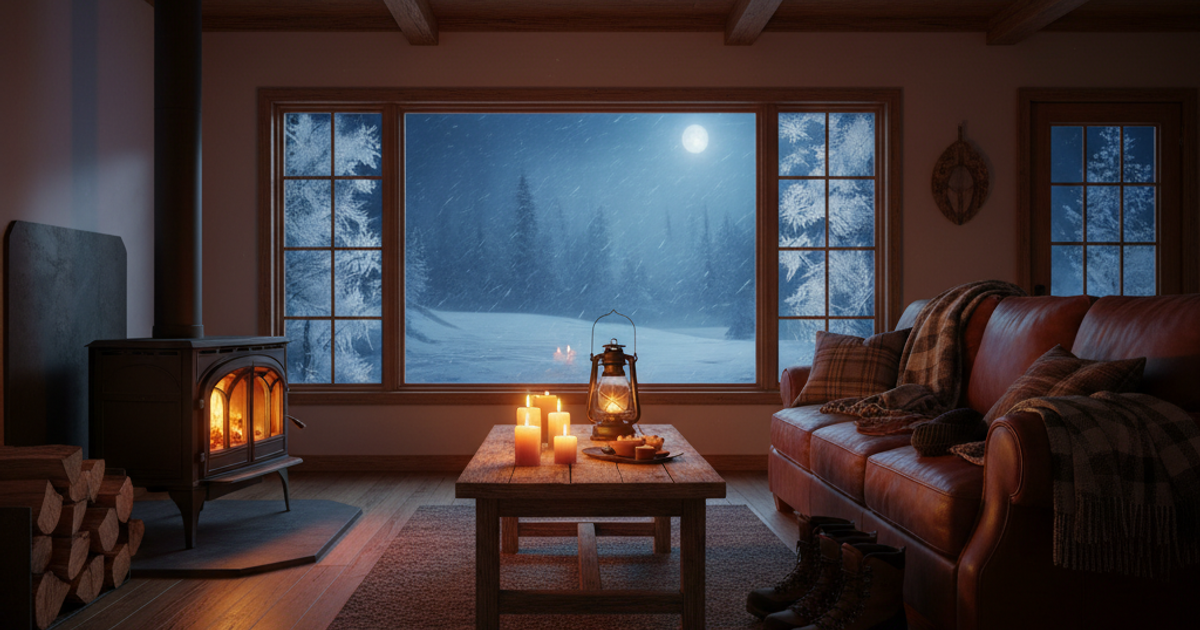
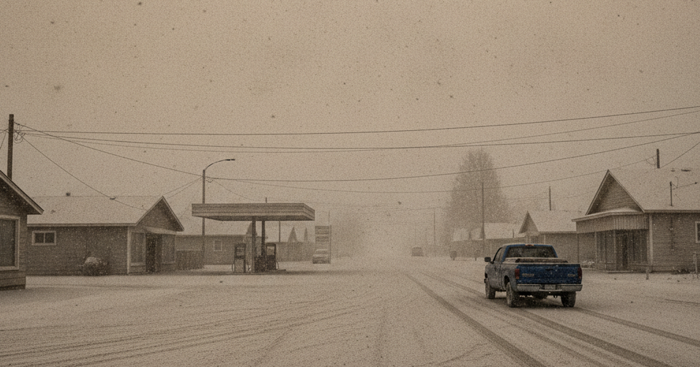
When winter hits hard and the grid goes down, the clock starts ticking. According to the U.S. Energy Information Administration, the average American experiences about eight hours of power outages per year — but during major winter storms, that number can stretch into days or weeks. In 2021, Winter Storm Uri left more than four million Texas households without power for multiple days in subfreezing temperatures, resulting in hundreds of deaths, most from hypothermia. The lesson is brutal and simple: if you haven't planned for grid-down heating before the storm arrives, you're already behind.
Whether you're a prepper in a rural homestead, a suburban family in a split-level, or an apartment dweller in a high-rise, this guide will walk you through every viable heating option available when the electricity stops flowing. Not every solution works for every living situation, so we'll cover what's practical for each environment — and how to stay warm no matter where you shelter.
Why Grid-Down Heating Is a Core Emergency Preparedness Priority
Most modern heating systems — even gas furnaces — depend on electricity to run the blower, thermostat, and ignition systems. When the grid fails, your furnace becomes an expensive piece of furniture. The human body begins to experience the early stages of hypothermia when core temperature drops below 95°F, and indoor temperatures can fall alarmingly fast in a well-insulated home during a cold snap — sometimes 10 to 20 degrees in just a few hours.
This is why grid-down heating belongs in the same category as emergency food storage, water purification, and first aid in any serious emergency preparedness plan. It's not optional, and it's not just for rural homesteaders. Urban and suburban families face the same thermal threats — often with fewer backup options available. Our guide on Winter Survival: How to Stay Alive When a Blizzard Traps You at Home covers the broader picture of cold-weather shelter-in-place strategy, but this article drills down specifically into heating solutions you can implement now.
Wood Stoves and Fireplace Inserts: The Gold Standard for Off-Grid Heating
If you have the space and the budget, a wood-burning stove is the single most reliable long-term heating solution in a grid-down scenario. Wood is renewable, storable, and produces no dependency on utility infrastructure. A properly sized wood stove can heat an entire small home or a significant portion of a larger one, and it requires no electricity, no propane tank, and no batteries.
For homeowners with an existing masonry fireplace, a Duraflame wood burning fireplace insert is a cost-effective upgrade that dramatically improves heating efficiency. Standard open fireplaces are notoriously inefficient — they can actually pull warm air out of your home through the chimney. A fireplace insert seals and insulates the firebox, directing heat into the living space rather than up the flue.
For those looking to install a freestanding unit, the US Stove Company wood burning stove line offers a range of models suited for small cabins, garages, shops, and off-grid structures. These units are rugged, well-regarded in the prepper community, and designed for serious heat output. Pair one with a properly installed double-wall stovepipe and a carbon monoxide detector, and you have a heating system that can run indefinitely as long as you have fuel.
Wood Storage and Fuel Planning
Plan on one to two cords of seasoned hardwood per heating season for a small home. Seasoned wood burns hotter, produces less creosote, and is far safer than green wood. Store it off the ground, covered, and away from your home's foundation. Urban and suburban preppers with limited yard space can still stockpile a half-cord on a patio or in a covered side yard — enough to get through most emergency scenarios.
Portable Propane Heaters: The Best Option for Apartments and Urban Survival
For renters, apartment dwellers, and anyone who can't install a permanent heating appliance, portable propane heaters are the most practical grid-down heating solution available. They require no installation, store easily, and can be moved from room to room as needed.
The Mr. Heater Buddy portable propane heater is arguably the most popular and trusted unit in the prepper and survival gear community for good reason. It's rated for indoor use, features an automatic shutoff if oxygen levels drop too low, connects to standard 1-pound propane canisters, and can also be adapted to run from a larger 20-pound tank via hose adapter. The Big Buddy model can heat spaces up to 400 square feet — enough for a studio apartment or a large bedroom.
Propane Safety Rules You Cannot Skip
- Always crack a window slightly when using any combustion heater indoors — even models rated for indoor use.
- Install both a carbon monoxide detector and a smoke detector before relying on any flame-based heating.
- Never sleep with a propane heater running unattended in an enclosed space.
- Store spare propane canisters in a cool, well-ventilated area — never indoors in a living space.
- Stockpile enough fuel. Each 1-pound canister provides approximately 3–6 hours of heat at mid-setting. For a 72-hour outage, plan accordingly. For more on fuel stockpiling, see our guide on Fuel Storage for Preppers: How to Safely Stockpile Gasoline, Diesel, and Propane for Long-Term Emergencies.
Kerosene Heaters: A Reliable Backup with Long Fuel Shelf Life
Kerosene heaters are a time-tested off-grid heating option that many preppers overlook in favor of propane. However, kerosene has a significant advantage: when stored properly in sealed containers with a fuel stabilizer, it can remain usable for years — making it an excellent long-term storage fuel for SHTF scenarios.
The Kero-World kerosene heater indoor series is well-regarded for consistent heat output and reliable operation. A single tank fill-up can provide 8–12 hours of steady warmth, and the units are straightforward to operate and maintain. Kerosene heaters produce a noticeable odor when lighting and extinguishing — this is normal — but should not produce significant fumes during steady operation with properly rated K-1 kerosene.
As with all combustion heaters, ventilation is non-negotiable. Use only 1-K grade kerosene (the clearest, highest purity available), and keep a spare wick on hand — a degraded wick dramatically reduces performance and increases smoke output.
Passive Insulation Strategies: Keep the Heat You Have
Heating a poorly insulated space is like trying to fill a bucket with holes. Before you light a single propane canister or load a wood stove, take time to dramatically reduce your home's heat loss. These passive strategies require no power, cost very little, and can make a significant difference in how warm your space stays.
Window Insulation
Windows are the single greatest source of heat loss in most homes. A Reflectix insulation roll window kit is one of the most cost-effective investments in any prepper's home toolkit. Reflectix acts as a radiant barrier, helping to retain interior heat during cold weather and reflecting it back into the room. Cut it to size and tape or press-fit it against your window frames to create an insulating layer that dramatically reduces thermal transfer.
Zone Heating: Your Most Powerful Passive Strategy
Don't try to heat your entire home. Pick the smallest, most interior room possible — ideally one with few exterior walls and no large windows — and make it your survival space. Hang heavy blankets or moving blankets across doorways to seal it off. The smaller the space, the less fuel you consume and the warmer it stays. This is the single most impactful thing you can do to extend your heating fuel supply during a prolonged outage.
Additional Insulation Tactics
- Roll up towels or draft stoppers and place them at the base of all exterior doors.
- Use thermal or blackout curtains on all windows — keep them closed at night, open on sunny sides during the day to capture solar gain.
- Tape plastic sheeting over windows in rooms you're not using to add a secondary insulating layer.
- Insulate yourself, not just your space. Layering clothing — base layer, insulating layer, outer shell — is far more efficient than trying to heat a large volume of air.
- Use sleeping bags rated well below the expected indoor temperature. A 0°F rated bag is legitimate survival gear in a heating emergency.
Backup Power Considerations for Heating
Some preppers use electric space heaters as a grid-down solution — but this only works if you have a generator or substantial battery bank capable of sustaining the load. Standard electric space heaters draw 1,500 watts continuously, which will drain most portable battery stations in a matter of hours. If backup power is part of your heating strategy, ensure your generator or solar setup is sized appropriately. Our article on Grid-Down Power: How to Choose and Use a Backup Generator for Home Emergencies covers generator selection in detail.
What Works in an Apartment When SHTF
Apartment dwellers face real constraints — no wood stove installations, no propane storage beyond small quantities, and landlord restrictions that limit permanent modifications. Here's what actually works in an urban survival context:
- Mr. Heater Buddy-type propane heaters with a supply of 1-pound canisters — stored legally and safely per local fire code.
- Zone heating — seal off one room and concentrate all available warmth there.
- Reflectix window insulation — no tools required, completely reversible, and highly effective.
- High-quality sleeping gear — a quality 0°F sleeping bag costs far less than a hospital stay for hypothermia.
- Community resources — know where your nearest warming center is located. FEMA and local emergency management agencies activate these during severe winter outages.
Situational awareness matters here too. Know your neighbors, especially elderly residents who may be vulnerable. A community that looks out for each other survives better than individuals going it alone — a principle at the heart of any real SHTF preparedness plan.
Recommended Survival Gear for Grid-Down Heating
To summarize the key products covered in this article, every household should have at least one of the following as part of their core emergency preparedness heating kit: the Mr. Heater Buddy portable propane heater for portable indoor heat; a Duraflame wood burning fireplace insert if you have an existing fireplace; a US Stove Company wood burning stove for homeowners seeking a permanent off-grid solution; a Kero-World kerosene heater indoor unit for long-duration outages where fuel storage is a priority; and Reflectix insulation roll window kit material to dramatically reduce heat loss regardless of which heating method you choose. These five items, combined with layered clothing and a zone-heating strategy, represent a solid foundation for surviving any winter grid-down scenario.
What You'll Need
- Emergency blankets and sleeping bags rated for cold weather
- Indoor-safe propane heater or kerosene heater with fuel supply
- Carbon monoxide detector with battery backup
- Heavy-duty plastic sheeting and duct tape
- Candles, matches, and fireproof containers
- Insulating materials (towels, blankets, foam board)
- Layered clothing including thermal underwear and wool socks
Step-by-Step Instructions
Step 1: Choose Your Primary Heating Room
Select the smallest room in your home with the fewest windows, preferably on an upper floor since heat rises. This will become your survival space where everyone gathers to conserve body heat and maximize the efficiency of alternative heating sources. Close off all other rooms in the house to prevent heat loss and focus your warming efforts on this single area.
Step 2: Seal All Air Leaks and Insulate Windows
Use towels or draft stoppers to block gaps under doors and around window frames where cold air infiltrates. Cover windows with heavy blankets, cardboard, or bubble wrap secured with duct tape to create an insulating barrier. If you have plastic sheeting, create a secondary window covering by taping it tightly around the window frame, leaving an air gap between the plastic and the glass for added insulation.
Step 3: Set Up Your Alternative Heating Source Safely
Position your propane or kerosene heater in the center of the room, away from flammable materials, with proper ventilation access. Never use outdoor heating equipment indoors without proper venting, and always maintain a carbon monoxide detector in the room. If using candles for supplemental heat, place them in sturdy, fireproof containers on stable surfaces away from fabrics and children's reach.
Step 4: Create a Tent Within the Room
Hang blankets or tarps from the ceiling to create a smaller enclosed space within your chosen room, further concentrating heat. This "tent" reduces the volume of air you need to warm and traps body heat from multiple people. Ensure the space is large enough for everyone to sleep comfortably but small enough to heat effectively with limited resources.
Step 5: Layer Clothing and Use Group Body Heat
Dress in multiple layers starting with moisture-wicking base layers, insulating middle layers of wool or fleece, and windproof outer layers. Have everyone gather together in the insulated space, as multiple bodies generate significant warmth. Use sleeping bags rated for temperatures 10-20 degrees colder than you expect, and consider pairing people together to share body heat during sleep.
Step 6: Maintain Ventilation to Prevent Carbon Monoxide Poisoning
Crack a window or door slightly in the heated room to allow fresh air circulation, even though it seems counterintuitive. Any fuel-burning heat source consumes oxygen and produces carbon monoxide, which is deadly in enclosed spaces. Monitor your carbon monoxide detector constantly and never sleep with fuel-burning heaters running unless they are specifically designed and vented for indoor use.
Step 7: Rotate Activity and Monitor for Hypothermia Signs
Encourage light physical activity every few hours to generate body heat and maintain circulation, such as stretching or walking in place. Watch all household members for signs of hypothermia including shivering, confusion, slurred speech, and drowsiness. Keep high-calorie foods and warm beverages available, as digestion generates body heat and proper nutrition helps maintain core temperature.
Frequently Asked Questions
What is the safest heater to use indoors during a power outage?
The safest indoor heating options during a power outage are heaters specifically rated for indoor use, such as the Mr. Heater Buddy series, which features built-in oxygen depletion sensors and automatic shutoff. Wood stoves and fireplace inserts are also safe when properly installed with correct venting. Regardless of which heater you use, always install working carbon monoxide detectors, maintain ventilation by cracking a window slightly, and never leave a combustion heater running in an enclosed space while sleeping without someone monitoring it.
How long can a house stay warm without heat in winter?
This depends heavily on outdoor temperature, insulation quality, home size, and how much body heat is present. A well-insulated modern home may retain livable temperatures (above 55°F) for 8–12 hours in mild cold. In extreme cold — below 20°F outdoors — that window can shrink to just a few hours. Older, poorly insulated homes lose heat even faster. This is why passive insulation strategies (zone heating, window insulation, draft sealing) are just as critical as having a backup heat source.
Can I use a propane heater in an apartment during a blackout?
Yes, with precautions. Heaters like the Mr. Heater Buddy are designed for indoor use and are among the most practical options for apartment dwellers who cannot install permanent appliances. Always ensure adequate ventilation — crack a window at least one inch — install a carbon monoxide detector, and follow the manufacturer's guidelines for fuel quantity and operating duration. Check your lease agreement regarding open-flame appliances, and store propane canisters in a cool, ventilated area in compliance with local fire codes. Never store large quantities of propane fuel inside a residential apartment.
Affiliate Disclosure: SHTF Plan participates in the Amazon Services LLC Associates Program. Some links are affiliate links — we may earn a small commission at no extra cost to you.