OPSEC for Preppers: How to Keep Your Stockpile and Plans Secret When SHTF
When SHTF, what you have is a target. OPSEC keeps your preps, your family, and your location off the radar of desperate people.
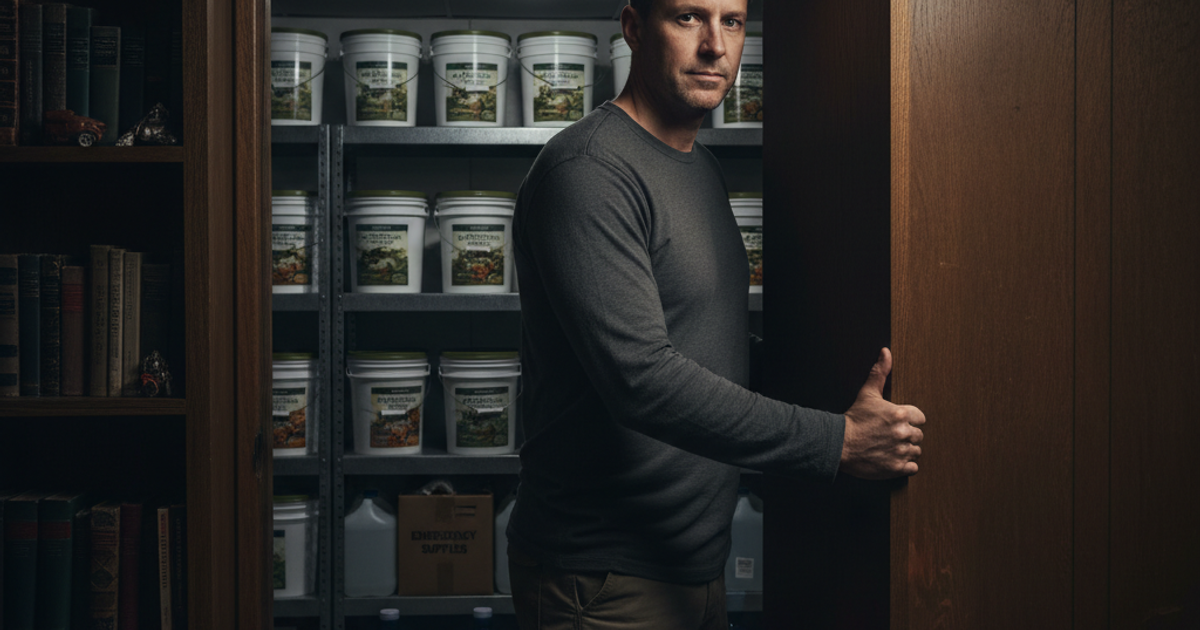
When the grid goes down and social order frays, the most dangerous thing you can own isn't a firearm — it's a reputation for being prepared. The prepper who brags about his three-month emergency food storage supply at the neighborhood block party has just painted a target on his door. The apartment dweller who posts her bug out bag contents to social media has handed potential adversaries a detailed inventory of everything worth taking from her. Operational security — OPSEC — isn't paranoia. It's the discipline that keeps your preps, your plans, and your family safe when things go sideways.
According to a 2022 survey by the Pew Research Center, approximately 57% of Americans reported taking some level of steps to prepare for emergencies. That's a lot of people with stockpiles, survival gear, and contingency plans — and most of them are telling people about it. In a genuine SHTF scenario, that information becomes currency, and not the kind that works in your favor.
What Is OPSEC and Why Does It Matter for Preppers?
OPSEC originated as a military concept — a systematic process for identifying and protecting information that could be exploited by an adversary. For the civilian prepper, the adversary isn't necessarily a foreign intelligence agency. It's the desperate neighbor, the opportunistic stranger, the well-meaning friend who tells the wrong person, or the social media algorithm that broadcasts your lifestyle to thousands of people you've never met.
In a prolonged crisis — an extended power outage, supply chain collapse, civil unrest, or worse — people who are unprepared will become desperate quickly. FEMA's own data shows that most American households have fewer than three days of food on hand. If a crisis extends past that window, those households start looking outward. The prepper with a visible, well-known stockpile becomes a logical target, whether through theft, coercion, or the kind of mob logic that emerges when people are hungry and frightened.
Good OPSEC doesn't mean living in isolation or treating every neighbor as an enemy. It means being deliberate about what you reveal, to whom, and when. The skills covered in this article apply whether you're in a high-rise apartment, a suburban tract home, or a rural homestead.
How to Maintain the Grey Man Profile Before and After SHTF
The grey man concept is simple: don't stand out. Don't be the person neighbors immediately think of when they realize they're out of food. This begins long before any crisis and applies at multiple levels.
Watch what you say. Casual conversations about your preps seem harmless — until they're not. Avoid discussing specific quantities, locations, or capabilities. You can acknowledge general preparedness ("We keep some extra supplies on hand, you know, just in case") without disclosing that you have a year's worth of freeze-dried meals in the basement.
Watch what you post. Social media is the single greatest OPSEC threat most preppers face. Instagram photos of your pantry, YouTube videos of your bug out bag, Reddit posts about your cache locations — all of this is public, indexed, and permanent. If you share prepping content online, consider doing so anonymously, without location data, and without photos that reveal your home's interior layout or address.
Watch what you order. Large deliveries of survival supplies attract attention from neighbors and, in some scenarios, from data brokers and government agencies. Consider staggering deliveries, using a P.O. box, or picking up supplies in person. Break down bulk packaging before disposal — a recycling bin full of freeze-dried food cans and ammo boxes is an advertisement.
Dress and behave appropriately for your environment. In an urban survival situation, wearing full tactical gear when everyone else is in jeans signals that you have resources worth protecting. Blend in. This extends to your vehicle — a truck plastered with gun shop decals and survival stickers announces your inventory to anyone watching a parking lot.
For more on moving without drawing attention during a crisis, see our detailed guide on Escape and Evasion: How to Move Undetected When SHTF and Society Breaks Down.
How to Physically Secure and Conceal Your Emergency Stockpile
What people don't know you have, they can't come looking for. Physical concealment of your supplies is just as important as information security.
Distributed Storage
Don't put everything in one place. This applies to apartment dwellers and homesteaders alike. Spread your emergency food storage across multiple locations — a closet, under a bed, inside furniture, in a vehicle. Rural preppers can use outbuildings, buried caches, or off-site storage. Urban preppers can rent a small storage unit in another neighborhood. If one location is compromised, you haven't lost everything.
When it comes to packing your stored food for long-term concealment and preservation, Stealth Angel mylar emergency food storage bags are an excellent choice. Mylar bags block light, moisture, and oxygen — the three primary enemies of long-term food storage — and they can be packed into inconspicuous containers like plain cardboard boxes or buckets that reveal nothing about their contents.
Concealment Inside the Home
Purpose-built concealment furniture — ottomans, bookshelves, and bed frames with hidden storage — allows you to keep supplies accessible while keeping them out of sight. Wall safes are particularly effective for securing cash, documents, medications, and small valuables. A Master Lock hidden wall safe can be installed behind a picture frame or in a closet, keeping critical items secured even if your home is entered by uninvited guests.
Securing Firearms
Firearms are among the most critical — and most targeted — items in any prepper's inventory. A quality Vaultek gun safe with biometric lock offers rapid access when you need it while keeping weapons secured against theft during your absence. Biometric models eliminate the risk of lost keys or forgotten combinations under stress — critical when seconds matter. For more on choosing and carrying defensive tools, see our guide to Concealed Carry for Preppers: How to Choose, Train, and Carry a Handgun Every Day.
Digital OPSEC: Protecting Your Plans in the Online World
Your digital footprint can reveal as much about your preparedness as your physical environment. Purchase histories, search records, forum posts, and app data collectively paint a detailed portrait of your preps, your concerns, and your capabilities.
- Use a VPN when researching sensitive preparedness topics online.
- Pay cash for supplies whenever possible to avoid creating a purchase record.
- Use a separate email address for prepper-related subscriptions and purchases — one not tied to your real name.
- Opt out of data broker services like Spokeo, WhitePages, and BeenVerified, which aggregate personal information that could be exploited.
- Disable location services on your phone when visiting prepper supply stores, shooting ranges, or other locations you'd prefer not to have logged.
Physical devices carry digital risks too. Credit cards, key fobs, and smartphones can be tracked, scanned, or cloned. Faraday bags with RFID blocking protect your cards, phone, and key fobs from electronic skimming and location tracking — a low-cost, high-value addition to any prepper's everyday carry.
Perimeter Awareness and Home Security OPSEC
Knowing who is watching your property — and controlling what they can observe — is a core OPSEC discipline. Situational awareness extends beyond your personal perimeter to include what your home signals to outsiders.
- Keep blinds and curtains closed, especially in rooms where supplies are stored.
- Avoid leaving visible indicators of your lifestyle — generator exhaust, the smell of cooking food in a neighborhood where no one else has power, or lit windows in a blacked-out block all signal that you have resources others don't.
- Establish observation points that let you see who's approaching your home before they arrive at your door.
- Build relationships with a small number of trusted neighbors for mutual early warning — the person who alerts you that strangers were asking about your house is worth more than any camera system.
That said, cameras matter. A well-placed Wyze security camera for indoor and outdoor use gives you eyes on entry points without requiring a professional installation or a large investment. During a grid-down scenario, cameras connected to a local storage device (rather than cloud-dependent systems) continue to function and record. Position cameras to cover approaches, entry points, and storage areas — and ensure footage is stored locally where it can't be remotely accessed or deleted.
For a deeper dive into hardening your home's defenses, see our comprehensive guide on Home Security Assessment: Hardening Your Property.
Managing Information Within Your Trusted Circle
Not everyone in your life needs to know the full extent of your preparations — including, in some cases, extended family members. This is one of the most uncomfortable aspects of OPSEC for preppers, but it's also one of the most important.
Establish clear boundaries within your household about what is shared externally. Children especially should understand that talking about family supplies at school or with friends creates risk — frame it as a family privacy matter rather than secrecy, and they'll understand. For guidance on integrating kids into preparedness planning without compromising security, see our article on Teaching Kids Survival Skills: How to Prepare Your Children for Any Emergency.
For adults in your circle, operate on a need-to-know basis. Your bug-out plan, cache locations, and full inventory should be known only to those who are directly part of your survival group. Trust is earned over time, not extended by default.
OPSEC for the Bug Out: Leaving Without Advertising Your Departure
If you need to evacuate, how you leave matters as much as where you're going. Loading a vehicle with obvious supplies in plain view signals to every neighbor — and passerby — that you're leaving and taking valuable resources with you. Load vehicles inside a garage if possible, or load at night. Use nondescript containers like duffle bags and plastic totes rather than labeled survival gear cases. Travel during off-peak hours when possible.
Your bug out bag should be packed and ready to go with minimal visible prep time — the family that spends two hours visibly packing the car in a crisis has already told the neighborhood everything it needs to know. For a comprehensive packing reference, see our Complete 72-Hour Bug Out Bag Checklist for Urban Survival.
Step-by-Step Instructions
Step 1: Assess Your Current Security Vulnerabilities
Conduct a thorough audit of who knows about your preparedness activities, what they know, and how they learned about it. Review your social media posts, casual conversations with neighbors, and any visible signs of your stockpile like extra trash from bulk purchases or delivery trucks at your home. Create a written list of potential security leaks and prioritize which ones pose the greatest risk to your operational security. This baseline assessment will guide all your subsequent OPSEC improvements.
Step 2: Implement the Gray Man Principle in Daily Life
Adopt behaviors and appearances that help you blend into your community without drawing attention to your preparedness lifestyle. Avoid wearing tactical gear, displaying prepper-related bumper stickers, or discussing survival plans with anyone outside your trusted circle. Make routine purchases at different stores and times to prevent patterns that might reveal bulk buying habits. The goal is to appear as an average, unremarkable member of your community who wouldn't be targeted during a crisis.
Step 3: Establish a Trusted Inner Circle with Clear OPSEC Rules
Identify only the most reliable family members or close friends who absolutely need to know about your preparations and bring them into your confidence with explicit security protocols. Create a formal agreement about what information can be shared, with whom, and under what circumstances—emphasizing that loose lips can compromise everyone's safety. Regularly remind your inner circle that even well-meaning conversations with extended family or friends can inadvertently expose your stockpile. Consider using code words or vague language when discussing sensitive preparedness topics, even within your trusted group.
Step 4: Conceal Physical Evidence of Your Stockpile
Store your supplies in locations that don't advertise their purpose, using unmarked containers, false walls, or disguised storage areas that blend with normal household items. Avoid basement or garage storage that's visible through windows, and consider distributing your stockpile across multiple hidden locations on your property. Remove all packaging and branding that identifies bulk purchases, and dispose of evidence like boxes and receipts away from your home. Install privacy measures such as fencing, window treatments, or landscaping that prevents outsiders from observing your comings and goings.
Step 5: Control Your Digital Footprint
Scrub your social media accounts of any posts, photos, or comments related to prepping, survival gear, or your stockpile locations. Use cash for preparedness purchases whenever possible to avoid creating a digital trail through credit card statements or loyalty programs. Avoid joining online prepper forums with your real identity, and never post photos of your supplies or specific details about your plans. Be aware that smartphone location data, smart home devices, and even casual text messages can reveal your activities to anyone with access to that information.
Step 6: Develop Cover Stories for Suspicious Activities
Prepare plausible explanations for behaviors that might raise questions, such as bulk purchases, construction projects, or increased security measures around your property. Frame your activities in mundane terms: you're starting a home business that requires storage space, you're an avid gardener, or you simply prefer to buy in bulk to save money. Practice delivering these cover stories naturally so they sound convincing under pressure. Having ready explanations prevents you from fumbling for answers when neighbors or delivery personnel ask questions.
Step 7: Plan for Post-SHTF Operational Security
Develop specific protocols for how you'll maintain secrecy after a crisis begins, including light discipline, noise control, and managing cooking odors that could attract desperate people. Create a plan for rationing and resource management that won't create obvious signs of abundance when others are struggling. Establish watch schedules and communication procedures with your inner circle that don't reveal your preparations to outsiders. Remember that your most critical OPSEC challenge will come after disaster strikes, when the contrast between your preparedness and others' desperation becomes most visible.
Frequently Asked Questions
How do I keep my prepping secret from nosy neighbors?
The key is to normalize your behavior and avoid visible indicators. Have supplies delivered in plain boxes, dispose of packaging discreetly, and avoid discussing specifics with neighbors. If asked about preparedness, give vague, non-committal answers like "Oh, we just keep a few extra things on hand." Most importantly, avoid posting about your preparations on social media — geotags, recognizable interior photos, and product photos can reveal far more than you intend.
Should I tell family members about my SHTF stockpile?
This depends on the level of trust and the individual's discretion. Immediate household members who are part of your survival plan should know what's available and where it's stored. Extended family members are a judgment call — consider whether they're likely to share the information, and whether you've made plans to accommodate them in a crisis. In general, apply the military OPSEC principle: share only what someone needs to know to fulfill their role in your plan.
What's the biggest OPSEC mistake preppers make?
Oversharing on social media and in conversation. It's human nature to want to discuss your preparations — it's a significant investment of time, money, and thought, and sharing it feels like community building. But in a genuine SHTF scenario, everyone who knows what you have is a potential threat vector, whether through their own desperation or through inadvertently telling someone else. Practice information discipline now, before you need it.
Affiliate Disclosure: SHTF Plan participates in the Amazon Services LLC Associates Program. Some links are affiliate links — we may earn a small commission at no extra cost to you.