Active Shooter Survival: How to Run, Hide, and Fight When Gunfire Erupts in Public
Mass casualty attacks unfold in seconds and end before police arrive. Learn how to read exits, barricade effectively, treat the wounded, and act decisively when there is no other option.
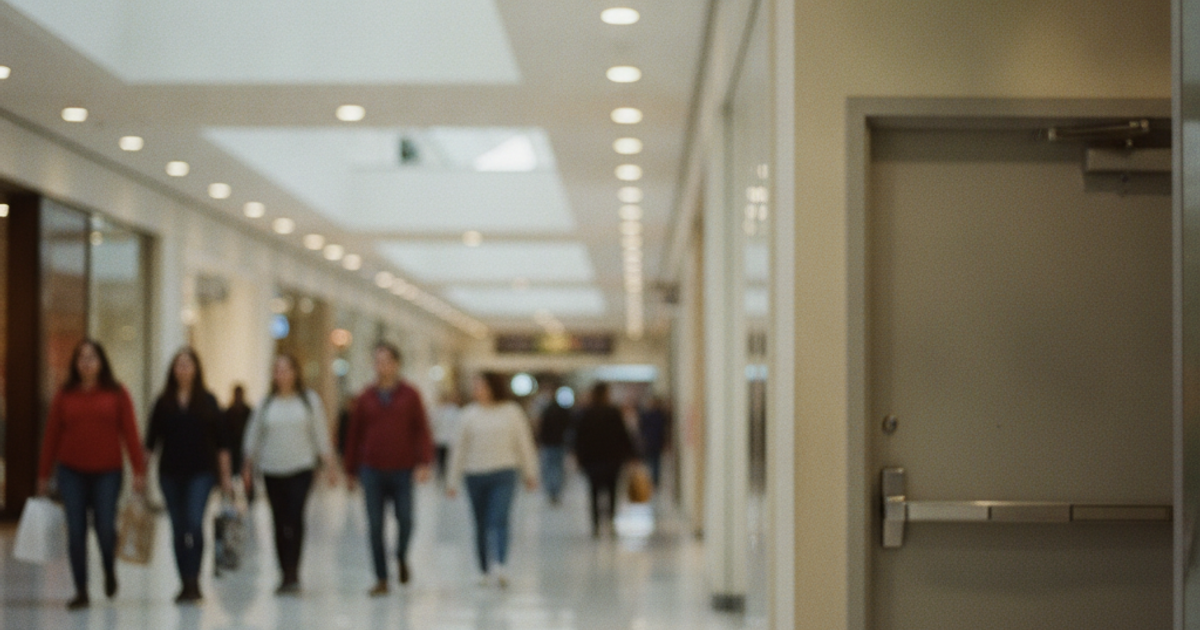
On an average Tuesday, nobody walks into a grocery store, a church, a county fair, or a classroom expecting to hear gunfire. That's exactly why these events are so lethal. The FBI has documented a steady climb in designated active shooter incidents — 48 in 2023 alone, with hundreds killed and wounded since the Bureau began formal tracking in 2000. But the single most important statistic for you isn't the body count. It's the clock.
In the FBI's landmark study of 160 active shooter incidents, 69% were over in five minutes or less, and more than a third ended within two minutes. Law enforcement rarely arrives in time to stop the shooting. The people who survive are the ones who made a decision in the first 10 seconds. In rural America, the math is even worse: EMS response times in rural counties average roughly twice those in urban areas, and the nearest deputy may be 20 minutes out. Whether you live in a high-rise, a subdivision, or 40 miles from the county seat, you are the first responder.
The federal Run-Hide-Fight model is sound, but it's taught as a slogan when it needs to be trained as a skill. Here's how to actually execute it — and how to stop the bleeding afterward.
What You'll Need
Tools
- CAT Gen 7 tourniquet
- SOF Tactical Tourniquet Gen 5
- High-lumen tactical flashlight
- Portable door barricade wedge
Supplies
- 6-inch Israeli compression bandage
- Vented chest seals (twin pack)
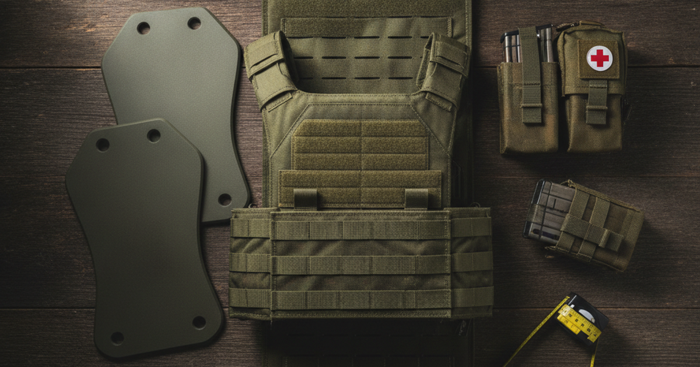
- Compact IFAK pouch
- Nitrile gloves and trauma shears
How Situational Awareness Buys You the First Five Seconds
Most victims lose critical seconds to normalcy bias — the brain's insistence that the popping sound is construction, fireworks, or a dropped pallet. Research on crowd behavior in mass casualty events consistently shows people freeze, look around for social cues, and wait for someone else to move. Train yourself to default to the opposite: treat unexplained sharp cracks as gunfire until proven otherwise. Being wrong costs you embarrassment. Being right late costs you everything.
Practice Cooper's Color Code. Condition Yellow — relaxed alertness — is the baseline you should hold anytime you're in public. Keep your head up, phone in your pocket, and one earbud out. Our deeper guide on how to detect threats before they become dangerous breaks down the behavioral indicators worth watching: inappropriate clothing for the weather, hands kept hidden, target glancing, and a rigid, purposeful walk toward a crowd choke point.
How to Build an Exit Plan Every Time You Enter a Building
Make this a five-second ritual. When you sit down in a restaurant, enter a sanctuary, or walk into a big-box store, identify two exits that are not the front door. Employee corridors, kitchen doors, loading docks, and emergency stairwells all count. Note where hard cover exists — concrete pillars, engine blocks, brick walls, commercial refrigeration units. Everything else (drywall, office furniture, car doors, retail shelving) is concealment, not cover: it hides you but won't stop a bullet.
Rural readers face a different geometry. Churches, grange halls, and small-town schools often have a single main entrance and vast open parking lots with no cover for 100 yards. In those settings, your plan is usually "get behind the engine block of a vehicle and keep moving away at an angle." Sit near a side door. Know which way the field drops off.
Run: Escape Beats Everything Else
If there is any viable path away from the gunfire, take it immediately and don't stop to gather belongings, film, or debate. Move with purpose, keep low, and run at angles rather than in a straight line away from the threat. Pull others with you — a hand on a shoulder and a shouted "With me, now!" overcomes freeze response better than any explanation. Leave your hands visible and empty when you exit; responding officers are moving toward the gunfire and will treat anyone with an object in hand as a potential threat.
If you're with children, the plan you rehearsed matters more than any gear. Pair this with a reunification plan for getting your kids home when disaster strikes so your family knows the rally point before the day arrives.
Hide and Barricade: Making a Room Not Worth Entering
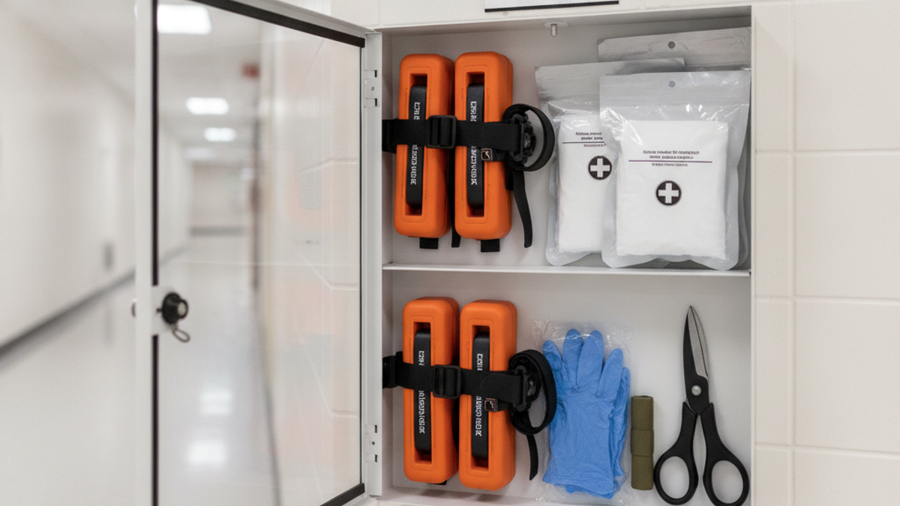
Hiding is not crouching under a desk. It's turning a room into a problem the attacker won't solve. Lock the door if it locks; most interior commercial doors don't. A rubber or steel barricade door wedge weighs a few ounces, lives in a laptop bag or purse, and turns an outward-swinging nightmare into a defended position. For inward-swinging doors, pile desks, file cabinets, and bodies against it — mass wins.
Then: lights off, phones silenced (not vibrate), everyone out of the door's line of fire and along the wall on the hinge side. Call 911 if you can whisper; if not, open the line and leave it. A high-lumen rechargeable tactical flashlight is valuable here — it lets you work in a dark stairwell, signal rescuers, and momentarily blind someone breaching your door.
Fight: The Last Resort That Works More Often Than People Think
ALERRT and FBI data show a meaningful share of active shooter events are ended by citizens before police arrive — through restraint, confrontation, or armed intervention. If the shooter breaches your space, passivity is the worst available option. Commit completely, attack as a group, go for the weapon and the eyes, and use everything in the room: fire extinguishers, chairs, laptops, belts, hot coffee. A fire extinguisher discharged into a face creates several seconds of total incapacity. If you lawfully carry, our guides on concealed carry training and improvised defensive tools cover the skills that make that decision survivable.
How to Stop Bleeding After the Shooting Stops
The Hartford Consensus — the medical community's response to Sandy Hook — concluded that uncontrolled hemorrhage is the leading cause of preventable death in mass casualty events. A severed femoral artery can kill in under three minutes. Police will secure the scene before EMS enters, which means the wounded may wait 10 to 30 minutes for professional care. You fill that gap or nobody does.
Carry a real tourniquet, not a cheap clone. Both the North American Rescue CAT Gen 7 and the SAM Medical SOF Tactical Tourniquet Gen 5 are CoTCCC-recommended and can be applied one-handed. For junctional wounds and wrapped pressure, an Israeli 6-inch emergency bandage packs flat and does the work of four hands. Penetrating chest wounds need vented HyFin chest seals — and always check for an exit wound on the back. Read our full breakdown on stopping bleeding and treating hemorrhagic shock before you need it.
Step-by-Step Instructions
Step 1: Scan and identify two exits on entry
Within five seconds of entering any public space, locate the primary exit and at least one alternate that isn't the main door. Note the nearest hard cover and where you'd move first. Sit or stand where you can see the entrance and have a clear path out.
Step 2: Confirm the threat and move immediately
Treat unexplained sharp cracks as gunfire. Do not wait for consensus, announcements, or a second volley. Move within the first two to three seconds — that window is when the shooter is least likely to have acquired targets in your direction.
Step 3: Run away from the sound at an angle
Keep low, move fast, and avoid straight-line flight directly away from the shooter. Drag or shout at anyone frozen in place. Once outside, keep going for several hundred yards — do not stop in the parking lot to watch.
Step 4: Barricade if escape is impossible
Lock or wedge the door, stack heavy furniture against it, kill the lights, silence phones, and move everyone off the door's firing line. Stay quiet and do not open the door for anyone claiming to be police — officers will announce and breach on their own.
Step 5: Fight aggressively if the room is breached
Attack as a group, from multiple angles, with improvised weapons and total commitment. Control the weapon with both hands and drive it away from bodies. Do not stop until the threat is physically restrained or incapacitated.
Step 6: Apply bleeding control to yourself and others
Check yourself first, then others. Apply a tourniquet high and tight on limb wounds — two to three inches above the injury, never over a joint — and tighten until the bleeding stops. Pack junctional wounds with gauze, seal chest wounds, and note the time of application.
Step 7: Exit with empty, visible hands
When law enforcement makes contact, drop everything, raise open hands, and follow commands exactly. Expect to be searched and treated as a suspect until cleared. Give the dispatcher or officer the shooter's location, description, and weapon type if you have it.
Step 8: Debrief and train afterward
Take a Stop the Bleed course within the month — they're free and run about 90 minutes. Rehearse your exit scan until it's automatic, and talk through the plan with your family so everyone knows the rally point.
Recommended Gear
Gear you don't carry doesn't count. A slim Rhino Rescue IFAK pouch fits in a glovebox, backpack, or range bag and keeps your tourniquet and gauze accessible under stress. For a complete pre-assembled option, the MyMedic Range Medic trauma kit covers hemorrhage, airway, and chest trauma in one package — ideal for a vehicle, church, or workplace. Browse our full list of recommended survival gear and equipment to round out your everyday carry and emergency preparedness setup.
Frequently Asked Questions
Should I run or hide during an active shooter event?
Run if you have any viable escape route — distance and barriers are the single best predictors of survival. Hide and barricade only when escape would require crossing the shooter's line of fire or when you're responsible for people who can't move quickly, such as small children, elderly relatives, or the mobility-impaired.
What should I carry every day for an active shooter scenario?
A tourniquet, a compact pressure dressing, nitrile gloves, a bright flashlight, and a door wedge cover the realistic needs without weighing you down. Keep it gray — our gray man EDC guide shows how to carry serious capability without broadcasting that you're a prepper.
How long can a tourniquet stay on safely?
Modern trauma data shows a properly applied tourniquet can remain in place for two hours or more with minimal risk of limb loss. Never loosen or remove one once applied — write the time on the windlass strap or the patient's forehead and let medical professionals make that call.
Affiliate Disclosure: SHTFPlan.net participates in the Amazon Services LLC Associates Program. Some links are affiliate links — we may earn a small commission at no extra cost to you.