Reunification Plan: How to Get Your Kids Home From School When Disaster Strikes
When a disaster hits at 10 a.m., your kids are miles away behind locked school doors. Here's how to build a family reunification plan that actually works when phones and roads fail.
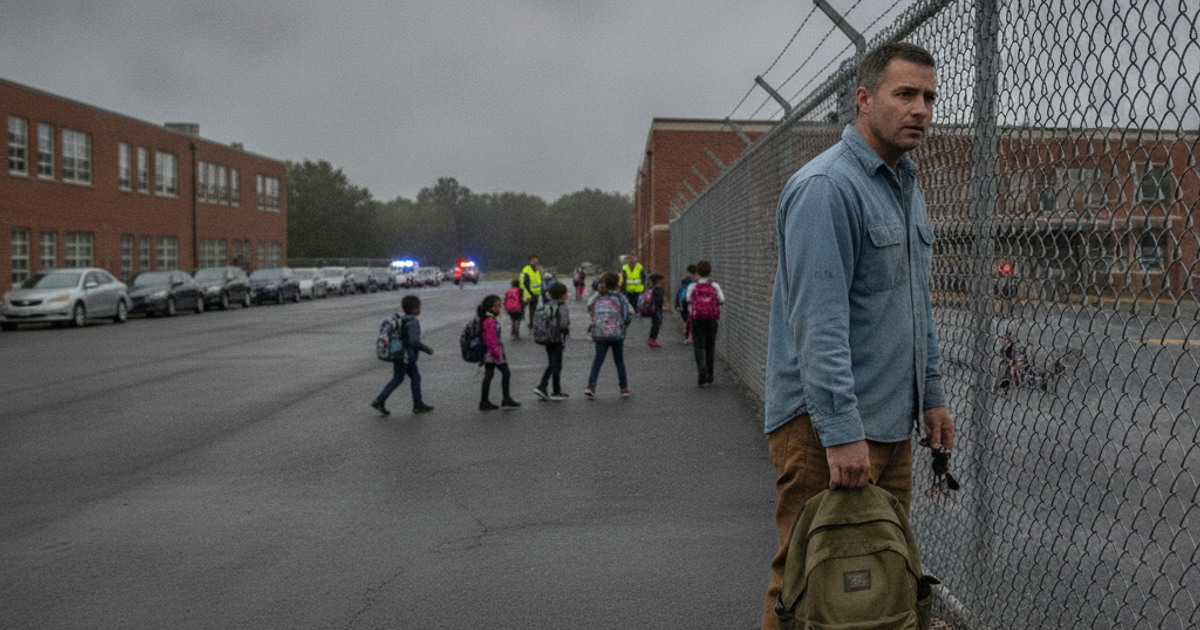
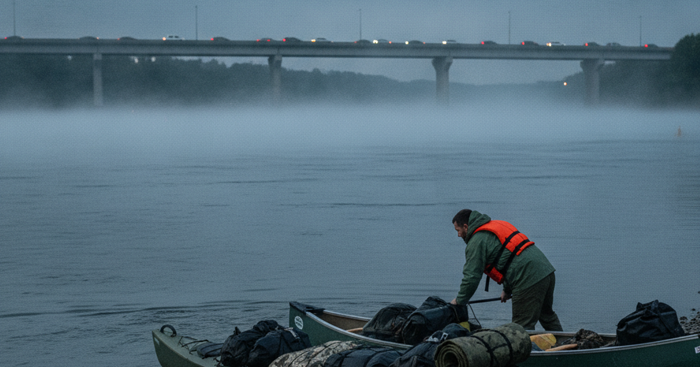
On a normal Tuesday, your kids are three to fifteen miles away from you, behind locked doors, in a building you don't control, surrounded by adults you only partially know. That's the uncomfortable reality of modern family life — and it's the single biggest hole in most preparedness plans. We obsess over the bug out bag, the emergency food storage, and the water purification setup, then leave the most important variable of all — getting our children back — to improvisation.
Disasters do not respect the school calendar. The 1994 Northridge earthquake struck at 4:31 a.m., but the 1989 Loma Prieta quake hit at 5:04 p.m. during the commute home. The 2011 Joplin tornado tore through town on a Sunday evening; the 2013 Moore, Oklahoma tornado hit at 2:56 p.m. and destroyed two elementary schools while classes were in session. FEMA research consistently shows that school-age children spend roughly a third of their waking weekday hours away from parents. Statistically, if a major event hits during a weekday, there's a strong chance your family will be scattered.
The good news: a reunification plan is cheap, mostly paperwork, and dramatically improves your odds. Here's how to build one that works whether you live in a downtown high-rise, a cul-de-sac, or twelve miles down a gravel road.
What You'll Need
Tools
- Midland GXT1000VP4 two-way radios
- Jiobit GPS tracker for children
- Midland ER310 emergency weather radio
- Anker PowerCore portable power bank
Supplies
- Paper road atlas and local street maps
- Laminated wallet cards with contact numbers and meeting points
- Printed emergency contact / pickup authorization forms
- Child-size go-kit: water, snacks, whistle, mylar blanket, spare medication
Why School Lockdown Policies Can Work Against You
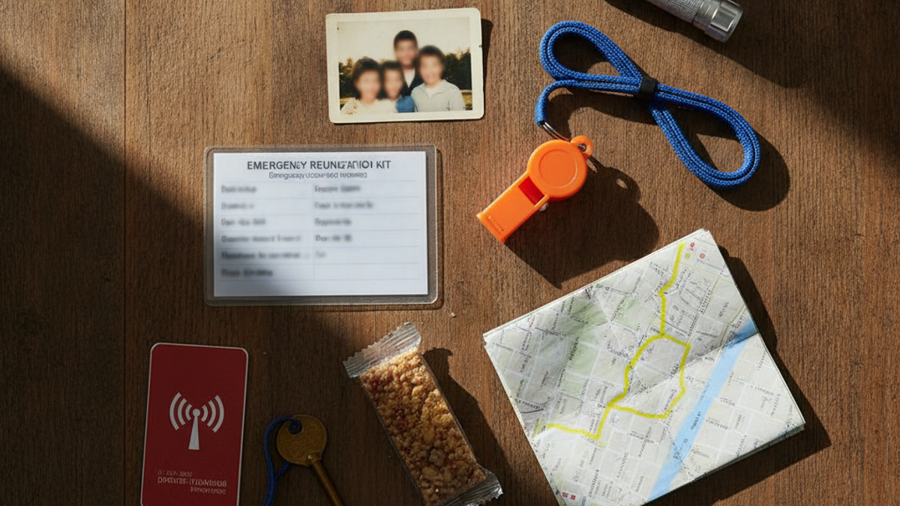
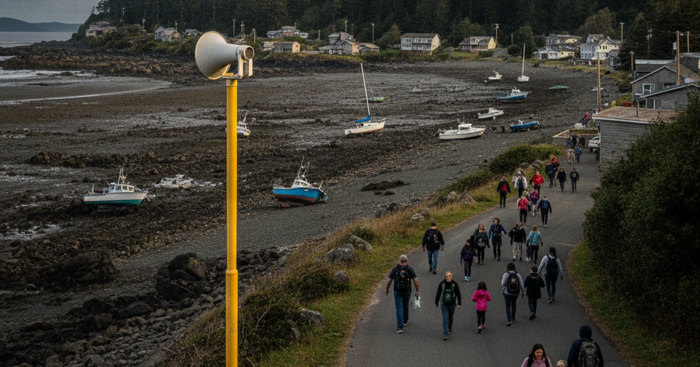
Most districts follow a "protective action" model: shelter-in-place, then controlled release through a formal reunification site. Schools will not simply hand children over at the fence line. The Standard Reunification Method taught by the I Love U Guys Foundation — now used by thousands of districts nationwide — requires a photo ID check and a match against the school's approved pickup roster before a child is released, often at an off-campus location.
That process exists for good reason, but it means two things for you. First, your name must already be on that list — adding it after the sirens start is impossible. Second, the release site may not be the school. Call the front office this week and ask three specific questions: Where is the primary reunification site? Where is the secondary site if the primary is unusable? And how will parents be notified when cell networks are saturated?
Building Communication Redundancy When Cell Towers Fail
After the Boston Marathon bombing and virtually every major hurricane since Katrina, cellular voice networks collapsed under load within minutes while SMS text messages still trickled through. Text uses tiny data packets and queues until bandwidth opens up. Rule one for your family: text, don't call.
Rule two: designate an out-of-area contact. Local circuits jam first; a relative three states away can often receive messages from both you and your child and relay between you. Every family member, including kids, should have that number memorized — not just stored in a phone that may be dead or confiscated.
Rule three: build a non-cellular layer. A pair of Motorola Talkabout T800 radios — one in your vehicle, one in an older child's backpack — gives you a direct link once you're within a mile or two in town, considerably farther in open rural terrain. For suburban and rural families with longer distances, the higher-wattage Midland GXT1000VP4 units with NOAA weather alerts cover more ground. Preset a primary and backup channel and drill it. For a deeper dive, read our guide to building a family emergency communication plan and the broader strategy behind a layered communication plan that works without cell service.
Phones die fastest in a crisis because everyone is hammering the network. Keep a charged Anker PowerCore power bank in your glovebox and another in your child's backpack. A hand-crank Midland ER310 emergency weather radio in the car lets you monitor EAS broadcasts and NOAA alerts when data is gone and you need to know whether roads, bridges, or shelters are open.
Location Tech: Knowing Where Your Child Actually Is

GPS trackers aren't a substitute for a plan, but they shrink uncertainty. Dedicated devices like the Jiobit clip to a belt loop and report real-time position over cellular. For children with special needs or nonverbal kids who can't self-report, AngelSense adds two-way audio and alert features. A cheaper passive option is dropping Apple AirTags into backpacks and jacket pockets — they piggyback on nearby phones rather than cell data, which sometimes works when towers are overloaded.
Route Planning: Three Ways Home, One on Foot
Map at least three routes from your workplace to each school and from each school to your home. Your primary is the fast route. Your secondary avoids highways, bridges, overpasses, and rail crossings — the first things to fail in earthquakes and floods. Your tertiary should be walkable or bikeable. Urban parents should assume gridlock and plan to go on foot; our guide to navigating when every road is blocked covers the mechanics. Rural parents face the opposite problem: fewer routes, longer distances, and washed-out culverts or downed trees that can cut a road for days.
Drive every route at school-dismissal time. Note fuel stations, hospitals, and hazards like chemical plants or fuel depots. Then print it. A Rand McNally road atlas in every vehicle guarantees navigation when GPS is jammed, degraded, or your phone is dead. Keep a vehicle emergency kit stocked year-round, since your car may double as a staging base.
Step-by-Step Instructions
Step 1: Obtain and update school emergency paperwork
Request your child's emergency contact and release authorization forms from every school, daycare, and after-school program. List three to five trusted adults who live or work close to the school — a neighbor two blocks away beats a grandparent forty miles out. Update these forms every August and after any divorce, move, or job change.
Step 2: Designate a primary and secondary meeting point
Choose one meeting point near the school (the district's reunification site), one near home (a neighbor's driveway, a church lot), and one outside your immediate area in case the whole zone is evacuated. Pick landmarks that are obvious, outdoors, and survivable — not a building that may be locked or collapsed.
Step 3: Brief your designated pickup adults in person
Sit down with every authorized adult and walk them through the plan: which school, which gate, which meeting point, and what to do afterward. Give each one a laminated card with your contact info, your out-of-area contact, and a code word. Confirm they know they must bring photo ID.
Step 4: Establish a family code word and verification system
Teach your children a code word that any adult picking them up must say. Keep it simple, memorable, and never shared on social media — that's basic OPSEC. Disasters attract predators, and a verification word costs nothing.
Step 5: Pack a child-sized go-kit for the backpack
Include a half-liter of water, two high-calorie bars, a loud whistle, a mylar emergency blanket, a small flashlight, a contact card, and a 72-hour supply of any critical medication. Keep it lightweight so it actually stays in the bag.
Step 6: Drive and walk every route twice a year
Run the primary, secondary, and foot routes in daylight and darkness. Time them. Note which gas stations have generators and which intersections flood. Routes change as construction and development change.
Step 7: Rehearse the plan with the whole family
Twice a year, run a tabletop drill: "It's 1:45 p.m., there's been an earthquake, no cell service — what do you do?" Make the kids answer out loud. Have them recite the out-of-area number and the meeting points from memory.
Step 8: Document, laminate, and distribute the plan
Produce a one-page plan with maps, numbers, addresses, and meeting points. Laminate copies for every vehicle, backpack, wallet, and the refrigerator. Store a digital copy with your grab-and-go vital documents kit.
Recommended Gear
None of this hardware replaces a rehearsed plan, but redundancy is the whole point of emergency preparedness. Radios, power banks, a weather radio, GPS trackers, and paper maps together cost less than a weekend trip and cover the four failure points — communication, power, location, and navigation — that strand families apart. Browse our full recommended survival gear list for more.
Frequently Asked Questions
Should I rush to the school immediately after a disaster?
Usually no — and this is the hardest part. If the school has a functioning reunification protocol and the building is intact, converging parents clog the roads emergency vehicles need. Follow official notifications first. If communications are dead and you have no information after a reasonable window, then move using your planned route.
What if my child is old enough to walk home alone?
Set a clear age and distance threshold in advance, and make sure the school knows the child is authorized to self-release if your district permits it. Walk the route with them repeatedly, identify safe havens along the way, and give them a radio or tracker. Pair this with broader survival skills training for kids so they can handle decisions alone.
How do I handle reunification if I work 50 miles away?
Distance is exactly why local designated adults matter more than parents in a reunification plan. Recruit two nearby trusted adults, put them on the official pickup list, and give them keys and instructions for sheltering your children at their home until you arrive. Keep a workplace emergency kit with walking shoes in case you have to cover the last miles on foot.
Affiliate Disclosure: SHTFPlan.net participates in the Amazon Services LLC Associates Program. Some links are affiliate links — we may earn a small commission at no extra cost to you.