Vehicle Emergency Kit: How to Prepare Your Car for Any Disaster
Your car could be your lifeline when disaster strikes. Here's exactly what to keep in your vehicle to survive any emergency on the road.
Your vehicle is more than just transportation — it's a potential lifeline when things go sideways. Whether you're commuting through a city, navigating suburban back roads, or driving remote rural highways, your car may be the only thing standing between you and a serious survival situation. According to AAA, approximately 69 million Americans experience a roadside emergency each year. That's not a fringe scenario — that's a near-certainty over a lifetime of driving.
Most people treat their cars like appliances: fill the tank, turn the key, and go. But for the serious prepper, the vehicle is an extension of your emergency preparedness strategy. A well-stocked vehicle emergency kit can mean the difference between a minor inconvenience and a life-threatening ordeal — especially during a SHTF scenario when emergency services are overwhelmed or simply unavailable.
This guide covers everything you need to build a comprehensive vehicle survival kit, whether you're an urban survival commuter navigating gridlock or a rural driver covering 50 miles of open highway between towns.
Why Your Car Is Your First Line of Defense in a Disaster
When a hurricane evacuation order drops, when wildfires cut off your town, or when civil unrest shuts down your neighborhood, your vehicle is almost always the first tool you reach for. It's your bug out platform, your shelter-in-transit, and potentially your home base for 72 hours or more.
The Federal Emergency Management Agency (FEMA) recommends all Americans maintain an emergency supply kit — yet surveys consistently show fewer than half of U.S. households have adequate emergency supplies, and even fewer have kits specifically for their vehicles. That gap is a serious vulnerability.
For urban preppers living in apartments without storage space, the car may actually be the best place to store a core emergency kit. It travels with you, it's accessible 24/7, and it doesn't require a basement or garage. If you're thinking through a broader bugging out strategy, your vehicle kit is the foundation everything else builds on.
Core Vehicle Emergency Kit Contents Every Driver Needs
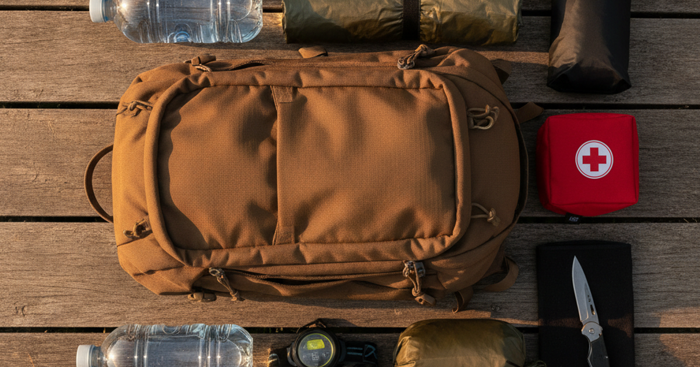
A solid vehicle emergency kit addresses five primary survival categories: mechanical emergencies, medical emergencies, communication, shelter/warmth, and sustenance. Let's break each one down.
Mechanical and Roadside Emergency Gear
The most common vehicle emergencies are mechanical — dead batteries, flat tires, and minor breakdowns. These happen to everyone, but they become genuinely dangerous when you're stranded on a dark highway in freezing temperatures or in a high-crime area after dark.
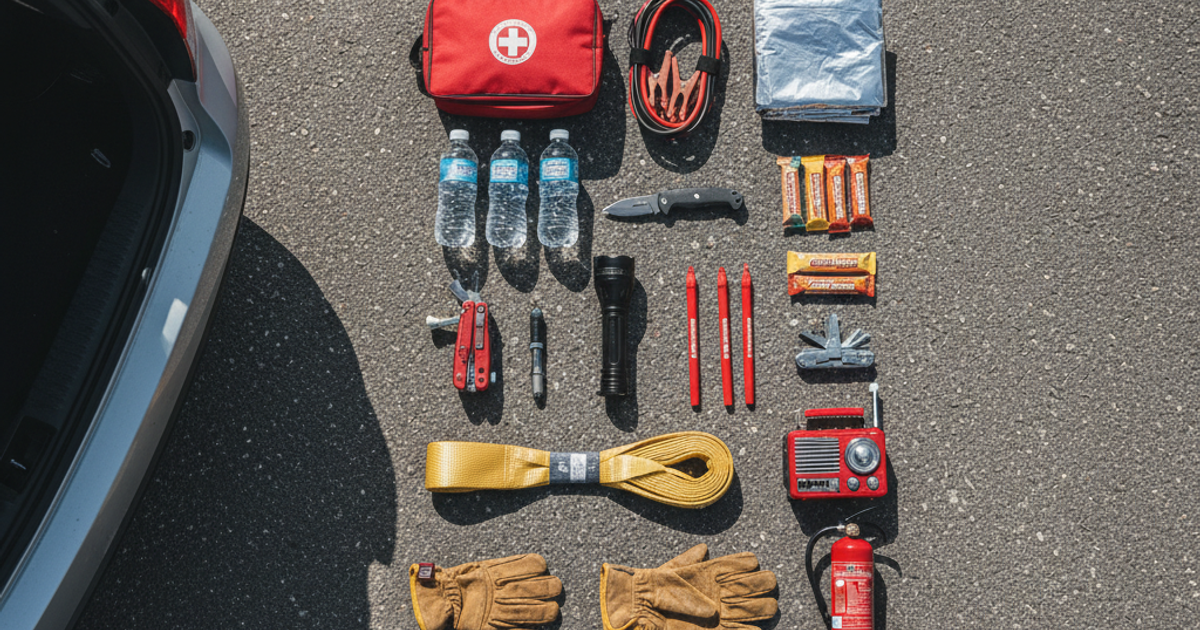
Start with the basics. A pre-assembled AAA roadside emergency kit is an excellent starting point — these typically include jumper cables, tow rope, reflective triangles, a flashlight, and basic tools, all in a compact bag. It's a plug-and-play solution that covers the most common breakdown scenarios without requiring you to build a kit from scratch.
For battery problems — among the top three reasons for roadside calls — you have two solid options. Traditional heavy-duty jumper cables are a proven, reliable choice when another vehicle is available. Look for 4-gauge cables at least 20 feet long for versatility. However, for situations where no other vehicle is present — common in rural areas or during late-night breakdowns — a portable lithium jump starter is invaluable. The NOCO Boost Plus GB40 portable jump starter can jump-start most gas engines up to 6 liters and diesel engines up to 3 liters, fits in a glove box, and doubles as a USB power bank for charging devices. It's one of the best pieces of survival gear you can keep in a car.
Tire failures are equally critical. A quality portable tire inflator and air compressor like those from Slime can re-inflate a slow-leaking tire or help after using a tire plug kit — potentially getting you moving again without waiting for roadside assistance. Pair this with a tire plug and patch kit, a good lug wrench, and a properly inflated spare.
Additional mechanical essentials include:
- Reflective warning triangles or road flares (3 minimum)
- A quality multi-tool or basic tool kit (wrenches, pliers, screwdrivers)
- Duct tape and zip ties — fixes almost anything temporarily
- Extra engine oil, coolant, and brake fluid (small bottles)
- A tow strap rated for your vehicle's weight
- Heavy-duty work gloves
- A bright LED flashlight with extra batteries (or a rechargeable headlamp)
Vehicle Escape and Safety Tools
This category is non-negotiable. If your vehicle becomes submerged in water or catches fire, standard doors may be impossible to open due to water pressure or warped frames. A dedicated escape tool can save your life in seconds.
The Lifehammer safety hammer combines a hardened steel window breaker with a seatbelt cutter in a single compact tool. Mount one within arm's reach of both the driver and passenger positions. This isn't gear that belongs in your trunk — it needs to be accessible in an instant. Drowning in a submerged vehicle is more common than people realize, and the window is often the only escape route.
Medical Supplies for Your Vehicle Survival Kit
A vehicle first-aid kit should go beyond the basic adhesive bandages found in most store-bought kits. For serious emergencies — especially in rural areas where the nearest trauma center may be an hour away — you need supplies that can manage life-threatening injuries.
Your vehicle medical kit should include:
- Tourniquet (CAT or SOFTT-W — the same used by military medics)
- Hemostatic gauze (QuikClot or Celox) for severe bleeding
- Israeli bandage / pressure dressing
- Nitrile gloves (multiple pairs)
- CPR face shield or pocket mask
- SAM splint and elastic bandages
- Burn gel and non-stick dressings
- Over-the-counter medications: ibuprofen, antihistamines, antidiarrheal, antacids
- Space/emergency mylar blanket (also serves as shelter)
For a deeper dive into building a serious medical kit, check out our guide to first aid without a doctor — it covers trauma supplies in detail. If you take prescription medications, review our article on medication stockpiling for long-term emergencies — even keeping a 3-day supply in your vehicle kit can be critical.
Communication and Navigation When the Grid Goes Down
Modern smartphones are useful until the towers go down, get jammed, or your battery dies. A vehicle emergency kit should include backup communication and navigation tools that work independently of cellular infrastructure.
- Hand-crank or battery emergency weather radio — receives NOAA weather alerts and emergency broadcasts
- Paper maps of your state and region — GPS fails, paper doesn't
- Portable power bank — at minimum 20,000mAh to charge phones and radios multiple times
- Two-way radios (GMRS/FRS walkie-talkies) — for communicating with family members in convoy situations
- A car phone charger and a 12V inverter for powering devices from your battery
Maintaining situational awareness during a crisis is as much about information as it is about physical gear. The ability to receive emergency broadcasts can tell you where not to drive — arguably more valuable than almost any other piece of equipment in your kit.
Shelter, Warmth, and Sustenance for Extended Roadside Situations
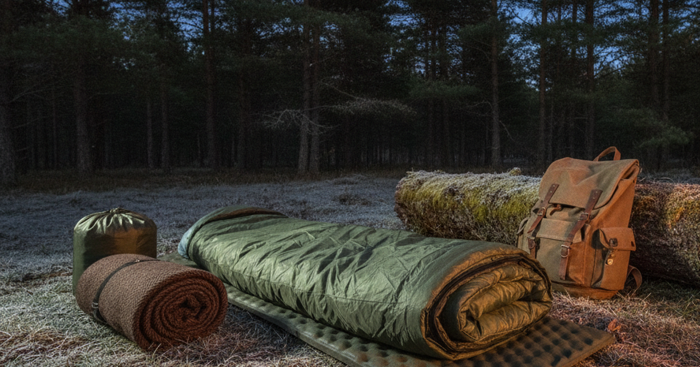
If you're stranded overnight — whether due to a blizzard, a major traffic incident, or grid-down scenario — your car becomes temporary shelter. In winter, hypothermia is a genuine risk even inside a vehicle if you can't run the engine continuously. Prepare accordingly.
Shelter and warmth supplies:
- Emergency mylar blankets (2-4 per occupant) — lightweight and highly effective
- A wool blanket or compact sleeping bag rated to 20°F
- Hand warmers (chemical activation) — a dozen or more in cold climates
- A compact folding shovel for digging out of snow or debris
- Ice scraper and sand/kitty litter for traction
- Waterproof matches, lighter, and a candle (a single candle can raise car interior temperature significantly)
Food and water:
- At least 1 liter of water per person per day minimum — store in insulated containers to prevent freeze/heat damage
- High-calorie emergency food bars (Mayday or Datrex) — rated for 5-year shelf life
- A small water filter straw (LifeStraw or Sawyer Mini) for water purification if you need to use natural sources
- Energy bars, nuts, jerky, and hard candy as supplemental snacks
Documentation and Financial Preparedness in Your Vehicle Kit
This is an overlooked component of emergency preparedness. During an evacuation, you may not have time to return home for critical documents.
- Copies of key documents in a waterproof bag: ID, insurance cards, vehicle registration, passports, medical records
- A small amount of emergency cash in small bills — ATMs and card readers fail during power outages
- A written list of critical phone numbers (you may need to use someone else's phone)
- A USB drive with digital copies of important documents
Organizing and Maintaining Your Vehicle Emergency Kit
A kit that can't be found quickly under stress is only marginally better than no kit at all. Use a dedicated storage bag, organizer, or tote that lives permanently in your vehicle. Label compartments if possible. High-use items like the window breaker and first aid supplies should be immediately accessible — not buried under seasonal gear.
Maintenance schedule:
- Check batteries, water, and food supplies every 6 months (set a calendar reminder)
- Rotate food and water annually
- Inspect mechanical items (jumper cables, inflator, etc.) annually
- Update documents when they change
- Adjust seasonal items — swap winter gear for summer gear as appropriate
Also pair your vehicle kit awareness with a broader everyday carry (EDC) strategy — what's on your person matters as much as what's in your trunk when you're separated from your vehicle.
Recommended Gear Summary
To recap the core product recommendations covered throughout this article: start with a solid foundation using a pre-built AAA roadside emergency kit, add traditional heavy-duty jumper cables alongside a NOCO Boost Plus GB40 portable jump starter for battery emergencies, keep a Lifehammer safety escape tool within reach at all times, and round out your mechanical supplies with a Slime portable tire inflator and air compressor. These five products alone will handle the vast majority of roadside emergencies most drivers will ever face.
What You'll Need
- First aid kit with bandages, antiseptic, pain relievers, and any prescription medications
- Non-perishable food items (energy bars, nuts, dried fruit)
- Bottled water (at least one gallon per person)
- Flashlight with extra batteries or hand-crank flashlight
- Multi-tool or basic tool kit
- Jumper cables or portable jump starter
- Emergency blankets or sleeping bags
- Reflective warning triangles or road flares
- Fire extinguisher (5-lb, ABC type)
- Tire pressure gauge and tire repair kit
- Weather-appropriate clothing and sturdy shoes
- Cell phone charger (car adapter and portable battery pack)
- Emergency contact list and copies of important documents
- Cash in small bills
- Whistle, matches, and duct tape
Step-by-Step Instructions
Step 1: Select the Right Container for Your Emergency Kit
Choose a durable, waterproof container or backpack that fits easily in your trunk or under a seat. A plastic storage bin with a secure lid works well for larger vehicles, while a compact backpack is ideal for smaller cars. Make sure the container is easily accessible and won't shift during normal driving. Label it clearly as your emergency kit so all family members know where to find it.
Step 2: Stock Essential Water and Food Supplies
Pack at least one gallon of water per person and replace it every six months to ensure freshness. Include non-perishable food items that don't require cooking, such as energy bars, trail mix, canned goods with pop-top lids, and peanut butter. Store enough food to sustain your family for at least 72 hours. Rotate food items before they expire and consider any dietary restrictions or allergies.
Step 3: Assemble Medical and Hygiene Supplies
Build a comprehensive first aid kit or purchase a pre-made one designed for vehicles. Include adhesive bandages, gauze pads, medical tape, antiseptic wipes, pain relievers, antihistamines, and any prescription medications your family needs. Add personal hygiene items like hand sanitizer, toilet paper, feminine products, and moist towelettes. Check expiration dates every six months and replace items as needed.
Step 4: Organize Tools and Vehicle-Specific Equipment
Pack essential tools including jumper cables or a portable jump starter, a tire pressure gauge, a can of tire inflator, and basic hand tools like screwdrivers and pliers. Add a multi-tool or Swiss Army knife for versatility. Include items specific to vehicle emergencies such as a spare tire (ensure it's properly inflated), a jack, and a lug wrench. Don't forget duct tape, zip ties, and a small bottle of motor oil.
Step 5: Prepare Communication and Navigation Tools
Include multiple ways to charge your cell phone: a car charger, a portable battery pack, and ideally a solar or hand-crank charger. Pack a physical road map of your region in case GPS fails. Store a battery-powered or hand-crank radio to receive emergency broadcasts. Write down important phone numbers on a laminated card, as you may not have access to your phone's contacts during a dead battery situation.
Step 6: Add Weather Protection and Signaling Devices
Pack emergency blankets, a warm sleeping bag, or heavy blankets appropriate for your climate. Include a complete change of weather-appropriate clothing and sturdy shoes for each family member. Add reflective warning triangles or road flares to make your vehicle visible to other drivers. Include a bright flashlight, extra batteries, a whistle for signaling, and a small mirror for reflecting sunlight if you need to attract attention.
Step 7: Include Important Documents and Final Essentials
Make waterproof copies of important documents including insurance cards, identification, medical information, and emergency contacts. Store at least $50-100 in small bills and coins for situations where credit cards won't work. Add a small fire extinguisher rated for vehicle fires. Finally, review your entire kit every six months, replace expired items, update seasonal clothing, and ensure everything remains in good working condition.
Frequently Asked Questions
What should I put in a car emergency kit for winter driving?
For winter driving, your vehicle emergency kit should emphasize cold-weather survival above all else. Add wool blankets or a compact sleeping bag, multiple chemical hand warmers, an ice scraper and snow brush, a compact folding shovel, and sand or kitty litter for tire traction. Increase your water storage since dehydration risk rises in cold weather, and make sure your portable jump starter is fully charged — cold temperatures drain car batteries faster. A candle and metal container can generate surprising warmth inside a stalled vehicle if you cannot run the engine safely.
How much water should I keep in my vehicle emergency kit?
FEMA recommends at least one gallon of water per person per day for emergency use. For a vehicle kit covering a 72-hour window, aim for at least 3 liters per person stored in insulated, food-grade containers. Avoid standard plastic bottles in vehicles — temperature extremes cause them to degrade and potentially leach chemicals into the water. Use sealed pouches rated for vehicle storage, and supplement with a compact water filter straw for purification from natural sources if needed. Rotate your stored water every 6-12 months.
What's the difference between a vehicle emergency kit and a bug out bag?
A vehicle emergency kit is primarily designed for roadside emergencies and short-term survival situations specific to your car — mechanical breakdowns, accidents, weather events, and temporary sheltering. A bug out bag is a broader 72-hour survival kit designed to sustain you on foot if you must abandon your vehicle and evacuate under your own power. Ideally, you should have both: a vehicle kit stored in your car for automotive emergencies, and a bug out bag that rides with you and can be grabbed instantly if you need to leave the vehicle behind. See our Complete 72-Hour Bug Out Bag Checklist for a full breakdown of what belongs in each.
Affiliate Disclosure: SHTF Plan participates in the Amazon Services LLC Associates Program. Some links are affiliate links — we may earn a small commission at no extra cost to you.