Medication Stockpiling: How to Build a Prescription and OTC Drug Reserve for Long-Term Emergencies
When supply chains collapse and pharmacies close, your medicine cabinet could mean the difference between life and death. Here's how to build a smart drug reserve.
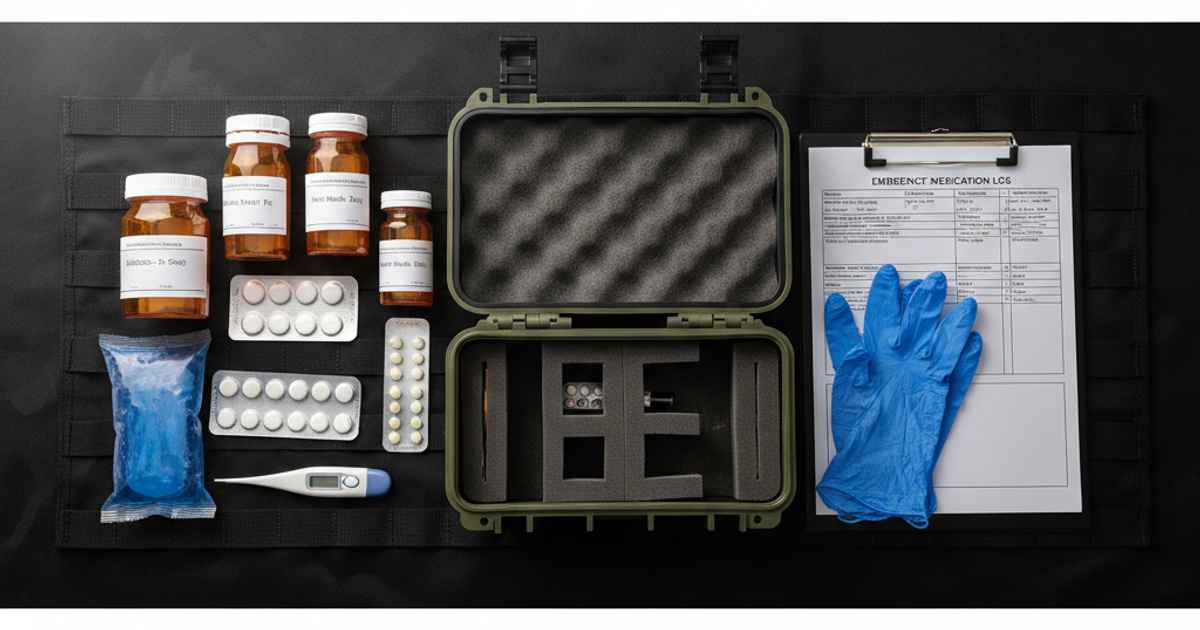
When the grid goes down, supply chains collapse, or a long-term emergency forces you to shelter in place, access to medications can become a matter of life and death. According to the CDC, approximately 131 million Americans — nearly 66% of the adult population — take at least one prescription drug. Yet most emergency preparedness guides dedicate only a few sentences to medication planning, treating it as an afterthought behind emergency food storage and water purification.
That's a critical oversight. Whether you're a prepper managing a chronic condition, a parent responsible for children with asthma or severe allergies, or simply someone who understands that SHTF scenarios don't pause for pharmacy hours, building a medication reserve is one of the most important — and most neglected — components of serious emergency preparedness. This guide covers how to do it legally, safely, and strategically, whether you live in a high-rise apartment, a suburban home, or a rural homestead.
Why Medication Stockpiling Is a Core Survival Priority
Most survival kits focus on the immediate 72-hour window. But real emergencies — hurricanes, pandemics, infrastructure failures, or societal breakdown — can last weeks, months, or longer. During Hurricane Katrina, an estimated 70,000 dialysis patients were cut off from treatment. During COVID-19, drug shortages affected over 250 medications at various points. In a true SHTF collapse, pharmaceutical supply chains — already fragile — would be among the first systems to fail.
For people managing diabetes, heart disease, epilepsy, severe mental health conditions, or life-threatening allergies, a two-week medication gap isn't an inconvenience — it's a potential fatality. Building a reserve buys you time: time to find alternative sources, time to adapt, and time to survive until normalcy returns. It also pairs naturally with a broader trauma kit and long-term medical preparedness strategy.
How to Legally Build a Prescription Medication Reserve
The most common obstacle preppers cite is that doctors and insurance companies make stockpiling prescriptions difficult. That's partly true — but there are legitimate, legal strategies to build a reserve over time.
Talk Openly With Your Doctor
Many physicians, especially those familiar with emergency preparedness, will work with patients who explain their concerns honestly. Ask your doctor to write a prescription for a 90-day supply instead of 30 days. Explain that you live in an area prone to natural disasters, or that you're concerned about supply chain disruptions. Some doctors will also write a "vacation override" or emergency supply prescription. Frame it as disaster preparedness — not stockpiling — and you're more likely to get cooperation.
Use Mail-Order Pharmacies
Many insurance plans offer mail-order pharmacy programs that automatically dispense 90-day supplies at a lower per-pill cost than monthly refills. This is one of the easiest ways to gradually build a reserve while staying within insurance guidelines. Each time you refill before you've fully exhausted your current supply, you're adding days to your buffer.
Ask About Generic Alternatives
Generic medications are chemically equivalent to brand-name drugs and are typically far cheaper to purchase out-of-pocket. Paying cash for a secondary supply of generics — especially for critical medications — is a strategy many experienced preppers use. Websites like GoodRx can dramatically reduce the out-of-pocket cost.
Rotate, Don't Hoard
Medication stockpiling is not about pulling pills out of circulation and letting them sit for years. It's about maintaining a rolling reserve using a first-in, first-out (FIFO) rotation system — the same principle used in emergency food storage. Use your oldest supply first, refill regularly, and keep your reserve consistently stocked. A Medi-Peel pill organizer weekly monthly medication dispenser makes this rotation system easy to manage at a glance, helping you track which medications are due for use and which slots in your reserve need replenishing.
Essential Over-the-Counter Medications to Stock
OTC medications are significantly easier to stockpile and should form the foundation of every survival kit and home medical reserve. Consider building a supply that covers the following categories:
- Pain and fever reducers: Acetaminophen (Tylenol), ibuprofen (Advil/Motrin), aspirin
- Antihistamines: Diphenhydramine (Benadryl), cetirizine (Zyrtec) — critical for allergic reactions
- GI medications: Loperamide (Imodium), antacids, bismuth subsalicylate (Pepto-Bismol)
- Respiratory aids: Guaifenesin, decongestants, saline nasal spray
- Topical treatments: Hydrocortisone cream, antibiotic ointment (Neosporin), antifungal creams
- Electrolyte supplements: Oral rehydration salts — essential when diarrheal illness strikes without IV access
- Eye and ear care: Sterile eye wash, antibiotic eye drops (available OTC in some formulations)
- Epinephrine: If anyone in your household has severe allergies, stock multiple EpiPens and know the expiration dates
Buy in bulk during sales and rotate consistently. A three-to-six month OTC supply is a realistic and achievable goal for most households.
Proper Storage: Protecting Your Medication Investment
Medications degrade when exposed to heat, light, humidity, and oxygen. Most people store medications in the bathroom — one of the worst possible locations due to heat and humidity from showers. Here's how to do it right:
Temperature and Light Control
Store medications in a cool, dark location — ideally between 59°F and 77°F. A bedroom closet, interior cabinet, or dedicated storage drawer is far superior to a medicine cabinet in the bathroom. Avoid garages and cars, where temperatures fluctuate wildly.
Humidity Control
Moisture is the silent killer of medication potency. Boveda humidity control packs for medication storage are an excellent solution — originally designed for cigars and instruments, these two-way humidity regulators maintain precise relative humidity levels inside sealed containers, preventing pills from degrading due to moisture exposure. Place them in your storage containers alongside your medication reserves.
Airtight and Vacuum Sealing
For long-term storage, remove medications from their original blister packs or loosely sealed bottles and transfer them to airtight containers. Evergreen vacuum seal medication storage bags allow you to remove virtually all air from around your medications, dramatically slowing oxidative degradation. Label each bag clearly with the medication name, dosage, lot number, and expiration date before sealing.
Waterproof Hard Cases
For your primary go-kit or bug out bag, medication storage needs to be ruggedized. A Pelican 1450 waterproof case for medical supply storage provides military-grade protection against water, impact, and dust. Whether you're bugging out through rain, crossing a flooded street in an urban survival scenario, or storing medications in a vehicle or boat, this type of hard case ensures your medical supplies survive the same conditions you do.
Understanding Medication Expiration Dates
The FDA's Shelf Life Extension Program (SLEP), which tested military stockpiled medications, found that 88% of drugs remained potent well beyond their labeled expiration dates — in some cases by 15 years or more. Expiration dates indicate when a manufacturer guarantees full potency, not when a drug becomes dangerous. Most solid oral medications (tablets, capsules) degrade gradually rather than turning toxic. Liquid medications, eye drops, and certain critical drugs like nitroglycerin, insulin, and tetracycline antibiotics are exceptions and should be replaced promptly.
This doesn't mean you should ignore expiration dates — rotate your supply and prioritize freshness whenever possible. But it does mean that in a true off grid emergency, a slightly expired ibuprofen tablet is far better than no pain relief at all.
Managing Medications During an Active Emergency
In a grid-down scenario, keeping track of medication schedules for multiple family members — especially elderly relatives, children, or individuals with complex regimens — becomes a genuine challenge without power or smartphones. A MedCenter automatic pill dispenser with alarm reminder system can be battery-powered and preprogrammed to alert users when it's time to take medications. This is particularly valuable for managing critical cardiac, epilepsy, or mental health medications where missed doses carry serious consequences.
Pair your medication plan with a written record — stored in your family emergency plan — that documents every medication, dosage, prescribing physician, and known drug interactions for each household member. In a medical emergency where you're incapacitated, this document could allow someone else to properly administer care.
Natural and Herbal Backup Options
While herbal remedies are not substitutes for prescription medications, certain medicinal plants can provide meaningful supplemental support when pharmaceutical options are unavailable. Situational awareness about your options matters here. Elderberry has documented immune-modulating properties. Yarrow has been used for wound care and fever management for centuries. Garlic has demonstrated antimicrobial activity in controlled studies.
If you want to expand your preparedness beyond the pharmacy, consider reading our guide on medicinal herbs you can grow at home for long-term survival — relevant for both urban apartment growers and rural homesteaders with more planting space.
Special Considerations for Urban and Apartment Preppers
If you live in an apartment or dense urban area, your medication storage footprint needs to be compact and organized. You likely don't have a basement or root cellar, but you do have closets, under-bed storage, and interior temperature-controlled spaces. Prioritize vertical storage, use labeled containers, and keep a compact medical kit in your bug out bag alongside your go-home bag. For urban SHTF scenarios where bugging out is likely, having medications split between your home reserve and your portable kit ensures you're covered either way. Review our complete 72-hour bug out bag checklist to make sure your medical supplies integrate into your overall load-out.
What You'll Need
- Airtight storage containers or medication organizers
- Silica gel packets or desiccants
- Label maker or waterproof markers
- Spreadsheet or notebook for inventory tracking
- Cool, dark storage location (closet or cabinet)
- Small cooler or insulated bag for temperature-sensitive medications
- Vacuum sealer (optional, for long-term storage)
Step-by-Step Instructions
Step 1: Consult Your Doctor About Extended Prescriptions
Schedule an appointment with your physician to discuss obtaining a 90-day supply of essential prescription medications rather than the standard 30-day supply. Explain your preparedness goals and ask if they can write prescriptions for an extra month's supply to gradually build your reserve. Many doctors are willing to support reasonable emergency preparedness, especially for chronic conditions like diabetes, hypertension, or thyroid disorders. Check with your insurance company about coverage for extended supplies, as some plans allow 90-day fills at reduced copays.
Step 2: Identify Essential OTC Medications and Supplies
Create a comprehensive list of over-the-counter medications your household needs regularly, including pain relievers (acetaminophen, ibuprofen), antihistamines, anti-diarrheal medications, antacids, and cold/flu remedies. Include first aid supplies like antibiotic ointment, hydrocortisone cream, and bandages. Prioritize medications that treat common acute conditions and those specific to your family's health needs, such as allergy medications or digestive aids. Aim to stock at least a 3-6 month supply of frequently used items.
Step 3: Purchase and Rotate Stock Using the FIFO Method
Begin acquiring your medication reserve gradually, buying extra bottles or packages during regular shopping trips to avoid financial strain. Use the "First In, First Out" (FIFO) method by placing newly purchased items behind older stock and always using the oldest medications first. This rotation system ensures your reserve stays fresh and prevents waste from expired medications. Set calendar reminders every 3-6 months to check expiration dates and use medications approaching their expiration date in your daily routine while replacing them with fresh stock.
Step 4: Store Medications in Optimal Conditions
Place medications in a cool, dark, and dry location away from bathroom humidity, direct sunlight, and temperature fluctuations, as these factors degrade medication potency. Keep pills in their original containers when possible, as manufacturer packaging provides optimal protection and includes essential information. Use airtight containers with silica gel packets for bulk storage of individually wrapped items or blister packs. Store temperature-sensitive medications like insulin, certain antibiotics, or suppositories according to their specific requirements, noting which need refrigeration.
Step 5: Create a Detailed Inventory System
Develop a spreadsheet or notebook listing every medication in your stockpile, including drug name, quantity, dosage, expiration date, and storage location. Include the purpose of each medication and dosing instructions for family reference during emergencies when package inserts might be unavailable. Update your inventory whenever you add new items or use medications from your reserve. Consider creating a separate emergency medication guide with photos and simplified instructions for family members who might need to access supplies without your assistance.
Step 6: Research Natural Alternatives and Backup Options
Investigate natural remedies and alternatives that can supplement or temporarily substitute certain medications if supplies run low during extended emergencies. Learn about herbs, essential oils, and home remedies with documented efficacy for minor ailments, while understanding their limitations compared to pharmaceutical options. Stock shelf-stable alternatives like honey for wound care, ginger for nausea, or activated charcoal for poisoning. Always prioritize obtaining adequate pharmaceutical supplies for serious conditions, using natural alternatives only for minor issues or as supplementary measures.
Step 7: Secure Antibiotics and Specialty Medications
Explore legal options for obtaining antibiotics for emergency use, such as discussing "just in case" prescriptions with your doctor for recurring conditions like UTIs or sinus infections. Consider fish antibiotics or veterinary equivalents, which contain the same active ingredients as human versions but exist in a legal gray area for human consumption. Research telemedicine services that may prescribe maintenance medications or emergency supplies after virtual consultations. For critical specialty medications like EpiPens, asthma inhalers, or seizure medications, work closely with your healthcare provider to maintain an adequate emergency supply with overlapping expiration dates.
Frequently Asked Questions
How much medication should I stockpile for emergency preparedness?
Most emergency preparedness experts recommend a minimum 30-day supply of all critical prescription medications, with a goal of building toward a 90-day reserve for truly life-dependent drugs. For OTC medications, a 3-to-6 month supply is reasonable and achievable. The right amount depends on your specific medical needs, the fragility of your supply chain, and how long you're preparing for. In serious SHTF planning circles, a 6-month prescription reserve for critical conditions like diabetes, epilepsy, or heart disease is the benchmark to work toward.
Is it legal to stockpile prescription medications at home?
Yes — it is legal to store legally prescribed medications in your home. The challenge is obtaining extra supply, since most insurance plans limit refills to 30-day intervals. Legal strategies include switching to 90-day mail-order prescriptions, asking your physician for emergency supply overrides, paying out-of-pocket for generics using discount programs, and gradually building a rolling reserve through early refills. Stockpiling controlled substances (Schedule II-IV drugs) in excess of your prescription is regulated more strictly and should be handled carefully and in consultation with your physician.
How do I store medications properly for long-term emergency preparedness?
Avoid heat, light, humidity, and oxygen. Store medications in a cool (59–77°F), dark location — not the bathroom medicine cabinet. Use airtight containers or vacuum seal bags, add humidity control packs, and consider a waterproof hard case for your bug-out supply. Label everything with medication name, dosage, and expiration date. Rotate your supply using the first-in, first-out method, always using the oldest medications first and replenishing your reserve regularly. Keep a written medication log as part of your household emergency plan.
Affiliate Disclosure: SHTF Plan participates in the Amazon Services LLC Associates Program. Some links are affiliate links — we may earn a small commission at no extra cost to you.