Family Emergency Plan: How to Prepare Your Household for Any Disaster
A family emergency plan is your household's survival blueprint. Here's how to build one that covers every threat scenario.
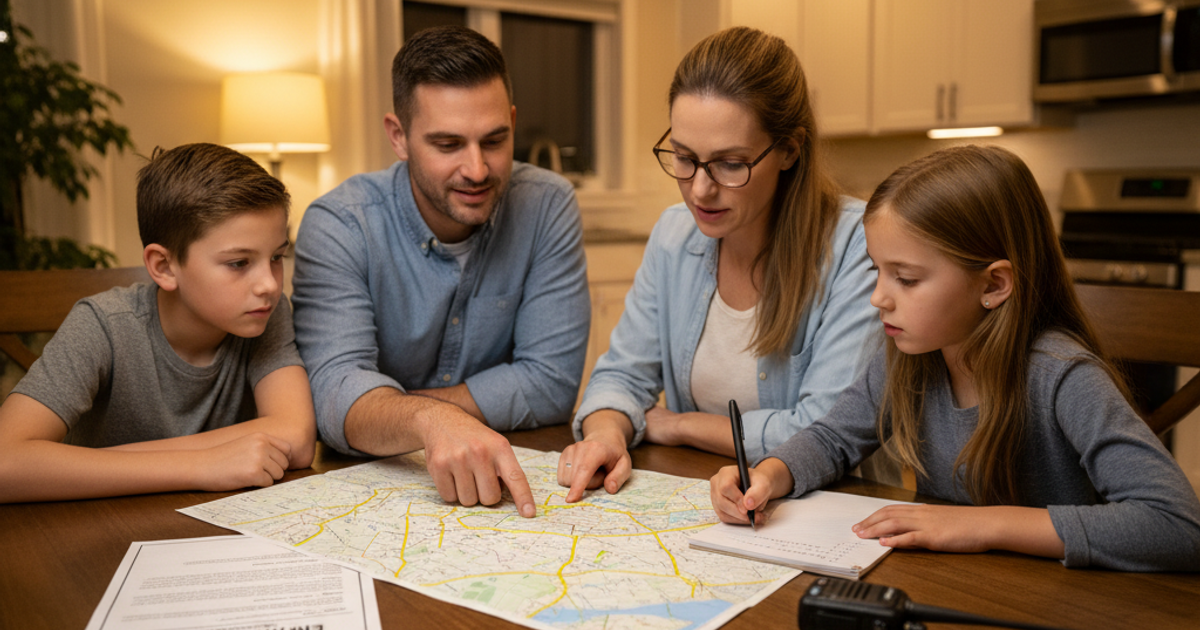
According to FEMA, nearly 60% of Americans have not practiced or discussed a household emergency plan with their families. That statistic should concern every prepper, parent, and responsible adult — because when disaster strikes, confusion kills. Whether you're sheltering in a city apartment, a suburban home, or a rural homestead, having a documented, practiced family emergency plan is the single most important act of emergency preparedness you can complete today.
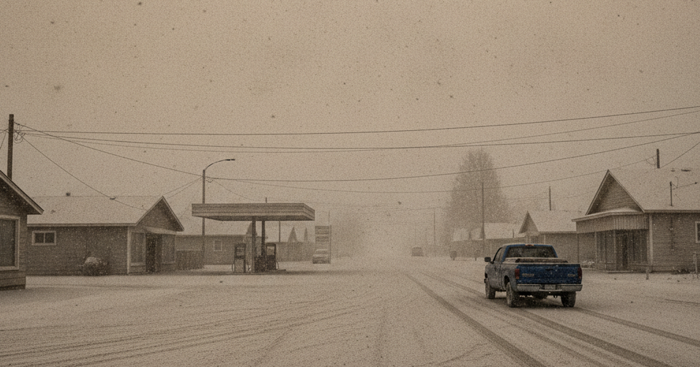
This isn't about fear. It's about giving your family a fighting chance when things go sideways — and they will, eventually. Power outages, wildfires, flooding, civil unrest, chemical spills, or grid-down scenarios don't schedule appointments. Your plan needs to be in place before the crisis, not during it.
Why Most Families Fail During a Disaster — And How to Fix It
The biggest vulnerability in any household isn't a lack of survival gear — it's a lack of coordination. When panic sets in, people revert to instinct. Without a plan, that instinct is often paralysis, bad decisions, or family members scattered across the city making uncoordinated choices.
A well-designed family emergency plan eliminates ambiguity. Everyone knows their role. Everyone knows the rally points. Everyone knows what to grab and when to go. That clarity is what separates a family that survives intact from one that doesn't.
Start by picking up a copy of the American Red Cross Emergency Preparedness Guide — it's one of the most accessible and thorough resources available for households of any size, from urban apartments to rural properties. Use it as a foundation and build your family-specific plan on top of it.
How to Build a Family Communication Plan That Works When Cell Towers Are Down
Modern families are rarely all in the same place. Kids are at school. Parents are at work. Teenagers are across town. Your communication plan has to account for a scenario where cell networks are overloaded, down, or deliberately shut off.
Here's how to build a resilient communication structure:
- Designate an out-of-state contact. During regional disasters, local lines are jammed but long-distance calls often go through. Assign one family member outside your area as the central contact point everyone checks in with.
- Establish two meeting locations. One near your home (a neighbor's house, a corner store) for localized emergencies. One farther away (a relative's home, a church) for events that force evacuation from your neighborhood entirely.
- Use written contact cards. Don't rely on phone memory. The Quorum Emergency Contact Card wallet cards are a practical, low-cost solution that puts critical numbers in every family member's pocket — including children. When digital fails, paper works.
- Consider off-grid communication alternatives. Two-way radios (FRS/GMRS) provide local family communication without infrastructure. For longer-range capability, explore our guide on Off-Grid Communication: Building a Reliable Network When the Internet Goes Down.
Teach every family member, including children old enough to understand, the out-of-state contact number by heart. Make it a drill, not just a discussion.
Assigning Emergency Roles to Every Household Member
A family without assigned roles becomes a crowd under stress. Role assignment turns that crowd into a team. Even young children can carry meaningful responsibilities that make them feel empowered rather than helpless.
Consider these role assignments based on household structure:
- Primary adult: Leads decision-making, monitors emergency radio, initiates bug-out or shelter-in-place call
- Secondary adult or older teen: Manages the bug out bag staging, loads the vehicle, accounts for pets
- School-age children (8–12): Responsible for their own backpack kit, knows the family rally point and out-of-state number
- Younger children (4–7): Assigned a "buddy" — an older sibling or adult — and drilled on their home address and parent's name
- Elderly or mobility-limited members: Have an explicit, practiced plan for their evacuation that doesn't assume they can self-rescue
Document these roles. Post them somewhere accessible. The ICE72 Family Emergency Binder Kit is an excellent tool for organizing roles, contacts, medical information, insurance documents, and meeting locations in a single waterproof binder. Every household should have one — and it should be the first thing you grab on the way out the door.
Building Your Household Survival Kit: Urban, Suburban, and Rural Considerations
A survival kit is not optional — it's the physical backbone of your emergency plan. FEMA recommends a minimum of 72 hours of supplies per person, but serious preppers plan for two weeks minimum and ideally 30 days or more for shelter-in-place scenarios.
For families in urban survival situations — apartments, condos, or dense city neighborhoods — storage space is limited. Prioritize compact, multi-use gear. For suburban and rural households, you have more flexibility but also more to lose if you're not organized.
A solid household kit should include:
- Water: 1 gallon per person per day minimum. Include water purification tablets and a quality filter for extended scenarios. See our complete resource on Emergency Water Storage: How Much You Actually Need and How to Store It Safely.
- Emergency food storage: Calorie-dense, long-shelf-life foods — freeze-dried meals, canned goods, energy bars
- First aid kit with prescription medications (30-day minimum supply)
- Flashlights, batteries, and hand-crank or solar chargers
- Copies of critical documents (IDs, insurance, prescriptions, bank account info)
- Cash in small denominations
- Work gloves, dust masks, emergency mylar blankets
The Ready America 70385 Emergency Kit for Families is a well-regarded all-in-one option that covers the basics for a four-person household. It's a smart starting point that you can build on with additional supplies tailored to your region and risk profile. For a more in-depth breakdown of what belongs in your bag, consult our Complete 72-Hour Bug Out Bag Checklist for Urban Survival.
How to Teach Children Survival Readiness Without Causing Fear
One of the most common mistakes parents make in emergency preparedness is either over-explaining (causing anxiety) or under-explaining (leaving kids helpless). The goal is competence, not fear.
Frame preparedness as a family skill — the same way you'd teach a kid to swim or change a tire. Use these approaches:
- Run drills, not lectures. Practice your evacuation plan twice a year. Make it a timed game. Kids retain physical practice far better than verbal instruction.
- Teach home address and emergency numbers early. Children as young as four can memorize a home address and one emergency contact number with repetition.
- Give them a job. Children with assigned roles feel capable, not terrified. A 10-year-old who knows they're responsible for the family dog and their own backpack is an asset, not a liability.
- Use age-appropriate scenarios. For younger children, focus on fire drills and "where to meet mommy/daddy." For older kids and teens, expand to weather events, power outages, and communication plans.
- Normalize situational awareness. Teach kids to identify exits in buildings, note where adults are, and trust their instincts if something feels wrong. This is foundational situational awareness that serves them for life.
Evacuation vs. Shelter-in-Place: How to Make the Right Call
One of the hardest decisions in a SHTF scenario is whether to bug out or stay put. The answer depends on the threat, your location, and your household's capabilities. There is no universal right answer — which is exactly why you need to think through it before the emergency, not during.
Stay put (shelter in place) when:
- The threat is localized (a nearby chemical spill, civil unrest on the other side of the city)
- Roads are gridlocked or dangerous
- Your home is more defensible and resourced than anywhere you could reach
- You have elderly, injured, or very young family members who cannot travel
Bug out when:
- Your home is directly threatened (wildfire, flooding, structural damage)
- Authorities have issued a mandatory evacuation
- Staying puts you in more danger than the road
- You have a pre-established, well-resourced destination to go to
Practicing grey man principles during evacuation — blending in, not drawing attention to your supplies or group — reduces your risk exposure significantly in high-stress urban environments. For a deeper look at this concept, our article on Top 10 Tips for Using Gray Man Methodology in a Societal Breakdown is essential reading.
Weather Monitoring and Early Warning: Don't Be the Last to Know
The difference between an emergency and a managed situation is often just a few hours of warning. A dedicated weather alert radio is one of the most underrated tools in any household's emergency preparedness setup.
The Midland WR120 Weather Alert Radio receives NOAA broadcasts and can wake you from a dead sleep with a loud alarm when severe weather is approaching your specific county. For families in tornado corridors, hurricane zones, flood-prone areas, or wildfire regions, this device can be the difference between having 45 minutes to act and having zero. It requires no internet, no cell service, and no subscription — just batteries and a plug.
Recommended Gear for Family Emergency Planning
Building a complete household preparedness system doesn't have to be overwhelming or expensive if you approach it systematically. Start with the fundamentals: a family emergency binder, written contact cards in every wallet and backpack, a weather alert radio on the nightstand, and a baseline emergency kit staged near your exit. Layer in your bug out bags, expanded food and water storage, and communication redundancies over time.
For broader prepper gear recommendations beyond family planning essentials, browse our curated Recommended Survival Gear & Equipment page for vetted options across every category.
What You'll Need
- Notebook or digital document for planning
- Contact list of family members, neighbors, and emergency services
- Local maps and evacuation route information
- Emergency supply checklist
- Waterproof container for important documents
- First aid kit and emergency supplies
- Battery-powered or hand-crank radio
Step-by-Step Instructions
Step 1: Identify Potential Disasters in Your Area
Research the natural and man-made disasters most likely to affect your region, such as earthquakes, floods, hurricanes, tornadoes, or wildfires. Contact your local emergency management office to understand specific risks and historical patterns in your community. Create a list of these threats and rank them by likelihood and potential impact. Understanding what you're preparing for will help you tailor your emergency plan to address the most relevant scenarios.
Step 2: Establish Communication Protocols
Designate an out-of-state contact person who can serve as a central communication hub if local phone lines are overwhelmed. Ensure every family member has this contact's phone number memorized and stored in their phones. Create a list of all family members' cell phone numbers, work numbers, and school contacts, and distribute copies to everyone. Program ICE (In Case of Emergency) contacts into all mobile devices and teach children how to use them.
Step 3: Create Multiple Meeting Points
Choose three specific meeting locations: one right outside your home for sudden emergencies like fires, one in your neighborhood such as a library or community center, and one outside your immediate area in case you cannot return home. Make sure every family member knows the exact addresses and how to reach each location by multiple routes. Practice traveling to these meeting points so everyone is familiar with the routes, especially children who may need to navigate during stressful situations.
Step 4: Develop Evacuation Plans and Routes
Map out at least two evacuation routes from your home, workplace, and children's schools for each type of disaster you identified. Consider different scenarios that might block certain roads or require alternative transportation methods. Practice these routes with your family during different times of day and weather conditions. Keep paper maps in your vehicles and emergency kits since GPS and mobile data may be unavailable during disasters.
Step 5: Assemble Emergency Supply Kits
Build a comprehensive emergency kit for your home with at least three days' worth of water (one gallon per person per day), non-perishable food, medications, and essential supplies. Create smaller go-bags for each family member that can be grabbed quickly during evacuations, containing basics like water, snacks, flashlights, and copies of important documents. Store additional supplies in your vehicles and ensure elderly family members or those with special needs have appropriate medications and medical equipment readily accessible.
Step 6: Document Important Information
Gather copies of critical documents including identification, insurance policies, medical records, bank account information, and property deeds in a waterproof, fireproof container. Take photos or videos of your home's contents and valuable possessions for insurance purposes. Create a digital backup of all documents stored securely in the cloud or on an encrypted external drive kept in a separate location. Update this information annually or whenever significant changes occur.
Step 7: Practice and Update Your Plan Regularly
Conduct emergency drills with your household at least twice a year, simulating different disaster scenarios and practicing your communication protocols and evacuation routes. Review and update your plan annually to account for changes in family circumstances, new phone numbers, moved locations, or updated risks. Hold family meetings to discuss what worked well during drills and what needs improvement, ensuring everyone remains familiar and comfortable with the procedures.
Frequently Asked Questions
What should every family have in their emergency preparedness kit?
At minimum, a family emergency kit should include 72 hours of food and water per person (one gallon of water per person per day), a first aid kit, flashlights with extra batteries, a battery-powered or hand-crank weather radio, copies of critical documents, cash in small bills, a change of clothes per person, and any required medications. Families with infants, elderly members, or pets need to account for those specific needs as well. A pre-assembled option like the Ready America 70385 family kit covers the core basics and is a solid starting point before you begin customizing for your household's specific risks.
How do I make a family emergency plan if we live in an apartment?
Apartment preppers face unique challenges: limited storage, no yard, shared exits, and higher population density. Focus on vertical storage solutions for food and water, compact bug out bags for each family member, and a clear understanding of your building's evacuation routes (know at least two). Establish a meeting point outside the building and a secondary meeting location at least a mile away. Keep your bug out bags staged near the door and ensure every family member has emergency contact cards in their wallet or backpack. Urban-specific planning also means thinking about shelter-in-place protocols since leaving a city during a major disaster can be more dangerous than staying put.
How often should we practice our family emergency plan?
Most emergency management professionals recommend practicing your plan at least twice per year — typically in spring before severe weather season and in fall before winter storms. Each drill should cover evacuation routes, meeting locations, communication procedures, and individual role assignments. After each drill, debrief as a family: what went smoothly, what needs adjustment. Children benefit enormously from repeated physical practice, and adults often discover gaps in their plan during drills that they never would have anticipated on paper. Treat it like a fire drill — brief, purposeful, and non-negotiable.
Affiliate Disclosure: SHTF Plan participates in the Amazon Services LLC Associates Program. Some links are affiliate links — we may earn a small commission at no extra cost to you.