Medicinal Herbs You Can Grow at Home for Long-Term Survival
When pharmacies close and supply chains break down, your garden could become your medicine cabinet. Here's how to grow and use the most critical healing herbs.
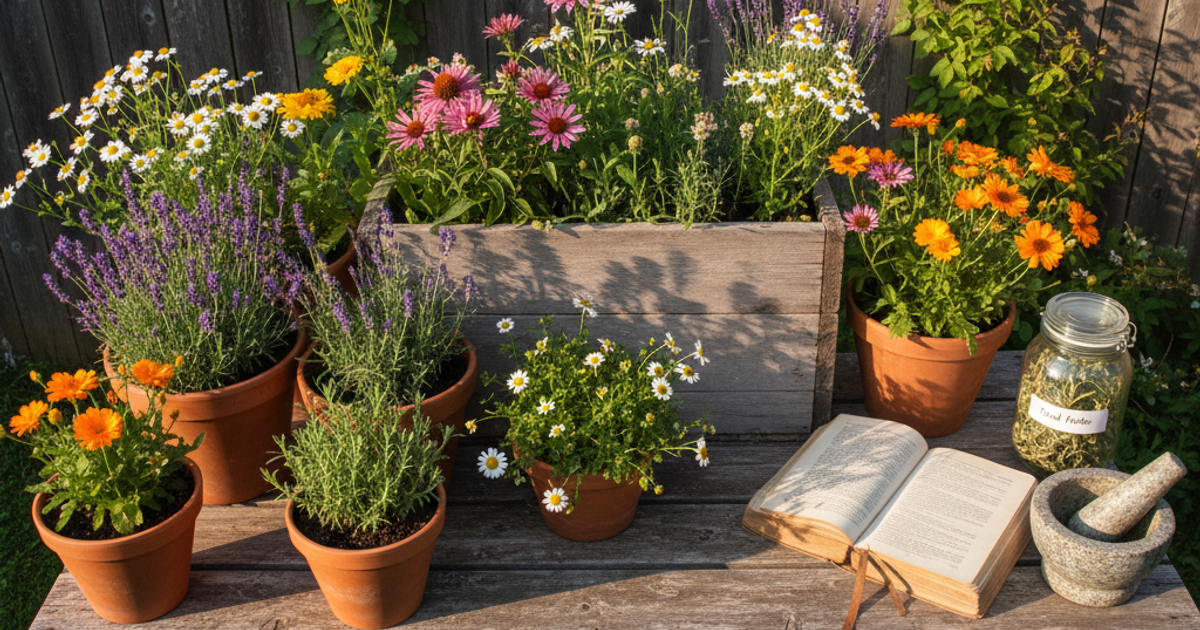
Why Medicinal Herbs Belong in Every Survival Plan
When the grid goes down, supply chains collapse, or civil unrest cuts off access to hospitals and pharmacies, your medicine cabinet will run out faster than you expect. Antibiotics expire. Pain relievers get depleted. And without resupply, even a manageable infection or a bout of severe anxiety can become a life-threatening crisis.
This is why serious preppers don't just stockpile pills — they grow their own medicine. Medicinal herbs have sustained human health for thousands of years, and modern research is increasingly validating what traditional healers have always known. According to the World Health Organization, approximately 80% of the world's population still relies on herbal medicine as a primary healthcare resource. That's not superstition — that's a global survival strategy.
Growing a medicinal herb garden gives you a renewable, sustainable pharmacy that you control entirely. Here's how to build one and use it effectively.
The Essential Survival Herb List
Not every herb deserves space in a survival garden. Focus on plants with well-documented medicinal properties, ease of cultivation, and broad-spectrum usefulness. The following selections cover the most critical areas of survival healthcare: infection, pain, digestion, stress, and wound care.
Echinacea (Echinacea purpurea)
One of the most researched immune-boosting herbs in the world, echinacea has been shown in multiple clinical trials to reduce the duration and severity of upper respiratory infections. A 2015 meta-analysis published in Evidence-Based Complementary and Alternative Medicine found that echinacea preparations significantly reduced the risk of recurrent respiratory infections. In a survival scenario, keeping your immune system strong is your first line of defense. Echinacea is a hardy perennial that thrives in most temperate climates with minimal care.
Calendula (Calendula officinalis)
Often called the "first aid plant," calendula has potent anti-inflammatory, antifungal, and wound-healing properties. Studies have shown that calendula extract accelerates wound closure and reduces infection risk when applied topically. In a long-term survival situation, where any cut or abrasion can become a serious problem, calendula-infused oil or salve is a critical resource. It grows readily from seed and blooms prolifically throughout the growing season.
Valerian (Valeriana officinalis)
Stress and sleep deprivation will degrade your decision-making and immune function faster than almost anything else in a crisis. Valerian root is one of the most effective natural sedatives known, with research supporting its use for insomnia and anxiety reduction. It prefers moist, rich soil and partial shade — ideal for garden corners that receive limited sunlight.
Yarrow (Achillea millefolium)
Named after Achilles, who allegedly used it to treat his soldiers' wounds, yarrow is a powerful hemostatic herb — meaning it helps stop bleeding. It also has antimicrobial and anti-inflammatory properties. Yarrow tea can help break a fever by promoting sweating, and the crushed leaves can be applied directly to wounds in the field. It's drought-tolerant, spreads aggressively, and requires almost no maintenance.
Peppermint (Mentha piperita)
Don't underestimate this common herb. Peppermint contains menthol, which has demonstrated analgesic, antispasmodic, and antimicrobial effects. It's particularly effective for digestive crises — nausea, cramping, and diarrhea — which are major threats during disasters when food safety is compromised. Peppermint is extremely easy to grow but spreads aggressively; plant it in containers to keep it under control.
Elderberry (Sambucus nigra)
Elderberry syrup has moved from folk remedy to mainstream acknowledgment. A 2016 randomized controlled trial found that elderberry supplementation significantly reduced the duration and severity of colds in air travelers. Rich in antioxidants and anthocyanins, elderberry supports immune response and has antiviral properties. The plant is a fast-growing shrub that produces abundant berry clusters — a significant medicinal yield from a single planting.
Lavender (Lavandula angustifolia)
Lavender's essential oil is one of the few botanical compounds with well-documented antimicrobial activity against a wide range of pathogens, including Staphylococcus aureus. Beyond infection control, lavender's anxiolytic properties are clinically supported — critical for managing the psychological toll of long-term crisis scenarios. It's drought-tolerant, deer-resistant, and thrives in sunny, well-drained locations.
Getting Started: Seeds, Soil, and Setup
Building a medicinal herb garden doesn't require much space or expertise, but it does require the right foundation. Start with quality seeds from a trusted source. The Medicinal Herb Seeds Variety Pack is specifically curated for preppers and includes heirloom, open-pollinated varieties — meaning you can harvest seeds each year and never need to buy again.
For starting seedlings indoors before the last frost, use a quality growing medium. Back to The Roots Organic Seed Starting gives seedlings the ideal nutrient balance and eliminates transplant shock. Most medicinal herbs prefer well-drained, slightly alkaline soil with full to partial sun exposure.
Key growing tips:
- Avoid synthetic fertilizers — they reduce the concentration of medicinal compounds in many herbs
- Harvest in the morning after dew has dried but before the heat of the day depletes volatile oils
- Dry herbs properly in small bundles hung upside down in a warm, dark, ventilated space
- Label everything — misidentification of plants is dangerous
- Grow multiples of your most critical herbs so you always have a reserve
Processing and Preserving Your Harvest
Growing herbs is only half the equation. Knowing how to process and preserve them extends their usefulness dramatically.
Tinctures
Tinctures are alcohol-based herbal extracts with a shelf life of 3–5 years — far longer than dried herbs. They're concentrated, portable, and easy to dose. To make a tincture, pack a glass jar with dried herb material, cover completely with 80-proof vodka or food-grade glycerin for alcohol-free versions, seal tightly, and let steep for 4–6 weeks, shaking daily. The Tincture Making Kit includes everything you need to start making professional-quality tinctures at home.
Teas and Infusions
The simplest preparation method — steep 1–2 teaspoons of dried herb in 8 ounces of boiling water for 10–15 minutes, covered. This works well for peppermint, calendula, and lavender. Store dried herbs in sealed glass containers away from light and heat. If you're looking to build your supply before your garden is fully productive, the Frontier Co-op Organic Dried Herbs provides a high-quality starting inventory to bridge the gap.
Salves and Oils
Infuse dried herbs in a carrier oil (olive or coconut work well) using a slow cooker on the lowest setting for 4–8 hours. Strain through cheesecloth and store in dark glass containers. For grinding and blending dried herbs into powders or poultices, a mortar and pestle is indispensable. The Mortar and Pestle Set handles grinding — exactly what you need for a streamlined apothecary setup.
Build Your Knowledge Base Now
Tools and plants are useless without knowledge. You must learn proper identification, preparation, dosing, and contraindications before you need them — not during a crisis. One of the most comprehensive and practical resources available is The Herbal Apothecary by JJ Pursell, written by a licensed naturopathic physician. It covers 100 medicinal herbs with clear guidance on preparation methods, therapeutic uses, and safety considerations — essential reading for any serious prepper building a home healthcare system.
Important safety reminders:
- Some medicinal herbs interact with pharmaceutical medications — research interactions before use
- Pregnant women, nursing mothers, and young children require adjusted dosing or avoidance of certain herbs
- Always positively identify a plant before consuming or applying it
- Herbal medicine supports health — it is not a guaranteed replacement for emergency medical care when available
Start Before You Need It
A medicinal herb garden takes time to establish. Perennials like echinacea and valerian don't reach full productive maturity until their second or third year. The time to plant is now, while conditions are stable and you have the luxury of learning through trial and error. Every season you delay is a season your garden could have been producing medicine for your family.
The preppers who will fare best in a long-term grid-down or societal collapse scenario are those who have invested in renewable, sustainable systems — and a well-planned medicinal herb garden is one of the most valuable investments you can make. It costs almost nothing to maintain, produces year after year, and could save your life when the pharmacy shelves are empty and the hospitals are closed.
Plant your medicine. Learn your medicine. Use your medicine.
Choose herbs that thrive in your hardiness zone and serve multiple medicinal purposes. Prioritize versatile plants like echinacea for immune support, peppermint for digestive issues, chamomile for relaxation and inflammation, lavender for anxiety and wound care, and calendula for skin healing. Research each plant's water, sunlight, and temperature requirements to ensure successful cultivation. Start with 5-7 core herbs that address common ailments before expanding your medicinal garden. Choose a location that receives at least 6-8 hours of sunlight daily for most medicinal herbs. Ensure the soil drains well by mixing in compost and sand if necessary, as waterlogged roots lead to fungal diseases and plant death. If using containers, drill drainage holes in the bottom and add a layer of gravel before filling with soil. Test your soil pH and aim for 6.0-7.0 for most medicinal herbs, amending with lime or sulfur as needed. Start seeds indoors 6-8 weeks before your last frost date, or purchase established transplants from reputable nurseries. Plant seedlings after all danger of frost has passed, spacing them according to their mature size to prevent overcrowding and disease. Water immediately after planting and apply a thin layer of mulch to retain moisture and suppress weeds. Label each plant clearly with its name and planting date for future reference. Water your medicinal herbs deeply but infrequently, allowing the top inch of soil to dry between waterings to encourage strong root development. Most herbs prefer slightly dry conditions rather than constant moisture, which can dilute their medicinal compounds. Feed plants with organic compost tea or fish emulsion every 3-4 weeks during the growing season. Avoid over-fertilizing, as this produces lush foliage with reduced medicinal potency. Collect leaves in the morning after dew has dried but before the heat of the day, when essential oils are most concentrated. Harvest flowers just as they fully open, and dig roots in fall after the plant has gone dormant. Never harvest more than one-third of the plant at a time to ensure continued growth and survival. Use clean, sharp scissors or pruning shears to make clean cuts that prevent disease entry. Hang harvested herbs in small bundles in a dark, well-ventilated area away from direct sunlight to preserve medicinal compounds. Alternatively, use a dehydrator set to 95-115°F for faster drying while maintaining potency. Herbs are fully dried when leaves crumble easily and stems snap rather than bend, typically taking 1-2 weeks. Store dried herbs in airtight glass jars away from heat and light, labeling with the herb name and harvest date. Save seeds from mature plants at the end of the growing season, storing them in cool, dry conditions for next year's planting. Take stem cuttings from perennial herbs like rosemary, sage, and lavender in early summer, rooting them in water or moist soil. Divide established perennial herbs every 2-3 years in spring or fall to create new plants and maintain vigor. This ensures you'll never run out of medicinal herbs even in long-term survival situations without access to commercial suppliers.What You'll Need
Step-by-Step Instructions
Step 1: Select Essential Medicinal Herbs for Your Climate
Step 2: Prepare Your Growing Area with Proper Drainage
Step 3: Plant Seeds or Transplants at Optimal Times
Step 4: Maintain Consistent Watering and Nutrient Schedules
Step 5: Harvest Herbs at Peak Potency
Step 6: Dry and Store Herbs for Long-Term Preservation
Step 7: Propagate Plants for Continuous Supply