Sleeping Bags, Pads, and Bivvies: How to Build a Survival Sleep System That Keeps You Alive in Any Weather
Exhaustion kills as surely as cold. Here's how to choose sleeping bags, pads, and bivvy shelters that keep you warm, dry, and rested whether you're bugging out on foot or riding out a blackout at home.
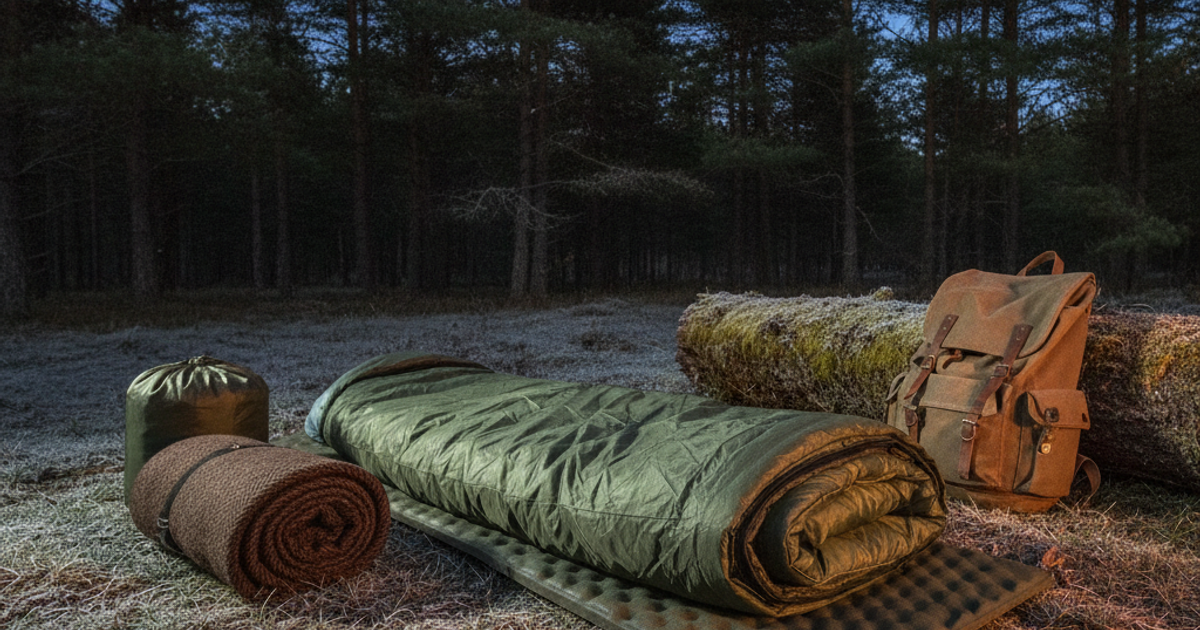
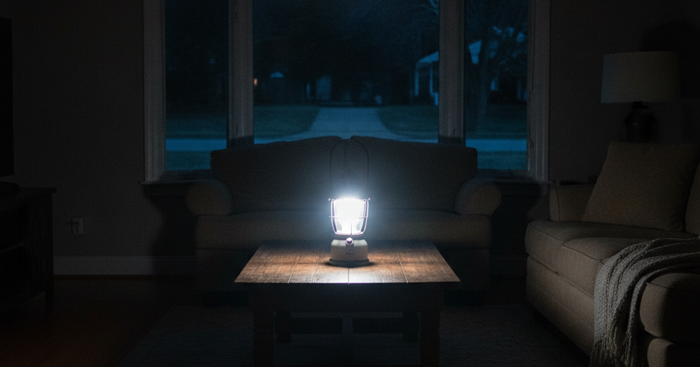
Hypothermia doesn't need a blizzard. The CDC records roughly 1,300 hypothermia-related deaths in the United States every year, and a significant share occur at temperatures well above freezing — in the 30 to 50 degree range, indoors and out. During the February 2021 Texas grid failure, dozens of deaths were attributed to cold exposure inside homes and vehicles, not in the wilderness. People died in their living rooms because they had furniture, but no sleep system.
That's the gap most preppers never close. You can have a year of emergency food storage, a shelf of water filters, and a rifle safe full of hardware, and still lose a family member to a 40-degree night in an unheated apartment. Sleep is not optional. A rested body regulates temperature, makes decisions, and fights infection. A sleep-deprived, chilled body does none of those things. Your survival sleep system — bag, pad, bivvy, liner, and blanket — is life-support equipment, and it belongs in your bug out bag, your vehicle, and your home closet.
What You'll Need
Tools
- Compression sack or dry bag
- Digital thermometer (to verify actual shelter temperatures)
- Gear repair kit with needle, thread, and tenacious tape
Supplies
- Synthetic-fill sleeping bag
- Closed-cell foam sleeping pad
- Breathable emergency bivvy sack
- Fleece or silk sleeping bag liner
- Wool blanket (80% wool minimum)
- Wool socks and a knit watch cap dedicated to sleeping
How Sleeping Bag Temperature Ratings Actually Work
The number on the tag is not a promise. Most reputable bags are tested to the EN 13537 / ISO 23537 standard, which produces two numbers: a comfort rating (the temperature at which a "standard woman" sleeps comfortably) and a lower limit (where a "standard man" can sleep curled up without hypothermia). Manufacturers usually advertise the lower limit. Translation: a "20-degree bag" is a survival-at-20 bag, not a comfortable-at-20 bag. Plan for the comfort rating, which typically runs 10 to 15 degrees warmer.
Buy a bag rated at least 10 degrees colder than the worst night you realistically expect. For most of the continental U.S., a 20°F bag covers three seasons. Northern-tier preppers should own a 0°F or lower bag.
Down vs. Synthetic: Which Is Better for a Bug Out Bag?
Down offers superior warmth-to-weight — roughly 2 to 3 times the insulation per ounce — and packs down small. Its fatal flaw is moisture: wet down loses nearly all loft and insulating value, and takes days to dry. Synthetic fill retains an estimated 50 to 70 percent of its insulating value when damp and dries fast, but weighs more and bulks larger.
For a vehicle kit or home blackout stash where weight doesn't matter, synthetic wins on durability and cost. The Teton Sports Celsius Regular is a heavy, warm, budget-friendly synthetic bag that lives happily in a trunk or a hall closet and shrugs off condensation. For a foot-mobile bug out bag where every ounce counts, the Kelty Cosmic 20 down bag delivers real 20-degree performance at a fraction of the packed volume — just keep it in a dry bag. For genuinely brutal cold or extended winter field use, the Snugpak Sleeper Extreme is a military-lineage synthetic system built for sub-freezing nights.
Why Sleeping Pad R-Value Matters More Than Your Bag
Here's the part most people get wrong. Your body weight crushes the insulation underneath you, and compressed fill has almost no loft — meaning almost no warmth. The ground then draws heat out of you by conduction, which moves heat roughly 25 times faster than still air. You can freeze in a 0-degree bag lying on bare concrete or a truck bed.
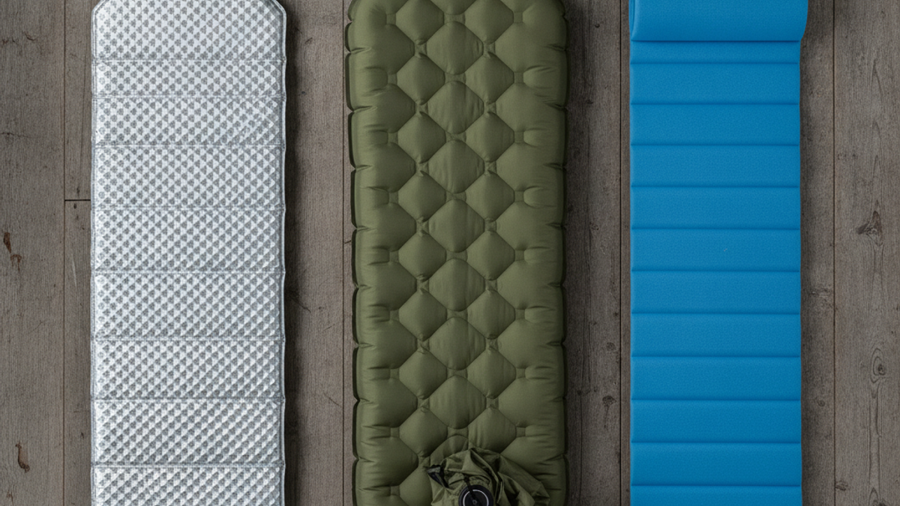
The fix is a pad with adequate R-value, the standardized measure (ASTM F3340) of resistance to heat flow. Higher is warmer, and R-values are additive — stack two pads and you sum the numbers.
- R-1 to R-2: Summer only, above roughly 50°F
- R-2 to R-4: Three-season use, down to about freezing
- R-4 to R-6: Cold weather, comfortable below freezing
- R-6+: Winter, snow, and frozen ground
The Therm-a-Rest NeoAir XLite hits roughly R-4.5 at around 13 ounces and packs to the size of a water bottle — ideal for a walking evacuation. Its weakness is puncture risk, which is why serious kits also carry a Therm-a-Rest Z Lite Sol closed-cell foam pad. Foam can't fail, doubles as a sit pad and splint material, and stacks under an inflatable for winter. For vehicles and apartments, the Klymit Static V Insulated offers a wide, comfortable platform at a reasonable price — good for sleeping on a bare apartment floor during a winter blackout.
Bivvy Sacks, Liners, and Wool: The Force Multipliers
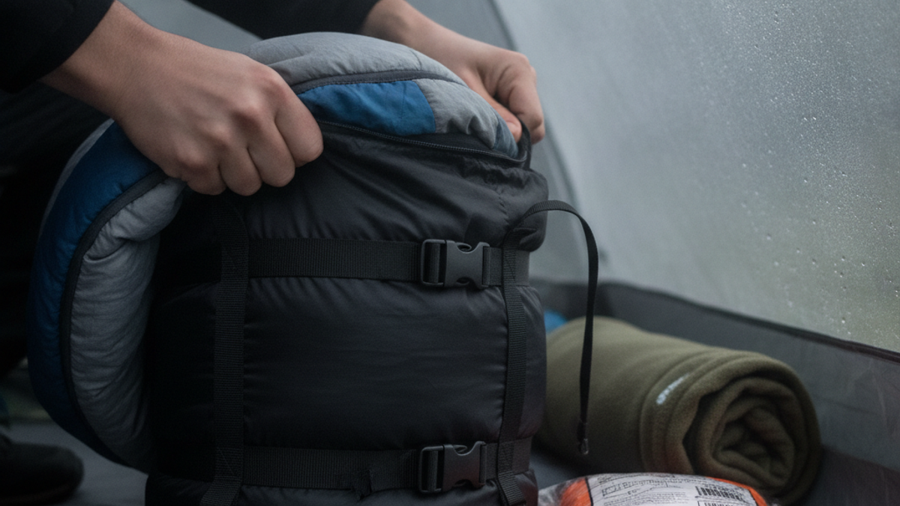
A bivvy sack is a waterproof, breathable shell around your bag. It blocks wind and rain, and typically adds 5 to 10 degrees of warmth. The SOL Escape Bivvy weighs about 8 ounces, reflects roughly 70 percent of radiated body heat, and — unlike a cheap mylar sheet — breathes, so you don't wake up soaked in your own condensation. It belongs in every get-home bag and glovebox. For serious field use, the Snugpak Special Forces Bivvi Bag is a full waterproof-breathable shelter that lets you skip a tent entirely.
Liners add 5 to 15 degrees depending on material, keep body oils out of your bag, and can be used alone in summer. Wool blankets are the underrated workhorse: wool insulates when wet, resists flame, and costs a fraction of a technical bag. Two wool blankets and a foam pad will get an apartment dweller through a multi-day winter blackout without a furnace.
Step-by-Step Instructions
Step 1: Determine your worst realistic overnight temperature
Look up the record low for your region and subtract 10 degrees for margin. Then check your indoor scenario: an uninsulated apartment can drop to within 10 degrees of outside air in 48 hours without heat. That number, not the average winter low, sets your gear requirement.
Step 2: Select a sleeping bag rated below that number
Buy based on the comfort rating, not the advertised lower limit. Choose synthetic for wet climates, vehicles, and home storage; choose down for weight-critical foot travel. Mummy shapes are 15 to 20 percent more thermally efficient than rectangular bags.
Step 3: Match your pad's R-value to the season
Buy a minimum R-4 pad for year-round use, or stack a foam pad under an inflatable for winter. Never sleep directly on concrete, tile, steel, or bare earth — always get insulation between your body and the ground.
Step 4: Add a bivvy, liner, and wool layer
These modular pieces let one bag cover a 40-degree temperature spread. Store the bivvy in your everyday bag so you're never more than a few ounces away from a survivable night, even during an unplanned vehicle sheltering situation.
Step 5: Test the full system before you need it
Sleep one night on your balcony, in your garage, or in your vehicle during the coldest week of the year. You will discover gear failures — a cold spot, a leaking pad valve, a drawcord you can't find in the dark — while a warm bed is 30 feet away instead of 30 miles.
Step 6: Store bags uncompressed and pads unrolled
Long-term compression permanently destroys loft in both down and synthetic fill. Store bags hanging in a closet or in the oversized mesh sack they shipped with. Only compress when packing to move.
Step 7: Stage duplicate systems in three locations
One in the home for blackouts, one in each vehicle, and one in the bug out bag. A sleep system 20 miles away when the roads close is worth nothing.
Sleeping Warm: Techniques That Cost Nothing
- Eat a fatty snack before bed — digestion generates measurable metabolic heat for hours.
- Urinate before sleeping. Your body spends energy keeping a full bladder at 98.6°F.
- Wear a dry base layer, wool socks, and a hat. Up to 10 percent of heat loss occurs through an uncovered head.
- Fill a hard-sided bottle with hot water and put it between your thighs, near the femoral arteries.
- Never breathe into the bag — exhaled moisture will saturate the insulation overnight.
- Shrink your sleeping space. In an apartment, close off one small interior room and sleep there rather than in a large open area.
Pair your sleep system with a solid cold weather layering system and you have redundant hypothermia protection whether you're bugging in, sheltering roadside, or moving on foot.
Recommended Gear
Build in tiers. Start with a foam pad and a synthetic bag for home use, add a lightweight bivvy for your everyday carry, then upgrade to an insulated inflatable pad and a packable down bag for your bug out bag. Browse more vetted equipment on our recommended survival gear page.
Frequently Asked Questions
What sleeping bag temperature rating do I need for a bug out bag?
For most of the United States, a 20°F synthetic or down bag paired with a liner and bivvy covers spring through fall and survivable winter nights. In northern states, step down to a 0°F bag. Remember that advertised ratings are survival limits — add 10 to 15 degrees to find your actual comfort temperature.
Can I use a sleeping pad instead of a mattress during a power outage?
Yes, and in a cold blackout it's often better. Beds are large and hard to keep warm, while a pad plus bag in a small closed room concentrates your body heat efficiently. An R-4 or higher pad on a hardwood or tile floor prevents the conductive heat loss that makes floor sleeping dangerous.
Is a bivvy sack enough on its own in cold weather?
Only as an emergency measure. A reflective bivvy alone will keep you alive in mild conditions but is not a substitute for insulation below freezing. Use it as a shell over an insulated bag and always with a pad underneath.
Affiliate Disclosure: SHTFPlan.net participates in the Amazon Services LLC Associates Program. Some links are affiliate links — we may earn a small commission at no extra cost to you.