Silent Harvest: How to Hunt Small Game With Air Rifles and Archery When Ammo Runs Out
Centerfire ammo is loud, finite, and traceable. Air rifles and bows let you put meat on the table quietly, cheaply, and indefinitely when resupply is gone.
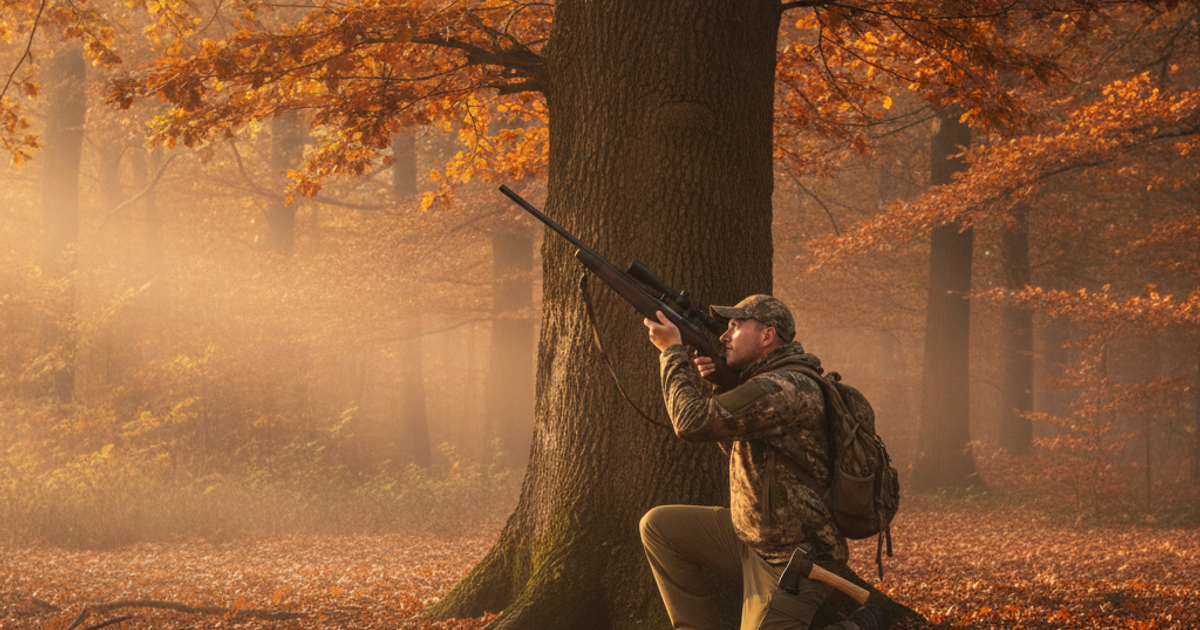
Ammunition is the one prep that burns up fastest and manufactures hardest. A .22 LR round costs pennies now, but in a prolonged grid-down or supply-chain collapse, every trigger pull is a resource you can't replace. Worse, a gunshot travels for miles — in a survival scenario where situational awareness and grey man discipline keep you alive, the sound of a rifle is a dinner bell for anyone within earshot. That's why serious preppers add a silent tier to their food procurement plan: air rifles, bows, and crossbows.
The numbers make the case. A modern .22-caliber air rifle delivers 20 to 35 foot-pounds of muzzle energy — more than enough for squirrels, rabbits, pigeons, and raccoons out to 40 yards. A tin of 500 pellets costs about $15 and weighs less than a pound. Compare that to 500 rounds of .22 LR, which weighs roughly 4 pounds, and you begin to see the logistical advantage. For the price of one case of centerfire ammo, you can stockpile 10,000 pellets — enough small game harvests to feed a family for years. And according to state wildlife agency estimates, eastern gray squirrel densities in mature hardwood and suburban tree cover often run 2 to 6 animals per acre, meaning even a modest urban greenbelt holds real protein.
What You'll Need
Tools
- Gamo Swarm Magnum .22 air rifle (break-barrel, no external power needed)
- Benjamin Marauder PCP air rifle for maximum quiet and accuracy
- Hatsan hand pump for PCP rifles — fuel-free air refills
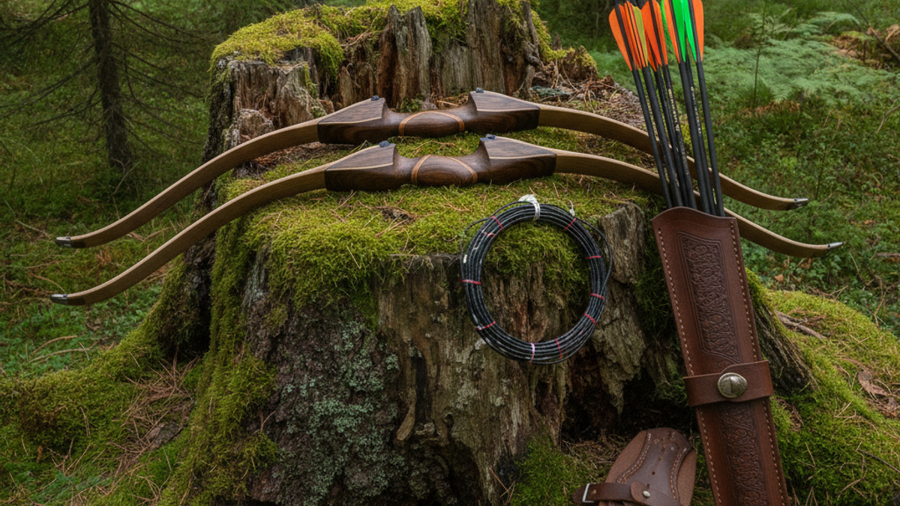
- SAS Rage recurve takedown bow for pack-portable archery
- Sharp small-game knife and game shears for field dressing
Supplies
- H&N Baracuda Hunter Extreme .22 pellets
- JSB Match Diabolo Exact hunting pellets
- Small-game arrow points (blunts, Judo points, and small broadheads)
- Spare bowstrings, string wax, and silicone chamber oil
- Game bags, nitrile gloves, and salt for preserving meat
Why Air Rifles Beat Firearms for Long-Term Small Game Hunting
A quality air rifle is the most sustainable meat-getter most preppers will ever own. There are three basic platforms, and each fits a different situation.
Break-Barrel Spring and Gas-Piston Rifles
These are self-contained: cock the barrel, load a pellet, fire. No compressor, no CO2 cartridges, no consumables beyond pellets and an occasional seal. The Gamo Swarm Magnum .22 adds a 10-round rotary magazine so you get quick follow-up shots — a real advantage when a squirrel bolts and reappears three limbs up. Break-barrels have a stiff cocking effort and a unique recoil pulse, so they demand a relaxed "artillery hold" to shoot accurately.
Pre-Charged Pneumatic (PCP) Rifles
PCPs are quieter, recoilless, and far more accurate. The Benjamin Marauder is a legendary backyard-quiet option, and the Umarex Gauntlet in .25 caliber pushes into raccoon and turkey-sized game with regulated shot-to-shot consistency. The tradeoff is air. Without a compressor, you need a Hatsan-style high-pressure hand pump, which fills a tank to 3,000 PSI with muscle alone. Buy the pump before SHTF and store spare O-ring kits — this is an off grid capability most people forget.
Choosing Pellets That Actually Kill
Pellet choice matters more than most shooters realize. Domed hunting pellets like JSB Match Diabolo Exact deliver superb accuracy and deep penetration for headshots. Heavier hollowpoints such as H&N Baracuda Hunter Extreme expand for faster kills on body shots. Every barrel has a preference — test at least three brands and then stockpile the one your rifle groups tightest, ideally in sealed containers with desiccant to prevent lead oxidation.
How to Choose a Bow or Crossbow for Survival Hunting
Archery covers what air rifles can't: deer-sized game and truly reusable ammunition. A carbon arrow with a Judo point can be shot hundreds of times. A compound bow like the Bear Archery Cruzer G2 adjusts from 5 to 70 pounds of draw and 12 to 30 inches of draw length, meaning one bow fits a teenager and a grown adult — an enormous advantage for a family or survival group sharing gear.
Traditional recurves trade some speed for simplicity. A takedown model like the SAS Rage recurve breaks into three pieces, fits inside or alongside a bug out bag, and has almost nothing to fail — no cams, cables, or press-required maintenance. If your survival kit philosophy prioritizes repairability, the recurve wins.
Crossbows split the difference: rifle-like aiming, high energy, and short learning curves, but they're bulky, slow to reload, and cocking ropes and strings wear out. Whatever you choose, buy three spare strings now. Strings are the failure point that no amount of prepper ingenuity fully replaces.
Urban and Suburban Realities: Legal, Safe, and Discreet
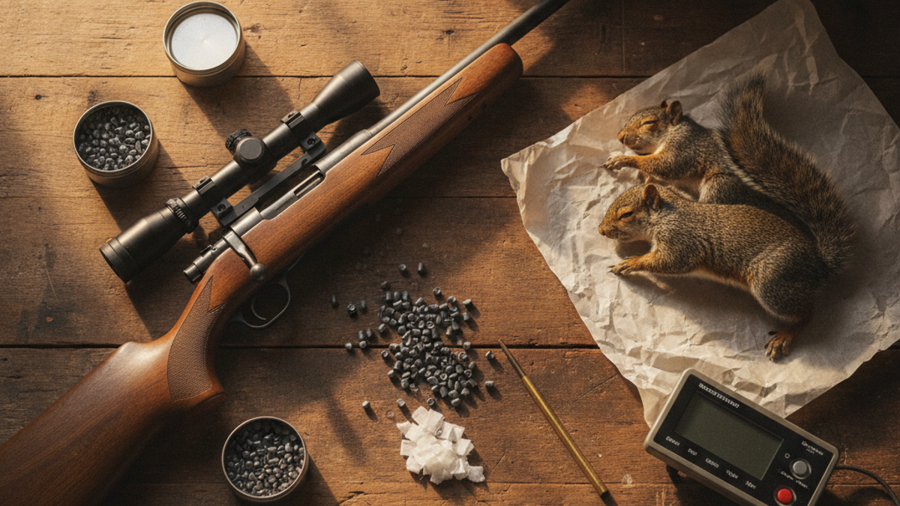
Air rifles are unregulated as firearms in most states, but many cities ban discharging any projectile weapon inside limits. Apartment dwellers should focus on skill-building now — a pellet trap and a basement or garage lane at 10 meters builds the trigger control that matters later. Suburban preppers with a fenced quarter-acre can legally shoot into a backstop in many jurisdictions; check your municipal code first.
Even in a genuine SHTF scenario, discretion rules. A hunter walking a suburban greenbelt with a slung bow announces "this person has food and gear." Break down takedown bows into a duffel. Use a soft, unbranded case for the air rifle. Hunt at first light when foot traffic is minimal, and pair your hunting with urban foraging for wild edibles so a single outing produces multiple returns. Pigeons, doves, squirrels, and rabbits all thrive in city parks, rail corridors, and drainage easements.
Step-by-Step Instructions
Step 1: Select the right platform for your environment
Apartment and suburban preppers should start with a .22 break-barrel or PCP air rifle — quiet, compact, and legal to own nearly everywhere. Rural preppers with larger game should add a compound bow or crossbow. Budget roughly $200–$400 for a serious air rifle and $250–$500 for a hunting-capable bow.
Step 2: Zero your rifle and tune your pellet choice
Set a 25-yard zero for .22 air rifles, which keeps you within an inch of point-of-aim from 15 to 35 yards. Shoot five-shot groups with at least three pellet types and record the results. Once you find the winner, buy 5,000 rounds of that exact lot.
Step 3: Build shot placement discipline at realistic ranges
Small game requires head or high-shoulder hits. Practice on 1-inch targets from field positions — kneeling, braced against a tree, seated — not just off a bench. Set a personal maximum range where you can keep five of five shots inside that circle, and never exceed it on live game.
Step 4: Scout your hunting ground and identify travel patterns
Walk your area now. Look for squirrel cuttings under nut trees, rabbit runs along fence lines and brush piles, and pigeon roosts under bridges and in barn rafters. Mark three to five productive spots on a paper map so you're not scouting under pressure.
Step 5: Hunt at dawn and dusk using stillness, not movement
Small game is most active in the first and last 90 minutes of daylight. Sit motionless with your back to a trunk for 20 minutes — activity resumes once animals forget you exist. Still-hunting beats walking; three steps, stop, scan.
Step 6: Recover, field dress, and cool the animal immediately
Gut small game within minutes of harvest to prevent spoilage, especially in warm weather. Wear gloves — tularemia is a real risk with rabbits and is contracted through skin contact. Get the carcass cooled fast; see our guide to choosing the right blade for field processing wild game.
Step 7: Preserve the harvest before it spoils
A daily squirrel is only useful if it doesn't rot. Pressure canning, salting, and smoking all work without refrigeration. Stockpile jars, lids, and salt now — see our guide on why every prepper needs 100 pounds of salt.
Step 8: Maintain your equipment on a schedule
Wax bowstrings every 100 shots. Oil PCP fill probes and inspect O-rings quarterly. Store air rifles with 1,000–1,500 PSI residual pressure to protect seals, and keep spare breech seals, springs, and strings in your survival gear repair kit.
Combining Silent Hunting With Trapping for Real Calories
Hunting is active; trapping is passive. A trapline works while you sleep, and the combination multiplies your yield dramatically. Pair your air rifle with snares and deadfalls for small game, and treat the rifle as the tool you use to dispatch trapped animals cleanly and to take opportunity shots on your trap-check route. For a broader look at protein procurement, review our guide to hunting and fishing for survival food.
Frequently Asked Questions
Can an air rifle really kill small game humanely?
Yes. A .22 air rifle producing 18+ foot-pounds of energy will cleanly take squirrels, rabbits, and birds out to 40 yards with proper shot placement. A .25 caliber PCP at 40+ foot-pounds extends that to raccoons and groundhogs. The limiting factor is the shooter's accuracy, not the gun — practice until you can hit a quarter-sized target consistently at your intended range.
How many pellets should a prepper stockpile?
Plan for at least 5,000 pellets per air rifle, which occupies about the volume of a shoebox and weighs roughly 15 pounds in .22 caliber. Heavy practice shooters should double that. Store pellets in their original tins inside a sealed ammo can with desiccant to prevent corrosion, and rotate your inventory using the same tracking system you'd use for stockpiling and rotating conventional ammunition.
Is a bow or an air rifle better for urban survival?
For urban survival, the air rifle wins on nearly every count: it's more compact, easier to conceal, far more accurate at typical urban ranges, and requires less physical strength and practice to use effectively. Bows are the better choice when you need to take deer-sized game or when you want infinitely reusable projectiles in a rural setting. Ideally, own both — see our recommended survival gear page for more options.
Affiliate Disclosure: SHTFPlan.net participates in the Amazon Services LLC Associates Program. Some links are affiliate links — we may earn a small commission at no extra cost to you.