Mylar Bags and Oxygen Absorbers: How to Package Bulk Food for 25-Year Long-Term Storage
Bulk rice and beans only last decades if you package them right. Here's how to use Mylar bags, oxygen absorbers, and food-grade buckets to build a stockpile that survives 25 years.
When the supply chain hiccups, the difference between a family that eats and a family that panics often comes down to a few dollars' worth of plastic film and a handful of iron powder. Mylar bags and oxygen absorbers are the cheapest, most reliable way to turn ordinary grocery-store staples into a stockpile that will still be edible in 2050. Commercially packaged freeze-dried meals cost $8 to $15 per pound. Bulk white rice, oats, beans, and pasta packaged at your kitchen table cost pennies per serving — and research backs up the shelf life.
Brigham Young University's food science department has run some of the most cited long-term storage studies in the country, testing wheat, white rice, rolled oats, pasta, and potato flakes stored for up to 30 years. Trained taste panels rated the majority of those samples as acceptable for emergency use decades after packaging, provided the food started dry and was sealed away from oxygen. The Church of Jesus Christ of Latter-day Saints Home Storage Centers publish a similar 30-year shelf-life estimate for those same staples in oxygen-free packaging. Meanwhile, the same foods left in their original paper sacks or cardboard boxes are typically stale, buggy, or rancid within 12 to 24 months.
Why Oxygen and Moisture Destroy Emergency Food Storage
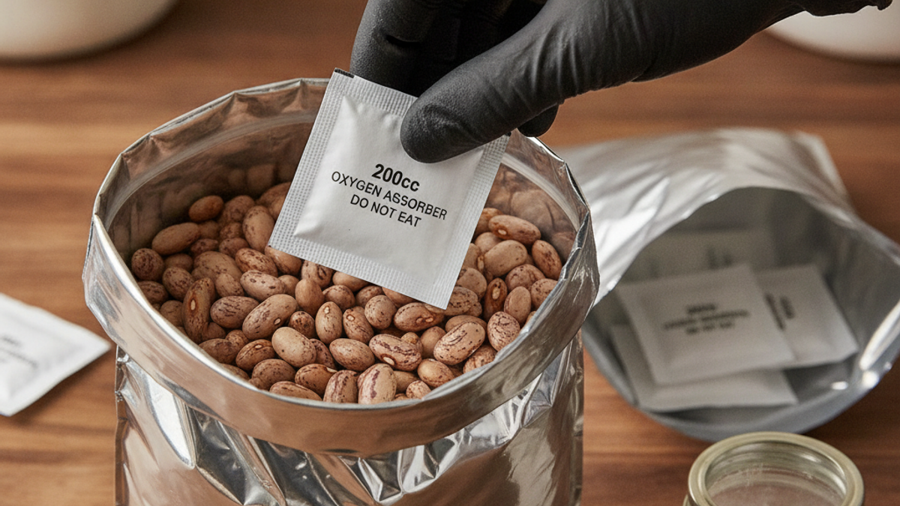
Four enemies degrade stored food: oxygen, moisture, light, and heat. Oxygen drives fat rancidity and lets insect eggs already present in grain hatch and mature. Moisture allows mold growth and, in worst cases, bacterial activity. Light degrades vitamins. Heat accelerates every chemical reaction — a common rule of thumb in food science is that shelf life roughly halves for every 18°F increase in storage temperature.
Mylar — technically a metallized or foil-laminated polyester film — blocks light almost completely and has an oxygen transmission rate close to zero compared to the polyethylene buckets and bags most people use. Oxygen absorbers finish the job. They contain iron powder that rusts inside the sealed bag, pulling residual oxygen from roughly 20.9% down below 0.5%, and often under 0.1%. That environment kills weevil larvae and stops oxidation cold.
Critical safety rule: only package foods with less than 10% moisture content. Low-moisture, low-oxygen environments are safe for dry grains and legumes, but sealing moist food in an anaerobic bag creates botulism risk. Never Mylar-pack fresh produce, home-dehydrated foods that still feel pliable, or anything that isn't snap-dry.
What Stores Well for 25 Years — and What Doesn't
- Excellent (25–30 years): white rice, hard red and white wheat, rolled oats, pasta, dried beans and lentils, dehydrated potato flakes, powdered milk, sugar, cornmeal (degermed)
- Moderate (5–10 years): brown rice, whole wheat flour, nuts, granola, anything above roughly 10% fat content
- Do not pack: sugar and salt do not need absorbers (they'll turn to bricks), and no moist, oily, or fresh foods
Dried beans deserve a caveat: they remain safe and nutritious for decades, but after 8 to 10 years many require pressure cooking to soften. Pair your bean buckets with a stove-top pressure cooker, and consider a hand grain mill for whole grain storage so your wheat buckets can actually become bread.
What You'll Need
Tools
- 12-inch impulse sealer (or a flat hair straightener for small batches)
- Chamber vacuum sealer for compact, air-free bags
- Rubber mallet and bucket lid opener
- Permanent marker and labels
Supplies
- 5-gallon Mylar bags, 7.5 mil
- 2000cc oxygen absorbers for bucket-size bags
- 300cc oxygen absorbers for one-gallon and quart bags
- Food-grade 5 or 6 gallon buckets
- Gamma Seal lids for buckets you'll open regularly
How to Size Mylar Bags and Oxygen Absorbers Correctly
Bag thickness matters more than most beginners realize. Skip anything under 5 mil for bucket liners; 7.5 mil resists punctures from sharp grain edges and rough handling. For smaller portions, 3.5 to 5 mil is acceptable inside a protective container.
For absorber sizing, the working rule is 300–500cc of absorber capacity per gallon of dense food. A five-gallon bag of rice or wheat needs roughly 2,000cc — one large absorber or five to seven 300cc packets. Light, airy foods like pasta or potato flakes contain more headspace air and need closer to 2,500–3,000cc. When in doubt, over-size. Excess absorber capacity harms nothing; too little leaves oxygen behind. Kits like the PackFreshUSA 5-gallon Mylar bag and oxygen absorber combos take the guesswork out by matching bag volume to absorber capacity.
Step-by-Step Instructions
Step 1: Inspect and dry your bulk food
Buy from high-turnover sources and inspect for insects or clumping. If grain has been stored in humid conditions, spread it on sheet pans and dry at 150°F for 15–20 minutes, then cool completely. Warm food creates condensation inside a sealed bag.
Step 2: Set up a clean, organized packing station
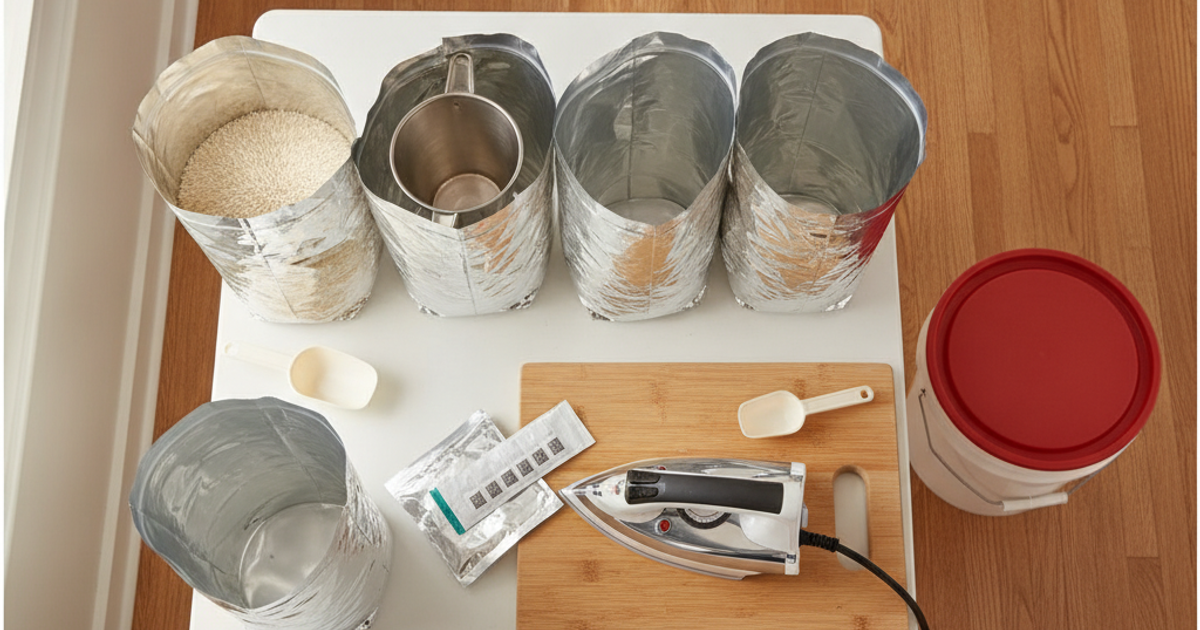
Clear a table, line up open bags in buckets, and have your sealer preheated. Oxygen absorbers begin working the moment the package is opened, so nothing should be improvised mid-process. Work in batches of 6 to 10 bags maximum.
Step 3: Fill bags inside the bucket
Place the Mylar bag inside the bucket first, then pour. The bucket supports the bag and prevents tipping. Leave 3 to 4 inches of headspace at the top for a clean seal, and tap the bucket to settle contents.
Step 4: Drop in the oxygen absorbers immediately
Open the absorber pouch and distribute packets fast — into the top of each bag works fine, since oxygen migrates freely through the food. Return unused absorbers to a sealed Mason jar within 10 to 15 minutes or they'll spend themselves on room air.
Step 5: Seal the bag with heat
Press out excess air, smooth the top of the bag flat, and seal across the entire width with an impulse sealer. Leave a two-inch gap, then press the remaining air out and close the gap with a second pass, or use a chamber vacuum sealer for a tighter finish. Verify the seal by tugging firmly.
Step 6: Label before the lid goes on
Write contents, weight, and the packaging date on the bag and the bucket lid in permanent marker. Undated buckets become mystery buckets. Log every bucket in your stockpile inventory system.
Step 7: Seat the lid and check for the vacuum shrink
Tuck the bag top down, tap the lid on with a rubber mallet, and check the bag in 24–48 hours. A properly absorbed bag pulls tight around the food and feels firm, almost brick-like. If it's still loose and puffy, your seal failed — reseal with a fresh absorber.
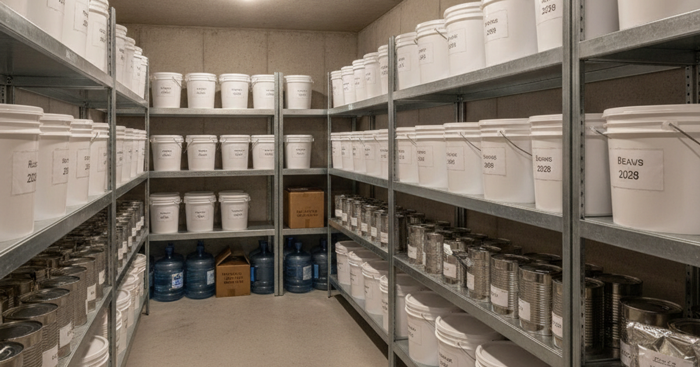
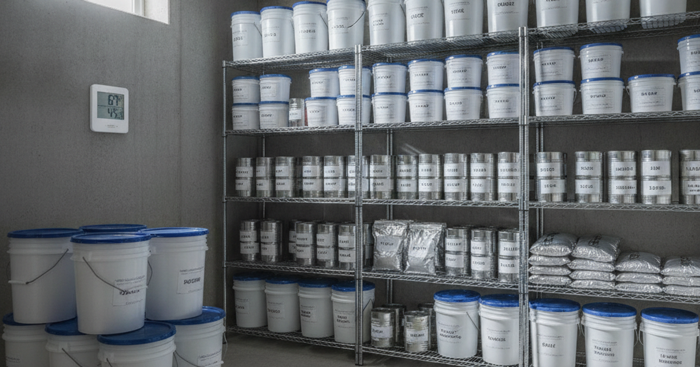
Step 8: Store cool, dark, and off the floor
Target 50–70°F with stable humidity. Elevate buckets on pallets or shelving to protect against flooding and concrete moisture transfer.
Storage Solutions for Apartments, Suburbs, and Rural Homes
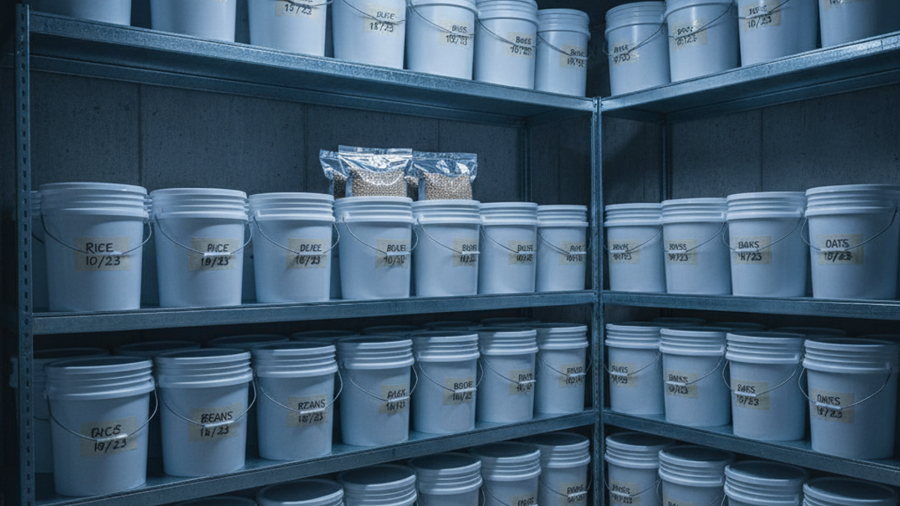
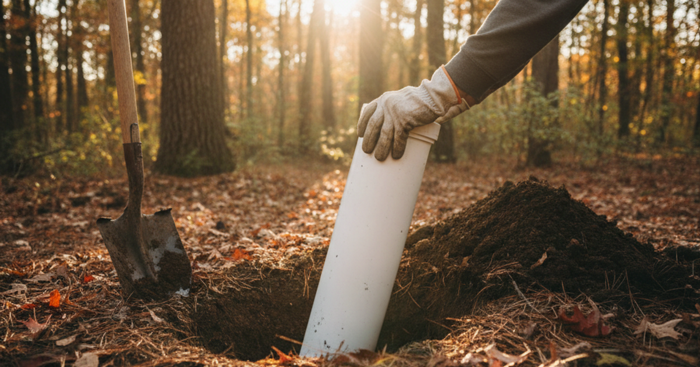
Rural preppers have basements, root cellars, and outbuildings — but avoid uninsulated barns and metal sheds where summer temperatures can exceed 120°F and cut shelf life in half. Suburban readers should favor interior closets over garages and attics for the same reason.
Urban apartment dwellers have the toughest challenge, but Mylar solves it elegantly: one-gallon bags stack flat under beds, behind couches, in closet risers, and inside furniture bases without the bulk of buckets. A single 5-gallon bucket of white rice holds roughly 36 pounds — over 400 servings — in about one square foot of floor space. Split that into gallon bags and it disappears into a studio apartment. Our guide to building a serious emergency stockpile in a small space covers concealment strategies in depth. And regardless of location, review how to pest-proof your food storage against weevils, rodents, and mold — Mylar stops insects, but a determined rat will chew through both bag and bucket.
Recommended Gear
If you're packaging more than a few buckets, a dedicated 12-inch impulse sealer pays for itself in consistency and speed. A chamber vacuum sealer is the upgrade path for anyone packing many smaller bags. Stock deep on 300cc oxygen absorbers in bulk, keep Gamma Seal lids on working buckets, and browse our recommended survival gear for the rest of your food storage setup.
Frequently Asked Questions
How long does emergency food last in Mylar bags?
Low-fat, low-moisture staples like white rice, wheat, oats, pasta, and dried beans routinely test acceptable at 25 to 30 years when sealed in 5+ mil Mylar with adequate oxygen absorbers and stored below 75°F. Higher-fat foods such as brown rice, nuts, and whole wheat flour top out around 5 to 10 years because their oils oxidize regardless of oxygen levels.
Do I really need buckets if I use Mylar bags?
Mylar handles oxygen, light, and moisture. Buckets handle physical protection — punctures, crushing, and rodents. If you're storing in a garage, basement, or outbuilding, use both. In a controlled apartment closet, bagged food inside a plastic tote or hard-sided container is a reasonable compromise.
What happens if I use too few oxygen absorbers?
Residual oxygen remains, insect eggs can hatch, and fats slowly oxidize — cutting your shelf life from decades to a few years. The tell is a bag that stays soft and puffy instead of shrinking tight within 48 hours. Reopen it, add a fresh absorber, and reseal.
Affiliate Disclosure: SHTFPlan.net participates in the Amazon Services LLC Associates Program. Some links are affiliate links — we may earn a small commission at no extra cost to you.