Hunting Knives, Gut Hooks, and Field Processing Tools: How to Choose the Right Blade for Harvesting Wild Game
The right blade makes the difference between a clean harvest and a ruined animal. Here's how to choose and use the best knives for field dressing wild game.
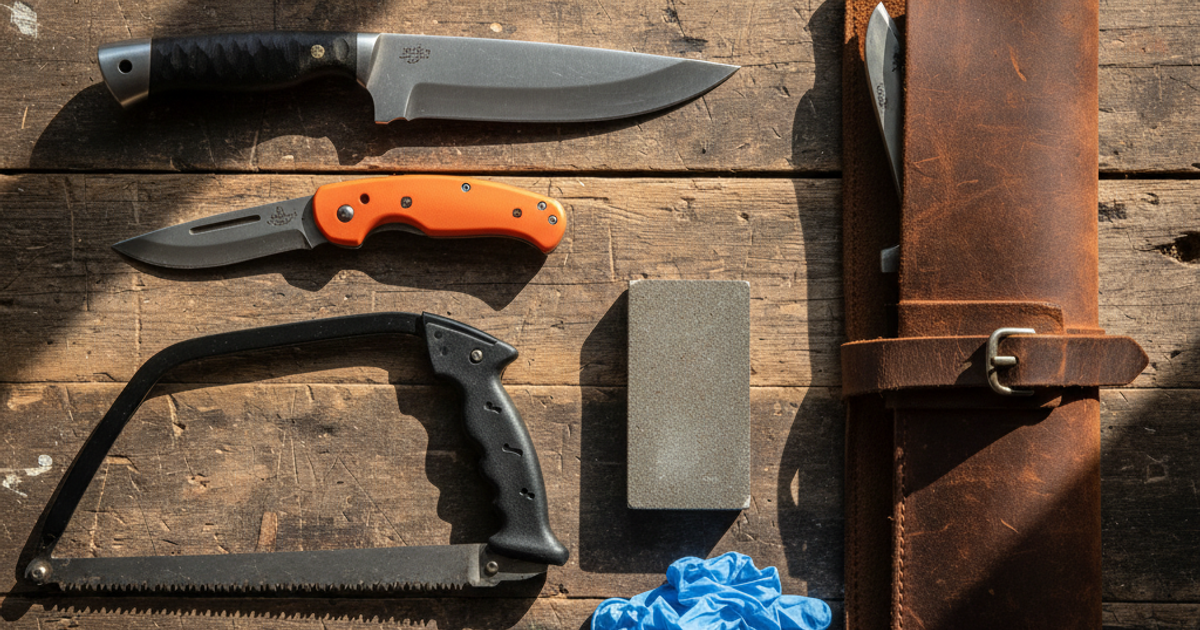
When the supply chain fails, grocery store shelves empty out, and society enters a prolonged crisis, your ability to harvest and process wild game could be the difference between your family eating and going hungry. According to the U.S. Fish & Wildlife Service, approximately 15.2 million Americans hunted in 2022 — but far more people could benefit from this skill if they ever needed to rely on it for survival. Whether you're a seasoned hunter in rural Montana or an apartment dweller in suburban Ohio who's never field dressed a deer, understanding the right tools for the job is the first step toward making wild protein a viable part of your emergency food storage and survival strategy.
The blade you carry into the field — and the knowledge of how to use it — determines how quickly and cleanly you can convert a harvested animal into table-ready meat. The wrong knife leads to wasted meat, contamination from a punctured gut, and unnecessary time spent exposed in the field. This guide breaks down every category of hunting knife and field processing tool you need to know about, so you can make informed decisions before you ever need them in a real SHTF scenario. For more on hunting and fishing as a long-term food strategy, check out our guide on Hunting and Fishing for Survival: How to Feed Your Family When Store Shelves Are Empty.
What You'll Need
Tools
- Benchmade Steep Country hunting knife
- Havalon Piranta gut hook folding knife
- Outdoor Edge RazorPro double blade folding gut hook knife
- Lansky sharpening system hunting knife field sharpener
- Victorinox butcher breaking knife set for wild game processing
Supplies
- Nitrile disposable gloves (multiple pairs)
- Heavy-duty game bags or cheesecloth meat bags
- Paracord or hanging rope for carcass suspension
- Resealable freezer bags or vacuum seal bags
Understanding the Different Types of Hunting Knives and When to Use Each
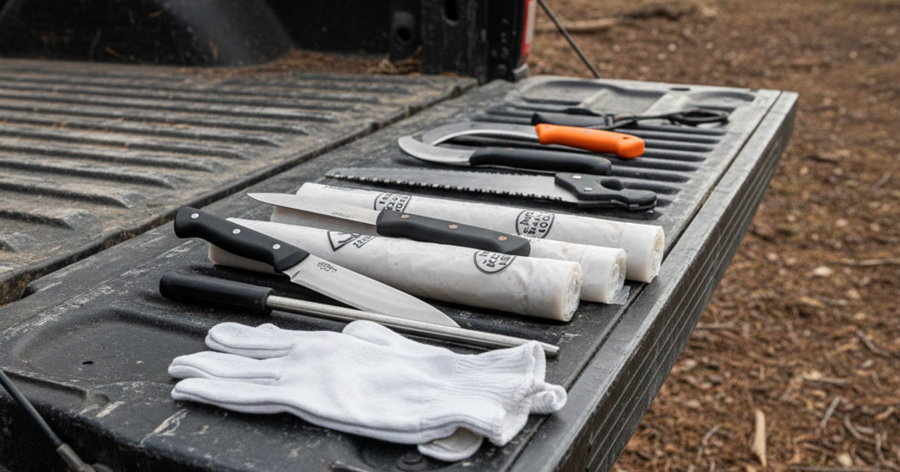
Not all hunting knives are created equal, and the mistake most beginners make is assuming one blade does everything. In reality, a professional meat processor uses different knives for different phases of the job. In a survival context, having at least two purpose-specific blades — a field dressing knife and a butchering knife — dramatically improves both your efficiency and the quality of the meat you recover.
Fixed Blade Hunting Knives: Reliability When It Matters Most
Fixed blade knives are the gold standard for field work. They have no moving parts to fail, they're easier to clean thoroughly, and they handle the stress of heavy use without flexing or folding at an inopportune moment. For general-purpose field dressing of deer, hogs, or similar-sized game, look for a blade between 3.5 and 5 inches with a drop point or clip point profile.
The Benchmade Steep Country hunting knife is an excellent example of a premium fixed blade designed specifically for backcountry hunting — it's lightweight, skeletonized to reduce weight in a bug out bag, and features a drop point blade that excels at controlled slicing around joints and the abdominal cavity.
For those who want proven performance without a premium price tag, the Buck Knives 102 Woodsman fixed blade hunting knife has been trusted by American hunters for decades. Its full-tang construction and clip point blade handle everything from skinning to rough camp chores, making it a versatile addition to any survival gear kit. Similarly, the Morakniv Companion fixed blade hunting knife offers exceptional value — Swedish steel, a comfortable grip, and proven field performance at a price point that makes it accessible to preppers on any budget.
Gut Hook Knives: The Tool That Protects Your Meat
A gut hook is a curved, sharpened notch integrated into the spine of a blade near the tip. Its sole purpose is to open the abdominal cavity from the sternum to the pelvis without puncturing the intestines or stomach. Gut contamination is one of the fastest ways to ruin a carcass — stomach contents introduce bacteria that can spoil meat in hours, especially in warm weather. According to the USDA, contaminated game meat can develop dangerous bacterial loads in as little as two to four hours above 40°F.
The Havalon Piranta gut hook folding knife is one of the most widely used field knives among serious hunters. Its replaceable scalpel-sharp blades mean you always have a razor edge ready, even after heavy use — a critical advantage when processing multiple animals or when you can't stop to sharpen mid-task.
Another strong option is the Outdoor Edge RazorPro double blade folding gut hook knife, which cleverly combines a replaceable gut hook blade with a standard drop point blade in a single folding frame. This two-in-one design reduces the number of tools you need to carry — a real advantage when every ounce in your survival kit matters.
For a lightweight, budget-friendly gut hook option that still delivers reliable performance, the Gerber Vital pocket folding gut hook hunting knife features replaceable blades and a compact folding design that fits easily in a jacket pocket or pack.
Butchering and Breaking Knives: Turning a Carcass into Meals
Once you've field dressed your animal and transported the carcass to camp or home, the real processing work begins. This is where dedicated butchering knives come in. Breaking knives have longer, more flexible blades designed to separate large muscle groups, trim silverskin, and work around bones efficiently. A dedicated set makes the difference between clean, usable cuts and a mangled pile of meat you'll struggle to store or cook.
The Victorinox butcher breaking knife set for wild game processing is trusted by professional butchers and serious hunters alike. Victorinox's Swiss-made blades hold an edge well, are easy to sanitize, and provide the variety of blade profiles needed to process an entire deer or hog from start to finish.
Knife Maintenance in the Field: A Dull Blade Is a Dangerous Blade
A dull hunting knife requires more force, causes more ragged cuts, and dramatically increases your risk of a slip that could result in a serious laceration. In a survival scenario without access to emergency medical care — see our article on Field Medicine: How to Treat Cuts, Burns, and Infections When There's No Hospital — a deep knife wound could become life-threatening. The solution is simple: keep your blades sharp.
The Lansky sharpening system hunting knife field sharpener is a compact, guided sharpening system that allows even beginners to maintain consistent blade angles and restore a razor edge in the field. Including one in your survival gear kit is non-negotiable if you plan to rely on edged tools for food procurement.
Step-by-Step Instructions
Step 1: Select the Right Blade for the Animal Size and Task
Match your knife to the job before you head into the field. For deer-sized game, a 3.5–4.5 inch drop point or gut hook blade is ideal for field dressing. For smaller animals like rabbits or squirrels, a compact fixed blade or folding knife handles the work easily. For larger animals like elk or feral hogs, a heavier fixed blade with a longer edge saves time and effort.
Step 2: Position the Animal Correctly Before Making Any Cuts
Place the animal on its back on a slight incline with the head uphill if possible. Gravity will help keep gut contents away from the body cavity as you open it. If you're working alone in the field, use paracord or a nearby tree to help prop the carcass in position — this frees both hands for safer blade control.
Step 3: Open the Abdominal Cavity Using a Gut Hook
Insert the gut hook just below the sternum, hooking it under the skin, and draw it firmly toward the pelvis in a single controlled motion. Keep the blade angle shallow — nearly parallel to the body — to avoid nicking the stomach or intestines. This single cut, done correctly, is the most important step in preventing meat contamination.
Step 4: Remove Internal Organs Cleanly and Completely
Work from the sternum toward the pelvis, separating the diaphragm and removing the heart, lungs, liver, and intestines. Save the liver and heart — these are nutrient-dense, high-protein organs that should not be wasted in a survival food situation. Secure organs you plan to eat in a clean bag immediately to prevent contamination from dirt or insects.
Step 5: Skin the Carcass Using a Drop Point or Skinning Blade
Begin skinning by making a shallow incision along the inside of each leg, then work the skin away from the muscle using controlled pulling tension combined with short, shallow knife strokes to avoid cutting through the hide into the meat. A drop point blade excels here because the rounded tip reduces accidental punctures.
Step 6: Break the Carcass Down into Manageable Sections
Using a breaking knife or heavy fixed blade, separate the animal into quarters — two front shoulders and two hindquarters — plus the backstraps along the spine. These large muscle groups are the most valuable cuts for emergency food storage and are easiest to pack out, hang to age, or process further for preservation.
Step 7: Trim, Debone, and Prepare Meat for Storage or Preservation
Use a flexible boning knife from your butcher set to remove silverskin, fat (which can go rancid quickly), and any bloodshot tissue near entry or exit wounds. Clean, trimmed meat stores significantly longer whether you're pressure canning, vacuum sealing, or smoking it for preservation. See our guide on Canning Meat at Home: A Step-by-Step Guide to Long-Term Protein Storage for detailed preservation methods.
Step 8: Clean, Dry, and Store All Blades Properly After Use
Rinse all blades with clean water immediately after use, then dry thoroughly before storing. Blood and tissue residue accelerate corrosion even on stainless steel blades. Lightly oil the blade before long-term storage and resharp as needed using your field sharpener so your tools are always mission-ready for the next harvest.
Choosing the Right Knife for Urban and Suburban Preppers
If you live in an apartment or suburb, you may think hunting knives are irrelevant to your emergency preparedness plan. Reconsider. Even in urban and suburban environments, small game like rabbits, squirrels, pigeons, and waterfowl can become viable protein sources during a prolonged crisis. A compact folding gut hook knife like the Gerber Vital or Havalon Piranta stores easily in a bug out bag or vehicle emergency kit without adding significant weight or bulk. Urban and suburban preppers should also think ahead about where they would travel during a bugout — most routes out of major cities lead through areas where hunting opportunities exist, provided you have the tools and knowledge to take advantage of them. For a comprehensive approach to urban preparedness, our Apartment Prepping: How to Build a Serious Emergency Stockpile in a Small Space guide covers many complementary strategies.
Recommended Gear Summary
To summarize the core tools covered in this article: for premium fixed blade performance in the field, the Benchmade Steep Country and Buck Knives 102 Woodsman are both excellent choices. For gut hook work, the Havalon Piranta and Outdoor Edge RazorPro deliver exceptional value. Budget-conscious preppers should seriously consider the Morakniv Companion and the Gerber Vital as cost-effective options that don't sacrifice essential performance. For full butchering capability, the Victorinox butcher breaking knife set is the professional's choice. And never take the field without a quality sharpener — the Lansky sharpening system keeps every blade in your kit performing at its best. For more on blades as multi-purpose survival tools, see our detailed article on Knife Selection for Preppers: How to Choose the Best Survival Knife for Any Scenario.
Frequently Asked Questions
What is the best hunting knife for field dressing a deer for a beginner?
For beginners, a fixed blade knife with a 3.5–4 inch drop point blade paired with a separate gut hook tool is the most forgiving combination. The drop point profile gives you control and visibility during skinning and jointing, while the gut hook handles the abdominal opening cleanly without requiring precise blade angle control. The Buck Knives 102 Woodsman and Morakniv Companion are both excellent beginner-friendly choices that are widely available and easy to maintain.
Do I really need a gut hook knife, or can I use a regular hunting knife?
You can open an abdominal cavity with a standard blade, but it requires significantly more skill to do so without puncturing the gut contents. An experienced hunter can use two fingers as a guide ahead of a standard blade to keep the tip away from the intestines, but for beginners or anyone field dressing under stress or in low light, a gut hook dramatically reduces the risk of contamination and meat spoilage. In a survival scenario where meat preservation is critical, the gut hook is worth the small additional investment.
How do I keep my hunting knife sharp in the field without a full sharpening setup?
A compact field sharpener like the Lansky system or a ceramic pocket rod can restore a working edge in minutes. For knives with replaceable blades — like the Havalon Piranta or Gerber Vital — simply swapping to a fresh blade eliminates the sharpening requirement entirely, which is why many experienced hunters carry a supply of spare blades in their kit. Always touch up your edge before you head out, not after you've already made your harvest.
Affiliate Disclosure: SHTFPlan.net participates in the Amazon Services LLC Associates Program. Some links are affiliate links — we may earn a small commission at no extra cost to you.