7 Emergency Lighting Options Every Prepper Should Have Before the Lights Go Out
When the grid fails, darkness arrives fast and brings injuries, fear, and lost productivity with it. Here are seven layered emergency lighting options that keep your home safe and functional for weeks.
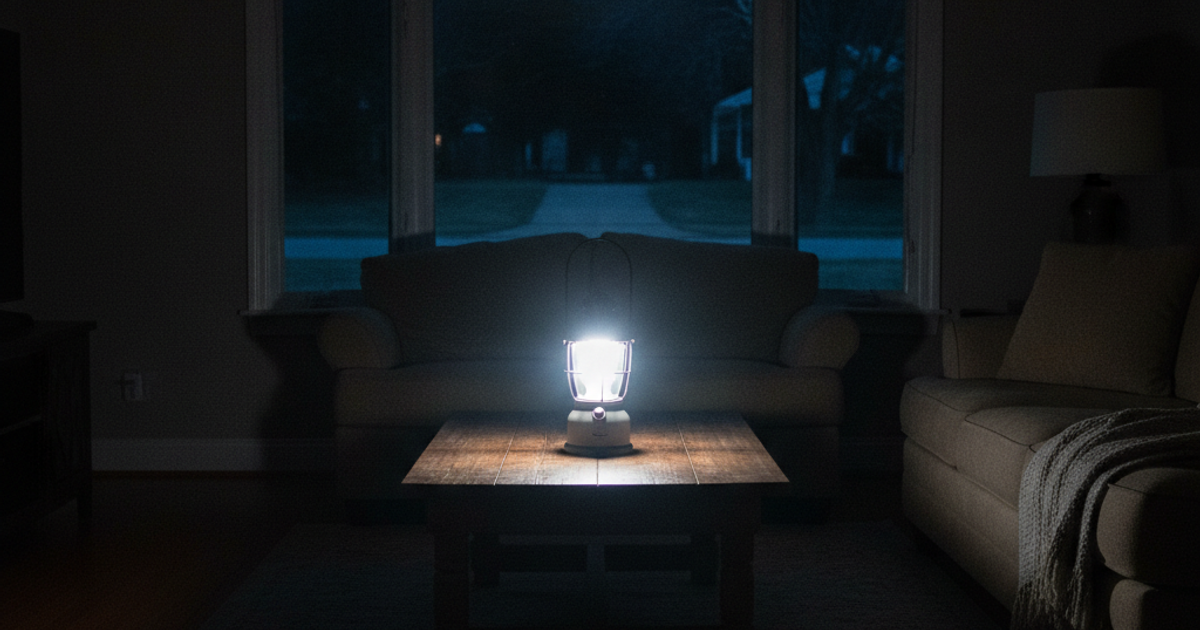
The average American endured more than five and a half hours of power interruptions in 2022, according to the U.S. Energy Information Administration — more than double the outage time recorded a decade earlier. Climate Central's analysis of federal data found that weather-related outages increased roughly 78% from 2011 to 2021 compared to the previous decade. Translation: the grid is getting less reliable, not more, and the odds that you will spend a long night in the dark are climbing every year.
Darkness is not just uncomfortable. It is dangerous. The CDC and National Fire Protection Association consistently report spikes in candle fires and carbon monoxide poisonings during blackouts, and falls in dark stairwells send thousands to emergency rooms every year. Whether you live in a fourth-floor walk-up, a suburban split-level, or a rural farmhouse twenty minutes from the nearest paved road, a layered lighting plan is one of the cheapest, highest-return investments in emergency preparedness you can make. Here are the seven lighting options every serious prepper should have staged and tested before the lights go out.
What You'll Need
Tools
- Area LED lantern
- Hands-free headlamp (one per person)
- Hand-crank radio/flashlight combo
- Oil lantern (rural/ventilated spaces)
Supplies
- Alkaline AA/AAA batteries plus rechargeable NiMH cells
- 12-hour glow sticks (green or yellow for visibility)
- Lamp oil or K-1 clear kerosene, stored outside living space
- Long-reach butane lighter and stormproof matches
- Class ABC fire extinguisher and working CO detector
The 7 Emergency Lighting Options Ranked by Reliability
1. LED Area Lanterns: Your Blackout Workhorse
A good lantern turns a black room into a functional living space. Modern LEDs deliver 200–600 lumens on a handful of AA cells and run 20 to 100+ hours on low. The Streamlight Siege AA is a prepper favorite because it runs on common alkaline AAs, floats, has an IPX7 waterproof rating, and includes a red night-vision mode that preserves dark adaptation and doesn't advertise your position through a window. For bigger spaces or families, an Energizer LED camping lantern gives you inexpensive 360-degree light — buy two or three and stage one per floor.
2. Rechargeable and Solar Lanterns for Long-Duration Outages
Battery-only lighting has a hard ceiling. Rechargeable lanterns with built-in solar or crank input keep working in week-long events. The Goal Zero Lighthouse 600 combines a 600-lumen output, a hand crank, a solar input port, and a USB output that will top off a phone — a genuine off grid multitool. Apartment dwellers can charge these on a windowsill or balcony; rural readers can pair them with a larger panel array. If you're already building a power system, review our guide to choosing the right solar panel setup for home and bug-out power.
3. Headlamps: The Most Underrated Piece of Survival Gear
One headlamp per family member is non-negotiable. Two hands free means you can carry a child down a stairwell, work a shutoff valve, cook, or perform first aid without juggling a flashlight in your teeth. The Black Diamond Spot offers waterproofing, a red mode, and a lock-out feature that prevents accidental drain in your bug out bag. For a budget option that's nearly indestructible, the Petzl Tikkina runs on three AAAs and costs less than a pizza. Put one in every survival kit, glovebox, and nightstand.
4. Solar Inflatable Lights for Apartments and Bug-Out Bags
Inflatable solar lanterns pack flat, weigh a few ounces, and are safe around kids and pets. The LuminAID PackLite charges on a sunny sill in a few hours and gives soft, diffused light for a small room — ideal for urban survival scenarios where fuel-burning devices are unsafe or prohibited by lease. They're also the single best lighting choice for weight-conscious evacuation kits.
5. Hand-Crank Lights: Zero-Fuel Insurance
When batteries die and the sun doesn't cooperate, muscle power still works. The Etón FRX3 combines a crank-powered flashlight with an AM/FM/NOAA weather radio and a USB charging port, covering two critical needs at once. Crank output is modest — expect a few minutes of light per minute of cranking — so treat it as backup, not primary. Pair it with a broader layered emergency communication plan so you're getting information as well as light.
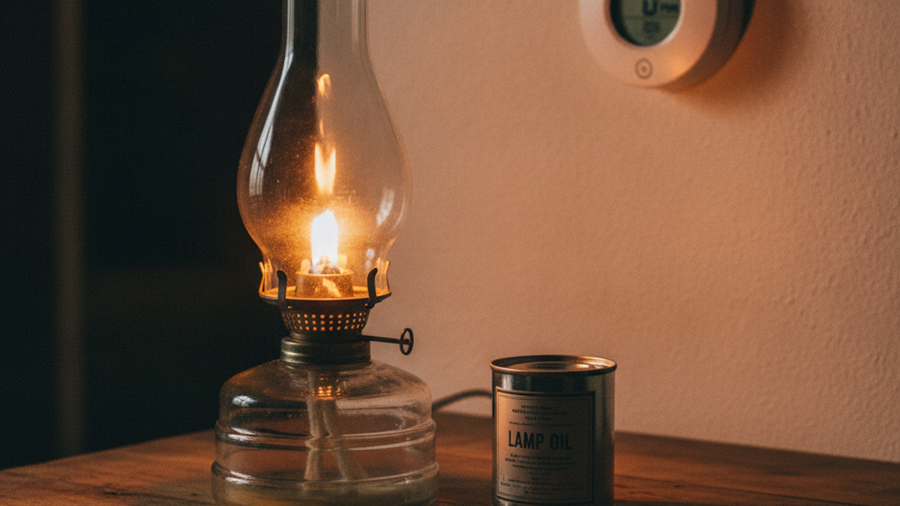
6. Oil Lamps and Kerosene Lanterns for Long-Term Grid-Down
A classic Dietz kerosene lantern burns roughly one ounce of fuel per hour and can run 20+ hours on a single fill — no batteries, no charging, indefinite shelf life for the fuel. That makes it a legitimate long-term SHTF solution for homesteads and rural properties. The tradeoffs are real: open flame, soot, and combustion byproducts. Never burn one in a sealed room, always crack a window, and keep a working CO detector nearby. Review our guidance on safely stockpiling fuel for long-term emergencies before you store more than a gallon or two.
7. Candles and Glow Sticks: Cheap, Limited, Situational
Candles are the default choice and the most dangerous one. NFPA data attributes roughly 20 home fires per day to candles, with December and January spikes. If you use them, use wide-based jar candles inside a lantern or on a ceramic plate, never near curtains, and never unattended or in a room where someone is sleeping. Chemical glow sticks are the safer trade-off for kids' rooms, marking hallways and stairs, and hanging on doorknobs — 12-hour sticks cost pennies and cannot start a fire.
Battery Management and Fuel Safety That Prevents Disasters
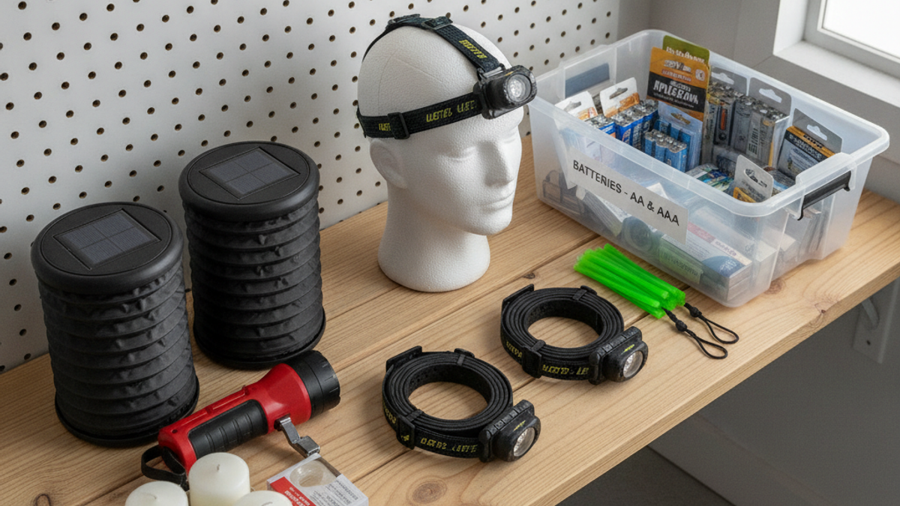
Standardize on AA and AAA across as much of your kit as possible so one battery stock feeds everything. Alkaline cells store 5–10 years; lithium primaries last up to 20 and perform far better in cold. Store batteries at room temperature in original packaging, never loose in a drawer where terminals can short. Remove batteries from any device stored longer than six months to prevent alkaline leakage that destroys contacts. Track expiration dates the same way you handle food — our guide to tracking, rotating, and auditing prepper supplies applies directly to batteries and fuel.
Step-by-Step Instructions
Step 1: Audit every room for existing light sources
Walk your home after dark with the breakers off and note where you actually need light: stairs, bathroom, kitchen, exit paths, and the utility panel or gas shutoff. Count what you own and where it lives. Most households discover they have three flashlights, all in one drawer, with dead batteries.
Step 2: Build a three-layer lighting system
Assign one area light per occupied room, one personal light (headlamp) per family member, and one task light per emergency kit. Add glow sticks as passive markers. This layered approach means no single failure leaves anyone blind.
Step 3: Standardize battery types and stock deep
Choose AA and AAA devices wherever possible, then store at least a 100-count of each plus a set of rechargeable NiMH cells and a solar or USB charger. Label a bin "BATTERIES" and keep it in a cool, dry interior closet.
Step 4: Stage lights where you'll need them in the dark
Put a headlamp on every nightstand, a lantern in the kitchen, a flashlight by the front door, and one light in each vehicle. In a high-rise, add a light to your stairwell go-bag — see our guide on escaping a skyscraper when power fails.
Step 5: Test every light quarterly and rotate cells
Set a recurring calendar reminder. Run each light for five minutes, check for corrosion, and replace any cell that shows even slight leakage. Test crank and solar units under real conditions, not just indoors.
Step 6: Install fire and carbon monoxide protection
Before you ever light a flame indoors, mount a working CO alarm and keep an ABC fire extinguisher within reach of your primary living area. Read our breakdown of choosing extinguishers and building a fire escape plan.
Step 7: Practice a full blackout drill with your family
Kill the main breaker on a weekend evening and live by your lights for three hours. Cook a meal, navigate the stairs, and find the first aid kit. You'll identify gaps faster than any checklist can.
Recommended Gear
A balanced kit might look like this: a Streamlight Siege AA and an Energizer camping lantern for room lighting, a Goal Zero Lighthouse 600 for rechargeable output, Black Diamond Spot and Petzl Tikkina headlamps for every person, a LuminAID PackLite in each pack, an Etón FRX3 for fuel-free backup and weather alerts, and a Dietz oil lantern if you have the ventilation and storage to run it safely. Browse more field-tested options on our recommended survival gear page.
Frequently Asked Questions
How much emergency lighting do I actually need for a power outage?
Plan for one area light per occupied room, one headlamp per person, and enough battery reserve for 72 hours of heavy use — then triple it for a long-duration event. FEMA recommends a minimum 72-hour kit, but a two-week supply is the realistic modern standard given the length of recent storm-driven outages.
Are candles safe to use during a blackout?
Only with strict discipline. Use enclosed or wide-base candles on a non-flammable surface, keep them at least three feet from anything combustible, extinguish them before sleeping, and never let children handle them. LED lanterns and glow sticks are safer for overnight use and for households with kids or pets.
What's the best lighting option for an apartment with no balcony?
Battery-powered LED lanterns and headlamps, backed by USB-rechargeable lights and a power bank. Avoid all open-flame and fuel-burning options in a sealed unit. Solar inflatables still work charged on a south-facing windowsill. See our full guide to apartment prepping in small spaces for storage strategies.
Affiliate Disclosure: SHTFPlan.net participates in the Amazon Services LLC Associates Program. Some links are affiliate links — we may earn a small commission at no extra cost to you.