High-Rise Survival: How to Escape a Skyscraper When Elevators, Power, and Water Fail
Living or working above the tenth floor changes every rule of emergency planning. Here's how to survive a high-rise blackout, fire, or evacuation when the elevators die and the water stops.
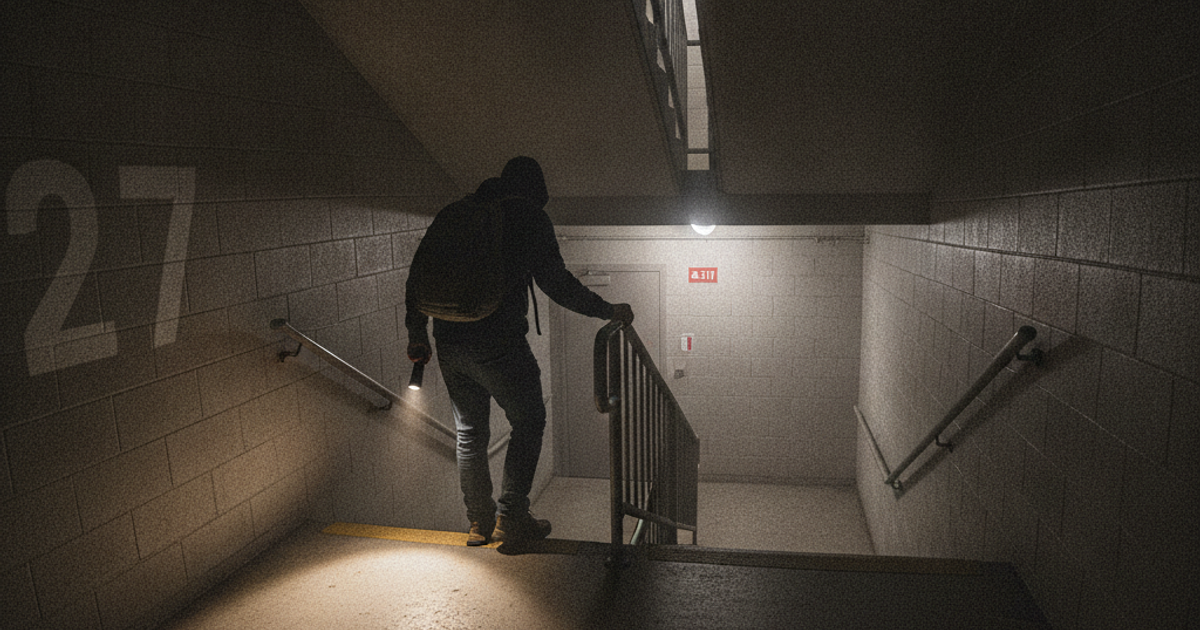
On September 11, 2001, roughly 15,000 people evacuated the World Trade Center towers on foot. NIST's post-incident study found that the average survivor descended stairs at a rate of about one floor every 48 seconds — and that number degraded sharply for anyone overweight, injured, elderly, or carrying belongings. That single statistic should reshape how anyone living or working above the tenth floor thinks about emergency preparedness. In a high-rise, the disaster isn't just the fire, the earthquake, or the blackout. The disaster is the vertical distance between you and the street.
More than 80 million Americans live in multi-family buildings, and the number of residential towers over 20 stories has more than doubled since 2000. Yet almost all mainstream prepping content assumes a driveway, a garage, and a backyard. If you live in a skyscraper, a mid-rise apartment, or work on the 34th floor of an office building, your urban survival problem is unique: elevators are your lifeline and they are the first thing to fail. Fire departments generally cannot fight fires effectively above the seventh or eighth floor from the outside — that's the practical reach limit of most aerial ladders. Above that line, you are your own first responder.
This guide covers stairwell evacuation, smoke escape hoods, water storage on upper floors, and when sheltering in place beats descending into chaos.
What You'll Need
Tools
- Hands-free LED headlamp
- Portable fire escape ladder (2nd–3rd floor only)
- Battery smoke and CO detector
- Pry bar or window punch/seatbelt cutter tool
Supplies
- NIOSH-rated smoke escape hood
- Bathtub emergency water bladder
- 7-gallon stackable water containers
- Compact hollow-fiber water filter
- Duct tape and plastic sheeting for door sealing
- Sturdy closed-toe boots and work gloves
Why Smoke — Not Fire — Kills People in High-Rises
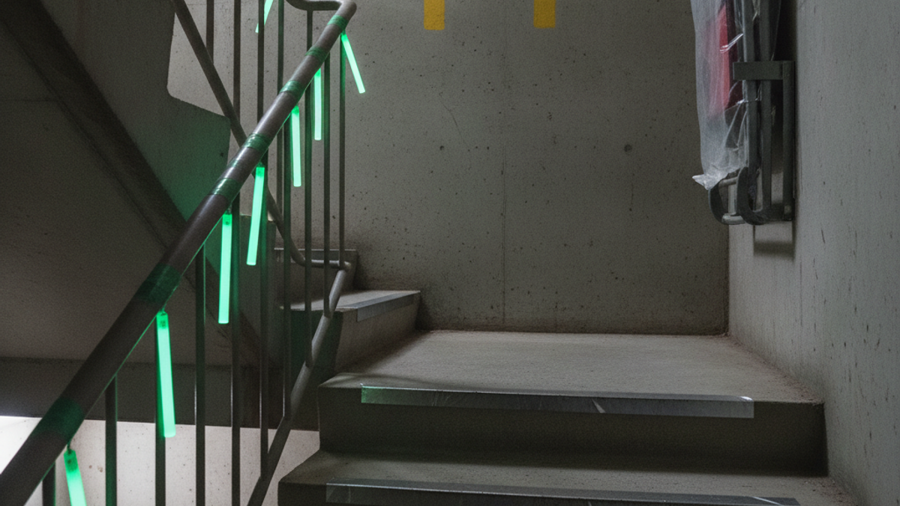
The National Fire Protection Association reports that smoke inhalation causes the majority of fire deaths in the United States, not burns. In a tower, the stack effect turns stairwells and elevator shafts into chimneys, pulling superheated smoke upward at speeds far faster than a human can climb. Carbon monoxide concentrations of just 1,200 parts per million are immediately dangerous to life and health; a burning apartment can exceed that in minutes.
This is why a smoke escape hood belongs in every high-rise household and office desk drawer. A quality hood like the iEvac smoke hood fire escape mask uses a catalytic filter to convert carbon monoxide into carbon dioxide, buying you 15 to 60 minutes of breathable air — enough time to descend 40 floors at a realistic pace. Keep a second, lower-cost unit such as a Safe Escape emergency escape smoke hood in your work bag or vehicle. One hood per person, no sharing, no exceptions — and pull them out of the packaging once to practice donning them blind.
Early warning matters just as much. Building systems fail or get muted by management. Install your own First Alert battery-powered smoke and carbon monoxide detector in the hallway outside bedrooms and near the unit's entry door. Battery models keep working when the grid drops, and they'll alert you to CO from a neighbor's generator or camp stove — a genuine and growing killer during extended blackouts. Pair this with a real home fire escape plan and the right fire extinguishers.
How to Evacuate a Stairwell When the Power Is Out
Stairwells go pitch black the instant emergency lighting batteries die — typically 90 minutes by code. Descending 30 floors in total darkness with 200 panicked neighbors is how people get trampled and break ankles. A hands-free Energizer LED headlamp keeps both hands on the railing and is far superior to a phone flashlight, which burns the battery you'll need for communication later.
Know your building's layout cold. Most towers have two stairwells; one may be smoke-free while the other is a chimney. Learn which floors have re-entry doors (many stairwells lock from the inside above certain levels), where the transfer corridors are, and where the roof access sits. If you have mobility-limited family members, identify the designated "areas of refuge" and read our guide to emergency planning for elderly and disabled family members.
One critical warning: portable escape ladders are not a skyscraper solution. A 25-foot Kidde fire escape ladder is an excellent tool for second- and third-floor apartments, townhomes, and suburban or rural two-story houses where a window exit beats a burning hallway. Above the third floor, your only realistic routes are the stairs or the refuge area.
How to Store Water on the 30th Floor
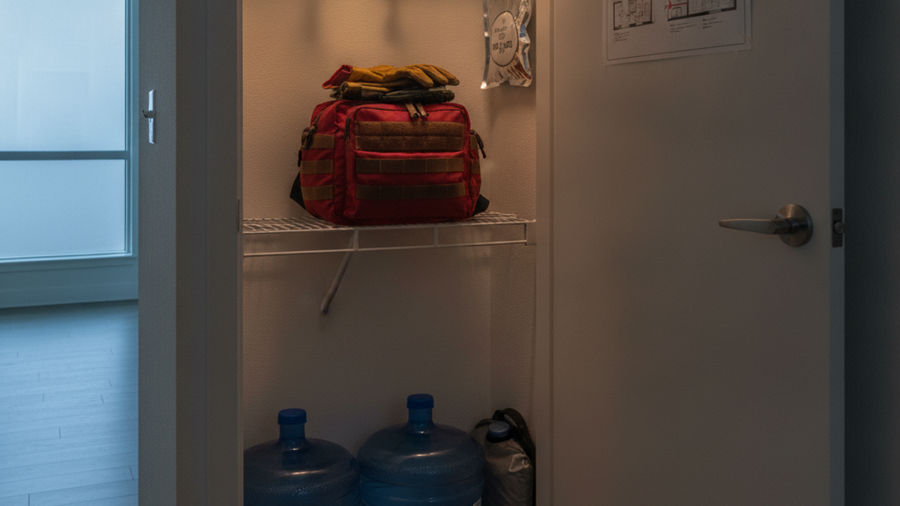
Municipal water in tall buildings depends on booster pumps. No power means no pumps, which means dry taps above roughly the sixth floor within minutes — while gravity drains any rooftop tank fast. During the 2003 Northeast blackout, high-rise residents in New York and Toronto lost water almost immediately.
Store one gallon per person per day, minimum 14 days. In a small apartment, use stackable 7-gallon Aqua-Tainer containers under beds and in closets — they're rigid, spigot-equipped, and weigh about 58 pounds full, so distribute the load. The moment you get warning of a storm, blackout, or hurricane, fill the tub with a WaterBOB bathtub water storage container, which holds up to 100 gallons of potable water in a sealed food-grade liner. For water of questionable origin — a rooftop tank, a drained hot water heater, or a building fountain — run it through a Sawyer MINI water filtration system, rated to 100,000 gallons and 0.1-micron filtration. Study up on choosing the right water purification method and rationing water on one gallon a day.
When to Shelter in Place Instead of Descending
Not every emergency justifies evacuation. In a civil unrest event, a chemical release, or an extended blackout with no fire, staying put in a defensible unit with supplies beats joining thousands of people on the street. Fire codes require most modern high-rises to compartmentalize — your unit's walls and door are rated to resist fire for a period of time. Seal the door bottom with wet towels, tape the frame, shut off HVAC intakes, and signal from a window.
Sheltering high has one advantage: heat rises, and so does the workload. Read our guides on apartment prepping in small spaces and surviving extreme heat without power, since upper floors bake in summer blackouts.
Step-by-Step Instructions
Step 1: Walk your stairwells and count the floors
Physically descend both stairwells to the street at least twice a year, once in daylight and once with only a headlamp. Count landings, note which doors lock, and time yourself. Knowing that "floor 22 is nine minutes down" turns panic into arithmetic.
Step 2: Stage a grab-and-go kit by the door
Keep a lightweight bug out bag with a smoke hood, headlamp, gloves, N95 masks, water, and copies of your vital documents within arm's reach of your exit. Shoes go beside it — glass and debris end evacuations fast.
Step 3: Test and don your smoke hood annually
Buy one training unit and practice deploying it in under 30 seconds with eyes closed. Check expiration dates; sealed hoods typically last five years. Replace expired units rather than gambling on a degraded filter.
Step 4: Store water before you need it
Fill containers now, label them with the fill date, and rotate every six months. Add tub bladders and filters as your second and third layers of water purification redundancy.
Step 5: Check the door before you open it
Use the back of your hand on the door and the knob. If either is hot, or if smoke is pushing under the door, do not open it. Seal, retreat to the room farthest from the fire, and signal.
Step 6: Descend with the railing, on the right
Keep your dominant hand on the rail and stay right so firefighters can climb on the left. Move at the pace of your slowest family member, and do not stop on landings to rest where you'll block flow.
Step 7: Establish an outside rally point
Choose a meeting spot at least two blocks from the building, upwind and away from falling glass. Confirm it with everyone in the household and add it to your family emergency plan.
Recommended Gear for Rural and Suburban Readers
These tools aren't only for skyscraper dwellers. Escape ladders belong in every two-story farmhouse. Smoke hoods are equally valuable in a rural home 40 minutes from a volunteer fire department. Battery detectors, headlamps, water containers, and filters serve off grid households, prepper retreats, and suburban families alike. Browse our full recommended survival gear list to round out your survival kit.
Frequently Asked Questions
How long does a smoke escape hood actually last?
Most NIOSH-tested hoods provide 15 to 60 minutes of filtered air depending on the model and smoke concentration. Sealed units typically have a five-year shelf life. That window is designed to get you down the stairs, not to let you fight a fire.
Should I take the stairs or shelter in place during a blackout?
If there is no fire, no gas leak, and no structural damage, shelter in place. A dark stairwell full of strangers is more dangerous than a dark apartment with stored water and food. Evacuate immediately for fire, smoke, gas odor, or visible structural failure.
What should I keep in a high-rise survival kit?
A smoke hood, headlamp with spare batteries, gloves, sturdy shoes, N95 masks, two liters of water, a compact filter, 72 hours of emergency food storage, a whistle, a portable battery bank, and printed documents. Keep it under 20 pounds so you can carry it down 30 flights while maintaining situational awareness.
Affiliate Disclosure: SHTFPlan.net participates in the Amazon Services LLC Associates Program. Some links are affiliate links — we may earn a small commission at no extra cost to you.