Escape and Evasion: How to Move Undetected When SHTF and Society Breaks Down
When civil order collapses, knowing how to move without being seen or followed could save your life. Here's how to master escape and evasion.

When society fractures — when civil unrest erupts, infrastructure collapses, or a genuine SHTF scenario plays out — the ability to move without being seen, stopped, or targeted becomes one of the most critical survival skills you can possess. Military special operations units have understood this for decades. Now, as a prepper, it's time you did too.
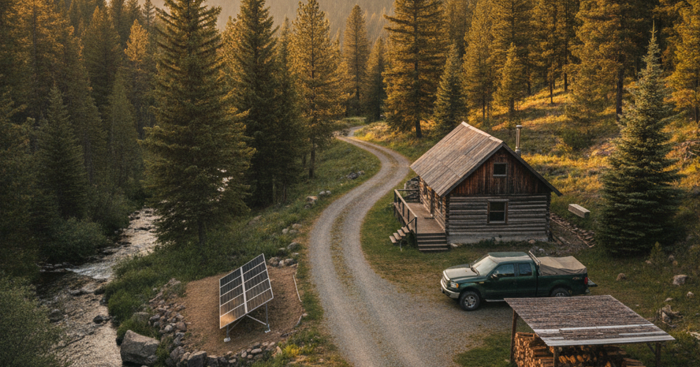
Escape and evasion (E&E) isn't just for soldiers behind enemy lines. It's a practical skillset for anyone navigating a city during riots, a suburban neighborhood during a grid-down event, or rural backroads when desperate people are moving in unpredictable ways. Whether you're bugging out from an apartment or repositioning from a rural homestead, the principles are the same: blend in, move smart, and don't attract attention you can't handle.
Understanding the Threat Landscape During Societal Collapse
Before you can evade threats, you need to understand what those threats look like. During periods of civil unrest or societal breakdown, the danger rarely comes from a single organized enemy. It comes from multiple, unpredictable sources simultaneously: opportunistic looters, desperate families, armed gangs establishing territory, and even well-meaning but panicked neighbors who could inadvertently compromise your position.
Research from the RAND Corporation on post-disaster behavior consistently shows that while most people remain prosocial during emergencies, a small percentage — roughly 1–3% — will actively exploit chaos for personal gain. In a city of 500,000 people, that's potentially thousands of individuals whose behavior becomes dangerous. Understanding this helps calibrate your threat model: you're not preparing for a Hollywood zombie horde; you're preparing for a complex, fluid human environment.
Your first tool is situational awareness — understanding what's happening around you before you make any movement decision. Are checkpoints forming? Are certain routes becoming contested? Is it day or night? All of these variables change your E&E calculus significantly.
The Grey Man Concept: How to Disappear in Plain Sight
The grey man concept is the cornerstone of urban survival movement. The goal is simple: make yourself so unremarkable that no one's eyes linger on you. You want to be forgotten the moment you pass someone's field of vision.
This means ditching tactical gear that screams "prepper" — no plate carriers worn openly, no camouflage patterns in urban environments, no military-style backpacks bristling with MOLLE webbing. In a suburban or urban setting, that gear marks you as either a threat or a high-value target worth robbing. For a deeper look at how to apply this methodology systematically, check out our article on Top 10 Tips for Using Gray Man Methodology in a Societal Breakdown.
Clothing is your first layer of concealment. Neutral earth tones, worn jeans, plain hoodies, and broken-in work boots blend into almost any environment. Duluth Trading Company grey man clothing offers durable, non-tactical-looking apparel that's built tough enough for real field use while looking like something any working person might wear — exactly what you want when you need to pass as an ordinary civilian in a stressed environment.
Your body language matters just as much as your clothes. Move with purpose but not urgency. Avoid eye contact that lingers, but don't stare at the ground — either extreme signals vulnerability or threat. Keep your hands visible and relaxed. Practice looking like someone who belongs wherever they are.
Covert Carry: Packing Your Bug Out Bag Without Looking Like a Target
Your bug out bag is essential survival gear, but a military-style pack worn in a riot zone is an invitation for trouble. The solution is to carry your emergency preparedness equipment in a bag that looks completely ordinary.
The 5.11 Tactical covert carry backpack is engineered exactly for this purpose — it conceals a serious organizational and carry capacity behind a clean, civilian exterior that could pass for a college student's daypack. Dedicated concealed carry compartments, hydration compatibility, and robust construction make it a legitimately capable piece of survival gear that doesn't advertise what it's carrying.
Inside your covert pack, prioritize by mission phase. For initial movement, you need navigation tools, communication, basic medical, concealed protection, minimal water and food, and cash. Our Complete 72-Hour Bug Out Bag Checklist for Urban Survival breaks down exactly what to pack. For longer movements, supplement with lightweight emergency food storage items like calorie-dense bars that take up minimal space and require no preparation.
How to Plan and Execute Covert Movement Routes
Route planning is where most people fail during a SHTF movement. They think in terms of the fastest route, not the safest. In a collapse scenario, these are almost never the same thing.
Pre-Planning Your Routes
Before any crisis, study your environment. Walk your intended routes at different times of day. Identify natural chokepoints — bridges, underpasses, tunnels, narrow alleys — where you could be ambushed or trapped. Identify alternate routes for each leg of your movement. The military rule of three applies here: always have three ways out.
In urban environments, consider using secondary streets, alleyways, parks, and green corridors rather than main roads, which will be congested, monitored, and potentially blocked. In suburban areas, cut through residential neighborhoods using side streets. In rural settings, stay off paved roads when possible and use treelines, creek beds, and ridgelines for cover and concealment. See our guide to Urban Evacuation Routes: How to Escape the City When SHTF for detailed route-planning methodology.
Moving at the Right Time
Timing your movement is as important as route selection. Dawn and dusk offer reduced visibility while still allowing you to see well enough to navigate. Avoid movement during peak civil unrest periods — typically late afternoon into night when tensions and alcohol consumption peak. If you must move at night, move slowly and deliberately. Your hearing becomes your primary sensor in low light.
Navigation Without GPS
Don't rely solely on your phone for navigation. Cell networks will be overloaded or down. Physical maps of your region — both topographic and road maps — should be part of every prepper's emergency preparedness kit. A Suunto A-10 military lensatic compass gives you reliable directional navigation regardless of battery life, signal, or EMP events. Learn to use a compass and map together — it's a perishable skill that requires regular practice to maintain.
For situations where you need both navigation and two-way communication beyond line of sight, the Garmin inReach Mini GPS communicator uses satellite technology to send and receive messages and track your position even when all terrestrial networks are down — invaluable for coordinating with your group across distance without relying on cell infrastructure.
Evading Threats: Active Techniques for Urban and Rural Environments
Despite your best planning, you may encounter threats during movement. Having a mental framework for threat response before it happens prevents the freeze response that gets people killed.
The OODA Loop in Practice
Fighter pilot Colonel John Boyd developed the OODA Loop — Observe, Orient, Decide, Act — as a decision-making framework under stress. For preppers moving through contested terrain, constantly cycling through this loop keeps you one step ahead. Observe your environment constantly. Orient that information against your threat model. Decide on an action before contact occurs. Act decisively.
Contact Avoidance Techniques
- Don't bunch up: If moving with a group, maintain spacing of at least 10–15 feet between individuals. A tightly clustered group looks like a target and concentrates casualties if something goes wrong.
- Use natural cover: Move along walls, treelines, and terrain features rather than across open ground. Never silhouette yourself against a skyline.
- Freeze and observe: When you detect potential threat activity ahead, stop before they see you. Observe for 60–90 seconds before making any movement decision.
- Have an immediate action plan: Before every leg of movement, brief your group on what happens if contact occurs. Who goes left, who goes right, where's the rally point.
- Control sound and light: Eliminate unnecessary noise — secure loose equipment, turn off phone ringers, avoid bright lights at night. Cover any reflective surfaces on your gear.
Protecting Your Hands During Movement
Your hands are your primary tools during an escape and evasion scenario — you may be climbing fences, navigating debris, or dealing with confrontation. Mechanix Wear covert gloves in black offer dexterity combined with real protection, allowing you to operate equipment, handle obstacles, and maintain grip without advertising tactical intent. They look like standard work gloves — grey man compatible and highly functional.
Special Considerations: Apartments and Suburban Environments
Not every prepper has a rural retreat to bug out to. If you live in an apartment or suburban neighborhood, your E&E planning looks different but isn't less viable.
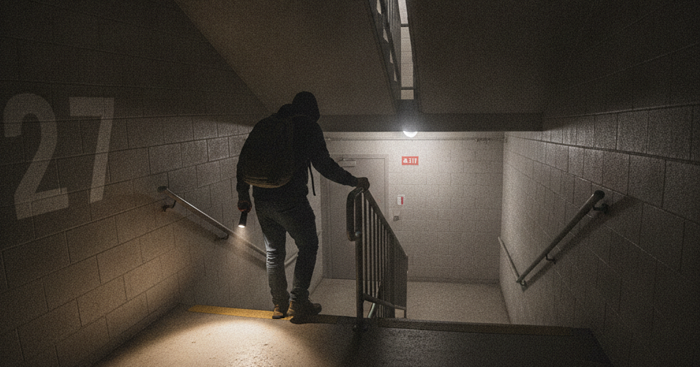
Apartment dwellers should identify at least two exit routes from their building that don't involve main lobbies — stairwells, service exits, and roof access where available. Know your building's layout cold. Pre-position a lightweight go-bag near your door that can be grabbed in under 30 seconds. Consider the grey man principle even in your building — don't let neighbors know the extent of your preparations, as that information becomes dangerous when resources become scarce.
Suburban preppers should map their neighborhood's cut-throughs, footpaths, and trails that allow movement between houses and blocks without using streets. Establish trust relationships with two or three immediate neighbors before any crisis — small mutual aid networks dramatically increase survival probability. For more on this, see our guide to building a Community Survival Team before SHTF.
Recommended Gear Summary
To summarize the core E&E gear discussed throughout this article: build your covert movement kit around a civilian-profile pack like the 5.11 Tactical covert carry backpack, wear non-tactical but durable clothing such as Duluth Trading Company grey man clothing, protect your hands with Mechanix Wear covert gloves, navigate with a Suunto A-10 military lensatic compass backed by a physical map, and maintain satellite communication capability through the Garmin inReach Mini GPS communicator. Together, these tools give you a capable, low-profile E&E kit that works across urban, suburban, and rural environments.
The most important investment, however, remains the one between your ears. Practice your routes. Drill your contingencies. Study human behavior under stress. No piece of survival gear replaces a trained, prepared mind.
What You'll Need
- Dark, neutral-colored clothing (earth tones like brown, green, gray)
- Comfortable, quiet footwear with good tread
- Small backpack or messenger bag
- Water and compact, non-perishable food
- Detailed local maps (paper, not digital)
- Compass
- Small first aid kit
- Flashlight with red lens filter
- Cash in small denominations
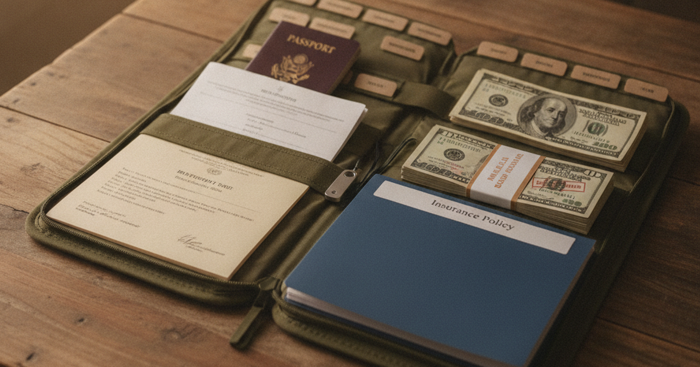
- Personal documents in waterproof container
Step-by-Step Instructions
Step 1: Plan Your Route Using Multiple Paths
Before you move, identify at least three different routes to your destination using your maps. Avoid main roads, highways, and known checkpoints where people will congregate or authorities might set up barriers. Choose paths that offer natural concealment like tree lines, drainage ditches, alleyways, and residential areas rather than open spaces. Mark rally points along each route where you can rest, reassess, or change direction if needed.
Step 2: Move During Low-Visibility Hours
Time your movement for dawn, dusk, or nighttime when visibility is reduced and most people are indoors. Avoid moving during full daylight when you're easily spotted from a distance. Use weather to your advantage—overcast days, light rain, or fog provide additional concealment. If you must move during the day, take frequent breaks in covered positions to observe your surroundings before proceeding.
Step 3: Blend With Your Environment
Wear clothing that matches the urban or rural environment you're moving through—avoid bright colors, reflective materials, or tactical gear that draws attention. Remove or cover anything that makes noise like jangling keys, loose change, or items in your pack. Adopt the pace and posture of people who belong in the area; don't rush, don't look nervous, and avoid making eye contact that invites confrontation. If you encounter others, have a simple, believable cover story ready.
Step 4: Use Cover and Concealment Strategically
Move from one covered position to another, never crossing open areas directly when alternatives exist. Use buildings, vehicles, vegetation, and terrain features to break up your silhouette and shield you from observation. Pause at each position to look and listen for threats before moving to the next. Remember that cover stops bullets while concealment only hides you—know the difference and choose accordingly.
Step 5: Observe Before You Move
Before entering any new area, stop and spend 10-15 minutes watching for patterns, threats, and escape routes. Look for signs of recent activity like footprints, disturbed vegetation, or fresh trash. Listen for voices, vehicles, or other indicators of human presence. Use reflective surfaces like windows or puddles to see around corners without exposing yourself.
Step 6: Minimize Your Signature
Avoid leaving evidence of your passage by staying on hard surfaces when possible rather than soft ground that takes footprints. Don't break branches, disturb trash, or leave any items behind. Control your noise discipline—no talking, phone use, or unnecessary sounds. Manage light discipline by never using white light; if you must use a flashlight, use the red filter and shield it with your hand.
Step 7: Establish a Safe Location
Once you reach your destination or need to hole up, choose a location that offers multiple exits, good visibility of approaches, and concealment from outside observation. Avoid ground floors and top floors in buildings; middle floors offer better escape options. Set up a system to monitor anyone approaching and have an escape plan ready before you rest. Keep your gear packed and ready to move again within 60 seconds if necessary.
Frequently Asked Questions
What is the grey man concept and how do I use it during a SHTF scenario?
The grey man concept is a behavioral and appearance strategy designed to make you as unremarkable and forgettable as possible in a crowd or public environment. During a SHTF scenario, this means wearing neutral, non-tactical clothing, avoiding gear that signals wealth or preparation, moving with calm confidence rather than urgency or fear, and not drawing attention through voice, behavior, or appearance. The goal is to be completely overlooked while everyone else stands out — making you a far less likely target for threats, thieves, or desperate individuals.
What should I put in a bug out bag for urban escape and evasion?
A bug out bag for urban E&E should prioritize lightweight, high-utility items: a physical map and compass for navigation, a basic trauma kit and tourniquets, at least 24–48 hours of water purification capacity (filter straw or purification tablets), calorie-dense emergency food like bars or jerky, a small amount of cash in small bills, a charged battery bank for your phone, a basic multi-tool, a concealed flashlight, rain gear, a change of clothes in grey man colors, and any personal medications. Keep total weight under 25 pounds for sustained movement. The pack itself should look civilian and unremarkable — not tactical.
How do I move safely through the city during civil unrest without being targeted?
Safe movement during civil unrest relies on several combined strategies: avoid peak unrest hours (typically late afternoon through midnight), use secondary streets and alleys instead of main roads, dress like a local working person rather than a prepper or tactical operator, travel in small groups of 2–4 rather than alone or in large visible groups, have multiple pre-planned routes with known rally points, avoid bottlenecks like bridges and underpasses where possible, and continuously monitor your environment for early warning signs of trouble. Keep your head up, your pace steady, and your profile low. If you encounter a crowd or confrontation, detour around it — no destination is worth the risk of direct contact during civil disorder.
Affiliate Disclosure: SHTF Plan participates in the Amazon Services LLC Associates Program. Some links are affiliate links — we may earn a small commission at no extra cost to you.