Bugging In: The Quick Guide to Sheltering at Home
Staying at home — “bugging in” — is often the safest, most practical response during many emergencies (storms, utility outages, civil unrest, or pandemic scenarios). This guide provides detailed, actionable steps and scenarios for stockpiling, water treatment, medical readiness, alternative power & cooking, security fortification for houses and apartments, caring for children and pets, sanitation, and ongoing maintenance.

The Quick Guide to Bugging In: Shelter in Place Preparedness
Introduction: Why Bugging In is Often the Safest Option
When emergencies strike—from natural disasters like hurricanes, blizzards, and wildfires to man-made crises like civil unrest or pandemics—the instinct for many is to evacuate. However, emergency management professionals increasingly recognize that "bugging in" (sheltering in place) is often the safer, more practical option when properly prepared. Unlike evacuation, which exposes you to uncertain routes, potential traffic jams, and unknown destinations, your home provides familiar surroundings, established resources, and protection from the elements. The key to successful bugging in lies in comprehensive preparation across several critical areas.
This guide provides detailed information on creating a resilient shelter-in-place plan that can sustain your household through short-term disruptions and extended emergencies. By systematically addressing each critical area of preparedness, you can transform your residence into a secure haven capable of protecting your family when outside resources are limited or unavailable.
Water Storage and Purification
Water is the most critical resource for human survival. The human body can only survive about three days without water, and dehydration can impair cognitive function and physical capabilities much sooner. During emergencies, municipal water systems may become contaminated or fail entirely. Natural disasters like earthquakes can rupture water mains, while power outages can disable pumping stations. In pandemic scenarios, infrastructure maintenance may be delayed, potentially compromising water quality.
Proper water preparedness involves both storing adequate amounts and having multiple methods to purify questionable water sources. The standard recommendation is to store at least one gallon of water per person per day, with a minimum three-day supply for most emergencies and a two-week supply for comprehensive preparedness. Remember to account for pets, which typically need at least one ounce of water per pound of body weight daily.
Steps to Ensure Adequate Water Supply:
- Calculate your household's daily water needs (1 gallon per person plus water for pets)
- Store commercially bottled water in a cool, dark place away from chemicals
- Use food-grade water storage containers for additional supplies
- Learn how to access alternative water sources in your home (water heater, toilet tanks)
- Acquire multiple water purification methods (filters, chemical treatment, boiling capability)
- Rotate stored water every six months to maintain freshness
Recommended Water Products:
- WaterBrick 3.5-Gallon Water Storage Containers - Stackable, durable containers that maximize storage space
- LifeStraw Family Water Purifier - Removes 99.9999% of bacteria, 99.99% of viruses, and 99.99% of protozoa
- Aquamira Water Treatment Drops - Chlorine dioxide treatment that effectively neutralizes pathogens
Food Supplies and Nutrition
During emergencies, nutritional needs may increase due to stress and physical demands, while cooking capabilities may be limited. Grocery stores typically only have 3-5 days of inventory, and supply chain disruptions can quickly lead to empty shelves. In winter storm scenarios, you might be housebound for weeks, while during civil unrest, venturing out for supplies could be dangerous. Proper food storage ensures you can meet caloric and nutritional needs without exposure to unnecessary risks.
A well-planned food stockpile should emphasize nutrition, shelf stability, and minimal preparation requirements. Focus on storing foods your family already eats and enjoys, as stress-filled emergencies are not the time to introduce unfamiliar foods. Remember to include comfort foods and treats that can boost morale during difficult times. Proper rotation is essential to maintain freshness and avoid waste.
Steps to Building a Comprehensive Food Stockpile:
- Inventory your current pantry and note expiration dates
- Calculate caloric needs (at least 2,000 calories per person per day)
- Focus on nutrient-dense, non-perishable foods with long shelf lives
- Include foods that require minimal water and preparation
- Store a manual can opener and basic cooking utensils
- Rotate stock regularly using the first-in, first-out (FIFO) method
- Consider special dietary needs and preferences
Recommended Food Products:
- Augason Farms 30-Day Emergency Food Storage - Balanced selection with 25-year shelf life
- Mountain House Classic Bucket - Assorted freeze-dried meals with 30-year shelf life
- Stackable Food Organizers - Efficiently organize and rotate canned goods
Medical Preparedness and First Aid
During emergencies, hospitals may be overwhelmed, inaccessible, or themselves compromised. Everyday injuries become more dangerous when professional medical help is unavailable. Conditions that are normally manageable (like infections or chronic illnesses) can become life-threatening without proper supplies. In disaster scenarios, the risk of injury increases while access to care decreases, making comprehensive medical preparedness essential.
A comprehensive medical kit should address both routine health needs and emergency trauma situations. Beyond supplies, knowledge is critical—taking first aid and CPR training dramatically improves outcomes when professional help is delayed. Special considerations should be made for family members with chronic conditions, ensuring adequate medication supplies and necessary equipment.
Steps to Medical Preparedness:
- Take a certified first aid and CPR course
- Assemble a comprehensive first aid kit with trauma supplies
- Maintain at least a 30-day supply of prescription medications
- Keep copies of medical records and prescriptions
- Include dental emergency supplies
- Stock over-the-counter medications for common ailments
- Learn basic diagnostic skills (taking temperature, blood pressure)
Recommended Medical Products:
- First Aid Only 298-Piece First Aid Kit - Comprehensive kit for common injuries
- Comprehensive Trauma First Aid Kit - Includes tourniquets and trauma supplies
- Ibuprofen - OTC medications for common pain
Power and Alternative Energy
Power outages often accompany or trigger emergencies. Without electricity, lighting, communication, refrigeration, and climate control fail. In winter storms, lack of heat can lead to hypothermia; in heat waves, lack of cooling can cause heatstroke. Medical devices may cease functioning, and information flow is disrupted. Extended blackouts can collapse the supply chain for fuel and other necessities.
Developing a layered power strategy ensures you can maintain critical systems during outages. This includes primary backup systems (generators), secondary options (power stations), and tertiary alternatives (solar chargers). Safety must be paramount, particularly with fuel-based systems that produce carbon monoxide. Prioritizing power needs helps allocate limited resources effectively during extended emergencies.
Steps to Power Preparedness:
- Inventory essential devices that require power
- Invest in multiple lighting sources (flashlights, lanterns, headlamps)
- Consider a generator for extended outages (always use outdoors)
- Have battery-powered or hand-crank radio for emergency broadcasts
- Store extra batteries for all devices
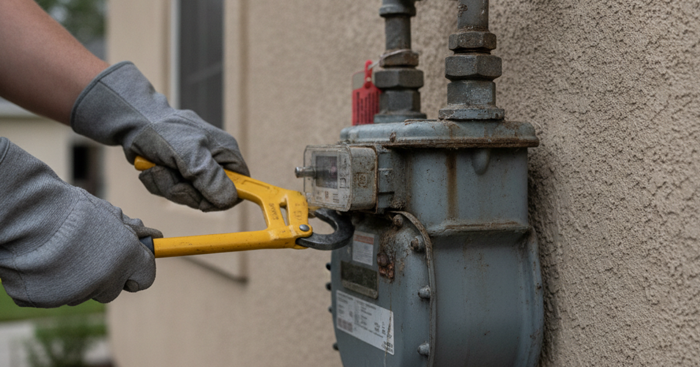
- Learn how to safely shut off your home's power if necessary
- Consider solar chargers for small electronics
Recommended Power Products:
- Goal Zero Yeti 500X Portable Power Station - Solar-generator for essential devices
- Jackery Portable Power Station - Reliable lithium battery power station
- Professional-Grade Flashlights and Headlamps - Durable lighting options
Home Security and Fortification
During emergencies, law enforcement may be overwhelmed or unavailable, while desperation can increase crime rates. Natural disasters often bring looting, and civil unrest can directly threaten homes. Standard residential locks and doors provide minimal protection against determined intrusion. Without proper security measures, your supplies and family could be vulnerable when societal structures are weakened.
Home fortification involves reinforcing entry points, improving visibility, and establishing security protocols. The goal is to deter opportunists rather than create a fortress. Balance visible security with maintaining a low profile to avoid drawing unwanted attention to your supplies. Remember that in most emergencies, community cooperation provides better security than isolation.
Steps to Home Security:
- Reinforce exterior doors with deadbolts and strike plates
- Install security film on windows to prevent easy entry
- Establish exterior lighting (motion-activated preferred)
- Trim landscaping to eliminate hiding spots near windows and doors
- Establish a safe room with reinforced door
- Develop communication protocols with family members
- Build relationships with trusted neighbors for mutual support
Recommended Security Products:
- Master Lock Door Security Bar - Prevents forced entry through doors
- Safety and Security Window Film - Holds glass together when shattered
- Heavy-Duty Flashlights - High-lumen tactical flashlights
Sanitation and Hygiene
When water systems fail, basic sanitation becomes challenging rapidly. Poor hygiene can lead to disease spread in confined spaces, compounding emergencies. Proper waste management is crucial to prevent contamination and illness. In extended emergencies, sanitation may become the difference between staying healthy and contracting preventable diseases.
A comprehensive sanitation plan addresses waste disposal, personal hygiene, and cleaning needs. It includes alternatives for when normal systems are compromised and emphasizes practices that prevent disease transmission. Special considerations are needed for infants, the elderly, and those with compromised immune systems.
Steps to Sanitation Preparedness:
- Store extra garbage bags and containers for waste
- Have portable toilet options (camp toilet or bucket system)
- Stock hygiene supplies (soap, toothpaste, feminine products)
- Include disinfectants and cleaning supplies
- Learn proper waste disposal methods when systems fail
- Practice water-conserving hygiene techniques
- Include supplies for managing illness (plastic gloves, masks)
Recommended Sanitation Products:
- Portable Camp Toilet - Essential when plumbing is compromised
- Disinfecting Wipes - For surface cleaning without water
- Hand Sanitizer - Critical when water is limited
Special Considerations for Children and Pets
Children have unique physical and emotional needs during emergencies. They may not understand what's happening and require extra reassurance. Their nutritional needs differ from adults, and they may need special comfort items to feel secure. Pets are entirely dependent on your preparations and present their own challenges for sheltering in place.
Involving children in age-appropriate preparedness activities helps reduce their anxiety and builds important skills. For pets, maintaining routines as much as possible reduces stress. Both groups need identification measures in case of separation and special supplies that might not be readily available during emergencies.
Steps for Family Preparedness:
- Include children's favorite comfort foods and activities
- Practice emergency drills appropriate for all ages
- Store extra supplies of formula, diapers, and pediatric medications
- Maintain pet vaccination records and medical history
- Have carriers, leashes, and pet sanitation supplies
- Include pets in your water and food calculations
- Create emergency information cards for each family member
Recommended Family Products:
- Emergency Preparedness Books for Children - Age-appropriate resources
- Medical Information Organizers - Document medications and history
- Pet Emergency Kits - Include first aid and sanitation items
Recommended Reading
- The Prepper's Blueprint: The Step-By-Step Guide To Help You Through Any Disaster by Tess Pennington
- When the Grid Goes Down: Disaster Preparations and Survival Gear For Making Your Home Self-Reliant by Tony Nester
- The Survival Medicine Handbook: A Guide for When Help is Not on the Way by Joseph Alton and Amy Alton
- The Prepper's Communication Handbook by Jim Cobb
Drills, Maintenance & Long-Term Mindset
A kit is only useful if it works when needed. Run periodic drills to simulate shelter-in-place scenarios, test radios and power sources, and rehearse getting to the shelter room in the dark. A 24-hour "live from the kit" drill exposes logistics and comfort gaps (missing utensils, insufficient cooking gear) and helps you optimize supplies without panic-driven buying.
Schedule quarterly maintenance: rotate perishable foods, check battery health in radios and detectors, top off fuel storage within local safety limits, and replace expired medical items. Keep a simple log of kit inventories and test dates so responsibilities don’t fall to one person. This maintenance discipline keeps options open and reduces stress when real events occur.
Scenario: After a practice 24-hour kit drill reveals that the family ran out of paper plates and the manual can opener was missing, you update the inventory and re-stage the kits. The next real outage is smoother and less stressful because the house has already practiced and corrected weak points.
Practical steps: 1) Hold a quarterly kit check and a yearly 24-hour live drill. 2) Keep an inventory log and rotate supplies. 3) Update the plan for new household members, pets, or medical needs.
Official Resources and Citations
- Federal Emergency Management Agency (FEMA). (2023). Ready.gov. Emergency preparedness information.
- American Red Cross. (2023). Survival Kit Supplies. Emergency supply recommendations.
- Centers for Disease Control and Prevention (CDC). (2023). Emergency Preparedness and Response. Public health preparedness information.
- Department of Homeland Security. (2023). Shelter in Place Guidelines. Official sheltering recommendations.
What You'll Need
- Two weeks' supply of non-perishable food (canned goods, dry grains, protein bars)
- One gallon of water per person per day (minimum 14 gallons per person)
- Battery-powered or hand-crank radio
- Flashlights and extra batteries
- First aid kit with prescription medications
- Manual can opener
- Plastic sheeting and duct tape for sealing windows/doors
- Sanitation supplies (toilet paper, garbage bags, bleach)
- Important documents in waterproof container
- Cash in small bills
Step-by-Step Instructions
Step 1: Secure Your Home's Entry Points
Lock all doors and windows immediately, then reinforce them if necessary. Close blinds and curtains to maintain privacy and prevent others from seeing inside your home. If the threat involves contaminated air or chemical hazards, use plastic sheeting and duct tape to seal gaps around doors, windows, and vents. Create a safe room in an interior space with minimal windows for maximum protection.
Step 2: Inventory Your Resources
Take stock of all food, water, and essential supplies you have on hand. Calculate how long your supplies will last based on the number of people sheltering with you. Organize items by category and expiration date, placing the oldest items where they're easily accessible to use first. Make a written list of what you have and ration amounts for each person per day.
Step 3: Establish Communication Protocols
Designate one out-of-state contact person that all family members can check in with during the emergency. Monitor local news and emergency broadcasts using your battery-powered radio or phone (while conserving battery life). Set specific times to check for updates rather than constantly monitoring, which drains resources. Text messages often work when phone networks are overloaded, so use them as your primary communication method.
Step 4: Prepare Sanitation and Hygiene Systems
If water service is interrupted, set up an emergency toilet using a bucket lined with garbage bags. Store water for washing hands and basic hygiene separate from drinking water. Create a handwashing station using stored water, soap, and paper towels or clean rags. Mix one part bleach to nine parts water for disinfecting surfaces and tools.
Step 5: Manage Your Water Supply
If you have advance warning, fill bathtubs, sinks, and any clean containers with water immediately. Store water in a cool, dark place and avoid containers that previously held chemicals or toxic substances. Plan for one gallon per person per day for drinking and basic hygiene needs. If you need to purify questionable water, boil it for at least one minute or use water purification tablets.
Step 6: Maintain Physical and Mental Health
Create a daily routine that includes regular meals, exercise within your space, and designated rest periods. Limit exposure to stressful news and social media to specific times of day. Engage in activities that maintain morale such as reading, games, or hobbies that don't require electricity. Monitor everyone for signs of illness or psychological distress and address issues early.
Step 7: Conserve Power and Heat Resources
Turn off unnecessary lights and appliances to preserve electricity if the grid is unstable. Use flashlights instead of candles to reduce fire risk, and only use generators outdoors away from windows. Layer clothing and use blankets to stay warm rather than relying solely on heating systems. If you must use alternative heating sources like kerosene heaters, ensure proper ventilation to prevent carbon monoxide poisoning.