Cold Weather Survival: How to Stay Warm When the Heat Goes Out
When the power fails in winter, your home becomes a race against hypothermia. Learn the layered strategies that keep your family warm without electricity.
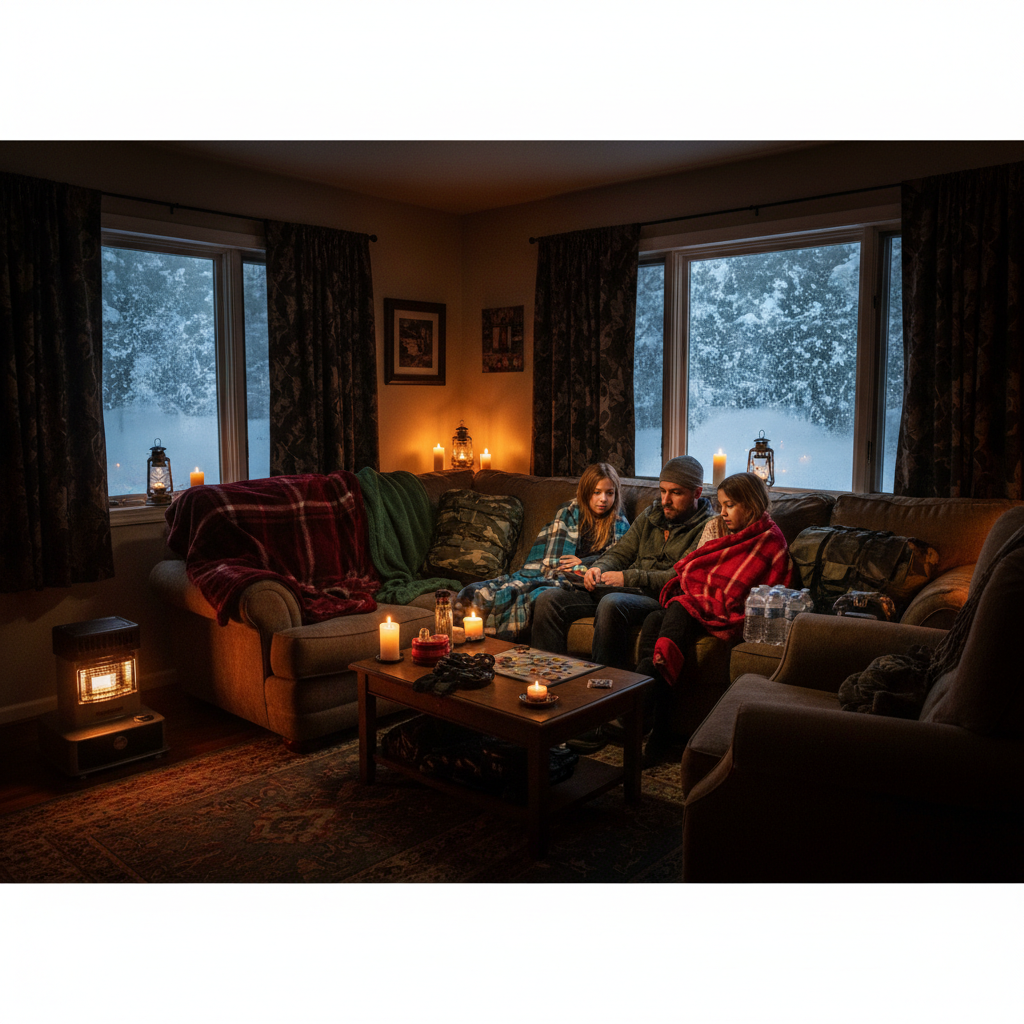
When the Heat Goes Out: Your Life May Depend on What You Do Next
Every winter, thousands of Americans find themselves in a life-threatening situation they never anticipated: a power outage during sub-freezing temperatures with no backup heat source. According to the CDC, approximately 1,300 people die from hypothermia each year in the United States, and a significant portion of those deaths occur indoors — in homes that people assumed were safe. The brutal reality is that a well-insulated house can drop to dangerously cold temperatures within hours of losing heat during a severe cold snap.
The 2021 Texas Winter Storm Uri was a wake-up call for millions of people who believed catastrophic cold was someone else's problem. Over 700 people died, many from hypothermia inside their own homes. This wasn't a third-world crisis — it was a modern American disaster, and it can happen anywhere. Whether you're facing a winter storm, a grid failure, or a prolonged natural disaster, knowing how to stay warm without conventional heating isn't optional. It's survival.
Understanding the Threat: How Quickly Cold Becomes Deadly
Most people dramatically underestimate how fast the human body loses heat. When your core body temperature drops below 95°F (35°C), you are clinically hypothermic. At 86°F (30°C), you lose consciousness. Below 82°F (28°C), cardiac arrest becomes a serious risk. The terrifying part? You may not even feel cold as hypothermia progresses — confusion, drowsiness, and impaired judgment are hallmark symptoms, which means victims often stop helping themselves at exactly the moment they need to act most.
An unheated home in a region experiencing 20°F outdoor temperatures can lose roughly 1–2 degrees of indoor temperature per hour, depending on insulation quality, home size, and wind exposure. That means within 12 hours, a home that started at 68°F could drop below 50°F — and within 24 hours, it could approach outdoor ambient temperatures. Time is not on your side.
Step One: Seal and Consolidate
Before you light a single candle or fire up a backup heater, you need to reduce the space you're trying to heat. Heat loss is your enemy, and a 2,000 square foot home is vastly harder to keep warm than a single insulated room.
- Choose one interior room — ideally one with the fewest exterior walls and windows. Interior bathrooms or hallways retain heat remarkably well.
- Block drafts immediately. Roll up towels and place them against door bottoms. Use tape and plastic sheeting on windows if necessary.
- Close off all unused rooms. Every room you're not using is bleeding heat you desperately need to retain.
- Hang heavy blankets over doorways to create a smaller, more manageable survival space within a larger room.
This "warm room" concept is the cornerstone of cold weather indoor survival and can dramatically reduce the energy — human or otherwise — needed to maintain livable temperatures.
Backup Heating Options That Actually Work
Propane Heaters
For many preppers, a quality indoor-rated propane heater is the single most important piece of cold weather survival gear they own. The Mr. Heater F232000 MH9BX Buddy Indoor-Safe Portable Propane Heater is one of the most popular options in the preparedness community for good reason. It's rated for indoor use, features an automatic low-oxygen shutoff sensor, and can heat spaces up to 200 square feet on a single 1-pound propane cylinder. Always crack a window slightly when using any combustion-based heater indoors, and keep a working carbon monoxide detector nearby. Store at least a two-week supply of fuel canisters in your preparedness stockpile.
Electric Infrared Heaters (When Power Is Intermittent)
If your outage is partial — for example, you have generator power but your central heating system is down — an electric space heater can be a lifesaver. The Duraflame 2IN1 Electric Infrared Quartz Fireplace Heater is an excellent option because infrared technology heats objects and people directly rather than just warming air, which makes it significantly more efficient in drafty conditions. Pair this with a generator and you have a robust short-term solution.
Layer Up: Personal Thermal Management Is Non-Negotiable
Heating the room is only half the battle. Heating your body is the other. The layering system used by military personnel and mountaineers applies directly to survival situations:
- Base layer: Moisture-wicking thermal underwear. Avoid cotton — it holds moisture and accelerates heat loss. Wool or synthetic materials are far superior.
- Mid layer: Insulating fleece or wool sweaters. The goal is to trap warm air close to your body.
- Outer layer: A wind-resistant jacket or coat, even indoors if temperatures are severe.
Pay special attention to your extremities. Significant body heat escapes through your head, hands, and feet. Wear a wool hat indoors without embarrassment — it can make a measurable difference in how warm you feel. For your feet specifically, Thermacell Heated Insoles Rechargeable Boot Heaters are a legitimate game-changer during extended cold emergencies, providing active warmth to one of the most heat-sensitive areas of your body.
For on-demand hand warmth without electricity, the Zippo 12-Hour Hand Warmer (2-Pack) with Lighter Fluid provides reliable, sustained heat for up to 12 hours per fill. These catalytic hand warmers are far more economical and consistent than disposable chemical packs for a long-duration emergency.
Emergency Sleeping Arrangements
Your most vulnerable hours during a cold emergency are when you're sleeping. Core body temperature naturally drops during sleep, and without adequate insulation, you can become hypothermic without waking up. This is not a hypothetical — it happens every winter.
Everyone in your household should sleep in the same room and, if possible, share body heat. A quality cold-rated sleeping bag is one of the most critical investments a prepper can make. The Coleman Sundome 4-Person Cold Weather Sleeping Bag (15°F Rated) is designed to keep multiple people warm in genuinely brutal temperatures, making it ideal for family survival scenarios.
For an additional layer of emergency thermal protection, Mylar Emergency Thermal Blankets by Don't Die In The Woods (5-Pack) can reflect up to 90% of body heat back toward you. Wrap one around the outside of your sleeping bag or use it as an additional layer over your blankets. These cost just a few dollars and weigh almost nothing — there is no reason not to have them.
Recognizing and Responding to Hypothermia
Know the warning signs in yourself and others:
- Uncontrollable shivering (or — dangerously — shivering that has stopped in someone who is still cold)
- Slurred speech or mumbling
- Slow, shallow breathing
- Confusion, poor decision-making, or unusual drowsiness
- Weak pulse
- Loss of coordination
If someone shows these signs, move them to the warmest available area, remove any wet clothing, and apply warm (not hot) compresses to the neck, armpits, and groin — areas with major blood vessels close to the skin. Do not rub the extremities vigorously, as this can drive cold blood toward the core and worsen the situation. Seek emergency medical help immediately if symptoms are severe.
Build Your Cold Weather Kit Now — Not During the Storm
The single most dangerous mistake people make in emergency preparedness is waiting until a threat is imminent to take action. Propane heaters sell out within hours of a major winter storm warning. Sleeping bags disappear from shelves. Stores are overwhelmed and stripped bare. Your window to prepare is right now, while conditions are calm.
Cold weather survival is not complicated, but it demands respect and preparation. Seal your space, layer your clothing, secure backup heat, and know the signs of hypothermia. These aren't survival tricks for extreme adventurers — they're basic life skills that every family in every climate should possess.
The heat will go out someday. The only question is whether you'll be ready when it does.
Select the smallest room in your home, preferably one without exterior walls or with minimal windows. Close all doors to unused rooms to contain heat in your designated space. Move essential supplies, bedding, and food into this room so you can minimize movement throughout the house. Use towels, blankets, or draft stoppers to block gaps under doors and around window frames. Cover windows with plastic sheeting, heavy curtains, or even cardboard to create an insulating barrier. Tape the edges securely with duct tape to prevent cold air infiltration and retain any available warmth. Put on a moisture-wicking base layer next to your skin, followed by an insulating middle layer like fleece or wool, and finish with a windproof outer layer. Don't forget a hat, as you lose significant body heat through your head, and wear warm socks with proper-fitting boots or shoes. Change out of any damp clothing immediately, as moisture drastically increases heat loss. Set up your sleeping space away from exterior walls and off the floor if possible, using a mattress or layers of blankets as insulation from the cold ground. Layer multiple blankets and sleeping bags, getting inside the sleeping bag while wrapped in blankets for maximum warmth. Consider sharing body heat with family members by sleeping in close proximity. Eat high-calorie foods regularly throughout the day to fuel your body's internal heating system, focusing on proteins and fats that provide sustained energy. Drink warm liquids frequently to maintain core temperature, but avoid alcohol as it actually causes your body to lose heat faster. Keep emergency water supplies from freezing by storing them in your insulated survival room. If using candles for minimal heat and light, place them in stable holders away from flammable materials and never leave them unattended. Never use gas stoves, generators, or grills indoors as they produce deadly carbon monoxide. If you have a fireplace, use it only if the chimney is clear and functional, and keep a window cracked slightly for ventilation. Check yourself and family members regularly for signs of hypothermia including intense shivering, confusion, slurred speech, or drowsiness. Watch for frostbite symptoms such as numbness, white or grayish skin, and hard or waxy-feeling areas. If symptoms appear, gradually rewarm the affected person with dry blankets and warm beverages, and seek medical attention as soon as possible.What You'll Need
Tools
Supplies
Step-by-Step Instructions
Step 1: Choose and Prepare a Single Room as Your Survival Space
Step 2: Seal All Air Leaks and Insulate Windows
Step 3: Layer Your Clothing Using the Three-Layer System
Step 4: Create a Warm Sleeping Area with Proper Insulation
Step 5: Maintain Your Body Temperature Through Food and Hydration
Step 6: Use Safe Heat Sources and Monitor for Carbon Monoxide
Step 7: Monitor Your Condition and Watch for Warning Signs