Smoke, Carbon Monoxide, and Gas: How to Choose the Right Home Alarm System for Emergency Preparedness
The right combination of home alarms can be the difference between life and death. Here's how to build a layered detection system before disaster strikes.
Every year in the United States, roughly 2,500 people die in home fires and more than 400 Americans die from unintentional carbon monoxide poisoning — and those are the numbers during normal times. When the grid goes down, generators spin up, heating systems malfunction, and the risks multiply fast. For preppers who take home security seriously, a layered alarm system isn't a luxury. It's a foundational element of emergency preparedness as critical as your bug out bag or your emergency food storage.
Whether you're in a high-rise apartment in Chicago, a suburban split-level in Ohio, or a rural homestead running on propane and a wood stove, your household faces real and ongoing threats from smoke, carbon monoxide, and combustible gas leaks. This guide will help you understand each threat, choose the right detectors, install them correctly, and integrate them into your broader SHTF preparedness plan.
Understanding the Three Invisible Threats in Your Home
Smoke: The Warning You Can See — Sometimes
Smoke alarms are the most widely deployed home safety device in America, yet the U.S. Fire Administration reports that roughly three out of five home fire deaths occur in homes with no working smoke alarms. Fires spread fast — a house can become fully engulfed in less than five minutes under the right conditions. In a grid-down scenario, fire becomes exponentially more dangerous because candles, improvised heating, and stored fuels create new ignition risks while delayed emergency response means you're truly on your own.
There are two primary smoke detector technologies: ionization detectors, which respond faster to fast-flaming fires, and photoelectric detectors, which respond faster to slow, smoldering fires. The NFPA recommends using both types or combination units in your home. For preppers running off-grid heating, cooking, or lighting setups, photoelectric alarms are particularly valuable because smoldering fires — from improperly banked wood stoves, overloaded propane heaters, or candles burning near fabric — are a serious threat.
Carbon Monoxide: The Killer You Can't Detect Without Help
Carbon monoxide (CO) is colorless, odorless, and lethal. It's produced any time a fuel burns — propane, natural gas, wood, gasoline, kerosene, or charcoal. The critical prepper context here is this: every backup heating system, every generator, every camp stove brought indoors in desperation becomes a potential CO source. Running a generator in a garage — even with the door open — can produce lethal concentrations of CO within minutes.
The Centers for Disease Control reports that CO poisoning sends more than 50,000 Americans to emergency rooms annually. Symptoms mimic the flu — headache, dizziness, nausea — which means people often don't realize they're being poisoned until it's too late. A quality Kidde battery operated carbon monoxide detector alarm placed in sleeping areas and near fuel-burning appliances gives you the early warning margin that saves lives — especially for families with children or elderly members who are more vulnerable to CO effects.
Natural Gas and Propane: The Explosive Threat
Natural gas and propane leaks present a dual hazard: asphyxiation at high concentrations and the risk of explosion or fire when the gas-air mixture reaches its lower explosive limit. Propane is heavier than air and sinks to floor level, making it particularly dangerous in basements, crawl spaces, and enclosed rural structures. Natural gas rises and accumulates near ceilings. Each behaves differently, which affects where you place your detectors.
Rural preppers relying heavily on propane should pay special attention to this threat. A slow leak from aging fittings, improperly connected appliances, or storm-damaged lines can fill a structure before anyone smells anything — particularly in well-insulated, modern construction. The Kidde natural gas leak detector home alarm is designed specifically for this threat and should be part of any home running on gas appliances.
What You'll Need
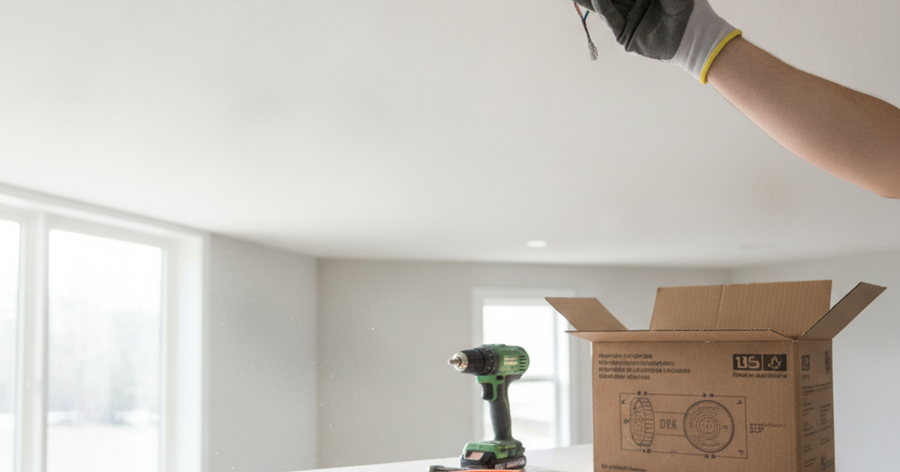
Tools
- Drill with bits (for hardwired installation)
- Flathead and Phillips screwdrivers
- Voltage tester (for hardwired units)
- Ladder or step stool
Supplies
- Combination smoke, CO, and natural gas 3-in-1 alarm
- Kidde interconnected smoke alarm system (hardwired)
- Fresh 9V or AA lithium batteries (for battery-backup units)
- Replacement detector units (for rotation and spares)
Choosing the Right Alarm System for Your Living Situation
Apartment and Urban Dwellers
If you rent, you may not be able to install hardwired units — but you still have options, and you still have legal protections. Most states require landlords to provide working smoke and CO detectors, but that doesn't mean you should rely solely on what came with the unit. Battery-powered combination alarms give renters the flexibility to add coverage without wiring. The First Alert smoke detector carbon monoxide detector combo is a popular choice for renters and apartment dwellers who need a reliable, no-install-required solution that covers both primary threats in one unit.
Urban preppers should also consider that multi-unit buildings present unique risks: a fire or gas leak in a neighboring unit can reach you before you're even aware a problem exists. Earlier detection equals more time to execute your urban evacuation plan and get your family out safely.
Suburban Homeowners
Homeowners have the most flexibility and the most responsibility. A proper suburban alarm system should be interconnected — meaning when one alarm triggers, all alarms in the home sound simultaneously. This is especially critical in larger homes where someone sleeping in a bedroom on the far end might not hear an alarm sounding in the basement.
The Kidde interconnected smoke alarm system (hardwired) offers the gold standard for this use case — hardwired units with battery backup that communicate with each other across your whole home. Even if the power goes out, the battery backup keeps them operational. For preppers, that battery backup isn't optional — it's essential.
Rural Homesteaders and Off-Grid Homes
Rural settings introduce threats that suburban and urban residents rarely face: propane heating systems, wood stoves, outdoor-to-indoor generator use, and fewer immediate emergency response options. If your nearest fire station is 30 minutes away, an extra two minutes of warning from a properly placed detector could be the difference between a controlled evacuation and a catastrophe.
For tech-connected rural homesteads with WiFi capability, the Nest Protect smoke and carbon monoxide smart alarm offers remote notification to your smartphone — a significant advantage if you're working outbuildings or fields and need to know what's happening inside your home. It also uses a split-spectrum sensor that detects both fast-flaming and smoldering fires and speaks aloud to tell you what kind of hazard has been detected.
Combination Alarms vs. Standalone Units: Which Strategy Is Right?
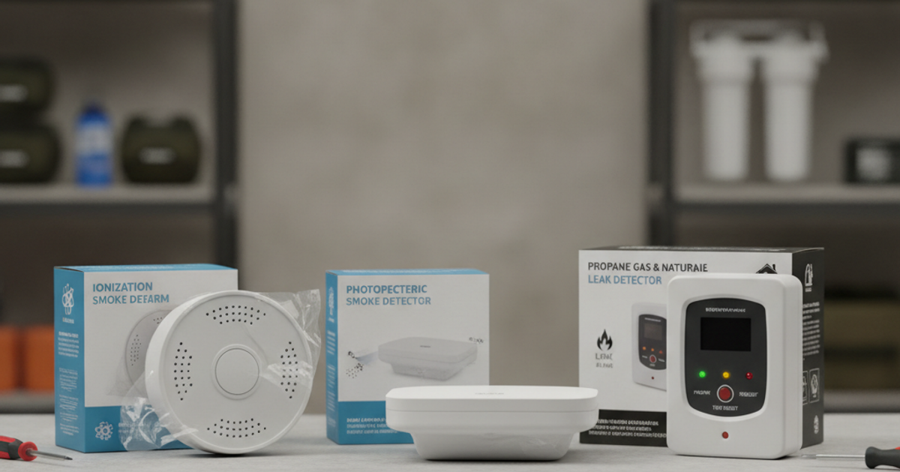
The prepper's inclination toward redundancy applies directly here. A combination alarm that detects smoke, CO, and gas in a single unit offers convenience and cost savings, but there's an argument for dedicated standalone units as well. Dedicated detectors can be optimized for each specific threat — placed at the correct height and in the correct location for that hazard alone.
For most households, a hybrid approach works best: combination units in bedrooms and main living areas for broad coverage, with dedicated gas detectors near appliances and standalone CO detectors near sleeping areas. The Kidde combination smoke and carbon monoxide alarm detector is a reliable, cost-effective starting point for households building or upgrading their alarm infrastructure. For those who want true three-in-one protection, a combination smoke, CO, and natural gas 3-in-1 alarm covers all three threats in a single device — ideal for spaces where multiple fuel-burning appliances are present, like a kitchen or utility room.
Alarm Placement: Height, Location, and Quantity Matter
Even the best detector fails if it's in the wrong place. Here's the breakdown:
- Smoke detectors should be installed on the ceiling or high on walls (within 12 inches of the ceiling). Place one on every level of the home, inside each bedroom, and outside each sleeping area.
- Carbon monoxide detectors should be installed at breathing height — roughly 5 feet from the floor — since CO mixes evenly with air. Place them near sleeping areas and within 10 feet of fuel-burning appliances.
- Natural gas detectors should be mounted high on walls near gas appliances (natural gas rises). Propane detectors should be mounted near the floor (propane sinks). Many combination gas detectors sense both, but read the manufacturer specifications.
- Never install smoke detectors in kitchens, bathrooms, or garages where false alarms from steam and exhaust are common — unless the unit has a "hush" feature and is rated for those environments.
Regarding safe room construction, if you've built a dedicated shelter space in your home, that room should have its own independent alarm — especially if it's going to be sealed against outside threats. CO or gas accumulation in a sealed space is a serious danger.
Step-by-Step Instructions

Step 1: Audit Your Current Alarm Coverage Room by Room
Walk through every level of your home, including the basement and attic if applicable, and map every existing alarm. Note the type (smoke only, CO only, or combination), the installation date, and the power source. Any alarm older than 10 years for smoke or 7 years for CO should be replaced immediately — sensors degrade over time regardless of how they look externally.
Step 2: Identify All Fuel-Burning Appliances and High-Risk Areas
Make a list of every appliance or heat source that burns fuel: gas range, water heater, furnace, wood stove, propane heater, fireplace, or any other combustion appliance. These are your primary CO and gas leak risk points. Note whether each runs on natural gas or propane — this determines the type and placement of your gas detectors.
Step 3: Select the Right Detector Types for Each Zone
Based on your audit, determine which alarm types each area needs. Bedrooms and hallways need smoke and CO coverage at minimum. Rooms with gas appliances need gas leak detection. Decide whether you'll use combination units, standalone units, or a hybrid approach based on your budget and the specific risks in each area of your home.
Step 4: Install Detectors at Correct Heights and Locations
Install smoke detectors on the ceiling or within 12 inches of it. Install CO detectors at breathing height, roughly 5 feet off the floor. Install natural gas detectors high on the wall near appliances; install propane detectors near floor level. Keep all detectors at least 10 feet from cooking appliances to reduce nuisance alarms, and never install them in dead air spaces like ceiling corners or near HVAC vents.
Step 5: Interconnect Your Alarm System for Whole-Home Coverage
If you're a homeowner, wire or wirelessly interconnect your smoke alarms so that all units sound when any single unit triggers. This is especially critical in multi-story homes and large square-footage properties. Hardwired interconnected systems with battery backup provide the most reliable coverage, but modern wireless interconnected battery-operated systems are a viable option for renters or retrofit situations.
Step 6: Test Every Alarm After Installation
Press the test button on each newly installed unit and confirm it sounds. For interconnected systems, verify that triggering one unit activates all others. Do not assume a new unit from the box is functioning correctly — manufacturing defects happen, and this test takes 30 seconds per unit.
Step 7: Create a Written Maintenance and Replacement Schedule
Write down the installation date for every alarm in your home and set a calendar reminder to test each unit monthly, replace batteries annually (or whenever the low-battery chirp sounds), and replace the entire unit on schedule — every 10 years for smoke detectors, every 7 years for CO detectors. Treat this schedule like you treat rotating your emergency food storage: discipline now prevents failure when it matters most.
Step 8: Integrate Alarms into Your Family Emergency Response Plan
Every member of your household should know what each alarm sound means and what to do when it triggers. Establish a clear protocol: for smoke alarms, evacuate using your primary and secondary routes. For CO alarms, evacuate immediately and call 911 from outside. For gas alarms, don't flip any light switches, leave doors open as you exit, and don't re-enter until cleared by the gas company. Practice this with your family at least twice a year.
Power Sources and Redundancy: Thinking Like a Prepper
The prepper mindset demands redundancy. Hardwired alarms with battery backup are the ideal — they maintain function during normal conditions and fail over to battery during a power outage. For off-grid households or those preparing for extended grid-down scenarios, battery-only units powered by long-life lithium batteries provide reliable standalone protection. Lithium batteries outperform alkaline in extreme cold — a critical factor for rural homesteaders dealing with harsh winters.
Some advanced smart alarms like the Nest Protect also offer interconnection via WiFi and can send alerts to your smartphone — a genuine advantage for situational awareness when you're away from the home. However, smart alarms should be treated as a supplement to, not a replacement for, conventional hardwired or battery-operated systems. If the internet goes down, your smart alarm should still function locally.
For complete home security integration, pair your alarm system with other layered protection. See our guide on personal alarm and alert systems for home security for a broader look at integrated home protection strategies.
Recommended Gear
Building a complete home detection system doesn't require spending a fortune, but it does require intentional selection. For households that haven't yet added a dedicated CO detector to sleeping areas, the Kidde battery operated carbon monoxide detector alarm is an affordable, proven unit that requires no wiring and can be placed exactly where your family needs it most. For homes that want smart integration without sacrificing reliability, the Nest Protect smoke and carbon monoxide smart alarm delivers voice alerts, smartphone notifications, and a self-testing system that reduces the chance of undetected sensor failure. Check our full recommended survival gear page for additional vetted preparedness equipment.
Frequently Asked Questions
How many smoke and CO detectors do I actually need in my home?
The NFPA recommends a smoke alarm on every level of the home, inside every bedroom, and outside every sleeping area. For a typical two-story three-bedroom home, that's a minimum of seven smoke alarms. Carbon monoxide detectors should be installed on every level and outside each sleeping area, particularly near any fuel-burning appliance. For a prepper-grade setup, err on the side of more coverage rather than less — redundancy is a survival principle, not just a safety guideline.
Do I need a separate gas leak detector if I already have a smoke and CO alarm?
Yes. Most combination smoke and CO alarms do not detect natural gas or propane. Gas leak detectors use a different sensor technology (typically catalytic bead or semiconductor sensors) specifically calibrated for combustible gases. If you have a gas range, gas water heater, propane heating system, or any other gas appliance, you need a dedicated gas leak detector in addition to your smoke and CO coverage. Three-in-one alarms that detect smoke, CO, and gas are available and offer convenient combined coverage for high-risk areas.
What should I do when a carbon monoxide alarm goes off?
Treat every CO alarm as a real emergency until proven otherwise. Immediately move everyone — including pets — outside into fresh air. Do not stop to investigate, open windows, or turn off appliances before exiting. Call 911 from outside. Do not re-enter until emergency responders have cleared the building and identified the source. Symptoms of CO poisoning (headache, nausea, confusion) should prompt immediate medical evaluation even if they feel mild — CO exposure can cause lasting neurological damage at sub-lethal levels.
Affiliate Disclosure: SHTFPlan.net participates in the Amazon Services LLC Associates Program. Some links are affiliate links — we may earn a small commission at no extra cost to you.