Pressure Points: How to Stay Calm and Make Smart Decisions When a Crisis Hits
Panic kills faster than most disasters. Learn how to train your brain to stay sharp, think clearly, and lead your family when everything falls apart.
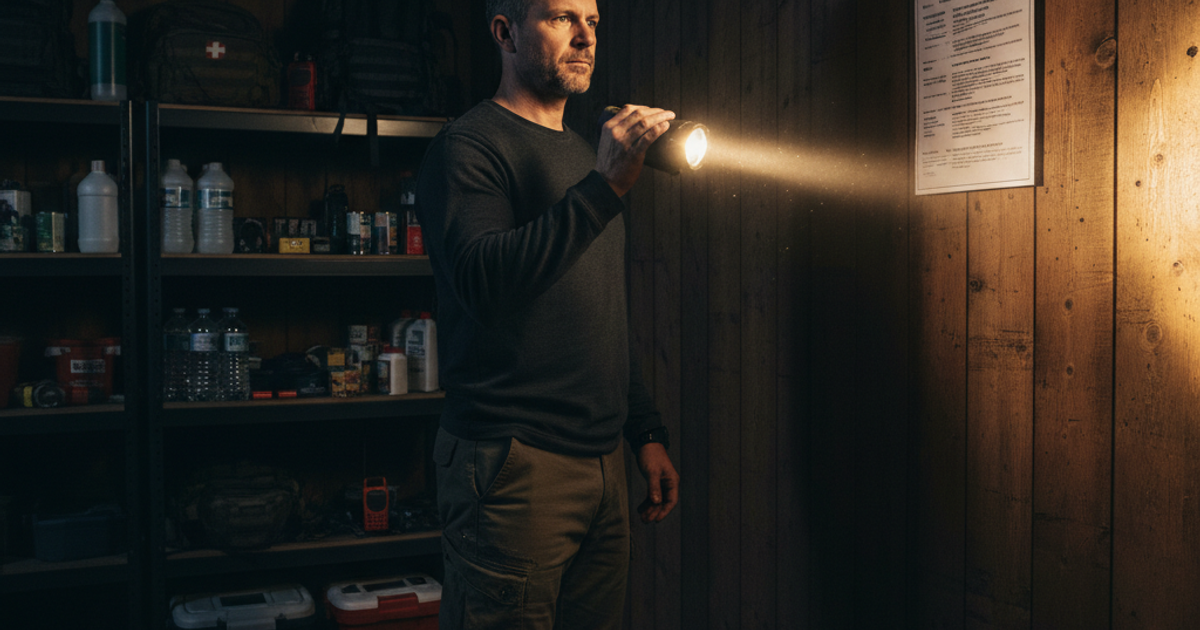
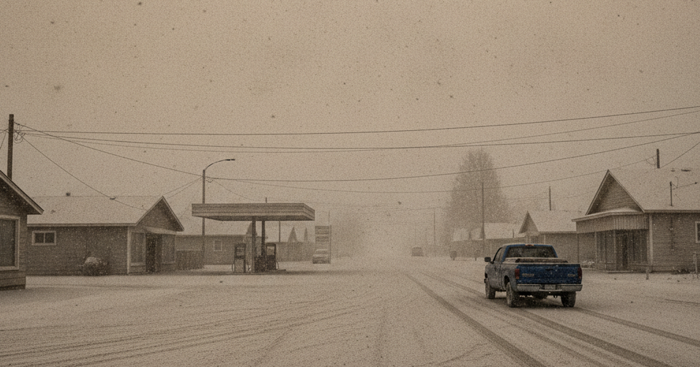
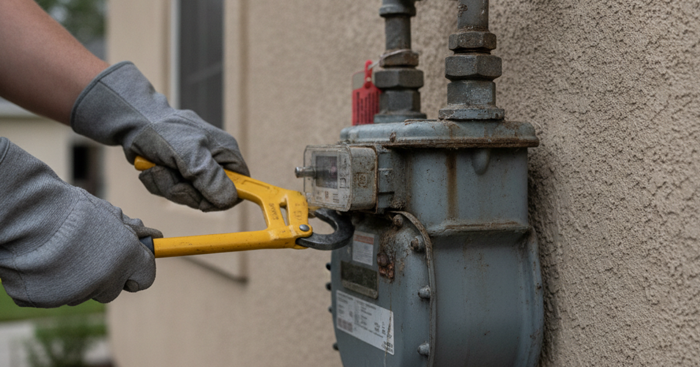
When the power goes out, the flood waters rise, or civil unrest erupts on your street, the most dangerous variable in the equation isn't the threat itself — it's your own mind. Research from the U.S. Army Research Institute shows that cognitive performance degrades significantly under acute stress, with decision-making accuracy dropping by as much as 50% when cortisol and adrenaline flood the system. No matter how well-stocked your bug out bag is or how dialed-in your emergency preparedness plan looks on paper, none of it matters if you freeze, panic, or make catastrophically bad decisions in the first 60 seconds of a crisis.
Psychological preparedness isn't a soft skill — it's the master skill. It's the one that determines whether everything else you've built actually gets used. Whether you're a rural homesteader, a suburban family prepper, or an urban survival-minded apartment dweller, the stress response hits everyone the same way. The difference between those who survive and those who don't often comes down to one thing: who trained their mind before the moment arrived.
Why the Brain Fails Under Pressure — and What That Means for Preppers
Understanding the enemy is the first step to defeating it. When a real threat materializes — a home invasion, a wildfire bearing down on your neighborhood, a grid-down scenario that's stretching into week two — your brain triggers the sympathetic nervous system response. Heart rate spikes. Tunnel vision narrows your field of perception. Fine motor skills deteriorate. The prefrontal cortex — the seat of rational, strategic thinking — gets partially hijacked by the amygdala, the brain's primitive threat-detection engine.
Combat veteran and psychologist Lt. Col. Dave Grossman explored this phenomenon in depth. His book On Combat is essential reading for any serious prepper. Grossman outlines how heart rate zones correlate directly with performance — and why stress inoculation training is the only reliable way to keep your decision-making intact when your pulse is pounding in your ears.
Author Laurence Gonzales spent years studying survival cases to understand why some people live and others die in identical circumstances. His conclusions, detailed in Deep Survival, are both sobering and empowering: survivors aren't necessarily stronger or better equipped — they think differently. They stay curious, they accept reality quickly, and they act decisively even with incomplete information.
Situational Awareness: Your First Line of Psychological Defense
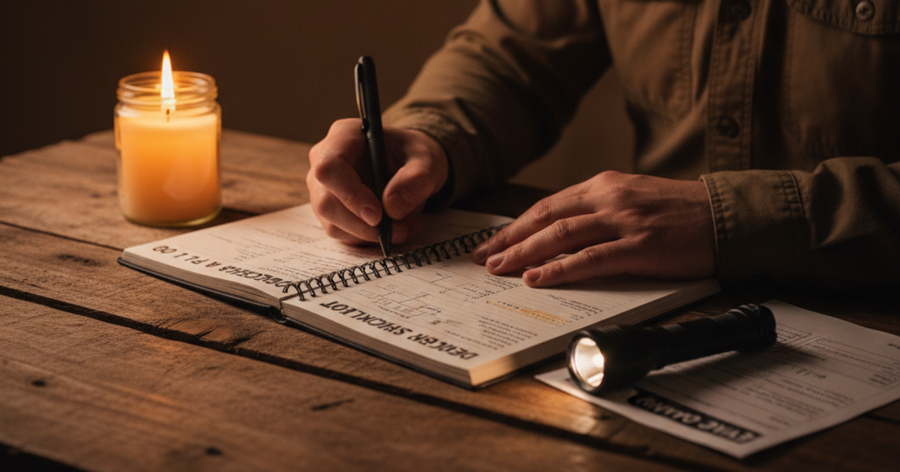
The best way to manage crisis stress is to see the crisis coming before it fully arrives. Situational awareness — the practice of continuously scanning your environment and updating your threat model — dramatically reduces the shock response when things go sideways. When you're not surprised, you're not paralyzed.
Jeff Cooper's color code system (White, Yellow, Orange, Red) gives preppers a simple mental framework for calibrating alertness without burning out. Most people walk through life in Condition White — fully unaware. A trained prepper operates in Condition Yellow as a baseline: relaxed alertness, noticing exits, reading people, watching for anomalies. This isn't paranoia — it's professionalism. You can read more about building this skill in our article on Situational Awareness: How to Detect Threats Before They Become Dangerous.
Practicing grey man principles — blending into your environment, not drawing attention, moving without telegraphing intent — is itself a form of psychological management. The less reactive your environment becomes to you, the more cognitive bandwidth you have to observe, assess, and decide.
The Physiology of Calm: Breathing as a Survival Tool
Tactical breathing — also called combat breathing or box breathing — is used by Special Operations forces, first responders, and elite athletes to manually override the stress response. The technique is simple: inhale for four counts, hold for four, exhale for four, hold for four. Repeat. Within two to three cycles, heart rate begins to drop, the prefrontal cortex re-engages, and decision-making quality improves measurably.
Dutch extreme athlete Wim Hof has taken breathing science further, developing a methodology that builds cold tolerance, stress resilience, and immune function through deliberate breathing protocols. The Wim Hof breathing technique book is a practical, science-backed resource for preppers who want to physically expand their capacity to function under extreme conditions. Practicing these methods daily — not just when things go wrong — is what actually builds resilience.
Mental Rehearsal and Stress Inoculation: Train the Brain Like a Muscle
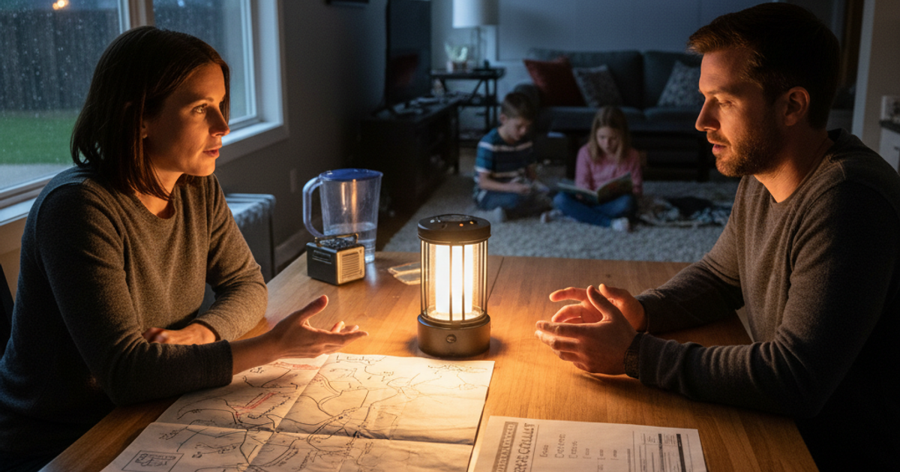
Elite military and law enforcement units don't wait for real emergencies to practice decision-making under stress — they create controlled stress environments specifically to build the neural pathways needed to function when it counts. This is called stress inoculation, and it's available to every prepper regardless of whether you live in a high-rise apartment or on 40 rural acres.
Rory Miller, a correctional officer and martial arts expert with extensive real-world violence experience, wrote what may be the most practical guide to this topic. Facing Violence addresses the legal, ethical, and psychological dimensions of real-world confrontation — and offers a structured approach to stress inoculation that goes far beyond typical self-defense training. For preppers thinking about SHTF scenarios involving social breakdown, this book is indispensable.
Mental rehearsal — vividly imagining specific crisis scenarios and walking through your response step by step — activates many of the same neural pathways as physical rehearsal. Athletes use it to improve performance. Surgeons use it before complex procedures. Preppers can use it to rehearse bug-out decisions, home defense responses, and evacuation routes before they're ever needed. For a deeper look at managing fear and panic in crisis situations, see our comprehensive guide on Stress, Fear, and Panic: How to Build Mental Resilience Before and After SHTF.
The Decision-Making Framework That Keeps You From Freezing
When stress peaks, having a pre-built decision framework prevents the paralysis of too many choices. Military planners use the OODA Loop — Observe, Orient, Decide, Act — as a rapid decision cycle. For preppers, a simplified version works well in practical scenarios:
- Stop and breathe — two to three tactical breaths to re-engage rational thinking
- Assess the immediate threat — is this life-threatening right now, or is there a window to plan?
- Identify your primary objective — safety, shelter, communication, or resource security?
- Choose the most reversible action available — when uncertain, preserve options rather than committing irreversibly
- Execute and reassess — take the action, then loop back to observation
Having this loop memorized and rehearsed means you're not inventing a decision process from scratch when your heart rate is 160 BPM. The framework itself becomes a calming mechanism — your brain recognizes the familiar structure and shifts into execution mode instead of panic mode.
Daily Mental Conditioning: Building Resilience Before the Crisis Arrives
Psychological preparedness isn't something you can download in an afternoon. It's built through consistent daily practice long before any crisis arrives. The following habits create the neurological and psychological foundation that holds under extreme pressure:
Journaling for self-knowledge: Regular reflection on your fears, assumptions, and decision patterns reveals the blind spots that will hurt you in a crisis. A Stoic journal and daily reflection notebook provides structured prompts rooted in Stoic philosophy — one of history's most battle-tested frameworks for maintaining composure in adversity. Marcus Aurelius wrote Meditations while commanding armies on the front lines. The practice works.
Meditation and mindfulness: A growing body of neuroscience research confirms that regular mindfulness practice physically thickens the prefrontal cortex — the exact region that stress degrades. Even 10 minutes of daily practice builds measurable resilience over time. If you're new to meditation, a Headspace meditation app gift card makes an excellent starting point for preppers who want a structured, science-based approach to stress relief and mental conditioning.
Mental performance training: Mind Gym by Gary Mack is a sports psychology classic used by professional athletes and military personnel alike to build the mental toughness required for high-stakes performance. Its principles translate directly to survival scenarios — particularly focus, confidence under pressure, and recovering quickly from mistakes.
Biofeedback training: Technology now makes it possible to train your stress response directly. A biofeedback heart rate variability monitor gives you real-time data on your autonomic nervous system state, allowing you to practice regulating it on demand. This is the same technology used in military stress inoculation programs — and it's now consumer-accessible. Regular HRV training has been shown in peer-reviewed research to improve emotional regulation, reduce anxiety, and enhance cognitive performance under pressure.
The psychological toll of extended crises is also worth preparing for. Our article on Surviving the Mental Toll: How to Recognize and Treat Psychological Breakdown in a Crisis covers what happens when acute stress becomes chronic — and how to recognize and address it in yourself and your group.
What You'll Need
Supplies
- Stoic journal / daily reflection notebook
- Biofeedback heart rate variability monitor
- David Grossman — On Combat
- Laurence Gonzales — Deep Survival
- Wim Hof breathing technique book
Step-by-Step Instructions
Step 1: Establish a Daily Breathing Practice Using Tactical or Box Breathing
Begin each morning with five minutes of box breathing — four counts in, four counts hold, four counts out, four counts hold. Practice this until the technique is automatic and can be triggered on demand in any situation. The goal is to be able to drop your heart rate within two to three breath cycles, even under sudden stress. Do this daily for at least 30 days before any crisis to build the neural habit.
Step 2: Build a Written Decision Framework for Your Most Likely Scenarios
Identify the two to three crisis scenarios most likely to affect your location — wildfire evacuation, grid-down power failure, civil unrest, severe weather. Write out a simple OODA-based decision tree for each: what triggers action, what your immediate objective is, and what your fallback is if the primary plan fails. Laminate a copy and keep one in your bug out bag and one posted in your home.
Step 3: Conduct Mental Rehearsal Sessions Three Times Per Week
Set aside 10 minutes three times per week to vividly walk through your crisis scenarios in your mind — see the details, feel the stress, run through your decision framework, and imagine executing successfully. Research shows this activates the same motor and decision-making pathways as physical rehearsal. Include family members in verbal tabletop versions of this exercise monthly.
Step 4: Start a Daily Journaling Practice Using a Structured Reflection Format
Use a Stoic-style journaling framework: in the morning, identify one thing you can control and one potential obstacle and how you'll handle it. In the evening, review decisions made during the day — what went well, what you'd change, what you learned. Consistent self-examination builds the self-awareness that prevents panic-driven decisions in real emergencies.
Step 5: Train Your Stress Response Using Deliberate Exposure
Deliberately seek out controlled stressors to expand your capacity: cold showers, challenging physical exercise, timed problem-solving under simulated pressure. Regularly participate in scenario-based training — firearms courses that include stress elements, wilderness survival weekends, or neighborhood emergency drills. The nervous system adapts to what it experiences repeatedly, and inoculation only works through genuine exposure.
Step 6: Build a Communication Plan to Reduce Decision Load During Crisis
One of the biggest contributors to crisis paralysis is information overload and communication breakdown. Pre-assign roles within your household or group — who calls for help, who secures the children, who gathers the go-bags, who checks the perimeter. When everyone knows their role, cognitive load drops dramatically and execution speed improves. Practice these roles in drills, not just on paper.
Step 7: Practice Active Situational Awareness Daily in Ordinary Settings
Every time you enter a new space — a restaurant, a store, a parking structure — spend 30 seconds in Condition Yellow: note exits, identify anomalies, assess crowd behavior. This builds the habit into your default operating mode so it's available automatically in a real emergency. Over time, you'll process threat information faster and with far less cognitive effort, leaving more bandwidth for decision-making when it counts.
Step 8: Review and Update Your Psychological Preparedness Plan Quarterly
Your mental preparedness plan — like your physical emergency preparedness supplies — needs regular maintenance. Every three months, review your decision frameworks, update your scenario rehearsals based on current threat conditions, and honestly assess where stress has gotten the better of you recently. Adjust your training accordingly. The goal is continuous improvement, not perfection.
Recommended Gear for Psychological Preparedness
Beyond daily practice, a few targeted resources can accelerate your mental training significantly. Facing Violence by Rory Miller remains one of the most practical stress inoculation resources available for civilians thinking seriously about SHTF scenarios involving human threats. Mind Gym provides a structured mental performance training program drawn from elite sports psychology that translates directly to crisis performance. For daily digital support, a Headspace meditation app gift card gives you guided access to science-based mindfulness training you can use anywhere — in a suburban home, an urban apartment, or a rural off-grid property. And for measurable, data-driven stress training, a biofeedback HRV monitor lets you track and train your autonomic nervous system the same way military stress programs do — with real numbers showing real progress. Check out our full Recommended Survival Gear & Equipment page for more vetted resources.
Frequently Asked Questions
How do I stop panicking when a real emergency happens?
The single most effective immediate intervention is tactical breathing — box breathing or a slow, controlled exhale that activates the parasympathetic nervous system. Longer-term, the only reliable solution is stress inoculation: deliberately exposing yourself to controlled stressors in training so your nervous system builds tolerance. Preppers who have practiced scenario drills, breathing techniques, and mental rehearsal consistently find that their stress response in real emergencies is far more manageable than it would otherwise be. Preparation itself is calming — when you have a plan, your brain has somewhere to go.
What is the most important psychological skill for SHTF survival?
Most survival psychologists and military researchers point to adaptability — the ability to accept a changed reality quickly and shift strategy without getting stuck in what "should have" happened. This is closely followed by emotional regulation (the ability to manage fear without being paralyzed by it) and decisive action under uncertainty. All three can be trained through the methods outlined in this article. Gonzales' research in Deep Survival consistently found that survivors shared a quality of accepting reality rapidly and staying curious about their situation rather than catastrophizing.
How do I help my family stay calm during a crisis when I'm also stressed?
Your emotional state is contagious — research on emotional co-regulation shows that the calm or panic of a group leader spreads to the group within minutes. The most powerful thing you can do for your family is to visibly regulate your own state: breathe deliberately, slow your speech, and take purposeful action. Pre-assigned roles and practiced drills also dramatically reduce family panic by giving everyone a clear task. Children especially benefit from knowing exactly what to do — uncertainty is what creates fear, and preparation eliminates uncertainty. Consider using the Teaching Kids Survival Skills framework to integrate your children into your preparedness plan from an early age.
Affiliate Disclosure: SHTFPlan.net participates in the Amazon Services LLC Associates Program. Some links are affiliate links — we may earn a small commission at no extra cost to you.