OPSEC Warning: Why Sharing Your Preparedness Plans Online Could Make You a Target
Your social media posts about food storage, bug-out routes, and stockpiles are more dangerous than you think. Here is what you are revealing to bad actors — and exactly how to stop.
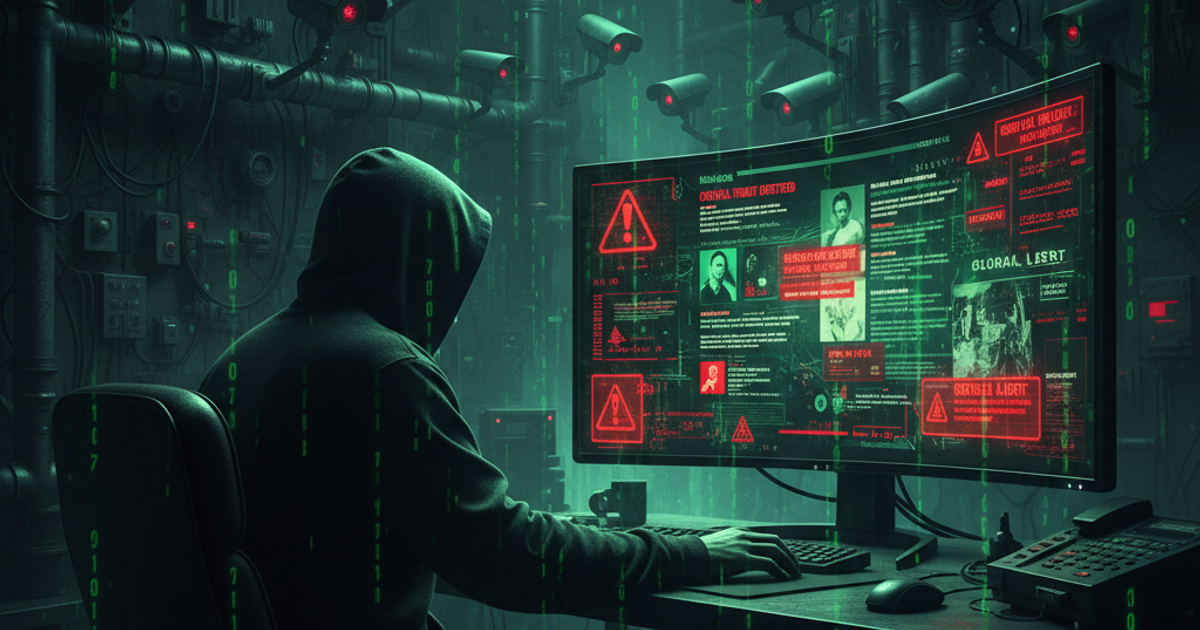
Every day, thousands of preppers post photos of their pantry stockpiles, share their bug-out routes, tag their rural property on Google Maps, and announce milestones like reaching six months of food storage on social media. It feels like community. It feels like sharing. What it actually is — to a criminal, a desperate neighbor, or anyone paying attention — is a detailed advertisement of who has resources and exactly where to find them.
This is not a hypothetical threat. It is happening right now. Understanding why digital disclosure is dangerous, and how to engage in preparedness communities without compromising your safety, is one of the most important skills you can develop.
Why Preppers Are High-Value Targets
A person who openly shares their preparedness status online has, in effect, pre-screened themselves as a target. They have announced three things that criminals and desperate people both notice:
- They have food, water, medicine, and supplies that others do not
- They are aware enough to prepare — meaning they likely have cash, firearms, and other valuables too
- They feel confident enough in their preparations to broadcast them publicly
In a stable world, this draws mild envy. In a crisis — a natural disaster, economic collapse, extended power outage, civil unrest — that same online history becomes a map. People who are desperate, hungry, or organized will remember what you posted. They will remember where you said you live. They will come.
The Real Threats You Are Facing
Opportunistic Criminals in Everyday Times
Burglars increasingly monitor neighborhood Facebook groups and local subreddits. A post showing a basement full of freeze-dried food, a gun safe, a generator, and an ammo stockpile is a burglary roadmap. You have told them what is inside, confirmed the house is worth hitting, and in many cases inadvertently shared enough background detail — distinctive landscaping, address tags, local landmarks — to identify your exact location.
Organized Looters During a Crisis
When a hurricane, ice storm, or regional blackout occurs, criminal networks do not shut down — they ramp up. Past social media posts become actionable intelligence. Groups specifically look for preppers who have announced their readiness, because preppers have exactly what desperate people need. Your six-month pantry, your water filtration setup, your generator — all of it becomes a prize worth taking by force if the social contract breaks down even temporarily.
Neighbors and Acquaintances
Do not underestimate the danger from people you know. The coworker who saw your Facebook post. The neighbor who liked your Instagram photo of your bug-out bag. Under normal conditions these are harmless. Under scarcity conditions, people you consider casual acquaintances may show up at your door with demands — or send others on their behalf. Human nature changes under stress. People you have known for years can become threats when their children are hungry.
Bad Actors Within Prepper Communities
Online prepper groups and forums are not screened. Bad actors specifically infiltrate preparedness communities to identify well-stocked households, gather intelligence, and — in some documented cases — recruit others for planned theft during crises. Trust must be earned over time through offline verification, not assumed because someone uses the same hashtags you do.
What You Are Actually Revealing Without Realizing It
Location Data Hidden in Your Photos
Every photo taken on a smartphone contains embedded EXIF metadata including GPS coordinates, the exact date and time, and the device model. When you upload an unstripped photo to most social platforms, that data travels with it. Anyone with basic technical knowledge can extract your precise home address from a photo you posted of your pantry. Even platforms that strip EXIF data on upload may retain it internally.
Background Details in Staged Photos
You do not need GPS data to identify a location from a photo. Background details — a distinctive fence, a mountain ridgeline, visible street signs, a neighbor's house through a window, mail on a counter, unique outdoor furniture — are enough for a determined person to geolocate your home. This is called OSINT (Open Source Intelligence) and it requires no special skills to perform.
Behavioral Patterns Over Time
Even without posting photos, your posting habits reveal information. Regular posts about grocery runs, ammo purchases, solar panel installations, and water storage create a profile. Combined with your username — which may connect to other accounts, your employer, or tagged locations from unrelated posts — a complete picture of who you are and what you have is easily assembled by anyone motivated to try.
Family Members You Have Not Briefed
Your own discipline means nothing if your spouse, teenager, or parent is posting about your preparedness on their own accounts. A photo of "Dad's amazing prepper pantry" from a family member's account carries all the same risks as if you posted it yourself — and may be tied directly back to your address through their own location tags.
Step-by-Step Instructions
Step 1: Audit Your Entire Digital Footprint Right Now
Before changing future behavior, assess what is already out there. Search your name, username, and address on Google, Bing, and DuckDuckGo. Search your username across every platform — Twitter/X, Facebook, Instagram, Reddit, YouTube, TikTok, and any prepper forums. Screenshot everything you find that reveals your location, stockpile size, security setup, or preparedness level. This is your baseline — know what an adversary could already find before deciding what to do about it.
Step 2: Delete or Edit Every High-Risk Post
Go through every post identified in Step 1. Delete anything that shows your home's interior or exterior in identifiable detail. Delete posts that explicitly state stockpile quantities, bug-out locations, or security measures. Edit profile bios that include your town, neighborhood, or employer. Request removal of posts from group pages where your content was shared by others. Prioritize the highest-risk content first — photos with location data, posts listing specific quantities of food or ammo, anything combining your name with your address.
Step 3: Strip Metadata From All Future Photos Before Posting
Install a metadata-stripping app or use desktop tools before uploading any image online. On iOS, sharing a photo via the Files app rather than Photos strips location data. On Android, disable location tagging in camera settings. On desktop, tools like ExifTool remove metadata cleanly. Alternatively, take a screenshot of the photo before sharing — screenshots do not inherit GPS EXIF data. Make this a non-negotiable habit every single time before any image goes online.
Step 4: Create Separation Between Your Real Identity and Your Prepper Activity
If you want to participate in online preparedness communities, use a dedicated account completely disconnected from your real identity. Use a username with no connection to your real name, initials, birth year, or location. Create a separate email address specifically for this account. Never cross-post between this account and accounts tied to your real identity. Never mention your real town or region in posts — refer to your location only in general terms like "rural Midwest" or "Pacific Northwest" if at all. Never use the same avatar, profile photo, or bio language that could link your accounts.
Step 5: Stop Posting Quantities, Timelines, and Specifics
The most dangerous posts are the specific ones. "Just hit 6 months of food storage" is dangerous. "Here's my 200-gallon water setup" is dangerous. "Finally got my generator wired in" is dangerous. If you want to share progress, use general or conceptual terms only. "Working on extending our food storage" reveals nothing actionable. Discuss principles, techniques, and general categories — never inventory, never quantities, never timelines that reveal how prepared you currently are.
Step 6: Brief Every Family Member on the Rules
Sit down with every person in your household — including teenagers — and have an explicit conversation about what is and is not acceptable to post online. This is not optional. One careless post from a family member undoes all of your own discipline. Cover these non-negotiables: no photos inside the home, no posts about supplies, no location tags at the house, no mentioning the family's preparedness to friends online. Make it a household safety rule, not a preference, and review their accounts periodically.
Step 7: Evaluate Every Online Group You Belong To
Go through every community you participate in. Ask: Is this group private or public? Who are the administrators? How long have the most active members been there? Have you seen people asking unusually specific questions about others' locations or supply levels? Private groups are not automatically safe — screenshots travel. Reduce your participation to communities where you have verified, long-term trust with core members. Lurk rather than post when in doubt, and leave public groups that discuss specific prep levels or locations.
Step 8: Never Post Bug-Out Routes, Locations, or Meeting Points — Ever
This is an absolute rule with no exceptions. Your bug-out route, secondary location, and family rally point must never appear online in any form. Not as a question, not as a brag, not as a theoretical discussion. These locations become leverage and danger if you are ever identified, threatened, or your posts are screenshotted and shared. Discuss them only in person, with people you would trust with your life — because effectively, that is what you are doing.
Step 9: Use a VPN and Audit Privacy Settings Quarterly
A VPN prevents your ISP and network observers from connecting your browsing to your home IP address. For all social media accounts — even non-prepper ones — audit privacy settings every three months. Ensure your friend lists are not publicly visible, tagged photos require your approval, check-ins are disabled, and your profile cannot be found by phone number or email. On Facebook, use the "View As" feature to see exactly what a non-friend can see on your profile right now.
Step 10: Apply the Same Discipline Offline
Digital OPSEC does not exist in isolation. Be aware of who sees your grocery hauls, who you discuss your preparations with at work or in casual conversation, and what is visible from the street at your property. Delivery boxes advertising survival food brands, visible solar panels at a rural location, a large generator visible in a driveway — these are physical signals that parallel what you might post online. The gray man principle applies to your digital presence and your physical presence equally.
How to Stay Connected to the Community Safely
None of this means you must disappear from the preparedness community. It means operating with discipline and intention. You can discuss principles and techniques without revealing your personal status, share gear reviews without showing them in your home, ask questions using general framing, and build genuine trust with a small number of vetted individuals over time before sharing anything personal.
The goal is to learn and share without advertising. The most valuable preparedness resource you can protect is not your stockpile — it is your anonymity. Be the person no one notices. Be the person no one would think to target. That discipline, practiced consistently, is one of the most important preparations you can make.
Frequently Asked Questions
Is it safe to post in private Facebook prepper groups?
Private groups are significantly safer than public posts, but they are not secure. Any member can screenshot your content and share it externally. Assume that anything you post in any online group — private or not — could eventually be seen by someone outside that group. Post accordingly and never share information you would not want a stranger to have.
What if I want to connect with local preppers?
Local connections are valuable, but build them offline. Attend local preparedness fairs, CERT training, amateur radio clubs, or community emergency planning meetings. Vet people in person over time before sharing any personal details about your preparations. A trusted local network built face-to-face is far more valuable — and far safer — than an online group of strangers.
Can I share photos if I blur out identifying details?
Blurring is better than nothing but is not sufficient on its own. Metadata must still be stripped. Background details that survive the blur — lighting fixtures, flooring, distinctive objects — can still identify a location to a motivated person. If you must share photos, use images that show only the item itself against a neutral background, with no environmental context whatsoever.
What about YouTube channels about prepping?
Public-facing content creators face a heightened version of every risk in this article. If you run a preparedness channel, never film inside your actual home, never reveal your real name or location, and maintain complete separation between your public persona and your real identity. Many successful prepper content creators operate entirely under pseudonyms for exactly this reason.