Precious Metals and Barter Goods: What to Stockpile When Paper Money Fails
When the economy collapses, paper money becomes worthless. Here's exactly what to stockpile now so you can trade, survive, and thrive when SHTF.
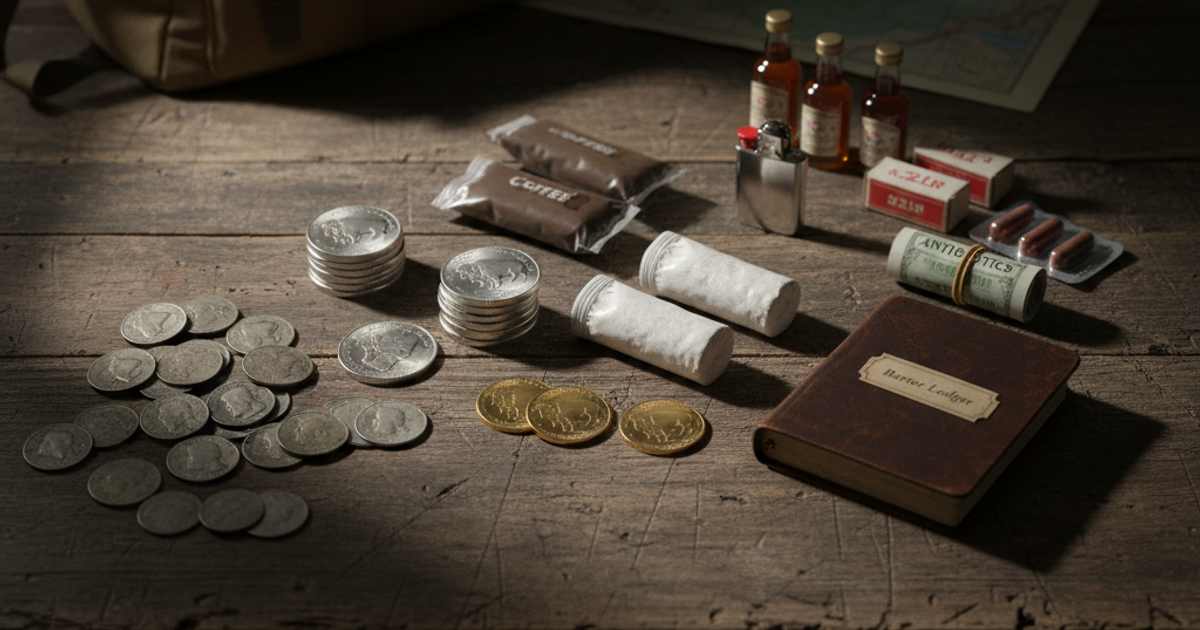
History doesn't lie. Every fiat currency system in recorded history has eventually failed — from the Roman denarius debased with copper to the Weimar Republic's wheelbarrow inflation to Venezuela's bolivar collapse in 2018, where inflation peaked at an estimated 1,700,000 percent. The U.S. dollar has lost more than 96 percent of its purchasing power since the Federal Reserve was created in 1913. Whether you're a seasoned prepper or just beginning your emergency preparedness journey, understanding how to protect your wealth — and what to trade with when the system seizes up — is as critical as any survival kit you'll ever assemble.
This isn't fear-mongering. It's financial situational awareness applied to the real world. When SHTF, the grocery store shelves empty in 72 hours, ATMs go dark, and credit card terminals stop working. What fills the void is what humans have relied on for thousands of years: tangible goods with intrinsic value.
Why Paper Money Fails When It Matters Most
Modern currency is a confidence game. The dollar is worth something because enough people agree it is. That consensus can fracture faster than most people realize. A banking crisis, hyperinflation, a grid-down EMP event, or a prolonged supply chain collapse can render paper money functionally useless within days. Digital money — your checking account, your 401(k) balance — is even more fragile. If the servers go down or capital controls are imposed, that wealth simply becomes an inaccessible number on a screen.
This is why serious preppers build a three-tier financial preparedness system: cash on hand for short-term disruptions, precious metals for medium to long-term value storage, and physical barter goods for the ground-level economy that emerges when everything else breaks down. Understanding all three tiers — and how they work together — can mean the difference between weathering a financial collapse and being wiped out by one. For a deeper look at building your overall financial resilience, see our guide on Financial Preparedness: Building a Cash Reserve and Barter Economy for SHTF.
Precious Metals for SHTF: Silver, Gold, and What Actually Works in a Crisis
Precious metals have been recognized as stores of value for over 5,000 years across virtually every civilization on Earth. They are durable, divisible, portable, and universally recognized. For preppers, the key question isn't whether to hold metals — it's which ones and in what form.
Silver: The Everyday Prepper Metal
Silver is the workhorse metal for SHTF financial planning. It's affordable enough to accumulate in meaningful quantities, and its lower per-ounce value makes it practical for everyday transactions. A one-ounce silver coin won't buy groceries in a functioning economy, but in a barter environment, it can secure food, medicine, or fuel.
The most recognized and trusted silver product in the United States is the American Silver Eagle 1 oz silver coin roll. These government-minted coins carry legal tender status, are instantly recognizable to anyone familiar with precious metals, and are among the most counterfeited-proof coins available due to their distinctive design and weight standards. A roll of 20 coins gives you meaningful barter denomination flexibility.
For preppers who want maximum flexibility in small-denomination trades, the Valcambi silver CombiBar 50 gram divisible is one of the most innovative products on the market. This bar is pre-scored into 50 individual one-gram sections that can be snapped apart like a chocolate bar. Each gram piece functions as a micro-denomination trade unit — ideal for acquiring small necessities without having to make change on a full ounce coin.
Junk Silver: The Underrated Heavy Hitter
Pre-1964 U.S. dimes, quarters, and half-dollars are made of 90 percent silver. Collectors and preppers call these "junk silver" — not because they're worthless, but because they have no numismatic premium. They trade purely on their silver content, which makes them ideal barter coins. A pre-1964 dime contains about 0.0723 troy ounces of silver. People recognize these coins from everyday life, which reduces suspicion and friction in a trade.
Sourcing pre-1964 coins through a reputable supplier is important. A Cornerstone Brands junk silver coins pre-1964 bag provides a mix of genuine circulated 90% silver coins — the closest thing to a ready-made barter wallet that existed before the modern fiat system took over completely in 1971.
Gold: Long-Term Wealth Storage, Not Day Trading
Gold is not a transaction metal for most SHTF scenarios — at least not in the early stages. When a loaf of bread is trading for a can of beans, nobody is going to make change on a one-ounce gold coin worth thousands of dollars. Gold's role is long-term wealth preservation and large-scale transactions: purchasing land, acquiring a vehicle, or trading with merchants who deal in bulk.
If you're holding gold, authenticity matters enormously. PAMP Suisse gold bar assay card products are among the most globally recognized and trusted in the precious metals industry. Each bar comes with a tamper-evident assay certificate verifying weight and purity — critical for a trade partner who needs to trust what you're offering.
Storing and Protecting Your Metals
Proper storage of your silver holdings is not optional. Improper storage leads to tarnishing, damage, and loss of recognizability — all of which reduce tradeable value. Guardhouse coin tubes storage silver eagles are purpose-built airtight tubes that hold standard silver eagle coins securely, prevent oxidation, and allow for easy counting and transport. If you're building a meaningful silver stack, proper organization isn't just aesthetics — it's operational readiness.
Store your metals in multiple locations. Never keep everything in one place. A fireproof safe, a buried cache, and a small portable allocation in your bug out bag represents layered security thinking applied to financial assets. Consider a faraday-style approach to security: just as you protect electronics from EMP threats, you protect metals from discovery by distributing them intelligently.
High-Value Barter Goods to Stockpile Now
Precious metals have their place, but the immediate post-collapse economy will run on tangible consumables. Think about what people need daily and cannot produce themselves. Situational awareness of your community's specific needs will sharpen your barter strategy significantly — urban preppers and rural homesteaders will face different demand curves.
Universal High-Demand Barter Items
- Alcohol: Sealed bottles of whiskey, vodka, and grain alcohol serve triple duty as trade goods, antiseptics, and morale boosters. Shelf life is effectively indefinite when sealed. This works equally well whether you're in an apartment complex or a rural compound.
- Cigarettes and tobacco: Even non-smokers recognize these as high-value barter currency. Nicotine addiction doesn't disappear in a crisis — it intensifies. Sealed cartons store for years.
- Medications and first aid supplies: Antibiotics, pain relievers, antihistamines, and wound care supplies will be among the most sought-after goods post-collapse. Review our guide on medication stockpiling for long-term emergencies to build this component of your barter inventory intelligently.
- Ammunition: In a security-conscious post-collapse environment, ammunition becomes its own currency. Common calibers (.22 LR, 9mm, 5.56) trade most easily because the widest number of people can use them.
- Lighters and fire-starting tools: A Bic lighter costs less than a dollar today. In a grid-down scenario, reliable fire-starting capability is priceless. Stock hundreds.
- Water purification tablets and filters: Clean water is survival's first priority. Water purification supplies — purification tablets, filter straws, and chemical treatment drops — are compact, lightweight, and will be desperately needed by people who didn't prepare.
- Coffee and sugar: These comfort items hit hard psychologically in a prolonged crisis. Vacuum-sealed coffee and sugar store for years and trade at significant premiums.
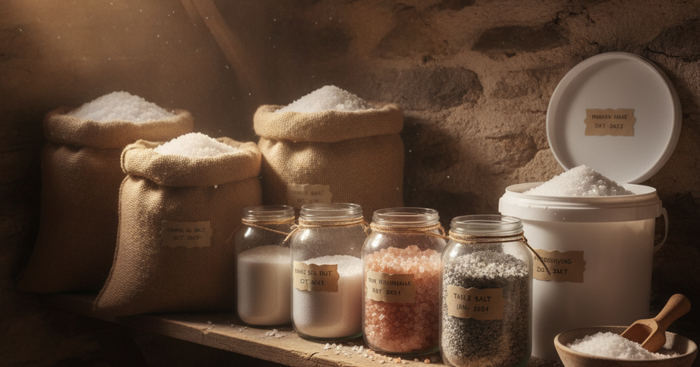
- Salt: One of history's oldest trade goods for a reason — salt preserves food, seasons meals, and is essential for livestock. Bags of iodized salt are dirt cheap now and irreplaceable later.
- Seeds: Non-hybrid, open-pollinated vegetable seeds represent the ability to produce food indefinitely. They're particularly valuable in suburban and rural barter networks.
- Manual tools: Hand saws, axes, files, and hand drills become critical when power tools are useless. Quality tools trade well in any environment.
Skills as Barter Capital
Don't overlook the most portable asset you own: expertise. Medical knowledge, mechanical ability, food preservation skills, and off-grid living expertise are forms of wealth that cannot be stolen or confiscated. In a sustained collapse, a skilled person with nothing in their pockets can still negotiate from a position of strength. Invest in learning before you need those skills.
The Grey Man Approach to Financial Preparedness
Advertising your precious metals holdings or substantial barter stockpile is one of the most dangerous mistakes a prepper can make. The grey man methodology applies directly to financial preparedness: maintain a low profile, don't discuss what you have with neighbors or casual acquaintances, and transport metals discreetly. If the social fabric is fraying, visible wealth makes you a target. Building a trusted mutual aid network with vetted neighbors is the only appropriate context for discussing your preparedness resources openly.
Step-by-Step Instructions
Step 1: Acquire Physical Silver and Gold in Small Denominations
Start building your precious metals stockpile with junk silver coins (pre-1965 U.S. dimes, quarters, and half-dollars) and small gold coins like 1/10-ounce American Eagles. These smaller denominations are far more practical for everyday bartering than large bars or coins. Focus on recognized government-minted coins rather than generic rounds, as they'll be more readily accepted and harder to counterfeit. Aim to allocate 10-20% of your emergency assets to precious metals, stored securely in a home safe or buried cache.
Step 2: Stockpile High-Demand Consumables for Trading
Build an inventory of non-perishable goods that people will desperately need during economic collapse: ammunition in common calibers (.22LR, 9mm, .223, 12-gauge), antibiotics and pain medications, water purification tablets, and fire-starting materials. Include hygiene items like soap, toothpaste, toilet paper, and feminine products, which become incredibly valuable when supply chains fail. Rotate these items into your personal use to maintain freshness, and store them in waterproof containers organized by category for quick access during trades.
Step 3: Store Alcohol and Tobacco Products as Currency Alternatives
Purchase sealed bottles of high-proof vodka, whiskey, and rum along with cartons of cigarettes and tobacco for long-term barter storage. These vice items maintain their value indefinitely when properly stored and become premium trade goods during crises, even if you don't personally use them. Alcohol also serves triple duty as a disinfectant and morale booster. Keep these items separate from your main supplies in a climate-controlled area away from heat and direct sunlight.
Step 4: Accumulate Practical Tools and Hardware
Invest in extra hand tools, knives, axes, saws, and hardware items like nails, screws, duct tape, and tarps that hold intrinsic value for survival tasks. Quality tools from reputable brands will be worth their weight in gold when replacements are unavailable. Include items for food production like seeds, fishing gear, and trapping supplies. Store these in organized, moisture-free locations and consider buying multiples of high-wear items like knife sharpeners and saw blades.
Step 5: Build a Reserve of Food Staples with Long Shelf Lives
Stockpile bulk quantities of rice, beans, wheat, oats, honey, salt, sugar, cooking oil, and canned goods that can serve as both your food security and tradeable commodities. These calorie-dense staples will be in extreme demand and can be portioned into smaller quantities for bartering. Use food-grade buckets with oxygen absorbers and Mylar bags for 20-30 year storage potential. Maintain a detailed inventory system to track quantities and rotation dates.
Step 6: Secure Fuel and Energy Resources for Exchange
Store gasoline with fuel stabilizers in proper safety containers, along with propane tanks, kerosene, and firewood that can be traded for other necessities. Include alternative energy items like solar chargers, batteries in common sizes, and hand-crank devices. Fuel becomes liquid gold during prolonged emergencies when transportation and heating are critical. Rotate gasoline supplies every 12 months and store all fuel products away from living spaces in well-ventilated areas following local fire codes.
Step 7: Establish a Secure Barter Network Before Crisis Hits
Connect with like-minded preppers in your community to create a trusted trading network before economic collapse occurs. Assess what skills and goods your neighbors can offer and identify gaps you can fill, creating mutual dependency and security. Practice small barter exchanges now to establish protocols, build trust, and determine fair exchange rates for various items. Document reliable contacts discreetly and establish communication methods that don't rely on grid-dependent technology.
Frequently Asked Questions
Is silver or gold better for SHTF barter situations?
For most SHTF barter scenarios, silver is significantly more practical than gold. Silver's lower per-unit value makes it usable for everyday transactions — food, medicine, fuel — without the problem of making change on a high-value coin. Pre-1964 junk silver coins and one-ounce silver rounds are ideal. Gold is better suited for large-scale wealth preservation and significant transactions like purchasing property or bulk supplies from organized merchants. A well-balanced precious metals allocation for preppers is typically 80-90% silver by unit count, with gold representing concentrated long-term wealth storage.
What barter goods should I stockpile if I live in an apartment with limited space?
Urban and apartment preppers should focus on high-value, compact barter goods that maximize trade value per cubic foot of storage. Top choices include: sealed alcohol miniatures (easy to store in large quantities), lighters, water purification tablets, over-the-counter medications, coffee and sugar in vacuum-sealed bags, and precious metals (which offer exceptional value density — a significant silver stack fits in a shoebox). Avoid bulky barter items like large tool sets or fuel containers if space is your primary constraint. Prioritize items with long shelf lives and universal demand.
How much silver should a prepper have before an economic collapse?
A commonly cited starting benchmark among financial preppers is 1-3 months of current household expenses converted into physical silver at today's spot price. However, there's no single right answer — it depends on your overall preparedness budget, your emergency food storage depth, your other assets, and your geographic risk factors. A reasonable starter goal is 20-50 ounces of physical silver in small denominations (one-ounce coins or junk silver), secured and stored properly. Build your precious metals position gradually alongside your food, water, and security preparations rather than over-allocating to metals at the expense of more immediately essential supplies.
Affiliate Disclosure: SHTF Plan participates in the Amazon Services LLC Associates Program. Some links are affiliate links — we may earn a small commission at no extra cost to you.