Keeping Kids Healthy Without Running Water: Hygiene Strategies for a Crisis
When the grid fails, children are the most vulnerable to illness. Here's how to protect your kids when clean water and sanitation disappear.
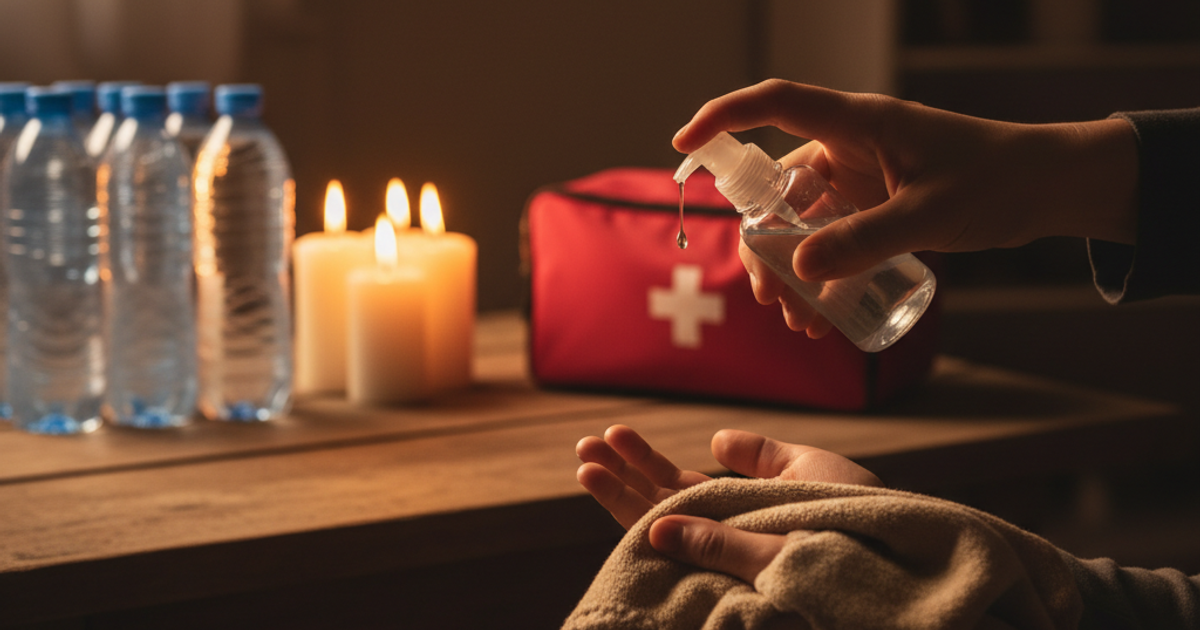
When the grid goes down, adults can adapt. Kids can't — at least not without your help. Children are physiologically more vulnerable to waterborne pathogens, skin infections, and gastrointestinal illness than adults. Their immune systems are still developing, their skin is thinner and more permeable, and they put their hands in their mouths constantly. In a grid-down or SHTF scenario, that vulnerability can turn a minor hygiene lapse into a life-threatening infection within days.
According to the World Health Organization, diarrheal disease — almost entirely preventable through basic hygiene — kills approximately 525,000 children under age five every year globally. Most of those deaths happen in areas with compromised water and sanitation infrastructure. When disaster strikes your neighborhood, your city, or your region, those conditions can appear almost overnight. This isn't a distant-world problem. It's a here-and-now threat every prepared parent needs to take seriously.
This guide covers everything you need to keep your children clean, healthy, and infection-free when running water disappears — whether you're sheltering in a downtown apartment, a suburban home, or a rural homestead.
Why Children Face Greater Hygiene Risks in Grid-Down Emergencies
Before diving into solutions, it helps to understand why children are disproportionately at risk. Infants and toddlers require diaper changes — a process that generates significant fecal contamination exposure with every cycle. Young children touch surfaces, share toys, and rarely wash their hands without prompting. Older kids tend to resist hygiene routines when supervision lapses.
Beyond behavior, children lose fluids faster than adults when they develop diarrhea or vomiting. Dehydration can become critical in hours rather than days. In a grid-down environment where clean water is already scarce, managing hydration while maintaining hygiene requires deliberate, pre-planned systems — not improvisation.
The bottom line: your emergency preparedness plan must include a dedicated hygiene strategy for every child in your household. Tacking kids onto adult protocols isn't enough.
Water Purification for Children: Making Every Drop Safe
Clean water is the foundation of every hygiene practice. For children specifically, the stakes are higher — young immune systems cannot fight off the same pathogen loads that a healthy adult might shrug off. Any water used for drinking, preparing food, brushing teeth, or rinsing wounds must be purified without exception.
Our comprehensive guide on Grid-Down Water Purification: How to Make Any Water Source Safe to Drink When SHTF covers the full spectrum of purification methods, but for families with children, the priority is redundancy. Never rely on a single method.
For portable filtration, the Sawyer Products water filtration squeeze filter is one of the most versatile and child-friendly options available. It filters down to 0.1 microns, removing bacteria and protozoa without chemicals, and can be used directly from a water bag or attached to a standard bottle. For a family, pair it with chemical treatment as a backup.
Aquatabs water purification tablets are a compact, lightweight option that belong in every bug out bag and emergency kit. Each tablet treats a specific volume of water and kills viruses, bacteria, and Giardia. They're shelf-stable for years, cost almost nothing, and take up essentially no space. Keep a large supply on hand — when SHTF, you'll go through them faster than you expect, especially with children who need clean water for everything from drinking to wound rinsing.
For urban and suburban preppers without access to natural water sources, stockpile at minimum one gallon per person per day — with children requiring additional water for hygiene tasks. A three-week supply is a realistic minimum target for serious emergency preparedness planning.
Diapering Without Running Water: Practical Strategies for Infants and Toddlers
This is the hygiene challenge most prepper resources skip entirely, but for families with infants or toddlers, it may be the most critical to solve in advance. Diaper changes in a grid-down environment require clean hands, a sanitary changing surface, and an effective way to clean the baby without a sink.
Disposable diapers remain the most practical option for most families in a short-to-medium term emergency. Stockpiling a several-month supply of Pampers Pure disposable diapers as part of your emergency food storage and supply rotation is a straightforward decision. These are free of chlorine bleaching, fragrance, and parabens — important considerations for sensitive infant skin that may already be stressed during a crisis. Buy a size up from your current size, since infants grow quickly and overlapping sizes will serve you longer.
For cleaning during changes, WaterWipes sensitive baby wipes are made with 99.9% water and a tiny amount of fruit extract — essentially no chemicals, no fragrance, and safe for newborn skin. Unlike standard baby wipes, they won't contribute to skin irritation during extended use when diaper rash treatment options are limited. Stock them by the case. They also serve double duty for hand cleaning and surface wiping throughout your entire family, not just for diaper changes.
Establish a dedicated changing station with a waterproof mat that can be wiped down with a dilute bleach solution (1 tablespoon bleach per gallon of purified water). Always clean your hands before and after changes using the no-rinse methods described below.
No-Rinse Handwashing and Skin Cleaning Techniques
Handwashing is the single most effective disease prevention measure available in a grid-down scenario. The CDC estimates that proper handwashing reduces diarrheal illness by 23-40% and respiratory infections by 16-21%. For children, those numbers matter enormously.
When running water is unavailable, you have several options:
- Pour-wash method: Use a clean container (a repurposed squeeze bottle works well) to pour a small stream of purified water over hands while scrubbing with soap for at least 20 seconds. This uses as little as two cups of water per wash.
- Hand sanitizer: 60%+ alcohol-based sanitizer kills most pathogens effectively when hands aren't visibly soiled. Stock generous quantities.
- Waterless cleansers: Products like Cetaphil gentle no-rinse waterless cleanser are designed to clean skin thoroughly without water rinsing. Originally developed for clinical and medical use, they're gentle enough for children and infants, and effective enough for full-body sponge baths when water conservation is critical. Apply, massage in, and wipe off with a clean cloth.
Make handwashing non-negotiable before eating, after using the bathroom, and after any contact with waste or contaminated surfaces. With young children, turn it into a routine so it doesn't require constant reminders under stress.
Grid-Down Toilet and Waste Management for Families
When municipal sewers stop working or septic systems back up, human waste management becomes an immediate crisis — especially with children who may not have the impulse control to follow new protocols consistently. Our article on Grid-Down Sanitation: How to Manage Waste and Stay Healthy When the Sewers Stop Working covers the full scope of sanitation options, but here's what matters most for children:
- Bucket toilet systems work in apartments, suburban homes, and rural settings. A five-gallon bucket with a snap-on toilet seat, lined with heavy-duty bags and treated with kitty litter or sawdust, is functional and sanitary when managed properly.
- Waste must be stored well away from water sources and food preparation areas. Children don't understand contamination vectors — enforce hand-washing rules immediately after any bathroom use.
- Designate a bathroom area clearly, even if it's improvised. Ambiguity leads to children relieving themselves in inappropriate areas, spreading contamination.
- Dispose of waste daily in a buried cat-hole (6-8 inches deep, 200 feet from water) if you're in a location that allows it, or seal in double-bagged containers for trash disposal when services resume.
Oral Hygiene, Wound Care, and Preventing Secondary Infections
Children are prone to cuts, scrapes, and mouth sores — all of which become serious infection risks when hygiene is compromised. In a grid-down environment, a small wound that becomes infected can escalate to sepsis without access to medical care. For more detail on managing injuries without professional help, see our guide on Grid-Down First Aid: How to Build a Trauma Kit That Keeps Your Family Alive When EMS Is Gone.
For oral hygiene without running water:
- Use a small amount of purified water to wet the toothbrush — don't skip brushing. Dental infections in children can become systemic quickly.
- Xylitol gum or mints help reduce cavity-causing bacteria between brushing sessions.
- Saltwater rinses (1/4 teaspoon salt in 8 oz purified water) treat minor gum inflammation and mouth sores effectively.
For wound care, clean all cuts and abrasions immediately with purified water and an antiseptic. Keep wounds covered. Change bandages daily using clean hands. Watch for signs of infection: increasing redness, warmth, swelling, or fever.
Laundry and Clothing Hygiene for Children
Children go through clothing faster than adults — especially toddlers. In a grid-down scenario, clothing that isn't managed properly becomes a vector for skin rashes, fungal infections, and bacterial contamination. Our full guide on Grid-Down Laundry and Hygiene: How to Stay Clean When Running Water Disappears covers hand-washing methods in detail.
For children specifically:
- Prioritize washing underwear and any clothing contaminated with feces or urine daily.
- A small washboard and bucket with unscented castile soap handles children's clothing efficiently.
- Dry clothing in direct sunlight when possible — UV exposure kills surface pathogens.
- Pack your bug out bag or emergency supplies with at least three sets of clothing per child, favoring moisture-wicking synthetics that dry quickly.
Teaching Kids the Rules Without Scaring Them
Children pick up on parental stress. How you communicate hygiene requirements during a crisis matters as much as the requirements themselves. Our article on Teaching Kids Survival Skills: How to Prepare Your Children for Any Emergency provides a broader framework, but for hygiene specifically:
- Practice grid-down hygiene routines before an emergency so they're familiar, not foreign.
- Frame rules as "how our family stays strong" rather than "what happens if you don't."
- Give age-appropriate children responsibility — older kids can help manage the bucket toilet, refill hand sanitizer stations, or remind younger siblings to wash up.
- Use visual checklists posted in your hygiene area so children can self-monitor.
Recommended Survival Gear for Family Hygiene
Beyond the products mentioned throughout this article, your family survival kit should include: a dedicated hygiene tote or dry bag, waterproof storage for all hygiene supplies, a portable camp shower bag for weekly bathing, unscented castile soap in bulk, and a dedicated medical kit with wound care supplies. Revisit your supplies quarterly and rotate stock to maintain freshness.
For a comprehensive look at what belongs in your children's emergency preparedness supplies across all categories, the Complete 72-Hour Bug Out Bag Checklist for Urban Survival is an excellent starting framework to build from.
What You'll Need
- Water purification tablets or household bleach
- Portable water filter or LifeStraw-type devices
- Baby wipes or wet wipes (alcohol-free for sensitive skin)
- Hand sanitizer (60% alcohol minimum)
- Spray bottles for misting
- Washcloths and towels
- Large plastic bins or buckets for bathing
- Vinegar and baking soda for cleaning
- Disposable gloves
- Trash bags for waste disposal
Step-by-Step Instructions
Step 1: Establish a Clean Water Source Priority System
Identify and secure every available water source in your area, including streams, ponds, rainwater, and stored water supplies. Designate separate containers for drinking water versus washing water to prevent cross-contamination. Teach children never to drink untreated water and establish a color-coded system (blue containers for treated drinking water, red for washing water) that even young children can recognize.
Step 2: Implement Waterless Hand Hygiene Protocols
Create hand sanitizer stations at key locations where children naturally congregate and before meal times. Teach the proper technique: use a dime-sized amount, rub all surfaces including between fingers and under nails for 20 seconds until completely dry. For children with sensitive skin, keep alcohol-free wipes as a backup option, and demonstrate proper disposal in sealed bags to prevent attracting pests.
Step 3: Master the Sponge Bath Technique for Children
Heat small amounts of water (1-2 gallons maximum) and use washcloths to clean one body area at a time, starting with face and hands, then torso, and finally feet. This method uses 90% less water than traditional bathing while still removing dirt, sweat, and bacteria. Have children remain partially clothed during the process to conserve body heat, and always start with the cleanest areas to avoid spreading contaminants.
Step 4: Create a Dry Shampoo and Scalp Care Routine
Mix cornstarch or baking soda with a few drops of essential oil and apply to roots, then brush through hair to absorb oils and odors. This waterless method keeps hair manageable and reduces scalp irritation that can lead to infection. For younger children, make it a game by calling it "magic powder" and schedule treatments every 2-3 days to maintain scalp health without using precious water reserves.
Step 5: Establish a Waste Management and Toilet Protocol
Set up a makeshift latrine at least 200 feet from water sources, or use a bucket toilet system with heavy-duty bags and absorbent material like sawdust or cat litter. Teach children the importance of immediate hand hygiene after using the toilet, using hand sanitizer when water is unavailable. Create a simple waste disposal routine with sealed bags stored in a designated area away from living spaces, and assign older children age-appropriate tasks to build responsibility.
Step 6: Maintain Oral Hygiene with Minimal Water
Teach children to brush teeth using only a small cup (4 ounces) of clean water for rinsing, or to spit into a separate container rather than running water. Demonstrate dry brushing technique as a backup when water is extremely scarce, and use baking soda mixed with a few drops of water as an emergency toothpaste substitute. Schedule twice-daily brushing as a non-negotiable routine to prevent dental infections that could become serious without access to medical care.
Step 7: Monitor for Hygiene-Related Illness and Skin Conditions
Conduct daily visual checks of children's skin for rashes, cuts, or signs of infection, paying special attention to skin folds, diaper areas, and between toes. Keep a simple log of any symptoms like diarrhea, fever, or unusual lethargy that could indicate waterborne illness. Apply petroleum jelly or coconut oil to prevent chafing and skin breakdown in areas that cannot be washed regularly, and isolate any child showing signs of contagious illness to protect the rest of the family.
Frequently Asked Questions
How do I keep my baby clean during a power outage or water emergency?
For infants, waterless cleansers like Cetaphil no-rinse wash allow full sponge baths without running water. Stock a generous supply of unscented baby wipes for diaper changes and spot cleaning. Use purified water sparingly for areas that need rinsing, and keep the changing area sanitized with a dilute bleach solution. Maintaining a consistent routine — even in an emergency — helps regulate infant stress and keeps hygiene standards high.
How much water should I store for children in an emergency?
FEMA recommends one gallon per person per day as a baseline for drinking and sanitation combined. For children, especially infants and toddlers, plan for 1.5 to 2 gallons per day to account for formula preparation, hygiene needs, and the higher fluid loss children experience during illness. A two-week minimum supply is recommended; a 30-day supply is significantly more realistic for serious emergency preparedness scenarios. Use water purification tablets and a quality squeeze filter to extend any available water source safely.
What hygiene supplies should be in a bug out bag for a family with kids?
A family-focused bug out bag should include: hand sanitizer (multiple small bottles), unscented baby wipes, a no-rinse waterless cleanser, water purification tablets, a squeeze filter, travel-size unscented soap, a small washcloth per person, disposable diapers and diaper rash cream if applicable, a basic wound care kit with antiseptic and bandages, a toothbrush and travel toothpaste per person, and heavy-duty waste bags with ties. Pack enough for 72 hours minimum, and keep a secondary cache at home scaled for 30 days or more.
Affiliate Disclosure: SHTF Plan participates in the Amazon Services LLC Associates Program. Some links are affiliate links — we may earn a small commission at no extra cost to you.