Self-Defense for Preppers: How to Choose the Right Firearm for Home and Bug-Out Survival
When SHTF, your preps mean nothing if you can't defend them. Here's how to choose the right firearm for home defense and bug-out survival.
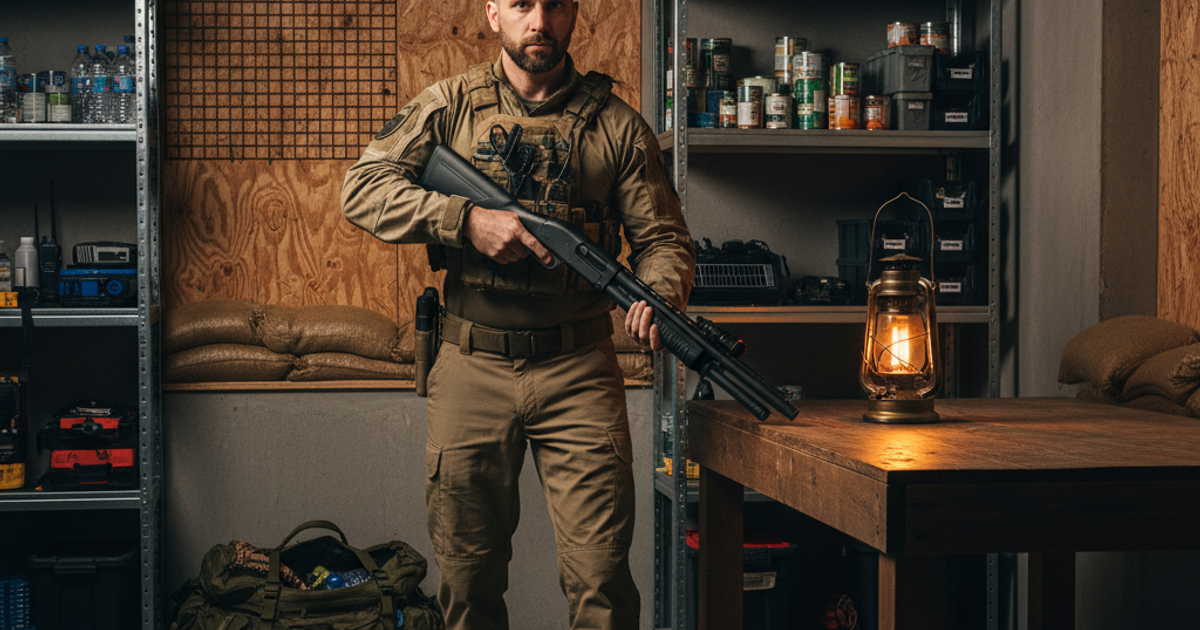
When the grid goes down, civil order fractures, or a violent threat appears at your door, your firearm may be the only thing standing between your family and catastrophe. For the serious prepper, choosing the right self-defense firearm isn't a matter of brand loyalty or aesthetics — it's a calculated survival decision that should factor in your living situation, physical capabilities, threat environment, and bug-out requirements. Whether you're sheltering in a city apartment, a suburban home, or a rural homestead, this guide will help you make an informed choice.
Why Self-Defense Firearms Are Non-Negotiable Survival Gear
According to the National Shooting Sports Foundation (NSSF), over 21 million background checks were conducted for firearm purchases in 2023 alone — a trend that reflects growing awareness around personal security and emergency preparedness. The FBI's Uniform Crime Report consistently shows that violent crime spikes in the aftermath of natural disasters and civil unrest. After Hurricane Katrina in 2005, New Orleans experienced widespread looting and violence that lasted weeks. During the 2020 civil unrest, firearms sales broke records as urban residents recognized the limits of law enforcement response times.
The reality is this: in a true SHTF scenario, first responders may be overwhelmed, unavailable, or redirected. Self-reliance isn't just a prepper philosophy — it's a survival necessity. That said, a firearm is only effective when paired with training, situational awareness, and a sound home defense plan. Before you ever pull a trigger in anger, you should understand your threats, your environment, and your legal obligations.
For a deeper look at detecting threats before they escalate, read our article on Situational Awareness: How to Detect Threats Before They Become Dangerous.
Handguns: The Prepper's Everyday Carry and Bug-Out Sidearm
The handgun is the most versatile firearm in a prepper's arsenal. It's concealable, lightweight, and can serve double duty as a home defense weapon and a bug-out bag companion. For urban survival and suburban preppers, a reliable handgun is often the only practical option given storage constraints, legal restrictions, and the need for portability.
Best Calibers for Self-Defense
- 9mm — The gold standard for most preppers. High capacity, widely available, manageable recoil, and proven terminal performance with modern ammunition.
- .40 S&W — More stopping power than 9mm, though ammunition is harder to find in grid-down scenarios.
- .45 ACP — Slower velocity but larger diameter. Popular among experienced shooters.
- .380 ACP — Best suited for compact carry firearms. Adequate for close-range defense in urban settings.
Ammunition selection matters enormously. Hollow point rounds are the standard for self-defense because they expand on impact, transferring more energy and reducing the risk of over-penetration in close quarters. Hornady Critical Defense hollow point ammunition is one of the most trusted loads on the market, engineered specifically to reliably expand through heavy clothing and other barriers — a critical feature when threats may be wearing layered clothing in cold weather or during a prolonged crisis.
Top Handgun Recommendations
- Glock 17/19 — Industry benchmark. Reliable, simple, and parts are universally available.
- Sig Sauer P320 — Modular design, adopted by the U.S. military as the M17.
- Smith & Wesson M&P Shield Plus — Compact and ideal for concealed carry in urban environments.
- Ruger Security-9 — Budget-friendly and dependable for preppers working within financial constraints.
For carrying your handgun safely and comfortably during a bug-out, invest in a quality holster system. The Alien Gear Shapeshift holster system is an excellent choice for preppers because it's a modular platform that converts between inside-the-waistband, outside-the-waistband, shoulder, and paddle carry — giving you flexibility across different environments and threat levels without buying multiple holsters.
Shotguns: The Proven Home Defense Workhorse
The 12-gauge shotgun has an almost mythological reputation in home defense — and much of it is earned. A single pull of the trigger sends multiple projectiles downrange, dramatically increasing hit probability under the stress of a nighttime intrusion. The sound of a pump-action being racked is widely recognized as a deterrent in itself.
Shotgun Pros and Cons for Preppers
- Pro: Devastating stopping power at close range
- Pro: Ammunition is inexpensive and widely available
- Pro: Versatile — buckshot for defense, slugs for larger threats, birdshot for small game harvesting
- Con: Limited magazine capacity (typically 4–8 rounds)
- Con: Heavy recoil, especially for smaller-framed shooters
- Con: Bulky and difficult to maneuver in tight spaces
- Con: Not practical for bug-out bag carry
For apartment and urban preppers, the shotgun presents a real challenge. In confined hallways and shared walls, over-penetration is a serious concern even with buckshot. If you choose a shotgun for home defense in a dense environment, consider Federal FliteControl #1 buckshot, which is specifically engineered for tighter patterns and reduced penetration compared to standard 00 buck.
Top picks: Mossberg 500/590, Remington 870, and the Mossberg Shockwave (a pistol-grip firearm that occupies a legal gray area — always verify local regulations before purchase).
Adding a Streamlight TLR-1 weapon mounted light to your shotgun or handgun is a critical upgrade for home defense. According to FBI data, a significant percentage of officer-involved shootings occur in low-light conditions — the same is true for home invasions. A quality weapon light allows you to identify your target before engaging, which is both a tactical and legal imperative.
Rifles: Long-Range Capability and Bug-Out Utility
For preppers with the space, budget, and legal access to a rifle, the AR-15 platform stands as the most capable all-around survival firearm available. Chambered in 5.56 NATO or .223 Remington, the AR-15 offers manageable recoil, high magazine capacity, modular customization, and excellent accuracy at extended ranges — all of which matter in a grid-down or SHTF scenario where threats may come from a distance.
Why the AR-15 Platform Dominates Prepper Arsenals
- Massive aftermarket for parts, accessories, and spare components
- 5.56 NATO ammunition is among the most stockpiled in America
- Lightweight and ergonomic, suitable for a range of body types
- Effective for both personal protection and hunting medium game
- Compatible with suppressors where legally permitted
Customizing your rifle for survival use is straightforward thanks to the AR platform's modularity. The Magpul MOE rifle accessories kit is a practical starting point, offering upgraded handguards, grips, and stock components that improve ergonomics and durability without breaking the bank — exactly what you need from your survival gear when the stakes are highest.
For rural and suburban preppers, the AK-47 platform in 7.62x39mm is another excellent option known for legendary reliability in adverse conditions. For those seeking a single long gun that doubles as both a defensive and hunting firearm, lever-action rifles in .357 Magnum or .44 Magnum offer simplicity and compatibility with common handgun cartridges — a significant logistical advantage when ammunition resupply becomes uncertain.
If your preparedness plan includes bugging out by vehicle or on foot, make sure your rifle selection accounts for weight, length, and concealment considerations. Review our Complete 72-Hour Bug Out Bag Checklist for Urban Survival to understand how firearms fit into a comprehensive bug-out strategy.
Choosing the Right Firearm Based on Your Living Situation
Urban Apartments and High-Density Housing
In an apartment, your primary concerns are over-penetration (rounds passing through walls and striking neighbors), legal restrictions on firearm types, and storage security. A compact 9mm handgun loaded with hollow points and a quality safe is often the most responsible and practical choice. Shotguns are generally too unwieldy in tight spaces, and rifles may be legally restricted in certain jurisdictions.
Suburban Homes
Suburban preppers have the most flexibility. A dedicated home defense shotgun for primary defense combined with a handgun for everyday carry covers most threat scenarios. If your state allows it, an AR-15 or similar rifle provides an additional layer of capability, especially if civil unrest reaches your neighborhood. Pair your defensive setup with a hardened entry point — see our guide on Hardening Your Home: Physical Security on a Budget.
Rural Homesteads and Off-Grid Properties
Rural preppers face a different threat matrix: longer response times from law enforcement, potential for threats at greater distances, and wildlife encounters. A rifle is essentially mandatory here. The combination of a long-range rifle, a reliable handgun, and a shotgun for close-range or hunting use constitutes a well-rounded rural defense loadout. Those serious about off-grid security should also consider perimeter alerting systems and community defense planning.
Maintenance, Training, and Legal Considerations
Owning a firearm without maintaining it is a liability, not an asset. A malfunctioning firearm in a crisis is potentially worse than no firearm at all. Regular cleaning and inspection are non-negotiable parts of your emergency preparedness routine. The Caldwell shooting rest cleaning kit provides a stable platform for thorough cleaning and bore maintenance, helping extend the service life of your firearms and ensuring they function reliably when it matters most.
Beyond maintenance, invest in formal training. Organizations like the United States Concealed Carry Association (USCCA) and the National Rifle Association (NRA) offer courses ranging from basic firearm safety to advanced defensive shooting. Dry-fire practice at home costs nothing and builds the muscle memory that saves lives under stress. Know your state and local laws regarding carry permits, magazine capacity limits, and firearm storage requirements — legal ignorance is not a defense.
Finally, a firearm is one layer of a comprehensive defense strategy. Pair it with a grey man mindset when moving through public spaces, strong locks on entry points, and a rehearsed family response plan. Your preparedness is only as strong as its weakest link.
Step-by-Step Instructions
Step 1: Assess Your Specific Survival Scenarios and Threat Levels
Begin by honestly evaluating the most likely scenarios you'll face, whether that's home defense against intruders or survival situations during a bug-out. Consider your living environment, family members who will use the firearm, and the types of threats prevalent in your region. Urban preppers face different challenges than rural survivalists, and your firearm selection must reflect these realities. Document your primary and secondary scenarios to guide your selection process.
Step 2: Determine Your Experience Level and Training Commitment
Evaluate your current firearms proficiency and be realistic about how much time you can dedicate to training and practice. Beginners should prioritize simpler, more forgiving platforms like pump-action shotguns or striker-fired pistols over complex systems. Your firearm choice must match your skill level, as an advanced weapon system you can't operate under stress is worthless in a crisis. Commit to regular range time and tactical training regardless of which firearm you choose.
Step 3: Select a Primary Home Defense Firearm
Choose a reliable home defense weapon that balances stopping power, maneuverability, and ease of use under stress. For most preppers, a 12-gauge shotgun or AR-15 style rifle offers excellent home defense capabilities with readily available ammunition. Consider factors like over-penetration risk if you have family members in adjacent rooms, and ensure the weapon can be quickly accessed from a secure storage location. Your primary home defense firearm should remain dedicated to that purpose with appropriate ammunition loaded.
Step 4: Choose a Versatile Bug-Out Firearm
Select a lightweight, durable firearm that can serve multiple purposes during extended survival situations. The ideal bug-out gun should be reliable in harsh conditions, use common ammunition, and be effective for both defense and hunting small to medium game. Popular choices include compact 9mm pistols, takedown .22 rifles, or lightweight carbines that won't exhaust you during long treks. Prioritize reliability and ammunition availability over exotic calibers or tacti-cool features.
Step 5: Consider a Backup Handgun for Concealed Carry
Add a compact, reliable handgun to your preparedness arsenal for daily carry and as a backup to your primary weapons. Choose a caliber you can handle accurately under stress, typically 9mm for most shooters, in a platform that conceals well for your body type. Your carry pistol should be simple to operate with minimal external controls and proven reliability across thousands of rounds. Practice drawing and firing from concealment regularly to build muscle memory.
Step 6: Stockpile Ammunition and Essential Accessories
Accumulate a minimum of 1,000 rounds for each firearm you own, stored properly in a cool, dry location with rotation schedules. Invest in quality holsters, cleaning supplies, extra magazines, and weapon-mounted lights for your defensive firearms. Don't overlook critical accessories like hearing protection, slings for long guns, and a quality gun safe that balances security with quick access. Create a maintenance schedule and stick to it, as a neglected firearm fails when you need it most.
Step 7: Develop and Practice Your Defensive Skills Regularly
Commit to consistent training that goes beyond basic marksmanship to include tactical scenarios, stress inoculation, and low-light shooting. Seek professional instruction at least annually and practice dry-fire drills weekly to maintain proficiency without ammunition costs. Run realistic home defense scenarios with cleared weapons to identify weaknesses in your plan and refine your response strategies. Remember that mindset and training matter more than the specific firearm you choose.
Frequently Asked Questions
What is the best all-around firearm for a prepper on a budget?
For most preppers, a reliable 9mm handgun like the Glock 19, Smith & Wesson M&P9, or Ruger Security-9 offers the best balance of affordability, versatility, and performance. These pistols work equally well as home defense firearms and bug-out bag companions, ammunition is widely available and relatively inexpensive, and the platforms have extensive aftermarket support for accessories and spare parts. If your budget allows for a second firearm, a 12-gauge pump shotgun like the Mossberg 500 adds significant stopping power for home defense at a modest price point.
Can I include a firearm in my bug out bag for emergency evacuation?
Yes, and for most preppers it's strongly recommended. A compact handgun in a quality holster is the most practical option for a bug out bag or vehicle kit, as rifles and shotguns are difficult to carry discreetly during an urban evacuation. Ensure you're carrying legally — if you have a concealed carry permit, verify that it's honored in the states you plan to travel through. Keep your firearm secured but accessible, and always follow the four fundamental rules of firearm safety during transport and on the move.
How much ammunition should I stockpile for SHTF?
A commonly cited baseline among experienced preppers is a minimum of 1,000 rounds per firearm for training and emergency use. For a primary defensive handgun, 500 rounds of quality hollow point ammunition for actual defense and 500+ rounds of full metal jacket for practice is a reasonable starting point. For rifles, many preppers maintain 2,000–5,000 rounds due to the higher round expenditure in extended defensive scenarios. Store ammunition in a cool, dry environment in sealed containers — properly stored modern ammunition can remain reliable for 20 years or more. Prioritize ammunition that matches your firearm's specifications exactly.
Affiliate Disclosure: SHTF Plan participates in the Amazon Services LLC Associates Program. Some links are affiliate links — we may earn a small commission at no extra cost to you.