DIY Rabbit Hutch and Backyard Livestock: Raising Meat Animals for Long-Term Food Security
Learn how to raise rabbits and small livestock at home to build a sustainable, off-grid protein source when grocery stores are no longer an option.
When the grid goes down and supply chains collapse, your ability to produce protein on your own property could mean the difference between surviving and starving. While preppers rightly focus on emergency food storage, water purification, and building out their survival gear, one of the most overlooked and highest-return investments in long-term food security is backyard livestock — specifically meat rabbits. Rabbits are quiet, discreet, extraordinarily productive, and can be raised in a space no larger than a garden shed. If you're serious about off-grid food production, this guide will walk you through everything you need to know to get started.
Why Rabbits Are the Ultimate SHTF Livestock for Emergency Preparedness
Rabbits consistently rank as one of the most efficient meat-producing animals available to the backyard prepper. A single doe (female rabbit) can produce up to 800% of her own body weight in meat per year — a figure no other common livestock animal comes close to matching. For comparison, beef cattle convert feed to meat at roughly 8:1 (feed to gain), while rabbits achieve ratios closer to 3:1 or 4:1. That's more protein from less feed, less space, and far less noise.
A single breeding trio — one buck and two does — can realistically yield 180 to 240 pounds of dressed meat annually under good management. Each doe can produce 4 to 6 litters per year, with 6 to 10 kits per litter. Kits reach harvestable weight (4 to 5 pounds live weight) in just 8 to 12 weeks. Unlike chickens, rabbits are nearly silent, which is an important consideration if you're trying to maintain a gray man profile during a societal breakdown.
Beyond meat, rabbit manure is one of the finest garden amendments available — a "cold" manure that can be applied directly to garden beds without composting, dramatically boosting vegetable yields. When integrated with a backyard urban farming system, rabbits become a cornerstone of a truly self-sustaining food production loop.
How to Build a DIY Rabbit Hutch for Off-Grid Survival
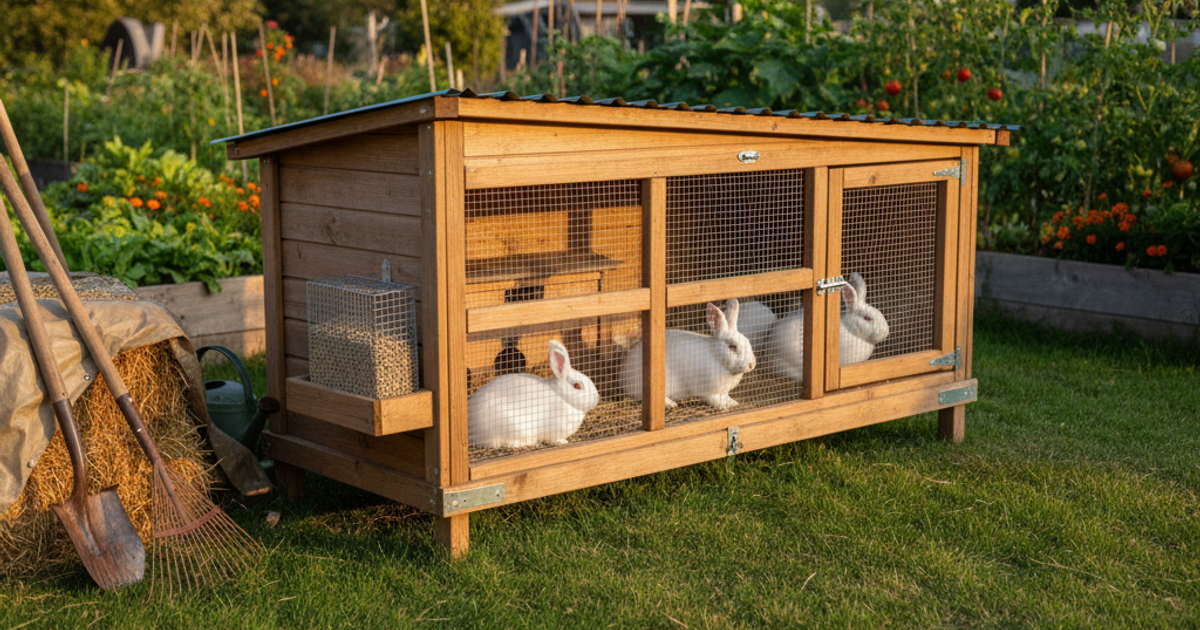
A well-built hutch is the foundation of your rabbitry. The good news is that a functional, durable hutch can be built from basic lumber and wire for under $100 in materials. For those who want a solid starting point or need a hutch immediately, the Kaytee rabbit hutch outdoor cage is a well-regarded option that provides weather protection and proper ventilation right out of the box — ideal for getting your rabbitry operational fast while you plan a permanent structure.
Basic Hutch Dimensions and Design
- Minimum floor space: 30 inches wide × 36 inches deep × 18 inches tall per adult rabbit
- Preferred design: Elevated off the ground by 24–36 inches on legs to allow manure to drop freely and deter predators
- Wire floor: Use 1/2-inch × 1-inch welded wire mesh for flooring — this allows waste to fall through while supporting the rabbit's feet
- Solid roof: Plywood or metal roofing covered with tar paper or metal sheeting to shed rain and provide shade
- Nest box compartment: A private enclosed section approximately 12 × 18 inches for does to kindle (give birth)
Step-by-Step DIY Hutch Construction
- Frame the structure using 2×4 lumber. Cut four corner posts at 48 inches and frame the top and bottom rectangles for your desired hutch footprint.
- Attach the wire mesh walls and floor. The hardware cloth welded wire mesh 1/2 inch roll is exactly what you need here — the 1/2-inch gauge prevents rabbit feet from slipping through and keeps predators out. Staple it tightly to the frame using heavy-duty staples and J-clips for corners.
- Build and attach the roof using plywood, angled slightly to allow rainwater runoff.
- Install the door using wire mesh on a hinged wooden frame with a secure latch. Raccoons are surprisingly dexterous — use locking carabiners or barrel bolt latches.
- Add a removable dropping tray below the wire floor using sheet metal or a plastic tray to collect manure for garden use.
- Install the nest box inside the doe's hutch, accessible from the outside for easy checking without disturbing the doe.
For multiple animals, build a "colony hutch" or a stacked "rabbit condo" with separate compartments. Always house bucks separately from does except during intentional breeding.
Feeding Your Rabbits Off the Grid: Commercial Feed and Forage Strategies
Rabbits are herbivores with a relatively simple diet. Under normal prepper conditions, a quality commercial pellet forms the backbone of the diet. Manna Pro rabbit pellets feed is a trusted brand among serious rabbitry keepers — it's nutritionally balanced, cost-effective in bulk, and stores well in sealed five-gallon buckets, making it an excellent addition to your emergency food storage rotation for livestock.
However, a true off-grid prepper plans for a future where commercial feed isn't available. Build your forage knowledge now:
- Safe forage plants: Dandelions, plantain, clover, comfrey, blackberry leaves, raspberry leaves, orchard grass, timothy hay
- Garden scraps: Carrot tops, kale, broccoli leaves, beet greens, romaine lettuce
- Hay: Timothy or orchard grass hay should be available at all times — it's critical for digestive health
- Avoid: Iceberg lettuce, rhubarb, avocado, and anything from the onion family
Feeding consistency and sanitation are critical. The Little Giant galvanized rabbit feeder hopper attaches directly to the cage wire and holds multiple days' worth of pellets, reducing the frequency of feeding chores and keeping feed clean and dry. For water, the Lixit rabbit water bottle automatic nipple drinker provides clean, sanitary hydration without the mess and contamination risk of open water bowls — especially important in a hot SHTF environment where disease can devastate your herd quickly.
Rabbits drink 50–150 ml of water per kilogram of body weight daily, and nursing does drink significantly more. Pair your rabbitry with a rainwater harvesting system to maintain a reliable water supply for both your animals and your household without grid dependency.
Breeding Rabbits for Maximum Meat Production in a Survival Situation
Rabbit reproduction is where the real survival math pays off. Does reach sexual maturity at 4–6 months depending on breed. Bucks mature slightly later. The most productive meat breeds for the backyard prepper are:
- New Zealand White: The gold standard for meat production — large framed, fast growing, calm temperament
- Californian: Excellent meat-to-bone ratio, good mothering instincts
- Rex: Smaller but produces premium-quality fur alongside meat
To breed, simply place the doe in the buck's hutch (never the reverse — does are territorial). Leave them together for 15–30 minutes. Does are induced ovulators, meaning they ovulate in response to mating, making conception rates very high — typically 70–85%. Gestation is 28–31 days. Provide a nest box filled with straw or hay about 28 days after breeding. Litters of 6 to 10 kits are normal. Wean kits at 4–8 weeks and re-breed the doe 2–4 weeks after kindling. With good management, a doe can safely produce 5 to 6 litters per year.
Humane Harvesting and Processing Rabbits Off-Grid
Processing rabbits is straightforward and requires minimal equipment — a significant advantage over larger livestock. A sharp fixed-blade knife, a pair of poultry shears, and a clean work surface are the primary tools required.
The most common and humane dispatch method for rabbits is cervical dislocation — a single sharp downward pull on the head while holding the hind legs that severs the spinal cord instantly. This requires practice but becomes fast and reliable. After dispatch:
- Hang the rabbit by the hind legs
- Remove the head and feet
- Make a small incision in the skin at the hips and peel the hide downward — rabbit hide removes easily in one piece
- Open the abdominal cavity and remove entrails, reserving the liver, heart, and kidneys which are edible
- Rinse the carcass and allow to rest in a cold water bath for 30–60 minutes before butchering or preserving
Once harvested, rabbit meat can be preserved multiple ways. Consider integrating your rabbitry with a DIY smokehouse for long-term preservation without refrigeration, or use pressure canning — our guide to canning meat at home covers the process step-by-step for safe long-term protein storage.
Health Management and Disease Prevention in a Prepper Rabbitry
Healthy rabbits require clean living conditions above all else. Spot-clean hutches daily and do thorough cleans weekly. Watch for these common issues:
- GI Stasis: Caused by improper diet or stress — ensure constant hay access
- Snuffles (Pasteurellosis): Respiratory infection — isolate affected animals immediately
- Ear mites: Treat with mineral oil drops in early stages
- Sore hocks: Caused by wire floors — provide resting mats in each hutch
Stock basic veterinary supplies including injectable penicillin (for snuffles), ivermectin (for parasites), and probiotics. Learn to recognize illness early and cull aggressively — in a SHTF scenario, a sick animal is a liability, not a patient.
What You'll Need
- Lumber (2x4s and 2x2s) or recycled wooden pallets
- Hardware cloth (1/2-inch mesh for floors, 1-inch mesh for sides)
- Galvanized roofing material or corrugated plastic sheets
- Heavy-duty wire cutters and staple gun with staples
- Hinges, latches, and door hardware
- Wood screws, nails, and L-brackets
- Water bottles or automatic waterers
- Metal feed dishes or J-feeders
- Nesting boxes for breeding does
- Weatherproof sealant or outdoor paint
Step-by-Step Instructions
Step 1: Select Your Meat Rabbit Breed and Assess Space Requirements
Choose heritage meat breeds like New Zealand Whites, Californians, or American Chinchillas that produce 8-10 pound carcasses at 12 weeks. Calculate space based on one breeding trio (one buck and two does) requiring minimum 18 square feet of hutch space, with each adult needing a 30x36-inch individual cage. Plan for additional grow-out space for offspring, allowing 1 square foot per fryer rabbit until processing age.
Step 2: Build Elevated Hutch Structures with Proper Ventilation
Construct hutches 3-4 feet off the ground using treated lumber or pallet wood to protect rabbits from ground predators and moisture. Frame individual cages with 2x2 lumber and attach 1/2-inch hardware cloth flooring to allow droppings to fall through for sanitation. Install 1-inch mesh on all sides for airflow while preventing predator entry, and angle the roof at least 15 degrees for rain runoff.
Step 3: Install Feeding and Watering Systems for Efficiency
Mount gravity-fed water bottles or automatic watering systems at the front of each cage at shoulder height to prevent contamination. Attach J-feeders or heavy ceramic dishes to cage walls to minimize feed waste and prevent tipping. Position feeders and waterers so you can refill them from outside the cage without disturbing the animals, reducing stress and handling time.
Step 4: Establish a Breeding Schedule for Continuous Production
Breed does when they reach 6 months old or 5-6 pounds, rotating between two does to maintain steady meat production year-round. Take the doe to the buck's cage for breeding, never the reverse, and rebreed 8 weeks after kindling for optimal health and production. Expect 30-50 kits per doe annually, yielding 180-250 pounds of dressed meat from a single breeding trio with proper management.
Step 5: Implement Daily Care and Feed Management Protocols
Feed rabbits twice daily with 16-18% protein pellets, providing 4-6 ounces per adult and free-choice feed to nursing does and growing fryers. Supplement with timothy hay for digestive health and offer fresh greens like dandelion, clover, and vegetable scraps as treats. Check water supplies morning and evening, and inspect each rabbit for signs of illness, injury, or unusual behavior during feeding time.
Step 6: Maintain Hutch Sanitation and Predator Protection
Remove accumulated manure from under wire floors weekly, composting it for garden use or selling it as a nitrogen-rich amendment. Sanitize cages quarterly with a 10% bleach solution, replacing any rusted wire or rotted wood immediately. Secure all cage doors with double latches and inspect hardware cloth regularly for holes or weak spots that raccoons or dogs could exploit.
Step 7: Process Meat at Optimal Age and Store for Long-Term Use
Harvest fryer rabbits at 10-12 weeks when they reach 4-5 pounds live weight, yielding approximately 2-2.5 pounds of meat per rabbit. Learn humane processing techniques including proper dispatching, skinning, and butchering to maximize meat recovery and minimize stress. Freeze rabbit in meal-sized portions using vacuum sealing for 6-12 month storage, or pressure-can for shelf-stable meat lasting 2-3 years without refrigeration.
Frequently Asked Questions
How many rabbits do I need to feed a family of four in a survival situation?
To produce a meaningful portion of your protein needs, plan for a minimum of one buck and four to six does. This setup can realistically yield 400–600 pounds of live weight (roughly 200–300 pounds of dressed meat) annually — enough to provide a significant protein supplement alongside your emergency food storage. Scale up as your management skills and feed supply grow.
Can I raise rabbits for meat without a lot of land or space as part of my emergency preparedness plan?
Absolutely. This is one of the biggest advantages rabbits have over other livestock. A 10×12 foot shed or covered area can house a productive rabbitry of 10–15 animals. Many preppers raise meat rabbits in suburban backyards, garages, and even on small apartment balconies (check local ordinances). Unlike chickens, rabbits produce almost no noise and minimal odor when properly managed, making them one of the most discreet off-grid protein sources available.
What is the best breed of rabbit to raise for meat in a backyard survival setup?
The New Zealand White is widely considered the best all-around meat rabbit for survival production. They are fast growing (reaching 5 lbs in 8 weeks), have excellent feed conversion, large litter sizes, calm temperaments, and white fur that hides processing marks on the hide. Californians are a close second and are often crossed with New Zealands to produce vigorous, fast-growing hybrid kits.
Affiliate Disclosure: SHTF Plan participates in the Amazon Services LLC Associates Program. Some links are affiliate links — we may earn a small commission at no extra cost to you.