Off-Grid Clean: How to Do Laundry and Stay Hygienic When Running Water Disappears
When the grid fails, hygiene collapses fast. Here's how to keep yourself and your family clean, healthy, and disease-free without running water.
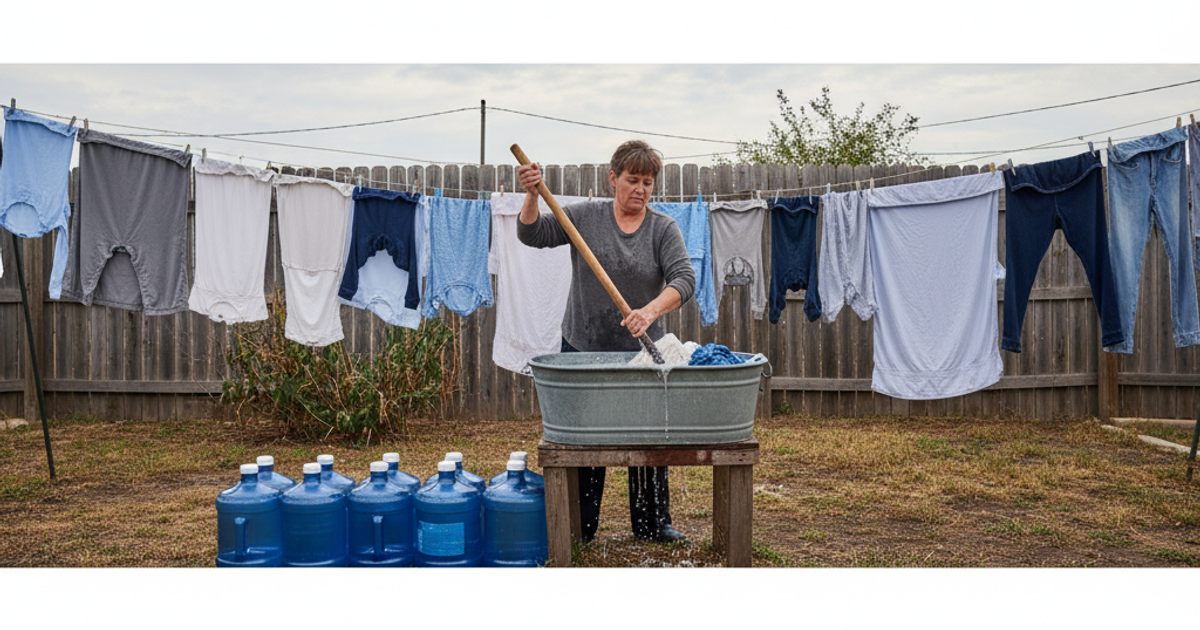
When the grid goes down and municipal water stops flowing, most people's first thoughts go to drinking water and food. But there's a quieter crisis unfolding at the same time — one that can kill you just as surely as dehydration or starvation. Poor hygiene in a grid-down scenario is a direct pathway to infection, disease, and death. According to the World Health Organization, poor hand hygiene alone contributes to roughly 3.5 million deaths annually worldwide, most of them in conditions that resemble what a long-term SHTF scenario would look like in developed nations. If you haven't built hygiene and laundry protocols into your emergency preparedness plan, you have a serious gap in your readiness.
This isn't just a rural homesteader's problem. Whether you live in a high-rise apartment, a suburban split-level, or a remote off-grid property, the loss of running water creates the same fundamental challenge: keeping yourself, your family, and your living space clean enough to prevent the illnesses that will overwhelm an already-stressed survival situation. And if you're managing sanitation challenges alongside this — which you will be — check out our guide on Grid-Down Sanitation: How to Manage Waste and Stay Healthy When the Sewers Stop Working for the full picture.
Why Personal Hygiene Becomes a Life-or-Death Priority in a Grid-Down Emergency
In normal life, hygiene is a comfort habit. In a SHTF scenario, it becomes a survival discipline. Without soap and water, the human body becomes a breeding ground for bacteria within 48 to 72 hours. Minor cuts become infected. Skin conditions flare into open wounds. Gastrointestinal illnesses spread through improvised food preparation areas. Fungal infections — athlete's foot, ringworm, jock itch — become debilitating when left untreated.
History backs this up brutally. During the 1918 influenza pandemic, military camps with poor sanitation suffered dramatically higher mortality rates than those with enforced hygiene protocols. In post-hurricane scenarios studied by FEMA, skin and wound infections consistently ranked among the top medical complaints in the first two weeks — not injuries from the storm itself. Your survival gear list needs to include hygiene supplies just as seriously as it includes food and weapons.
The good news is that maintaining adequate hygiene without running water is entirely achievable. It requires planning, the right supplies, and a systematic approach. Here's how to do it.
How to Do Laundry Off-Grid Without Electricity or Running Water
Clean clothes are not a luxury — they prevent skin infections, maintain body temperature regulation, and support basic mental health during prolonged stress. A prepper who dismisses laundry as a low-priority concern will be treating infected skin abrasions by week two.
The Bucket Method
The most accessible off-grid laundry method for urban and suburban preppers requires nothing more than two five-gallon buckets, a toilet plunger with holes drilled in the cup, and a clothesline or drying rack. Fill one bucket with water and a small amount of soap, agitate clothes with the plunger for several minutes, wring manually, then transfer to the second bucket filled with clean rinse water. This method works in an apartment bathroom, a suburban backyard, or a rural barn. It requires roughly two to three gallons of water per load — manageable if you're practicing smart emergency water storage.
Portable Washing Machines for Preppers
For those who want a step up in efficiency, the Lehman's Wonder Wash portable hand washing machine is a hand-cranked, pressurized washing unit that can clean a small load of clothes in about two minutes using minimal water and soap. It requires no electricity, fits on a countertop, and is genuinely effective — not just a novelty. For a prepper living in an apartment with no outdoor space, this is one of the most practical laundry solutions available.
For the mobile prepper or anyone with a bug out bag that includes clothing, the Scrubba wash bag portable laundry system is worth serious consideration. It's an ultralight, waterproof bag with an internal washboard that lets you clean clothes with minimal water in under five minutes. It weighs almost nothing and rolls up to pocket size, making it a legitimate addition to any mobile survival kit.
Soap Selection Matters
Not all soaps are created equal in a grid-down scenario. You need a soap that works in cold water, works with limited water, is safe for skin AND laundry, and ideally won't destroy a gray water disposal system or local water source. Dr. Bronner's Sal Suds biodegradable soap checks all of these boxes. It's highly concentrated — a small amount goes a long way — it's genuinely biodegradable, and it works as both a laundry detergent and a general cleaning product. A single bottle can handle dozens of laundry loads when used sparingly, making it excellent for long-term stockpiling.
Drying Without a Dryer
Drying laundry off-grid means clotheslines, drying racks, and airflow. Urban preppers can string lines across apartment spaces or use folding racks near windows. In wet or cold weather, hang clothes near any heat source you're using — a wood stove, a propane heater. Avoid mildew by ensuring airflow around damp items. In freezing conditions, clothes can actually freeze-dry outdoors — a traditional technique that still works.
Personal Bathing and Body Hygiene Without Running Water
The Sponge Bath Protocol
You don't need a shower to stay clean. The military-style "field wash" or sponge bath requires less than a quart of water and achieves 80 to 90 percent of the hygiene benefit of a full shower. The protocol: wash face and neck first, then armpits, groin, and feet — in that order, with fresh cloth sections for each area. These are the zones where bacteria accumulate fastest and where skin breakdown begins. Compressed towel tablets like Wysi wipes compressed towel tablets emergency expand into full washcloths when exposed to water, making them incredibly space-efficient for both home stockpiles and bug-out bags. A single small container holds dozens of individual wash cloths in a space smaller than a deck of cards.
Solar Shower Bags for Off-Grid Bathing
When water allows for a more thorough wash, a solar shower bag is one of the most practical investments a prepper can make. The Coleman portable camp shower solar bag holds several gallons of water and heats it using solar energy in just a few hours on a sunny day. Hang it from a tree, a fence, a balcony railing, or a shower rod, and you have a functional gravity-fed shower. This works equally well in a suburban backyard or a rural bug-out location, and even apartment dwellers can heat a bag on a roof or sunny balcony and use it in a bathtub.
Hair and Scalp Care
Scalp hygiene is frequently overlooked but matters. Unwashed hair harbors bacteria, contributes to scalp infections, and — in a stress-filled survival situation — becomes a lice vector if any community members are affected. Dry shampoo (commercial or improvised from cornstarch) can extend washing intervals significantly. Keeping hair shorter or braided reduces maintenance requirements. Budget your water accordingly — hair washing should happen at least weekly if possible.
Oral Hygiene When Infrastructure Fails
Dental emergencies in a grid-down scenario are genuinely dangerous. A tooth abscess can become a life-threatening systemic infection within days without antibiotic intervention. Your oral hygiene stockpile should include manual toothbrushes (several per person), toothpaste or tooth powder, dental floss, and antimicrobial mouthwash. Brushing without running water is straightforward — wet the brush minimally, brush thoroughly, and spit. A small cup of water for rinsing is sufficient. For more on managing dental crises without professional care, see our coverage of Dental Emergencies in a Disaster: How to Handle Tooth Pain and Infections When There's No Dentist.
Building Your Grid-Down Hygiene Supply Cache
A well-built hygiene cache supports three categories: laundry, personal bathing, and sanitation. Here's a practical stockpile framework for a family of four for 90 days:
- Soap: 4–6 bottles of concentrated biodegradable liquid soap, plus a supply of bar soap
- Dental: 12 manual toothbrushes, 4 tubes of toothpaste or equivalent tooth powder, 6 packs of dental floss, 2 bottles of mouthwash
- Hair: 2–4 bottles of dry shampoo, standard shampoo/conditioner for water-available washing
- Body: Compressed towel tablets (200+), standard washcloths, a supply of feminine hygiene products, disposable razors
- Laundry: Portable washing device, concentrated laundry soap, clothesline and pins, folding drying rack
- Foot care: Antifungal powder or spray, nail clippers, extra socks (wool preferred)
- Hand sanitizer: Minimum 2 liters of 60%+ alcohol-based sanitizer for times when soap and water aren't accessible
Disease Prevention Strategies That Don't Require Running Water
Clean hands are your most powerful disease prevention tool. The CDC estimates that proper handwashing can reduce diarrheal disease risk by up to 48% and respiratory infections by 16 to 21%. In a SHTF scenario where medical care is unavailable or severely limited, that reduction could be the difference between a managed situation and a medical crisis. Establish handwashing stations using water stored in a container with a spigot or improvised pour-spout, positioned near your food prep area and toilet area. Make hand hygiene a non-negotiable protocol for every household member before eating and after using the toilet.
Footwear matters more than most preppers realize. Keeping feet dry and protected prevents the skin breakdown that turns into serious infections. Double-sock techniques, foot powder, and daily inspection for blisters or sores can prevent minor foot issues from becoming mobility-limiting injuries. This ties directly into your broader urban survival and mobility planning — a compromised foot can end a bug-out before it begins.
Clothing rotation also supports disease prevention. Having at least three complete sets of clothing per person allows for washing, drying, and rotation without forcing people into damp or dirty clothes. Synthetic fabrics dry faster than cotton; wool resists odor better and remains insulating when wet. Your clothing choices in your survival kit and bug-out bag should reflect these performance differences.
Hygiene Considerations Specific to Urban Preppers
Urban preppers face unique constraints: limited water storage capacity, no outdoor space for laundry or solar showers, neighbors in close proximity, and the need to maintain grey man operational security by not broadcasting that you're doing fine while others aren't. Solution: conduct outdoor hygiene activities in early morning or evening hours. Use blackout curtains when using indoor lighting during outages. Dry laundry indoors where possible. Store hygiene supplies in ordinary-looking containers. Situational awareness applies to your supply management as much as it does to threat assessment — visible abundance makes you a target.
Water access for urban preppers depends heavily on pre-stored supplies and collection systems. A bathtub water bladder (WaterBOB) can store 100 gallons of clean water filled before an anticipated outage. Rainwater collection from window boxes, roof access, or fire escapes (where legal) supplements stored supplies. Every drop saved from drinking purposes by efficient hygiene practices buys you time.
What You'll Need
- Large bucket or washtub (5-gallon minimum)
- Plunger or mobile washing wand
- Washboard (optional but helpful)
- Biodegradable soap or laundry detergent
- Clothesline and pins or drying rack
- Water source (stored, collected rainwater, or nearby stream)
- Basin or small bucket for personal hygiene
- Washcloths, towels, and rags
- Vinegar or baking soda for extra cleaning power
Step-by-Step Instructions
Step 1: Establish Your Water Collection and Conservation System
Set up rain catchment barrels or identify the nearest natural water source before your stored water runs out. Prioritize water usage by designating "gray water" from washing for secondary uses like toilet flushing or watering plants. Always filter and purify water from natural sources before using it on your body or clothing to prevent illness.
Step 2: Create a Manual Laundry Station
Fill your 5-gallon bucket two-thirds full with water and add a small amount of biodegradable soap (about 1 tablespoon per gallon). Place your dirty clothes inside and use a clean plunger in an up-and-down motion for 5-10 minutes to agitate the fabric. For heavily soiled items, let them soak for 15-30 minutes before agitating, or scrub them against a washboard for stubborn stains.
Step 3: Rinse and Wring Out Your Laundry
Drain the soapy water and refill the bucket with clean water for rinsing. Agitate the clothes again for 2-3 minutes, then remove each item and wring it out thoroughly by twisting. For larger items like towels or jeans, you may need to rinse twice to remove all soap residue, which can cause skin irritation if left in the fabric.
Step 4: Dry Clothes Using Passive Methods
Hang wet laundry on a clothesline in direct sunlight, which not only dries fabric but also helps kill bacteria naturally. Space items apart to allow air circulation and speed drying time. In cold or humid weather, hang clothes near a heat source indoors or use a drying rack, turning items periodically to prevent mildew.
Step 5: Implement a Daily Personal Hygiene Routine
Use a basin with 1-2 quarts of water for daily sponge baths, washing critical areas first: face, hands, armpits, groin, and feet. Heat water over a fire or camp stove when possible for comfort and better cleaning. Change into clean clothes at least every 2-3 days to prevent skin infections and maintain morale during extended grid-down situations.
Step 6: Practice Waterless Cleaning Techniques
Keep baby wipes, antibacterial hand gel, and dry shampoo in your supplies for times when water is extremely scarce. Use baking soda as a dry deodorant and teeth cleaner by applying small amounts with a damp cloth. These methods won't replace proper washing but can extend the time between full hygiene sessions when water must be rationed.
Step 7: Maintain Sanitation to Prevent Disease
Always wash hands thoroughly before food preparation and after using the toilet, even if water is limited—this single habit prevents most waterborne illnesses. Designate separate cloths for washing dishes, personal hygiene, and general cleaning to avoid cross-contamination. Boil all hygiene water if you're unsure of its purity, and hang used washcloths in sunlight to dry completely between uses.
Frequently Asked Questions
How do you stay clean without running water during a long-term power outage?
The most practical approach is the military sponge bath method using less than a quart of water per person per day for basic hygiene. Focus on face, hands, armpits, groin, and feet — the areas where bacterial accumulation causes the most harm. Supplement with hand sanitizer, dry shampoo, and compressed towel tablets to stretch your water supply. For laundry, use a bucket-and-plunger system or a portable hand-crank washing machine. The key is establishing a daily hygiene routine and treating it as non-negotiable, even when resources are tight.
What hygiene supplies should I stockpile for emergency preparedness?
Your emergency hygiene stockpile should cover at minimum 90 days and include: concentrated biodegradable soap, toothbrushes, toothpaste or tooth powder, dental floss, hand sanitizer (60%+ alcohol), dry shampoo, feminine hygiene products, antifungal powder, compressed washcloths, a portable washing solution, clothesline and drying equipment, and extra socks and underwear. Prioritize concentrated products that serve multiple purposes — they take up less storage space and provide better value per dollar. Store hygiene supplies in waterproof containers alongside your other emergency food storage and gear to prevent moisture damage.
How much water do you actually need for hygiene in a grid-down situation?
FEMA's standard emergency water recommendation is one gallon per person per day, with hygiene included. In practice, you can maintain adequate hygiene on as little as half a gallon per person per day if you're using efficient methods — sponge baths instead of showers, concentrated soaps, and hand sanitizer for non-critical hand cleaning. Laundry adds roughly two to three gallons per small load using the bucket method. Plan your total water budget to include drinking (minimum one quart per person per day), cooking, and hygiene separately so you can make informed trade-offs when supplies run low.
Affiliate Disclosure: SHTF Plan participates in the Amazon Services LLC Associates Program. Some links are affiliate links — we may earn a small commission at no extra cost to you.