Power Through Any Crisis: How to Choose and Use a Whole-House Standby Generator for Long-Term Emergency Power
When the grid fails for days or weeks, a portable generator won't cut it. Here's how to choose, install, and maintain a standby generator that keeps your home running.
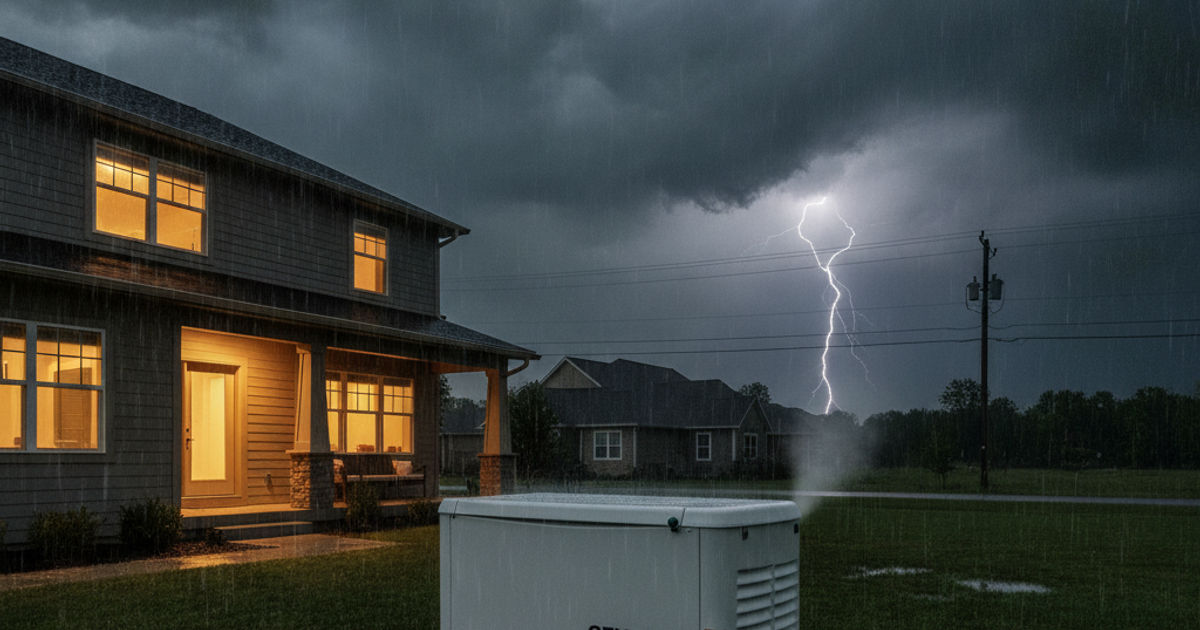
When the grid goes down, your level of emergency preparedness determines whether your family stays warm, fed, and safe — or descends into a dangerous scramble for survival. According to the U.S. Energy Information Administration, the average American experiences about eight hours of power outages per year, but major grid events like Hurricane Ida, the 2021 Texas Winter Storm, and widespread wildfire-related shutoffs have left millions without power for days or weeks at a time. For serious preppers, a portable generator is a stopgap. A whole-house standby generator is a force multiplier — one that kicks on automatically, runs your entire home, and buys you time when SHTF on a regional scale.
This guide covers everything you need to know: how to size your generator, which fuel type makes the most sense for your situation, how automatic transfer switches work, installation basics, and long-term maintenance that keeps your system ready to run when everything else fails. Whether you're in a suburban neighborhood, a rural homestead, or managing a multi-unit building, there's a standby power strategy that fits your reality.
What You'll Need
Tools
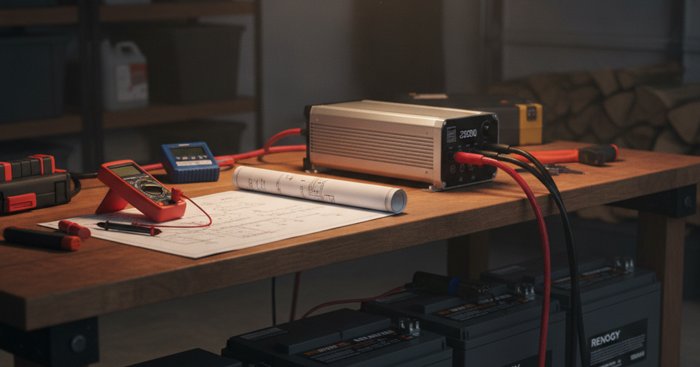
- Multimeter (for testing electrical circuits and load balancing)
- Adjustable wrench and socket set (for generator installation and maintenance)
- Conduit bender and wire fish tape (for running electrical conduit)
- Oil drain pan and funnel (for routine oil changes)
Supplies
- Generac generator maintenance kit (oil filter, spark plug)
- STA-BIL 360 fuel stabilizer for generator storage
- Dielectric grease (for weatherproofing electrical connections)
- Transfer switch wiring diagram and permit documentation
How to Size a Whole-House Standby Generator the Right Way
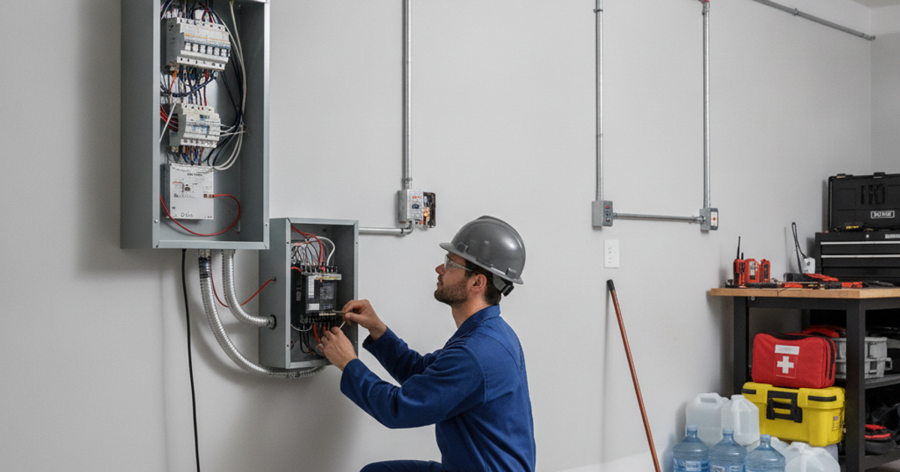
Sizing is the single most common mistake preppers make when investing in backup power. Buy too small, and you'll trip breakers trying to run your HVAC system alongside your refrigerator and medical equipment. Buy too large, and you waste thousands of dollars and burn more fuel than necessary.
To size correctly, start by calculating your essential load — the critical circuits you need to keep running during an extended outage. This typically includes your HVAC system (the biggest draw), refrigerator and freezer, well pump if you're off-grid or rural, lights, medical devices, and charging infrastructure. Add up the wattage of each appliance, then add a 20–25% buffer for motor startup surge. Most American homes require between 10,000 and 22,000 watts to run comfortably during a grid-down event.
Using a Generac load calculator or generator sizing guide takes the guesswork out of this process — it walks you through a systematic audit of your home's power demands and recommends the appropriate generator class. For most suburban and rural homes with central HVAC, a 20,000–22,000 watt unit is the sweet spot.
For large homes or properties with multiple structures, the Generac 22000 watt whole house standby generator is a benchmark-class unit capable of powering virtually any residential load — including electric ranges, well pumps, HVAC systems, and security infrastructure simultaneously. It's a serious investment for serious preppers who refuse to compromise on continuity of power.
Choosing the Right Fuel Type for Long-Term SHTF Scenarios
Fuel choice is as critical as generator size. Each option has trade-offs that matter enormously in a sustained crisis.
Natural gas is the most convenient option for urban and suburban preppers with existing gas service. It's delivered via buried pipeline, which means you don't have to store anything on-site. The downside: if the crisis damages gas infrastructure — as happened during the 2021 Texas freeze — your supply may be interrupted. The Kohler 20RESAL whole house standby generator is an industry-leading natural gas unit known for ultra-quiet operation, robust build quality, and fast transfer times — a strong choice for suburban installations where noise ordinances and HOA rules apply.
Liquid propane (LP) is the top choice for rural preppers and off-grid households. You store it in large above-ground tanks (500–1,000 gallons), and with proper rotation it keeps indefinitely. Most standby generators can be factory-configured or field-converted to run on LP. The key is maintaining at least a 50% tank level going into storm season or any anticipated grid disruption.
Diesel is the most energy-dense liquid fuel and stores well with proper stabilizer treatment, making it popular for serious off-grid and homestead applications. However, diesel standby generators are significantly more expensive upfront. For long-term fuel storage strategies that complement any generator type, see our detailed guide on Fuel Storage for Preppers: How to Safely Stockpile Gasoline, Diesel, and Propane for Long-Term Emergencies.
Understanding Automatic Transfer Switches — The Brain of Your Backup Power System
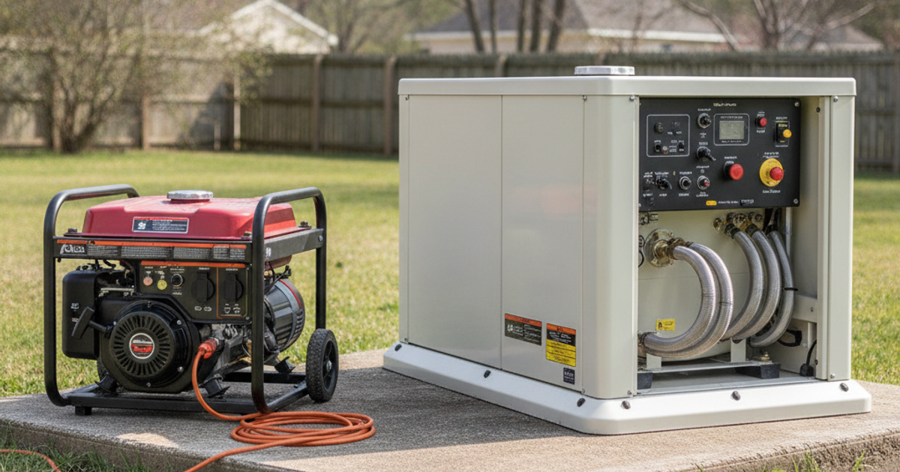
A whole-house standby generator without an automatic transfer switch (ATS) is just a loud, expensive machine. The ATS is what separates a true emergency power system from a portable unit with an extension cord. When utility power fails, the ATS detects the outage within seconds, signals the generator to start, waits for it to reach stable output, then switches your home's electrical load from the grid to the generator — all automatically, without you lifting a finger.
More importantly, the ATS provides anti-islanding protection, preventing your generator from back-feeding power into utility lines and potentially electrocuting lineworkers trying to restore service. This isn't optional — it's a code requirement in virtually every jurisdiction.
For whole-home coverage, the Generac 200 amp automatic transfer switch is designed to handle the full electrical panel of most American homes. It integrates seamlessly with Generac generator systems and includes monitoring features that let you track generator status remotely.
If you're pairing a standby generator with an existing electrical system that needs a fully integrated solution, the Briggs & Stratton 40396 standby generator with automatic transfer switch offers an all-in-one package that simplifies the installation process considerably — a smart option for DIY-minded preppers with solid electrical knowledge.
For preppers who want to power critical circuits only — rather than the whole house — without a full panel transfer, the Reliance Controls 30 amp transfer switch kit offers a budget-friendly entry point that lets you run selected circuits (sump pump, refrigerator, furnace blower, lighting) from a portable or mid-range standby generator. This is especially relevant for apartment-adjacent suburban preppers who may not have access to full-panel installation.
If you rely on life-critical medical devices and need to ensure power continuity at the device level, our article on Backup Power for Medical Devices: How to Keep Life-Saving Equipment Running When the Grid Fails is essential reading alongside this one.
Step-by-Step Instructions
Step 1: Calculate Your Home's Total Power Load Before Purchasing
List every major appliance and its wattage, paying special attention to motor-driven equipment like HVAC compressors, well pumps, and refrigerators that draw 2–3x their running wattage at startup. Add all running watts, apply a 25% surge buffer, and use that number as your minimum generator capacity. A load calculator tool makes this step significantly faster and more accurate.
Step 2: Select Your Fuel Type Based on Local Infrastructure and Storage Capacity
If you have natural gas service and live in a low-seismic-risk area, natural gas offers the most hands-off fuel supply. If you're rural, semi-rural, or concerned about pipeline disruption, liquid propane with a large on-site tank gives you more autonomy. Confirm with your local propane supplier what size tank and delivery schedule makes sense for your expected runtime needs.
Step 3: Choose Your Generator and Transfer Switch Configuration
Match your generator output to your calculated load, then decide between a full-panel ATS (for whole-house coverage) or a critical-circuit transfer switch (for budget-conscious partial coverage). Confirm compatibility between your generator brand and ATS before purchasing — mismatched components can cause control board communication failures that require costly rewiring.
Step 4: Pull the Required Permits Before Installation Begins
In virtually every U.S. jurisdiction, installing a standby generator and transfer switch requires an electrical permit and inspection. Some areas also require a gas line permit and a concrete pad or gravel base for the generator unit. Skipping permits can void your homeowner's insurance and create serious liability if the system causes injury or fire. Contact your local building department before scheduling installation.
Step 5: Install the Generator on a Permanent, Level Pad at a Safe Distance
NFPA 37 and most local codes require standby generators to be placed at least five feet from windows, doors, and fuel lines, and at least 18 inches from the structure. Pour a concrete pad or use an approved composite pad — the generator must remain level to ensure proper oil distribution during operation. In flood-prone areas, elevate the pad to keep the unit above the base flood elevation.
Step 6: Connect the Transfer Switch to Your Main Electrical Panel
This step should be performed by a licensed electrician unless you have documented electrical experience and are working under a permit. The ATS connects between your utility meter and your main panel, intercepting the incoming service. Double-check all neutral and ground connections — improper grounding is the leading cause of transfer switch failures and shock hazards.
Step 7: Test the System Under Load Before You Need It
Run a full load test by simulating a power outage — shut off your main breaker and verify the generator starts, the ATS transfers cleanly, and all critical circuits come online. Check voltage output with a multimeter (should be 120/240V ±5%), listen for abnormal engine sounds, and confirm the ATS transfers back cleanly when utility power is restored. Log the test date and results.
Step 8: Establish a Routine Maintenance Schedule and Stick to It
Most manufacturers require an oil and filter change after the first 25 hours of operation, then every 100–200 hours or annually thereafter. Spark plugs, air filters, and coolant should be inspected seasonally. Program your generator's built-in exercise cycle to run the unit for 20–30 minutes weekly under light load — this keeps the engine lubricated, the battery charged, and surfaces the problems before you need the system in a real emergency.
Long-Term Generator Maintenance for SHTF Readiness
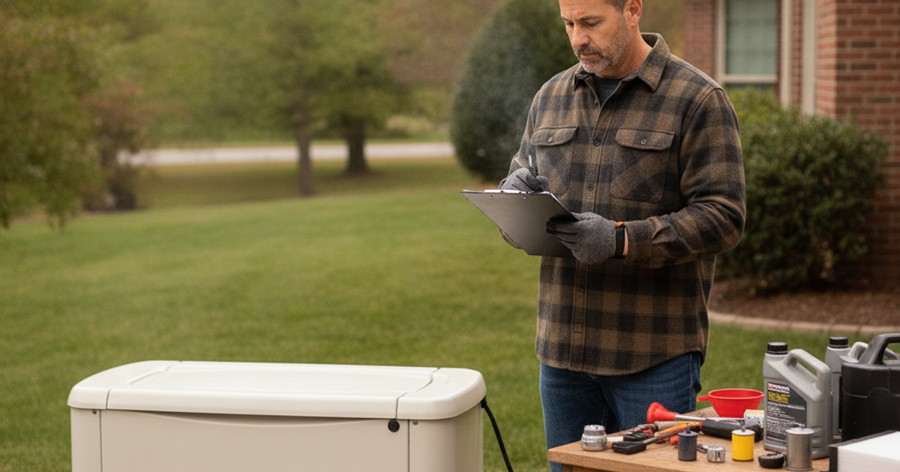
A generator that won't start when the grid goes down is worse than no generator — it gives you false confidence. Maintenance is where most preppers fail. Keeping a Generac generator maintenance kit with oil filter and spark plug on hand at all times ensures you can perform routine service without waiting for parts to ship during a supply chain disruption. Stock at least one full service cycle worth of consumables — oil, filter, spark plug, and air filter — and rotate them annually.
Fuel quality is the second maintenance pillar. Stale gasoline is the number-one cause of generator failure during emergencies. If your standby unit uses a liquid fuel backup tank or you're running a propane system that occasionally idles on gasoline during seasonal transitions, treat stored fuel with STA-BIL 360 fuel stabilizer — it protects fuel from ethanol breakdown, oxidation, and phase separation for up to 24 months and is safe for use in all generator engine types.
Your generator system also ties into your broader home alarm infrastructure. Carbon monoxide poisoning from improperly placed generators kills dozens of Americans every year. Make sure your CO detector network is functional and that your generator is installed at a safe distance from any occupied structure. For a comprehensive look at home alarm integration, see our guide on Smoke, Carbon Monoxide, and Gas: How to Choose the Right Home Alarm System for Emergency Preparedness.
Urban and Apartment Considerations for Backup Power
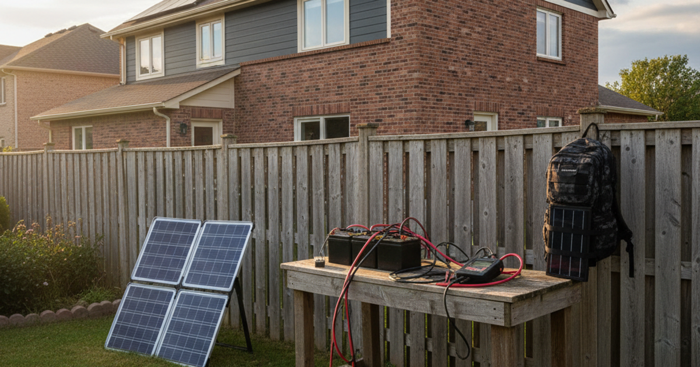
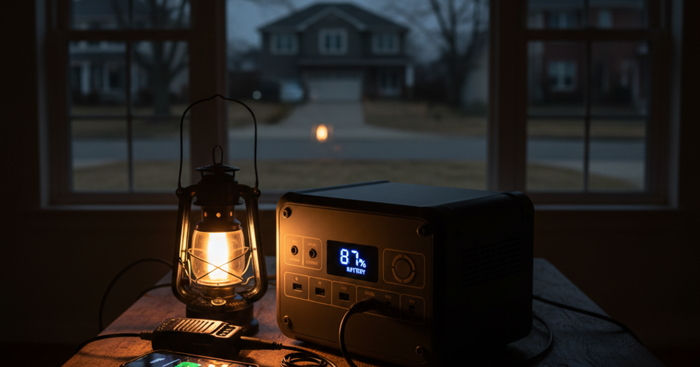
Not every prepper has a backyard, a gas line, or permission to modify their electrical panel. If you're an urban prepper living in an apartment or rented property, a whole-house standby generator may be outside your current reach — but that doesn't mean you're without options. High-capacity portable power stations, solar-charged battery banks, and critical-circuit transfer switches installed in owner-occupied condos or townhomes can bridge the gap significantly. Start building toward a layered power strategy that grows with your living situation. The principles of load calculation, transfer switching, and fuel management apply at every scale.
Recommended Gear
For preppers building a complete standby power system, here's a recap of the key equipment covered in this guide. The Generac 22000 watt whole house standby generator handles the heaviest residential loads with room to spare. The Kohler 20RESAL natural gas standby generator is the premium quiet-running option for natural gas users in suburban environments. The Generac 200 amp automatic transfer switch provides seamless whole-panel protection, while the Briggs & Stratton 40396 standby generator with automatic transfer switch offers an integrated solution for straightforward installation. Budget-conscious preppers can start with the Reliance Controls 30 amp transfer switch kit for critical-circuit coverage. Keep your unit running reliably with a Generac maintenance kit, protect your fuel supply with STA-BIL 360 fuel stabilizer, and use a Generac load calculator to nail your sizing from the start. For complementary power solutions, check out our Prepper's Guide to Solar Panel Selection and our guide to Inverter Basics for Preppers.
Frequently Asked Questions
How big of a standby generator do I need for a whole house?
Most average American homes (1,500–3,000 sq ft) with central HVAC require between 14,000 and 22,000 watts to run comfortably during a grid outage. The exact size depends on your specific appliances, whether you have electric heat or an electric water heater, and whether you want to power everything simultaneously or rotate loads manually. Perform a proper load calculation — adding up running wattage of all critical appliances plus a 25% motor startup buffer — before choosing a generator size. When in doubt, size up: you can always run a larger generator at partial load, but you can't safely overload a small one.
What fuel is best for a whole-house standby generator in an emergency?
The best fuel is the one you can reliably access and store during a crisis. Natural gas is the most convenient for urban and suburban preppers with existing service, since it requires no on-site storage. Liquid propane offers the best long-term storage reliability for rural and off-grid preppers — a full 500-gallon tank can run a mid-sized home generator for 7–14 days continuously. Diesel is the most energy-dense option but requires careful fuel rotation and stabilizer treatment to remain viable beyond 12–18 months. Most experienced preppers recommend LP as the best all-around balance of storage safety, availability, and generator compatibility.
Can I install a whole-house standby generator myself?
The generator unit itself can often be placed and prepped by a confident DIYer, but the electrical connection to your main panel and the installation of an automatic transfer switch must be done by a licensed electrician in most states, and always requires a permit and inspection. Gas line connections require a licensed plumber or gas fitter. Attempting unpermitted electrical work on a transfer switch is not only a code violation — it can void your homeowner's insurance and create life-threatening shock or fire hazards. Budget for professional installation as part of your total system cost, and treat the generator placement, pad preparation, and routine maintenance as the DIY elements of the project.
Affiliate Disclosure: SHTFPlan.net participates in the Amazon Services LLC Associates Program. Some links are affiliate links — we may earn a small commission at no extra cost to you.