Lifesaving Meds Without a Pharmacy: How to Build a Long-Term Drug Supply
When pharmacies close and supply chains collapse, your family's prescriptions run out fast. Here's how to build a serious medication stockpile before SHTF.
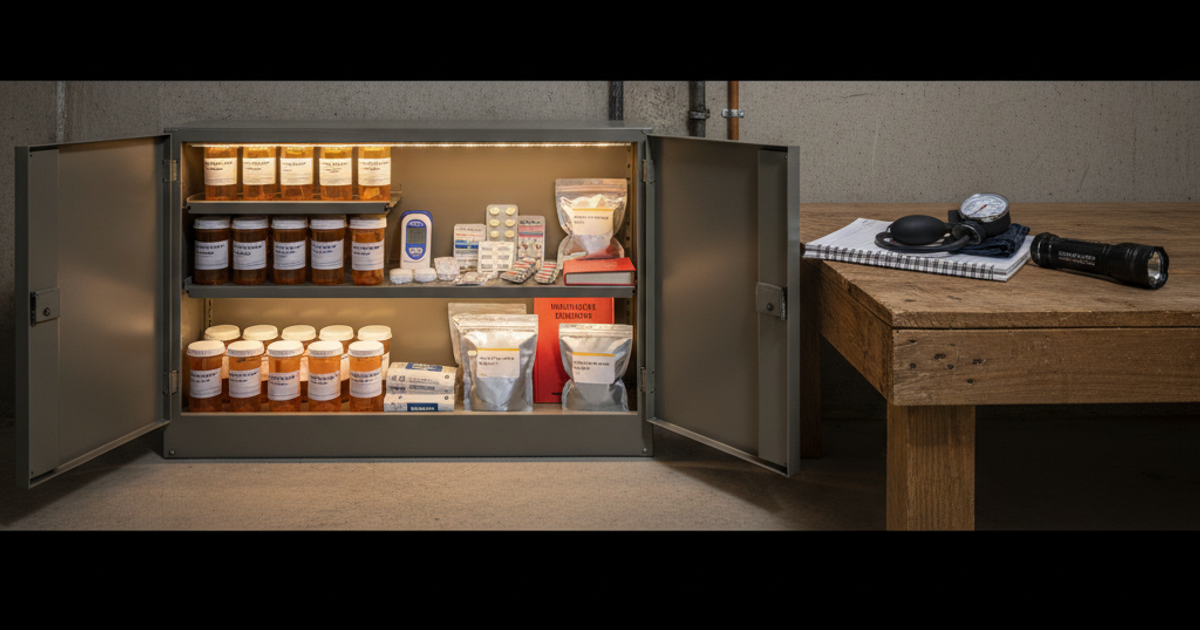
According to the CDC, approximately 131 million Americans — nearly 66% of adults — take at least one prescription medication daily. Yet most emergency preparedness plans treat medications as an afterthought, buried somewhere between extra batteries and a can opener. When the grid goes down, supply chains collapse, or a disaster traps your family at home for weeks, that oversight can kill.
A robust emergency preparedness plan isn't complete without a pharmaceutical strategy. Whether you're an apartment dweller in Chicago, a suburban homeowner in Phoenix, or living off grid in rural Montana, the principles of building and maintaining a medication stockpile are largely the same — and the stakes couldn't be higher.
Why Prescription Medication Stockpiling Is a Critical SHTF Survival Priority
Most pharmacies carry roughly a 30-day rolling inventory. In a major disaster — think Hurricane Katrina, a prolonged grid-down scenario, or a nationwide supply chain disruption — that inventory evaporates within days. A 2022 FDA report noted that drug shortages hit a 10-year high, with over 295 active shortages recorded. That's during normal times.
In a true SHTF scenario, insulin-dependent diabetics, cardiac patients on blood thinners, and individuals managing severe mental illness face life-threatening crises within days of missing doses. Chronic conditions don't take a break because society does. Your survival kit needs to account for this reality just as seriously as it accounts for food and water.
Medication stockpiling also ties directly into your broader medical preparedness. If you haven't already built out your trauma and first aid capabilities, check out our guide on Grid-Down First Aid: How to Build a Trauma Kit That Keeps Your Family Alive When EMS Is Gone — medications and trauma response go hand in hand.
How to Build a Prescription Drug Reserve Without Breaking the Law
The single biggest barrier preppers face is getting their hands on more than a 30-day supply of controlled or prescription medications. Here's how to work within the system:
Work With Your Doctor
Have an honest conversation with your physician about disaster preparedness. Many doctors are surprisingly receptive, especially after recent supply disruptions. Ask about a 90-day supply prescription — many insurers cover this, and it immediately triples your buffer. Some states allow "emergency dispensing" provisions that let pharmacists dispense early refills during declared disasters.
Use the Fill-Early Method
Most insurance plans allow refills when you have 7–10 days remaining. If you consistently refill at that point rather than waiting until you run out, you'll naturally accumulate a buffer over several months. Over the course of a year, this can build a meaningful reserve without any special arrangements.
Leverage Prescription Discount Programs
GoodRx, Mark Cuban's Cost Plus Drugs, and similar discount programs often allow you to purchase extra supplies outside of insurance — paying cash. This is a legal, practical method to acquire additional stockpiles, particularly for generic medications that are inexpensive out of pocket.
Travel Overrides and Vacation Supplies
Most insurance plans include a "vacation override" that allows early refills before travel. Use this strategically. Document everything and stay within your prescription guidelines — the goal is preparedness, not abuse of the system.
Over-the-Counter Drug Stockpiling for Long-Term Emergency Preparedness
OTC medications are far easier to stockpile and should be a foundational component of any prepper medical cache. Build your OTC reserve around these categories:
- Pain and fever management: Acetaminophen (Tylenol), ibuprofen (Advil/Motrin), aspirin — stock multiple formulations including children's doses if applicable
- Antihistamines: Diphenhydramine (Benadryl) and loratadine (Claritin) for allergic reactions, also useful as a sleep aid
- Gastrointestinal: Loperamide (Imodium), bismuth subsalicylate (Pepto-Bismol), antacids — diarrhea and dehydration kill in extended emergencies
- Topical antibiotics and wound care: Bacitracin, neomycin, hydrocortisone cream
- Respiratory: Pseudoephedrine-based decongestants, expectorants, cough suppressants
- Electrolyte and rehydration: Oral rehydration salts, Pedialyte powder
- Eye and ear care: Saline eye drops, ear drops for infection management
For managing your OTC supply and staying organized during daily use, a MABIS medication organizer weekly pill organizer makes it easy to track what you're taking, monitor consumption rates, and maintain rotation discipline across multiple family members.
Understanding Real Drug Shelf Life — The Data May Surprise You
The FDA expiration date stamped on your medication bottle is largely a legal liability date, not a hard safety cutoff. The landmark SLEP (Shelf Life Extension Program), conducted by the Department of Defense and FDA, tested over 100 drug products and found that 90% remained fully potent an average of 5.5 years beyond their labeled expiration date when stored properly.
Key points to understand:
- Most solid oral drugs (tablets, capsules) retain potency well beyond expiration when stored in cool, dark, dry conditions
- Liquid medications and suspensions degrade faster and should be rotated more aggressively
- Nitroglycerin, liquid antibiotics, insulin, and EpiPens are exceptions — these have genuine shelf-life limitations and should never be relied upon past expiration in critical scenarios
- Tetracycline antibiotics (older formulations) have been associated with toxicity when degraded — avoid stockpiling these
- The general rule: if it smells different, has changed color, or has visible degradation, discard it
How to Store Medications Long-Term to Maximize Shelf Life
Proper storage is where most preppers fail. Heat, humidity, and light are the primary enemies of pharmaceutical stability. The bathroom medicine cabinet is arguably the worst place in your home to store medications — it's hot, humid, and subject to constant light exposure.
Temperature Control
Most medications should be stored between 59°F and 77°F (15°C–25°C). Exceeding 86°F accelerates chemical degradation significantly. For urban survival situations where your apartment may lose climate control, this is a critical planning consideration. For temperature-sensitive medications like certain biologics or insulin, a TheraSafe medication insulated travel case temperature control solution can maintain safe temperatures for extended periods without electricity — invaluable for bug-out scenarios or grid-down situations at home.
Humidity Control
Moisture degrades tablets, causes clumping, and accelerates hydrolysis in many drug compounds. Target relative humidity below 60%. Boveda humidity control packs medication storage solutions are precision two-way humidity regulators originally developed for the cigar industry, now widely used for pharmaceutical storage — they actively maintain a set humidity level inside sealed containers, not just absorb excess moisture.
Desiccants for Airtight Storage
For bulk dry medication storage in sealed containers, Dry-Packs silica gel desiccant canisters airtight containers provide reliable moisture absorption for long-term stockpiles. These are reusable, rechargeable by heating in an oven, and sized appropriately for various container volumes.
Light Protection
UV light degrades many compounds. Store medications in amber bottles or opaque containers, inside a cabinet or box — never on a countertop or windowsill.
Physical Protection and Organization
For a comprehensive medication cache that needs to be portable — whether for bugging out or sheltering in a different location — a hard-sided, waterproof case is the gold standard. The Pelican 1510 carry-on case medication storage setup provides crushproof, waterproof, dustproof protection with customizable foam inserts, making it ideal for protecting an entire family's pharmaceutical supply during evacuation or transport. It fits carry-on airline requirements, which matters for grey man travel where you want to avoid drawing attention.
Building a Tiered Medication System: Home, Bug Out Bag, and Vehicle
Don't keep all your pharmaceutical eggs in one basket. A tiered system ensures you always have access to critical medications regardless of the scenario:
- Tier 1 — Home Base Cache: Your full 90-day (or longer) supply stored in optimized conditions. This is your primary reserve for bugging in scenarios.
- Tier 2 — Bug Out Bag Supply: A minimum 30-day supply of critical prescription medications, plus a full OTC kit, in waterproof, portable packaging. If you need help thinking through your overall bug out bag contents, our Complete 72-Hour Bug Out Bag Checklist for Urban Survival covers the full framework.
- Tier 3 — Vehicle Emergency Kit: A 7–14 day minimum supply. Note: vehicle storage is problematic for heat-sensitive drugs — rotate frequently and use insulated cases.
Antibiotic Stockpiling: What You Need to Know
Antibiotics are among the most requested items in prepper medical discussions, and with good reason — bacterial infections that are trivially treated today can be fatal without access to care. Fish antibiotics (amoxicillin, ciprofloxacin) gained notoriety in the prepper community as pharmaceutical-grade equivalents sold without a prescription, though the FDA has moved to restrict this market.
The more defensible approach: work with a physician or telehealth provider who understands preparedness to obtain legitimate prescriptions. Wilderness medicine courses often include instruction on antibiotic use in austere environments — this knowledge is just as important as the drugs themselves. See our guide on Wilderness Medicine for Preppers: How to Treat Life-Threatening Injuries When Help Is Never Coming for broader context on treating serious medical conditions without professional support.
If you do stockpile antibiotics, understand that antibiotic selection matters. A broad-spectrum approach covering gram-positive and gram-negative bacteria is preferable to a single agent. Common useful classes include: amoxicillin-clavulanate, doxycycline, ciprofloxacin, and metronidazole — each covering different infection types.
OPSEC for Your Medication Stockpile
A significant pharmaceutical cache has real barter and survival value — which means it also has theft value. Don't discuss your medication stockpile with neighbors, acquaintances, or on social media. Keep your storage locations discreet. In a prolonged emergency, insulin, psychiatric medications, and pain medications become high-value commodities. Apply the same situational awareness principles to your medical supplies that you would to any other critical resource. Our article on OPSEC for Preppers: How to Keep Your Stockpile and Plans Secret When SHTF covers this in depth.
Rotation, Documentation, and Inventory Management
A stockpile without a management system is a liability. Implement these practices:
- FIFO rotation: First In, First Out — always use the oldest stock first
- Written inventory: Maintain a physical (not just digital) log of every medication, quantity, lot number, and expiration date
- Quarterly audits: Review your supply every 90 days to identify items approaching expiration and replace them
- Temperature logs: If storing temperature-sensitive items, keep a simple max/min thermometer log in your storage area
- Condition documentation: Note any appearance changes in stored medications and discard anything that looks or smells degraded
Herbal and Natural Medicine as a Supplementary Layer
Pharmaceutical stockpiling has real limits — supplies run out, some medications can't be stockpiled effectively, and not everyone has access to prescriptions. Herbal medicine isn't a replacement for pharmaceuticals in critical situations, but it provides a supplementary layer of capability. Elderberry, echinacea, garlic, turmeric, and willow bark (the original aspirin precursor) have documented antimicrobial or anti-inflammatory properties. Learning to grow and process medicinal plants adds genuine resilience. Our guide on Medicinal Herbs You Can Grow at Home for Long-Term Survival is an excellent complement to this article.
What You'll Need
- Airtight storage containers (medical-grade with desiccant packs)
- Vacuum sealer and mylar bags
- Oxygen absorbers (100-300cc)
- Medical refrigerator or cooler with temperature monitor
- Medication inventory spreadsheet or logbook
- Dark storage cabinet or opaque bins
- Thermometer and hygrometer
- Backup prescriptions from your physician
Step-by-Step Instructions
Step 1: Consult Your Physician for Extended Prescriptions
Schedule an appointment with your doctor to discuss obtaining a 90-day supply of essential maintenance medications. Explain your concerns about supply chain disruptions and request written prescriptions that allow for early refills. Many physicians will work with you on this, especially for chronic conditions like diabetes, hypertension, or thyroid disorders. Document all medication names, dosages, and expiration dates in a dedicated logbook.
Step 2: Identify Critical Medications and Prioritize Storage
Create a tiered list of medications based on life-critical necessity. Tier 1 includes insulin, heart medications, seizure drugs, and other life-sustaining prescriptions. Tier 2 covers antibiotics, pain relievers, and anti-inflammatories. Tier 3 includes comfort medications and supplements. Focus your storage efforts on Tier 1 first, as these cannot be substituted with natural alternatives and require the most careful preservation.
Step 3: Establish Optimal Storage Conditions
Set up a dedicated storage area that maintains temperatures between 59-77°F with humidity below 60%. Most medications degrade rapidly in heat and moisture, so avoid bathrooms, kitchens, and exterior walls. Use a dark closet or basement area away from sunlight, and install a thermometer-hygrometer combo to monitor conditions daily. For insulin and other temperature-sensitive medications, designate refrigerator space with a battery backup thermometer that alerts you to temperature fluctuations.
Step 4: Package Medications for Long-Term Preservation
Remove pills from original bottles and vacuum-seal them in mylar bags with oxygen absorbers, grouping by medication type and expiration date. Label each package clearly with medication name, dosage, quantity, original expiration date, and packaging date. Keep one month's supply in original containers for immediate use while storing the bulk supply in airtight containers with desiccant packs. This method can extend shelf life 2-5 years beyond printed expiration dates when stored properly.
Step 5: Implement a Rotation System
Use the "first in, first out" method by always consuming the oldest medications first while adding new supplies to the back of your storage. Set calendar reminders every three months to check expiration dates and rotate stock. When you refill prescriptions, immediately add the new supply to your long-term storage and pull from your oldest stock for daily use. This ensures nothing expires unused and maintains a continuously fresh supply.
Step 6: Stock Essential Over-the-Counter Medications
Build a comprehensive OTC supply including pain relievers (acetaminophen, ibuprofen), antihistamines, anti-diarrheals, antacids, and topical antibiotics. Purchase these in bulk from warehouse stores and store using the same vacuum-seal method as prescription drugs. Include a fish antibiotics kit (amoxicillin, ciprofloxacin equivalents) as emergency backup, though understand these are not FDA-approved for human use and should only be considered in true grid-down scenarios with no medical access.
Step 7: Create Backup Documentation and Emergency Protocols
Photograph all prescription labels and store digitally on an encrypted USB drive kept with your medical supplies. Write detailed instructions for each medication including dosing schedules, potential side effects, and contraindications. Prepare a "medication emergency plan" that details rationing strategies if resupply becomes impossible—for example, how to safely reduce dosages or identify which medications can be discontinued first. Include contact information for your prescribing physicians and pharmacy, plus notes on any generic alternatives or therapeutic substitutions that might be available.
Frequently Asked Questions
How long can I stockpile prescription medications before they go bad?
The honest answer is: longer than the expiration date suggests, if stored correctly. The FDA's SLEP program demonstrated that the majority of solid oral medications (tablets and capsules) remain potent 5 or more years beyond their labeled expiration when stored in cool, dark, dry conditions below 77°F with humidity under 60%. Critical exceptions include liquid medications, biologics like insulin, nitroglycerin tablets, and epinephrine auto-injectors — these have genuine shelf-life limits. Always rotate your supply, document expiration dates, and never rely on expired critical medications (especially insulin or cardiac drugs) without understanding the specific degradation profile.
What medications should I stockpile first for an emergency preparedness kit?
Start with whatever your family actually takes and cannot safely stop. Life-critical prescription medications (insulin, cardiac drugs, seizure medications, psychiatric medications) are the highest priority — work with your physician to build a 90-day buffer. For OTC stockpiling, prioritize: acetaminophen and ibuprofen (pain/fever), loperamide (diarrhea), diphenhydramine (allergic reactions), oral rehydration salts (dehydration), a broad topical antibiotic, and antacids. From there, add antibiotics if you can obtain them legitimately, an epinephrine auto-injector if anyone has known severe allergies, and any condition-specific items your household requires.
Is it legal to stockpile prescription medications for SHTF preparedness?
Stockpiling your own legitimately prescribed medications is generally legal in the United States. The key is obtaining them through proper prescriptions and not acquiring more than a reasonable personal supply. The most defensible approach is working with your doctor for 90-day prescriptions, using the fill-early method to build a natural buffer, and paying out of pocket for additional supplies through discount programs like GoodRx when legal and appropriate. Controlled substances (Schedule II–V drugs) are more tightly regulated, and stockpiling beyond your prescribed supply can create legal exposure. Never purchase prescription medications without a valid prescription — this is illegal regardless of intent.
Affiliate Disclosure: SHTF Plan participates in the Amazon Services LLC Associates Program. Some links are affiliate links — we may earn a small commission at no extra cost to you.