Pandemic Preparedness: How to Stockpile Supplies and Survive a Disease Outbreak
When a pandemic strikes, the unprepared are at the mercy of broken supply chains and overwhelmed hospitals. Here's how to get ready before it's too late.
When a novel pathogen begins spreading faster than governments can respond, the window between "early warning" and "full lockdown" can close in days. The COVID-19 pandemic demonstrated that even well-resourced nations can be caught flatfooted, leaving ordinary citizens scrambling for masks, hand sanitizer, and basic medical supplies. For the serious prepper, a disease outbreak isn't a hypothetical — it's a matter of when, not if. Whether you live in a high-rise apartment, a suburban neighborhood, or a remote rural homestead, the core principles of pandemic preparedness remain the same: reduce exposure, stockpile essentials, establish a plan, and know how to execute it under pressure.
Why Pandemic Preparedness Belongs in Every Emergency Preparedness Plan
According to the World Health Organization, the number of disease outbreaks globally has more than tripled over the past several decades. Between emerging zoonotic diseases, antibiotic-resistant pathogens, and the speed of international travel, the conditions for a pandemic are essentially permanent. The CDC has identified over 30 new infectious diseases in the past 30 years alone. Yet a 2020 survey found that fewer than 20% of American households had even a two-week supply of food and medicine stockpiled before COVID-19 hit.
A pandemic is unique among SHTF scenarios because the threat is invisible, potentially everywhere, and can make bugging out as dangerous as staying put. Your emergency preparedness plan must account for extended periods of home isolation — potentially weeks or months — without reliable access to stores, medical facilities, or emergency services.
How to Build a Pandemic Quarantine Supply Stockpile
The foundation of pandemic preparedness is having enough supplies to shelter in place without leaving your home. Think of it as a more targeted version of your standard survival kit — one optimized for biological threat containment, hygiene maintenance, and long-duration isolation.
Personal Protective Equipment (PPE)
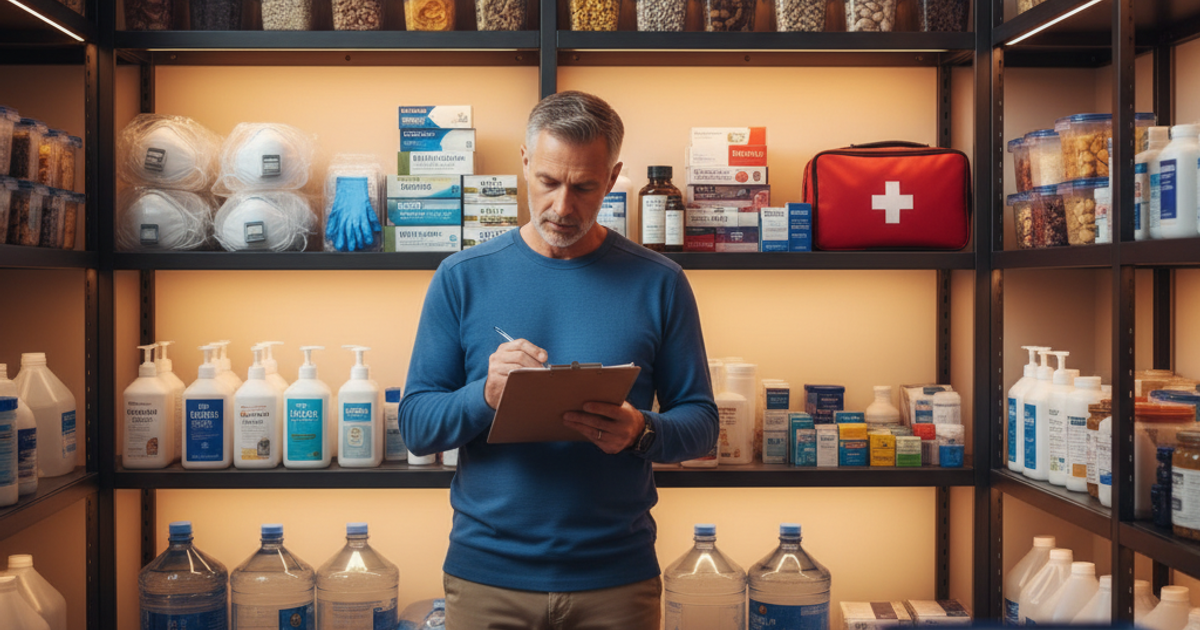
During the early days of COVID-19, N95 masks sold out within 48 hours in most major cities. That shortage cost lives. Don't be caught without them. 3M N95 respirator masks are the gold standard for airborne pathogen protection — they filter at least 95% of airborne particles and are far more effective than surgical or cloth masks for high-exposure situations. Stock at minimum 10–20 masks per household member, sealed in airtight bags to preserve filter integrity.
Beyond masks, your PPE stockpile should include:
- Nitrile or latex gloves (at least 100 pairs)
- Safety goggles or face shields
- Disposable gowns or Tyvek suits if you're caring for an infected household member
- Shoe covers for decontamination zones
Sanitation and Disinfection Supplies
Hand hygiene is your first line of defense against most pathogens. The CDC recommends washing hands for at least 20 seconds, but when water is limited or you're moving through a contaminated area, Purell Advanced hand sanitizer in bulk gallon sizes is indispensable. A gallon jug can be decanted into smaller bottles for every room of your home and for your bug out bag if evacuation becomes necessary.
Surface disinfection is equally critical. Studies show that some pathogens survive on hard surfaces for days to weeks. Clorox disinfecting wipes in bulk packs are ideal for rapid decontamination of high-touch surfaces — door handles, light switches, phones, keyboards, and any items brought in from outside. Stock at least 3–5 containers per month of anticipated isolation.
Additional sanitation supplies to stockpile:
- Bleach (sodium hypochlorite, 6–8.25%) — also doubles as a water purification agent
- Isopropyl alcohol (70% or higher)
- Liquid soap in bulk
- Trash bags in multiple sizes
- Spray bottles for DIY disinfectant solutions
Home Isolation Strategies That Actually Work
Most people conflate "staying home" with "being safe." True home isolation during a pandemic requires deliberate planning, especially if one household member becomes infected while others remain healthy.
Setting Up a Quarantine Zone Inside Your Home
If someone in your household is sick, designate a single room as the quarantine space. Ideally, this room has its own bathroom and window ventilation. If you're in an apartment without that luxury, use plastic sheeting and tape to create a physical barrier, and establish a one-way airflow system using a box fan pointed outward through a cracked window to create negative pressure.
Organization matters. Ziploc heavy duty storage bags are a surprisingly practical tool for quarantine management — use them to safely pass medications, food, and supplies to an isolated household member without direct contact, and to contain used PPE or contaminated items for disposal. Label bags clearly and establish a handoff protocol to avoid cross-contamination.
Key home isolation principles:
- Assign dedicated dishes, towels, and bedding to the sick individual
- Wear a mask when any contact is unavoidable
- Disinfect shared spaces (especially bathrooms) after each use
- Establish a communication method — even a whiteboard on the door — to coordinate needs without physical contact
- Monitor symptoms using a written log: temperature, oxygen saturation (if you have a pulse oximeter), respiratory rate, and hydration
Urban Survival Considerations During Pandemic Lockdown
For city dwellers, urban survival during a pandemic presents unique challenges. High-density living means shared elevators, hallways, laundry rooms, and air handling systems. Practice situational awareness every time you leave your unit — minimize time in common areas, use stairs when possible, and treat every surface in shared spaces as contaminated. The grey man approach applies here too: don't advertise your supplies or preparedness level to neighbors who may become desperate.
For more on how to move carefully through compromised environments without drawing attention, see our guide on Gray Man Methodology in a Societal Breakdown.
Medical Stockpiling for Disease Outbreak Survival
In a serious pandemic, hospitals may be overwhelmed or inaccessible. Your ability to manage illness at home could be the difference between recovery and a preventable death. Our full guide on Medication Stockpiling: How to Build a Prescription and OTC Drug Reserve for Long-Term Emergencies covers this in depth, but here are the pandemic-specific essentials:
Over-the-Counter Medications to Stockpile
- Fever reducers: Acetaminophen and ibuprofen (at least a 90-day supply)
- Antihistamines: For allergic reactions and symptom management
- Oral rehydration salts: Critical for combating dehydration from fever, vomiting, or diarrhea
- Cough suppressants and expectorants
- Antidiarrheals: Loperamide (Imodium)
- Zinc and Vitamin C: Evidence supports their role in immune support and reducing illness duration
- Pulse oximeter: Monitor blood oxygen saturation — a reading below 94% is a serious warning sign
- Digital thermometer (and backup)
Also build out your trauma and wound care supplies. Even during a pandemic, accidents happen and emergency rooms may be off-limits. See our guide to First Aid Without a Doctor: Building a Trauma Kit for Long-Term Emergencies for a complete list.
Emergency Food Storage That Can Sustain a 30–90 Day Lockdown
Supply chains can fracture quickly during a pandemic — we saw this with bare shelves during COVID-19 within days of declaration. Your emergency food storage plan should target a minimum of 30 days of food for every household member, with 90 days as a more serious preparedness benchmark.
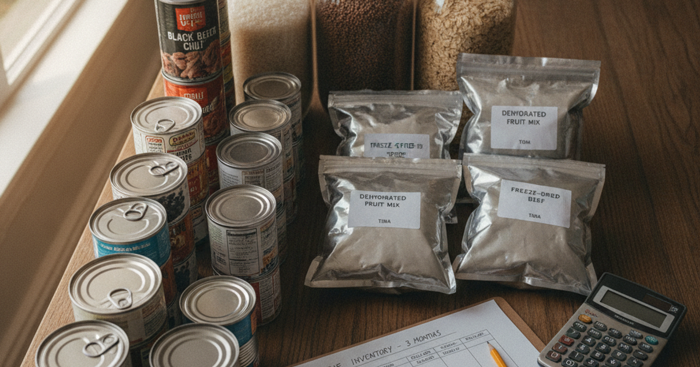
Mountain House freeze-dried food emergency supply packs are among the best options on the market for long-duration food security — they have a shelf life of up to 30 years, require only hot water to prepare, and pack a full caloric load into a compact, easy-to-store footprint. Whether you're stocking a suburban pantry or filling a small apartment closet, freeze-dried meals give you reliable nutrition without refrigeration or complex preparation.
Round out your food stockpile with:
- Canned proteins: tuna, chicken, salmon, beans, lentils
- Whole grains: rice, oats, quinoa in sealed mylar bags with oxygen absorbers
- Cooking oils, salt, sugar, honey
- Comfort foods: coffee, tea, hard candy — mental health matters in long isolation
- Baby formula, pet food, and specialty dietary items as applicable
For apartment dwellers, check out our guide on Apartment Prepping: Growing Food in Small Spaces for creative ways to extend your food supply without a yard or garage.
Water, Power, and Communications During a Pandemic
Municipal water systems are generally more resilient than food supply chains, but don't assume they'll remain functional during a widespread outbreak. Store a minimum of one gallon per person per day for drinking and sanitation — more if you're caring for a sick individual. Water purification tablets, a quality filter like a Sawyer Squeeze or Berkey, and bleach for chemical treatment should all be part of your kit.
Power outages can occur alongside any major crisis. If you're dependent on electrically powered medical equipment, a backup generator is non-negotiable. Extended isolation also strains communications — have a battery-powered or hand-crank weather radio to monitor official broadcasts and a plan for maintaining contact with family members outside your household.
Building community networks matters even during a pandemic — perhaps especially so. Mutual aid systems allow neighbors to share resources, check on vulnerable members, and distribute supplies without high-risk public trips. See our guide on Neighborhood Mutual Aid Networks: How to Build a Community Survival Team Before SHTF for a blueprint that works in both urban and suburban settings.
Psychological Resilience During Extended Isolation
Isolation is psychologically brutal. Studies from COVID-19 lockdowns found significant increases in anxiety, depression, and domestic stress — and that was a scenario most people were unprepared for. Build mental health into your pandemic preparedness plan deliberately:
- Establish daily routines and structure — they anchor psychological stability
- Designate quiet time, activity time, and social time even within a single household
- Stock books, games, puzzles, and creative supplies
- Maintain physical exercise — even inside a small apartment
- Limit excessive news consumption while staying informed enough to make decisions
What You'll Need
- Non-perishable food (30-90 day supply)
- Water storage containers and purification tablets
- N95 or KN95 respirator masks
- Latex or nitrile gloves
- Hand sanitizer (60%+ alcohol content)
- Disinfecting wipes and bleach
- Prescription medications (90-day supply)
- Over-the-counter medications (fever reducers, pain relievers)
- First aid kit with thermometer
- Flashlights and batteries
- Battery-powered or hand-crank radio
- Hygiene supplies (toilet paper, soap, feminine products)
- Plastic sheeting and duct tape for isolation
Step-by-Step Instructions
Step 1: Assess Your Household's Specific Needs
Begin by calculating how many people will shelter with you and identify any special requirements. Consider infants who need formula, elderly family members requiring prescription medications, or pets needing food and supplies. Create a detailed list of daily essentials each person uses, from medications to dietary restrictions. This assessment forms the foundation of your stockpile and prevents critical oversights during an emergency.
Step 2: Stockpile Water and Non-Perishable Food
Store at least one gallon of water per person per day for a minimum of two weeks, ideally extending to 30 days. Choose non-perishable foods with long shelf lives including canned goods, dried beans, rice, pasta, peanut butter, and protein bars. Rotate your stock every 6-12 months by using older items first and replacing them with fresh supplies. Don't forget manual can openers, eating utensils, and foods that require minimal preparation in case utilities are disrupted.
Step 3: Acquire Personal Protective Equipment and Sanitization Supplies
Purchase a minimum of 30 N95 or KN95 masks per person, as these provide effective filtration against airborne pathogens. Stock up on disposable gloves, safety goggles, and multiple bottles of hand sanitizer with at least 60% alcohol content. Include household disinfectants like bleach, which can be diluted for surface cleaning, and disinfecting wipes for high-touch areas. Store these items in a cool, dry place away from direct sunlight to maintain their effectiveness.
Step 4: Secure Medications and Medical Supplies
Contact your doctor and insurance provider to obtain a 90-day supply of all prescription medications for each family member. Build a comprehensive first aid kit including digital thermometers, bandages, antiseptic solutions, and wound care supplies. Stock over-the-counter medications such as acetaminophen, ibuprofen, cough suppressants, antihistamines, and anti-diarrheal medicines. Keep a written list of all medications, dosages, and prescribing physicians in a waterproof container with your supplies.
Step 5: Establish a Home Isolation Plan
Designate a specific room or area in your home where a sick family member can be isolated from others. Equip this space with its own supplies including tissues, trash bags, cleaning products, and a dedicated bathroom if possible. Use plastic sheeting and duct tape to seal off vents or gaps if airborne transmission is a concern. Establish protocols for delivering food and medication to the isolated individual while minimizing contact with healthy household members.
Step 6: Create Communication and Information Systems
Program emergency contacts including doctors, hospitals, poison control, and local health departments into all family phones. Maintain a battery-powered or hand-crank radio to receive emergency broadcasts if internet and cell service fail. Establish a communication tree with extended family, neighbors, and friends to check on each other's welfare during the outbreak. Keep printed copies of important documents, medical records, and emergency procedures in a waterproof folder.
Step 7: Develop Financial and Social Continuity Plans
Build an emergency fund covering 3-6 months of expenses in case of job loss or inability to work during quarantine. Arrange remote work capabilities with your employer in advance, ensuring you have necessary equipment and internet access. Stock entertainment supplies like books, games, and hobby materials to maintain mental health during extended isolation. Create a schedule for daily routines, exercise, and virtual social interaction to prevent cabin fever and maintain family morale throughout the crisis.
Frequently Asked Questions
What supplies should I stockpile for a pandemic or disease outbreak?
At minimum, you should stockpile N95 respirator masks, nitrile gloves, hand sanitizer, disinfectant wipes and sprays, a 30–90 day supply of food and water, fever reducers, oral rehydration salts, a pulse oximeter, a digital thermometer, and any prescription medications you depend on. For a serious outbreak, also include disposable gowns, eye protection, and a dedicated quarantine setup within your home. Freeze-dried food with a long shelf life and sealed grain storage are your best options for extended emergency food storage.
How do I isolate a sick family member at home without infecting others?
Designate a single room with its own bathroom as the quarantine space. The sick person should stay in that room as much as possible. Anyone providing care should wear an N95 mask, gloves, and eye protection. Disinfect shared surfaces — especially bathroom fixtures — after each use. Use a box fan to create airflow out of the quarantine room, and use heavy-duty storage bags to pass supplies without direct hand contact. Wash hands thoroughly before and after any contact with the isolated person or their belongings.
How long should my pandemic food and supply stockpile last?
The CDC recommends a two-week minimum, but serious preparedness planning targets 30–90 days. During COVID-19, some regional supply chain disruptions lasted 4–8 weeks for specific categories. If a more severe pandemic emerged with extended lockdowns or infrastructure strain, a 90-day supply provides a meaningful safety buffer. Freeze-dried meals, canned goods, and sealed dry staples stored in cool, dark conditions can last years to decades — so there's no penalty for building your stockpile well in advance.
Affiliate Disclosure: SHTF Plan participates in the Amazon Services LLC Associates Program. Some links are affiliate links — we may earn a small commission at no extra cost to you.