
Prepping with Pets: How to Keep Your Animals Alive When SHTF
Most emergency plans forget the family pet. Here's how to build a complete survival strategy for your animals before disaster strikes.
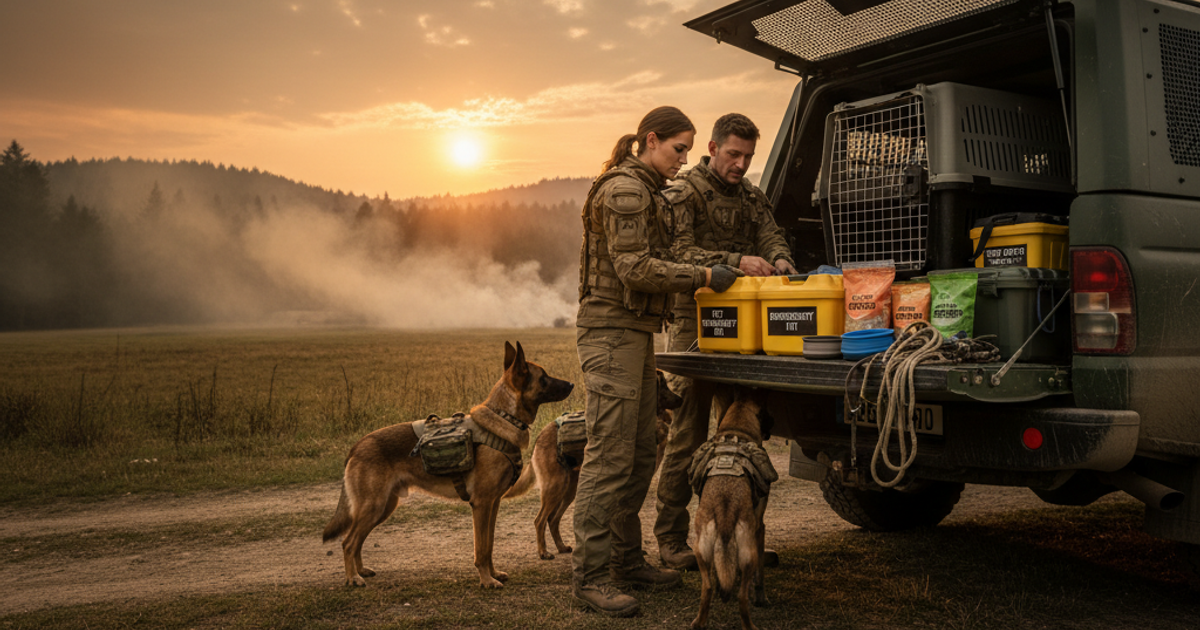
According to the American Pet Products Association, approximately 70% of U.S. households own at least one pet. That's roughly 90 million dogs, 94 million cats, and tens of millions of birds, reptiles, and small mammals sharing our homes. Yet when disaster strikes — whether it's a hurricane, earthquake, wildfire, or full societal breakdown — the vast majority of pet owners have no plan whatsoever for their animals.
FEMA has documented repeatedly that one of the primary reasons people refuse to evacuate during emergencies is that they won't leave their pets behind. In Hurricane Katrina alone, an estimated 250,000 pets were left behind — most of them died. That tragedy prompted the federal Pet Evacuation and Transportation Standards (PETS) Act of 2006, but legislation doesn't save animals. Preparation does.
Whether you're an apartment dweller with a cat, a suburbanite with a dog and a rabbit, or a rural prepper managing livestock and working dogs, this guide covers what you need to know to keep your animals alive when the SHTF.
Why Most Emergency Plans Fail Pets — and How to Fix That
Most preppers build solid family emergency plans for the humans in their household but bolt pet planning on as an afterthought. That's a critical mistake. Pets introduce logistical complications that can compromise your entire bug-out strategy: they need food, water, and medications. They create noise that undermines situational awareness and grey man tactics. They slow evacuation. They panic under stress. And in a worst-case grid-down scenario, they consume resources that you may not have planned for.
The fix is simple: integrate your pets into your emergency preparedness planning from the ground up, not as an afterthought.
Building a Pet Survival Kit: What Every Animal Needs
Just like your human bug out bag, every pet in your household needs a dedicated go-kit. Think of it as a 72-hour survival kit scaled for your animal. The contents will vary by species, but here's the universal framework:
Food and Water
- Minimum 72-hour food supply — ideally 2 weeks for shelter-in-place scenarios
- Manual can opener if you store wet food
- Collapsible or portable water bowls
- Water — one gallon per large dog per day, scaled down for smaller animals
- Water purification tablets or a filter if you plan to source water in the field
For emergency food storage, freeze-dried options are your best bet — lightweight, long shelf life, and nutritionally complete. Merrick Grain-Free Freeze-Dried Dog Food is an excellent option for dogs. It rehydrates quickly with water, stores well in a bug-out bag, and contains real protein sources without fillers that could upset a stressed animal's digestive system. Stock enough for at least two weeks if you're building toward longer-term resilience.
For water on the move, a PetSafe Collapsible Travel Dog Water Bowl is a must-have piece of survival gear. It weighs almost nothing, takes up minimal space, and ensures your dog stays hydrated whether you're moving on foot through the suburbs or across rural terrain. Dehydration in animals can become life-threatening within 24-48 hours, especially under physical stress.
Documentation and Identification
- Waterproof copies of vaccination records
- Photo ID of you with your pet (proves ownership)
- Microchip number and registration documentation
- Veterinarian contact information and nearest emergency vet along your bug-out route
- Any prescription medication information
Comfort and Control Items
- Leash, harness, and backup collar with current ID tags
- Crate or carrier appropriate to the animal's size
- A familiar blanket or toy to reduce stress
- Muzzle (for dogs — even the friendliest dog may bite when severely stressed or injured)
Pet First Aid: Don't Wait Until You Need It to Learn It
In a grid-down or SHTF scenario, veterinary care may be unavailable for days, weeks, or indefinitely. Your ability to perform basic animal first aid could mean the difference between life and death for your pet — and a wounded or suffering animal is also a significant morale hit for your whole group.
The Kurgo Dog Travel First Aid Kit is one of the most practical purpose-built kits available for preppers with dogs. It covers the most common field emergencies: cuts, abrasions, splinters, and minor injuries that occur during evacuation or extended outdoor movement. Pair it with formal pet first aid training — the Red Cross offers a Pet First Aid course that covers CPR, wound care, choking, and shock management.
Your pet-specific first aid kit should also include:
- Gauze and self-adhesive bandage wrap
- Antiseptic wipes and veterinary-grade wound spray
- Digital thermometer (normal dog temp: 101-102.5°F)
- Tweezers for tick and splinter removal
- Hydrogen peroxide (to induce vomiting if directed by poison control)
- Saline eye wash
- Diphenhydramine (Benadryl) — confirm safe dosage with your vet in advance
- Any prescription medications your animal requires
On the topic of prescription medications: if your pet is on long-term medications, apply the same strategy you would use for your own prescriptions. Check out our guide on medication stockpiling for long-term emergencies — the same principles apply to pet meds. Work with your vet to build a reasonable reserve, and rotate stock to avoid expiration.
Bugging Out with Pets: Evacuation Strategies That Actually Work
Bugging out with animals requires significantly more logistical planning than going solo or even with a family group. Here's how to approach it by scenario:
Urban and Suburban Evacuation
In a urban survival situation, your primary challenges are transport, crowd navigation, and the stress load on your animal. Dogs that have never experienced chaos, loud noises, or unfamiliar crowds may become unpredictable. Desensitization training before a crisis is invaluable.
- Know your routes — identify at least three evacuation routes from your location
- Identify pet-friendly hotels, motels, and shelters along your bug-out route in advance
- Never assume a public emergency shelter will accept animals — most don't
- Keep a crate pre-loaded and ready to go in your vehicle
- Use a vehicle emergency kit that accounts for pet needs — extra water, food, and waste bags
On-Foot Bug Out with Dogs
If your bug-out plan involves moving on foot — which is a real possibility in grid-down evacuation scenarios — your dog can actually carry their own supplies. A well-fitted dog pack can hold up to 25% of the animal's body weight.
The Ruffwear Dog Backpack Hiking Pack is purpose-built for exactly this kind of extended movement. Load it with your dog's food, a collapsible bowl, and a small first aid kit, and you've effectively distributed the load while giving your dog a job — which also helps reduce anxiety in high-stress situations. Start training your dog to wear and carry a loaded pack long before you ever need it.
If your evacuation route crosses water — rivers, flooded streets, storm surge — consider a flotation device. The Ruffwear Float Coat Dog Life Jacket is a heavy-duty, high-visibility option that provides genuine buoyancy and includes a handle for pulling your dog from the water. In flood scenarios, tornado aftermath, or coastal evacuation events, this piece of survival gear could save your dog's life. Don't overlook water hazards in your planning — they're among the most common and most deadly emergency scenarios.
Rural and Homestead Considerations
Rural preppers often face different challenges: livestock, working dogs, barn cats, and animals that simply cannot be loaded into a vehicle. Have a realistic plan for each animal category:
- Livestock: Know your nearest livestock-capable emergency shelter. Establish a relationship with neighbors who can take animals if you must evacuate quickly.
- Working dogs: Train them to load reliably on command. A dog that won't get in a truck in a crisis is a serious problem.
- Barn cats: Have humane traps ready. Cats that won't come when called may need to be trapped for evacuation.
- Shelter-in-place planning: For scenarios where you're bugging in rather than out, ensure you have 4-6 weeks of feed and water capability for all animals.
Food Storage Strategy for Pets in Long-Term Scenarios
Your emergency food storage plan must include your animals. Here's a practical approach:
- Calculate daily caloric needs for each animal and multiply by your target storage duration
- Rotate stock — use and replace, don't just stockpile and forget
- Diversify formats — dry kibble (longest shelf life when sealed), freeze-dried, and canned
- Seal properly — use Mylar bags with oxygen absorbers for bulk dry food, stored in food-grade buckets
- Account for dietary restrictions — animals with allergies or health conditions need specialty foods that may not be available in emergency supply chains
Dry kibble stored in sealed Mylar bags can last 10-15 years. Commercially canned pet food typically has a 2-3 year shelf life. Freeze-dried options like the Merrick product mentioned earlier can last 25+ years, making them ideal for deep emergency food storage.
Managing Pet Stress in a Crisis
Animals pick up on human anxiety and environmental chaos instantly. A stressed dog or cat becomes unpredictable, loud, and difficult to manage — exactly the opposite of what you need when practicing grey man tactics or maintaining situational awareness in a tense environment.
Mitigation strategies include:
- Thundershirts or anxiety wraps — effective for many dogs and cats during high-stress situations
- Pheromone sprays (Adaptil for dogs, Feliway for cats) — can be stored in your pet kit
- Routine: Maintain feeding and exercise routines as much as possible — predictability reduces anxiety
- Exercise before confinement — a tired dog is a calmer dog
- Desensitization training before a crisis — expose your animals to carriers, car travel, and unusual sounds regularly
What You'll Need
- 30-day supply of pet food (dry and wet)
- Collapsible water bowls and portable water containers
- Pet first aid kit with gauze, antiseptic, and tweezers
- Prescription medications and copies of vaccination records
- Leashes, harnesses, and secure carriers for each pet
- Pet-safe cleaning supplies and waste bags
- Comfort items (favorite toys, blankets)
- Recent photos of your pets for identification purposes
Step-by-Step Instructions
Step 1: Calculate and Store Adequate Food Supplies
Determine how much food each pet consumes daily and multiply by at least 30 days. Store food in airtight containers with oxygen absorbers to prevent spoilage and pest contamination. Rotate your stock every three months by using older food first and replacing it with fresh supplies. Include variety in your stockpile since stress can make pets finicky eaters during emergencies.
Step 2: Secure Clean Water Sources and Purification Methods
Plan for one ounce of water per pound of pet body weight daily, plus extra for cleaning. Store bottled water specifically for your pets or invest in a quality water filtration system that removes bacteria and parasites. Keep collapsible bowls in your bug-out bag and learn which natural water sources in your area are safest. Never assume pets can safely drink water that humans cannot.
Step 3: Assemble Comprehensive Veterinary and Medical Records
Create waterproof copies of vaccination records, microchip information, and current prescriptions for all pets. Include photos from multiple angles and detailed written descriptions of identifying marks or characteristics. Store digital copies on a USB drive in your emergency kit and share them with trusted family members. These documents prove ownership and ensure proper care if you're separated from your animals.
Step 4: Train Your Pets for Emergency Situations
Practice crating and evacuating your pets regularly so they associate carriers with safety rather than stress. Teach dogs to respond reliably to recall commands even with distractions present. Desensitize animals to loud noises using recorded sounds at gradually increasing volumes. Conduct monthly drills where you quickly gather pets and supplies, timing yourself to identify weaknesses in your plan.
Step 5: Establish a Pet-Friendly Bug-Out Location
Research and confirm in advance which emergency shelters, hotels, or relatives will accept your animals. Many public shelters prohibit pets, so identify at least three alternative locations within a day's travel. Establish relationships with veterinarians in potential bug-out areas before disaster strikes. Keep a list of pet-friendly accommodations with contact information in both your go-bag and vehicle.
Step 6: Create Species-Specific Emergency Kits
Customize supplies based on each animal's unique needs, including litter and boxes for cats or heat lamps for reptiles. Pack a two-week supply of any prescription medications along with dosing instructions. Include recent photos, medical records, and comfort items that smell like home to reduce anxiety. Store kits in grab-and-go containers near exits and inspect contents quarterly for expired items.
Step 7: Develop a Communication and Reunion Plan
Ensure all pets have current ID tags and microchips registered with your contact information. Designate a trusted neighbor or friend as a backup caretaker who has keys to your home and knows your pets' routines. Create lost pet flyers in advance with clear photos and descriptions ready to print. Establish a specific meeting point and protocol for family members to follow if you're separated from your animals during evacuation.
Frequently Asked Questions
What should I put in a bug out bag for my dog or cat?
A pet bug out bag should include at minimum: 72 hours of food and water, a collapsible bowl, copies of vaccination records and a photo ID, any prescription medications, a leash and backup collar with ID tags, a basic first aid kit, a muzzle, and a familiar comfort item like a small blanket or toy. For dogs that will travel on foot, a fitted pack like the Ruffwear dog backpack allows them to carry their own supplies. Keep the kit pre-packed and stored near your own bug out bag so you can grab everything quickly.
How much pet food should I store for emergencies?
At a minimum, store enough pet food for 72 hours — but serious preppers should target 2 weeks to 3 months depending on their overall emergency preparedness level. Calculate your pet's daily caloric intake, multiply by your target number of days, and store accordingly. Freeze-dried food has the longest shelf life (up to 25 years when sealed) and is the best option for deep storage. Dry kibble sealed in Mylar bags with oxygen absorbers can last 10-15 years. Rotate canned food regularly as it typically expires within 2-3 years.
Will emergency shelters accept my pets during a disaster?
Most public emergency shelters do not accept pets other than documented service animals. The 2006 PETS Act requires states to include pets in evacuation planning to receive FEMA funding, which has improved the situation, but pet-friendly public shelters remain limited. Your best strategy is to pre-identify pet-friendly hotels along your evacuation routes, connect with local animal shelters or rescue groups that may operate emergency boarding, establish reciprocal agreements with friends or family outside your area who can house your animals, and never assume a shelter will accommodate your pet. Plan as if they won't.
Affiliate Disclosure: SHTF Plan participates in the Amazon Services LLC Associates Program. Some links are affiliate links — we may earn a small commission at no extra cost to you.