Lightning, Hail, and Derecho Winds: How to Survive a Severe Thunderstorm Before It Flattens Your Neighborhood
Severe thunderstorms kill more Americans than tornadoes in most years. Learn how to read storm warnings, protect your home from hail and 100 mph straight-line winds, and survive lightning anywhere.
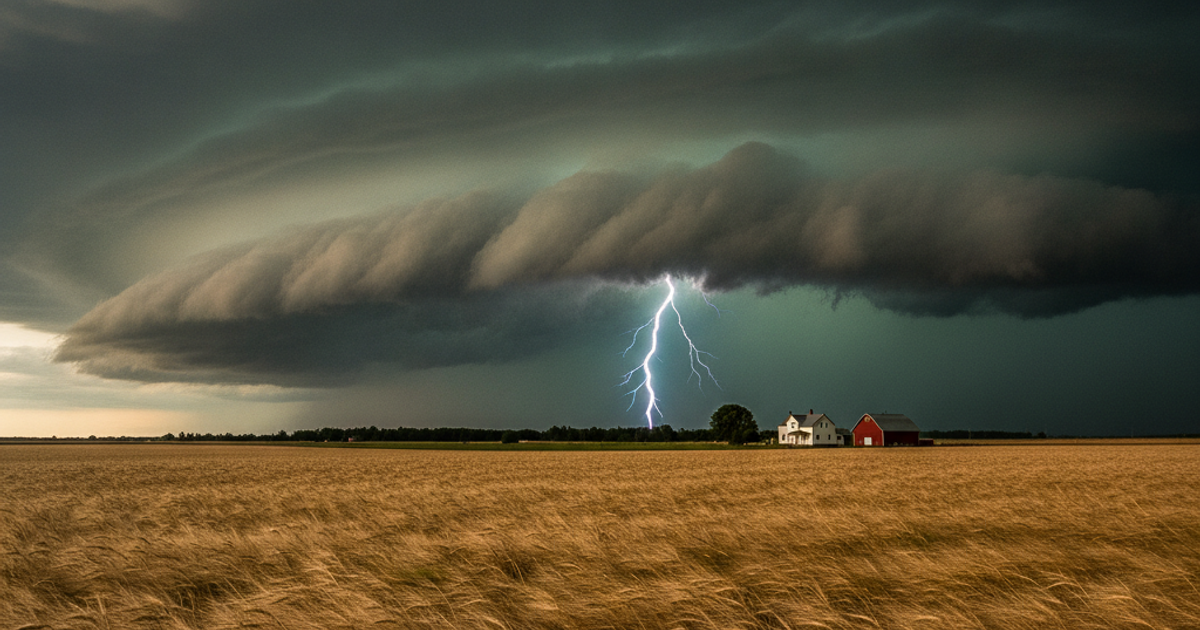
Most people treat a severe thunderstorm warning like background noise. It scrolls across the bottom of the TV, the phone buzzes, and life goes on. That complacency kills. The National Weather Service issues severe thunderstorm warnings when a storm is producing winds of at least 58 mph or hail of at least one inch — and straight-line winds alone account for roughly half of all severe weather reports in the lower 48 each year. Thunderstorm wind damage causes more total property loss annually than tornadoes.
Then there's the derecho — a long-lived, fast-moving line of thunderstorms that produces a damage swath at least 400 miles long with widespread gusts over 58 mph. The August 10, 2020 Midwest derecho crossed Iowa with gusts measured up to 140 mph, flattened an estimated 14 million acres of corn, knocked out power to more than a million customers, and caused over $11 billion in damage. It had the wind field of a Category 4 hurricane and gave residents about 20 minutes of warning.
Lightning is the quieter killer. The U.S. absorbs roughly 25 million cloud-to-ground strikes per year, killing about 20 people annually and injuring hundreds more. Roughly 90% of strike victims survive, but many live with permanent neurological damage. Nearly all deaths occur outdoors, and most happen to people who had time to get to shelter and didn't take it.
This is survivable weather — if you have a plan, a warning system, and the discipline to act on a forecast instead of a flash.
What You'll Need
Tools
- NOAA weather alert radio
- High-output flashlight
- Whole-house surge protector
- Chainsaw or bow saw and work gloves
Supplies
- Heavy-duty duct tape
- Solar lantern
- Heavy tarps and 1/2-inch plywood for broken windows
- Three days of water, emergency food storage, and a stocked trauma kit
How to Read Severe Thunderstorm Alerts Before the Sky Turns Green
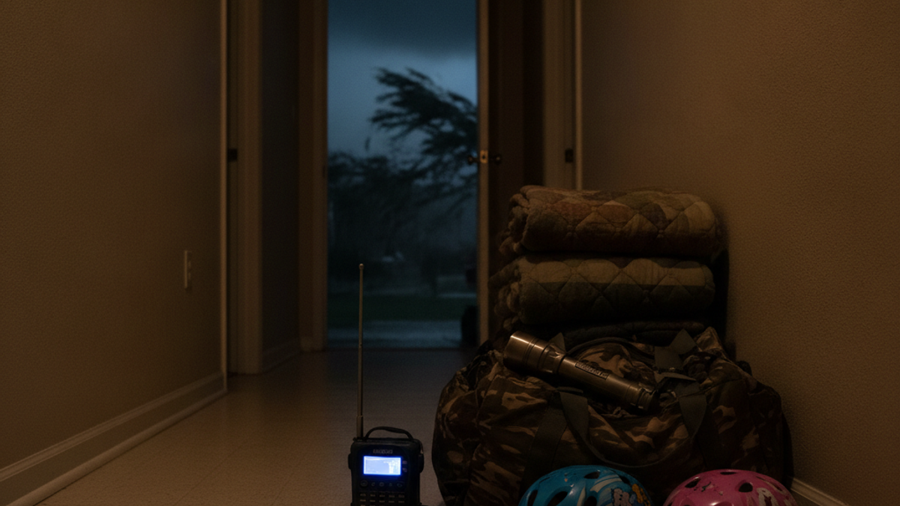
Know the vocabulary, because it dictates your timeline. A watch means conditions favor severe storms over a multi-county area for the next several hours — that's your prep window. A warning means a storm is happening or imminent in your specific area — that's your shelter window, usually 15 to 45 minutes.
Since 2021, the NWS has used "damage threat" tags on severe thunderstorm warnings. A destructive tag (80+ mph winds or baseball-size hail) triggers a Wireless Emergency Alert on your phone, just like a tornado warning. Treat that tag as a tornado-grade event, because the structural damage is comparable.
Cell towers fail and phones die. A dedicated Midland WR120 NOAA weather alert radio with SAME county programming sits silent until your specific county is warned, then screams — which is exactly what you want at 3 a.m. For bug-out bags, vehicles, and post-storm use, the hand-crank Midland ER310 emergency crank weather radio runs without batteries and charges a phone. Situational awareness starts with information, and this is the cheapest information redundancy in all of emergency preparedness.
Visual cues still matter: a shelf cloud racing toward you ahead of a dark wall, a sudden temperature drop, and a roar that doesn't fade all signal a derecho's outflow. Green-tinted skies usually mean large hail aloft.
How to Shelter at Home in an Apartment, Suburb, or Rural Property
The rule is the same everywhere: get to the lowest floor, innermost room, away from windows, and put as many walls between you and the outside as possible. A basement is ideal. An interior bathroom, closet, or hallway works. Flying glass and wind-driven debris cause most non-lightning thunderstorm injuries.
- Apartment dwellers: Interior hallways and stairwells are your shelter. Avoid top floors during extreme wind events — roof failure is a real risk. Never use elevators during a storm; a power cut traps you.
- Suburban homeowners: Pre-identify your shelter room and keep shoes, a flashlight, and helmets (bike helmets count) staged there. Derecho winds routinely drop mature shade trees onto bedrooms.
- Rural residents: Mobile and manufactured homes are not survivable in 80–100 mph winds, period. Identify a neighbor's basement, a storm shelter, or a sturdy outbuilding before the season starts, and be willing to leave early.
Much of this overlaps with tornado preparedness planning — build one shelter plan and it covers both threats.
How to Survive Lightning When You're Caught Outside
There is no safe place outdoors during a thunderstorm. The old "30/30 rule" still works: if you hear thunder within 30 seconds of a flash, the strike was within roughly six miles — well inside the next bolt's range. Go inside and wait 30 minutes after the last rumble before returning outdoors.
A substantial building or a hard-topped vehicle (the metal frame, not the tires, channels current around you) are your only real options. Avoid open fields, ridgelines, isolated trees, metal fencing, bleachers, and anything in or on water. If you're genuinely stranded with no shelter, move downhill, spread your group out 50 feet apart, and crouch low on the balls of your feet — but understand this is a last-ditch measure, not safety.
Indoors, stay off corded phones, avoid plumbing (no showers or dishwashing), and keep away from windows and doors. Roughly one-third of lightning injuries occur indoors through conductive pathways.
How to Protect Electronics, Windows, and Roofs from Hail and Surges
Hail causes close to $10 billion in U.S. damage annually. You can't stop it, but you can mitigate: park vehicles in garages or under carports, use thick moving blankets secured with Gorilla heavy duty duct tape on hoods and windshields, and close interior blinds to catch glass shards if a window breaks.
Surge protection is a layered system. A panel-mounted Tripp Lite whole house surge protector clamps the big transients riding in on the service line, while point-of-use APC SurgeArrest surge protector power strips catch what gets through and protect well pumps, routers, medical devices, and off grid charge controllers. For critical electronics, unplugging remains the only guaranteed protection.
Step-by-Step Instructions
Step 1: Program a NOAA Radio for Your County
Enter your county's SAME code so the radio only alarms for warnings that affect you. Test it monthly, keep fresh backup batteries installed, and place it where you'll hear it from the bedroom. Nuisance alerts for three counties over train people to ignore the device.
Step 2: Designate and Stock a Shelter Room
Pick the lowest, most interior space available in your home or building. Stage closed-toe shoes, helmets, a flashlight, water, a charged phone bank, and a whistle there year-round. Practice getting the whole family in place in under two minutes.
Step 3: Harden the Property During Watch Conditions
When a watch is issued, bring in or tie down patio furniture, grills, trash cans, and trampolines — all become missiles at 70 mph. Park vehicles away from trees and under cover. Charge every battery bank, phone, and power station you own.
Step 4: Trim Trees and Clear Overhangs Before Storm Season
Remove dead limbs and any branch overhanging the roof, driveway, or service drop. Hire a professional for anything near power lines. This single task prevents more derecho-related home damage than any other preparation.
Step 5: Install Layered Surge Protection
Have an electrician install a Type 2 whole-house surge protective device at the panel, then add rated power strips at every sensitive load. Verify your protectors have functioning indicator lights — spent surge protectors still pass power while protecting nothing.
Step 6: Shelter Immediately on Warning, Not on Sight
When the warning fires, move to the shelter room and stay there until the NWS clears it — not until the rain stops. Derecho lines produce multiple wind maxima, and the second surge is often worse than the first.
Step 7: Assess Hazards Before Stepping Outside
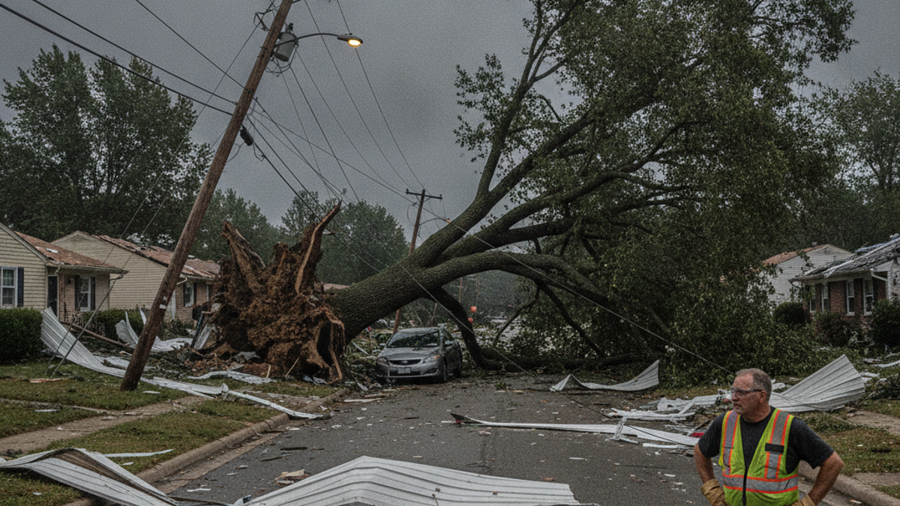
After the storm, treat every downed wire as energized and stay at least 35 feet away. Watch for leaning trees, hanging limbs, and damaged gas lines. If you're clearing debris, review proper chainsaw skills for storm debris removal — chainsaw and ladder injuries spike dramatically in the 72 hours after a wind event.
Recommended Gear for Post-Storm Outages
Derechos routinely cause multi-day blackouts over enormous areas, and crews prioritize hospitals and substations long before your street. A Jackery Explorer 300 portable power station runs CPAP machines, phones, and a fan through a hot, powerless night — and it's apartment-safe, unlike a generator. For light, a packable Goal Zero Crush Light solar lantern recharges on a windowsill and never needs fuel, while a Streamlight ProTac flashlight gives you the focused output needed to inspect a dark attic or signal for help. Pair these with the other emergency lighting options every prepper should own and browse our full recommended survival gear list to close remaining gaps.
Frequently Asked Questions
Is it safe to shower or wash dishes during a thunderstorm?
No. Lightning current can travel through metal plumbing and conductive water. The CDC and NWS both advise against bathing, showering, and dishwashing until 30 minutes after the last thunder. Plastic PEX plumbing reduces but does not eliminate the risk, since the water itself conducts.
What's the difference between a derecho and a tornado?
A tornado is a narrow, rotating column of air that typically damages a path a few hundred yards wide. A derecho is straight-line wind damage spread across a swath 60+ miles wide and 400+ miles long. Debris from a derecho falls in one consistent direction, while tornado debris is scattered chaotically. Both require the same shelter response.
How long should I wait after a storm before going outside?
Wait 30 minutes after the final clap of thunder before resuming outdoor activity. "Bolt from the blue" strikes can hit more than 10 miles from the parent storm under clear sky. After a damaging wind event, delay non-essential cleanup until daylight so you can see downed lines and hanging limbs.
Affiliate Disclosure: SHTFPlan.net participates in the Amazon Services LLC Associates Program. Some links are affiliate links — we may earn a small commission at no extra cost to you.