Disaster Insurance and Home Inventory: How to Document Your Property Before You Need to File a Claim
Most families lose thousands after a disaster because they can't prove what they owned. Here's how to build a bulletproof home inventory and understand your coverage before the storm hits.
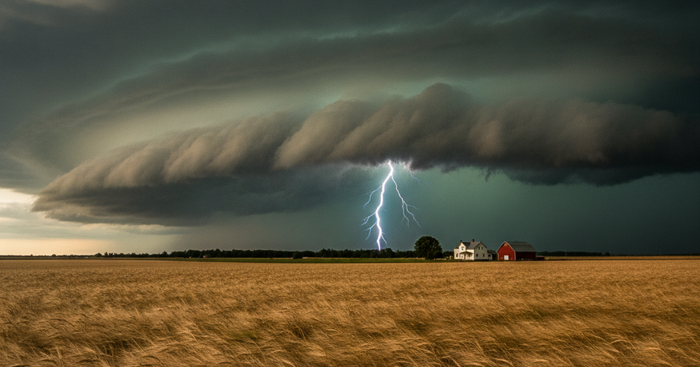
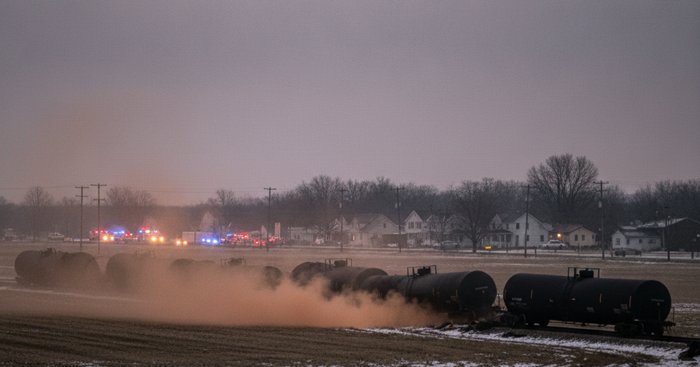
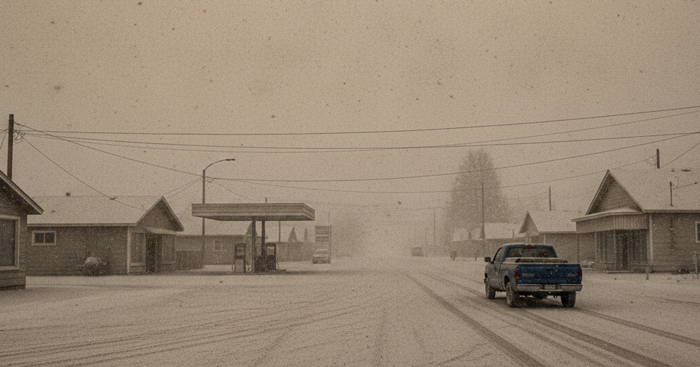
Insurance is the least glamorous prep in the entire preparedness world. It doesn't shoot, cut, filter, or burn. But after the fire trucks leave, after the floodwater recedes, after the tornado has flattened your block, an insurance claim is the single largest check most families will ever receive — and whether you get the full amount or pennies on the dollar comes down to paperwork you should have assembled years earlier.
The numbers are sobering. According to the Insurance Information Institute, roughly one in twenty insured homes files a claim each year, and about one in every 350 insured homes files a fire or lightning claim. FEMA has repeatedly noted that just a small fraction of American households carry flood insurance — in many at-risk counties it's under 20% — even though flooding is excluded from every standard homeowners policy in the country. Earthquake damage is excluded too. So is flood damage to a rental apartment's contents. Meanwhile, a nationwide analysis by CoreLogic has found the majority of U.S. homes are underinsured relative to actual rebuild cost, a gap that widened dramatically when lumber, labor, and materials prices spiked.
If you've invested thousands of dollars into emergency food storage, survival gear, generators, and water purification equipment, understand this: an adjuster will not take your word that it existed. Documentation is what converts your stockpile into a reimbursable loss. Here's how to build it.
What You'll Need
Tools
- Smartphone or digital camera with video capability
- Portable document scanner
- Label maker
Supplies
- Fireproof, waterproof document safe
- Fire-resistant document bag
- USB flash drives (encrypted)
- Portable SSD for photo and video backup
How to Review Your Disaster Insurance Coverage Before You Need It
Pull your declarations page — the one- or two-page summary at the front of your policy — and read it line by line. You're looking for five things:
- Replacement Cost vs. Actual Cash Value (ACV). ACV policies depreciate your belongings. A five-year-old $1,200 generator might net you $400. Replacement cost coverage on contents typically adds only 10–15% to your premium and is the single highest-value upgrade most families can make.
- Dwelling limit vs. current rebuild cost. Construction costs have risen sharply. If your limit hasn't moved in five years, you're likely underinsured. Ask your agent for an extended or guaranteed replacement cost endorsement.
- Exclusions. Flood, earthquake, landslide, sewer backup, and often wind/hail in coastal states require separate policies or endorsements. Sewer backup riders are frequently under $75/year.
- Special limits. Most policies cap firearms, cash, jewelry, and silver at $200–$2,500 total. A prepper with a gun safe and precious metals needs scheduled personal property coverage, which requires appraisals and serial numbers.
- Loss of Use / Additional Living Expense. This pays for hotels and meals while you're displaced. Know the dollar cap and the time limit.
Renters: you're not exempt. The III has consistently found that only about half of renters carry renters insurance, despite policies commonly costing $15–$25 per month. If you're an apartment prepper with a serious stockpile, that's the cheapest insurance in America. Pair this with the financial resilience strategies in our guide to protecting your cash, assets, and financial records when the system goes down.
How to Build a Home Inventory an Adjuster Will Actually Accept
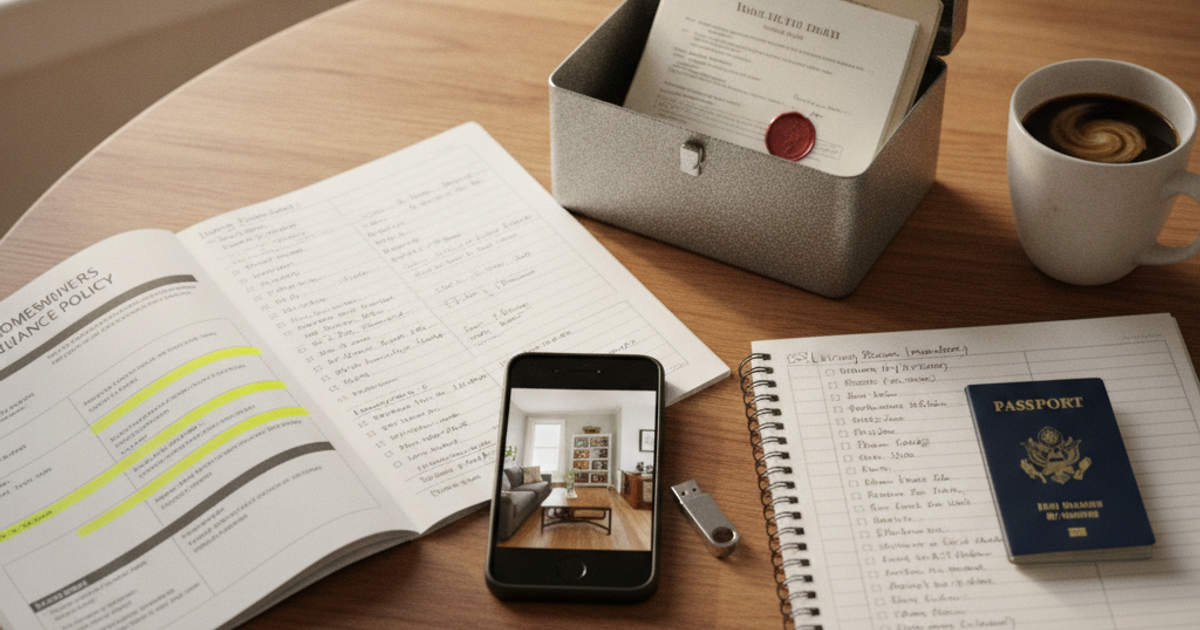
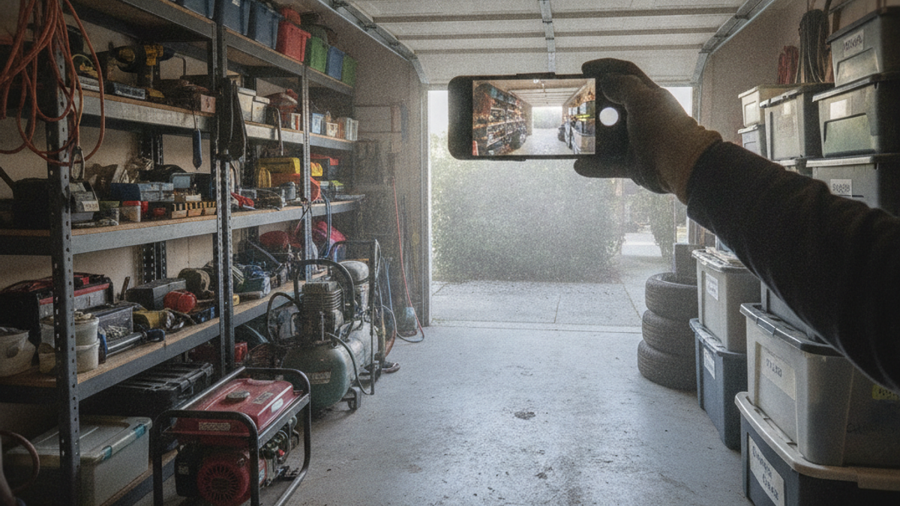
The gold standard is video walkthrough plus itemized spreadsheet plus receipts. Do all three. The video is fast and captures context; the spreadsheet proves value; the receipts end arguments.
Walk every room narrating out loud: brand, model, approximate purchase date, and price. Open closets, drawers, cabinets, the pantry, the garage, the gun safe, and every storage tote. Photograph serial numbers on electronics, appliances, firearms, power tools, and generators. For rural readers, extend the walkthrough to outbuildings, tractors, implements, fencing, livestock, well equipment, and stored fuel — farm and ranch policies often require separate scheduling for equipment over a dollar threshold.
Receipts are where most people fail. Digitize them. A sheet-fed Brother ADS-1700W portable document scanner will chew through a shoebox of receipts, warranties, and appraisals in an afternoon and dump them straight to a folder or cloud drive. Then label your storage totes and inventory bins with a Brother P-touch label maker so your spreadsheet line items match physical containers — the same discipline we cover in stockpile inventory management.
A word on OPSEC: your inventory is a shopping list for a burglar. Encrypt digital copies, don't post walkthroughs online, and keep the practice of the grey man in mind when discussing what you own.
Fireproof Document Storage That Survives a Real House Fire
Residential structure fires commonly exceed 1,100°F, and paper chars around 450°F. A UL-rated fire safe keeps interior temperatures below roughly 350°F for a rated period — typically 30 to 60 minutes. A quality SentrySafe fireproof and waterproof document safe box handles passports, deeds, titles, policy declarations, and birth certificates, and the waterproof seal matters just as much — fire suppression water and flooding ruin more documents than flames do.
For grab-and-go, a Honeywell fire resistant document bag is lighter and can be thrown in a vehicle in seconds during a wildfire evacuation. Cash, gold, silver, and backup drives fit nicely in a JUNDUN fireproof waterproof money bag tucked inside the larger safe. For day-to-day organization of claim paperwork, receipts, and spare keys, a Vaultz locking storage box with key keeps everything in one place and out of casual view. Build this into your broader grab-and-go emergency document kit.
Step-by-Step Instructions
Step 1: Pull and audit your policy declarations page
Request current declarations pages for homeowners, renters, auto, flood, and umbrella policies. Highlight the dwelling limit, contents limit, deductible, ACV vs. replacement cost language, and every exclusion. Write down three questions and call your agent this week — not during hurricane season when binding is suspended.
Step 2: Record a narrated video walkthrough of every room
Using your phone, slowly film each room, closet, drawer, and outbuilding while speaking item names, brands, and estimated values aloud. Spend extra time on high-value categories: electronics, tools, appliances, firearms, and your preparedness stockpile. Aim for 15–30 minutes of total footage.
Step 3: Photograph serial numbers and model plates
Close-up photos of serial numbers prove ownership and defeat depreciation disputes. Capture plates on HVAC units, generators, water heaters, well pumps, power tools, and firearms. Rural readers should include tractors, ATVs, and implement PINs.
Step 4: Build an itemized spreadsheet with values
Create columns for item, brand/model, serial number, purchase date, purchase price, estimated replacement cost, and room. Anything over $500 deserves its own line. Total the columns — the result is usually far higher than homeowners expect, which is exactly the point.
Step 5: Scan receipts, appraisals, and warranties
Feed receipts and appraisal documents through a scanner into a single organized folder named by year and category. Appraisals for jewelry, coins, and collectibles should be refreshed every three to five years to reflect market value.
Step 6: Store backups in three separate places
Follow the 3-2-1 rule: three copies, two formats, one off-site. Keep an encrypted SanDisk Ultra USB 3.0 flash drive in your bug-out bag, a Samsung T7 portable SSD in the fire safe for bulky video files, and an encrypted cloud copy for off-site redundancy.
Step 7: Document the damage before you touch anything
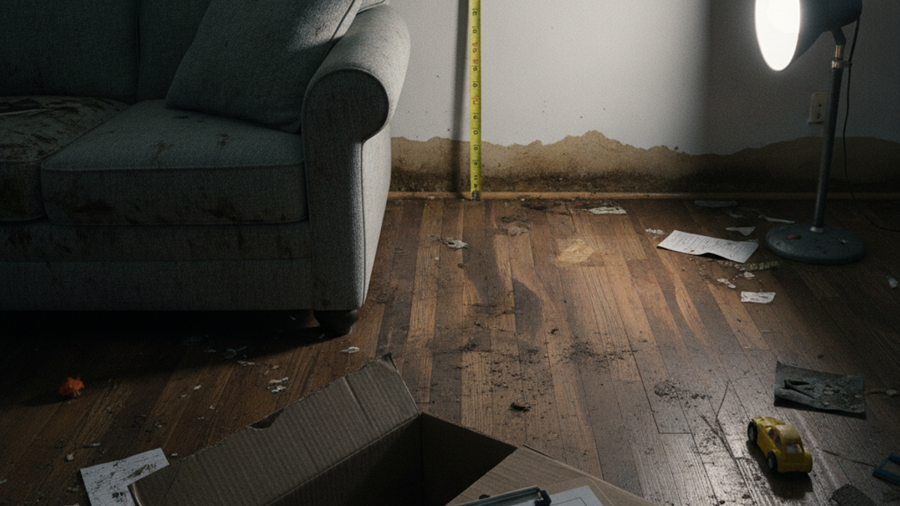
After a disaster, photograph and video everything before cleanup — wide shots and close-ups, including structural damage, waterlines, and ruined contents. Make only emergency repairs to prevent further damage (tarping a roof, boarding windows) and keep every receipt; most policies reimburse these costs.
Step 8: File promptly and keep a claim log
Call your insurer within 24–72 hours, get a claim number, and start a written log of every call: date, time, name, and what was said. Request a copy of the adjuster's estimate and compare it line by line against your inventory. You can dispute a lowball estimate, request a re-inspection, or hire a licensed public adjuster.
Urban, Suburban, and Rural Considerations
Apartment dwellers should document the unit number and building, and confirm whether their policy covers loss of use if the entire building is condemned. Suburban homeowners should document fencing, sheds, landscaping, and detached garages, which fall under "other structures" coverage — typically 10% of the dwelling limit and frequently inadequate. Rural property owners face the biggest gaps: outbuildings, stored hay, fuel tanks, livestock, and farm equipment usually need a dedicated farm policy. Pair this documentation work with physical mitigation like wildfire defensible space — insurers increasingly offer discounts or continued coverage for hardened properties.
Frequently Asked Questions
How often should I update my home inventory?
Do a full video walkthrough annually, and add major purchases to your spreadsheet as they happen. Tie the annual refresh to a date you'll remember — tax time or the start of hurricane season — and update your stockpile counts at the same time.
Does homeowners insurance cover my prepper food and gear?
Generally yes, under personal property coverage, subject to your limits and deductible. Firearms, ammunition, cash, and precious metals almost always have low special limits and need scheduled coverage. Generators and solar equipment permanently installed may fall under dwelling coverage instead of contents.
What if I lost everything and have no receipts?
Adjusters will accept credit card statements, bank records, photos, email order confirmations, and even social media images as secondary proof. This is precisely why off-site digital backups matter — a flash drive in your bug-out bag or a cloud folder can be the difference between a full settlement and a fight.
Affiliate Disclosure: SHTFPlan.net participates in the Amazon Services LLC Associates Program. Some links are affiliate links — we may earn a small commission at no extra cost to you.