Tornado Preparedness: How to Survive Before, During, and After a Violent Storm
Tornadoes strike fast and without mercy. Here's everything you need to know to protect your family before the sirens sound.
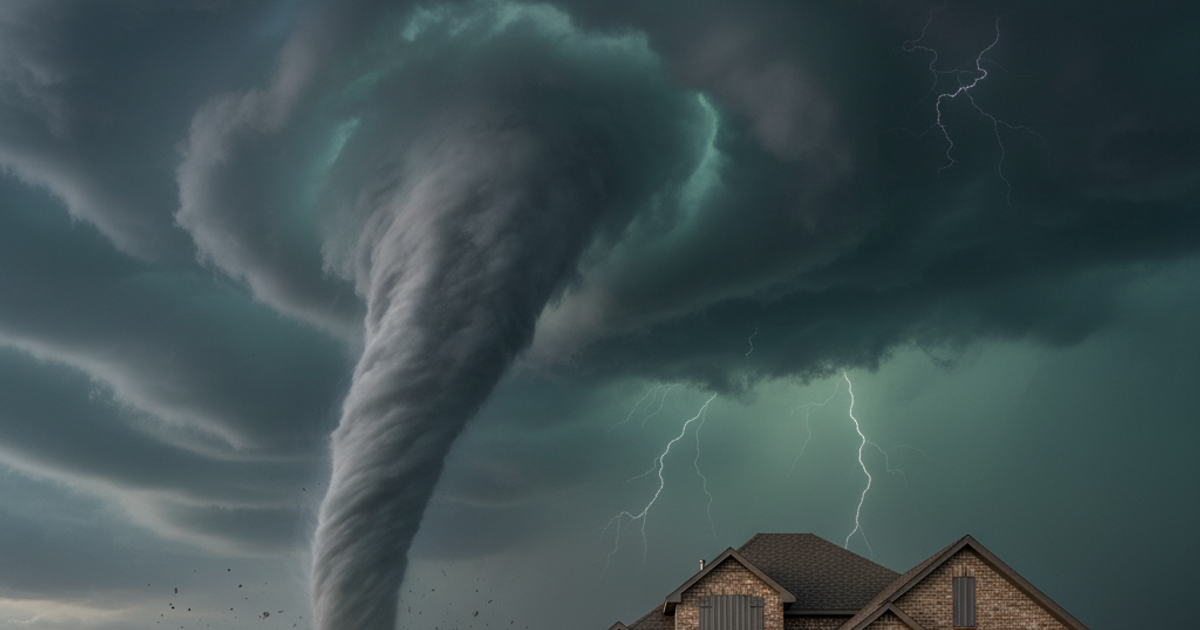
Tornadoes are among the most violent and unpredictable natural disasters on the planet. With wind speeds exceeding 300 mph in the most extreme cases, these rotating columns of destruction can level entire neighborhoods in seconds. According to NOAA, the United States experiences an average of 1,200 tornadoes per year — more than any other country on Earth. Whether you live in a high-rise apartment in Kansas City, a suburban subdivision in Oklahoma, or a rural homestead on the plains, the threat is real, and the window to react is often measured in minutes or even seconds.
This is not a drill. This is emergency preparedness at its most critical. The difference between life and death during a tornado is almost always preparation made before the storm arrives. Let's walk through everything you need to know — before, during, and after a violent storm — to give yourself and your family the best possible chance of survival.
Understanding Tornado Warning Systems and How to Stay Ahead of the Storm
The National Weather Service issues two distinct alerts that every prepper should understand. A Tornado Watch means conditions are favorable for tornado formation — stay alert and be ready to act. A Tornado Warning means a tornado has been confirmed by radar or visual sighting — take shelter immediately. The average warning time before a tornado strikes is only about 13 minutes. That's not enough time to improvise a plan.
Your first line of defense is a reliable weather alert system. The Midland WR400 weather alert radio is a top-tier option that receives NOAA Weather Radio broadcasts 24/7 and can alert you even when you're asleep. Unlike a smartphone notification that you might silence or miss, a dedicated weather radio is always listening and will sound a loud alarm the moment the National Weather Service issues a warning for your county. For rural preppers living off grid or in areas with spotty cell coverage, this device is indispensable.
Beyond weather radios, the Uniden BC125AT emergency scanner radio allows you to monitor local emergency frequencies including fire, police, and EMS communications. When a tornado is bearing down on your area, situational awareness is everything — and being plugged into local emergency channels can give you critical real-time information that public broadcasts don't provide until it's too late. For more on building your emergency communication network, check out our guide on HAM Radio for Preppers: How to Build a Reliable Emergency Communication Network.
Sign up for your county's emergency alert system, download the FEMA app, and make sure every adult in your household knows what the sirens mean. Don't rely on a single alert channel — layer your warning systems.
How to Choose and Prepare the Right Tornado Shelter for Any Living Situation
Where you shelter during a tornado will determine your odds of survival. The rules differ depending on where you live, so let's break it down.
For Homeowners and Rural Preppers
If you have the means, a FEMA-compliant underground storm shelter or reinforced safe room is the gold standard. Homes with basements offer significant protection — get to the lowest level, move to an interior room or hallway away from windows, and cover yourself with a mattress or heavy blankets. Never shelter under a staircase, which can collapse and trap you.
For rural homesteaders, consider that manufactured homes and mobile homes offer zero protection against tornadoes, regardless of how they're anchored. If you live in one, identify a community shelter or a nearby permanent structure in advance. Drive there if you must — do not ride out a tornado in a mobile home under any circumstances.
For Urban and Suburban Apartment Dwellers
Urban survival during a tornado presents unique challenges. High-rise buildings are particularly dangerous because upper floors experience stronger winds and offer no refuge in an interior basement-level space. If you're in an apartment, go to the lowest floor of the building, find an interior hallway or bathroom with no exterior walls, crouch low, and protect your head. Avoid elevators at all costs during any severe weather event.
Know your building's layout before storm season begins. Walk the stairwells, identify interior spaces on the ground floor, and discuss the plan with your family. This kind of advance situational awareness is the same skill that keeps you safe in any SHTF scenario.
If You're Caught Outdoors or in a Vehicle
Do not try to outrun a tornado in a car — tornadoes can change direction without warning and move at speeds up to 70 mph. If you're caught in a vehicle, abandon it and seek shelter in a sturdy building. If no building is available, lie flat in a ditch or low-lying area, cover your head, and stay away from trees, vehicles, and overpasses. An overpass offers no protection and actually creates a wind tunnel effect that increases danger.
Building a Tornado-Ready Emergency Survival Kit
Your survival kit needs to be ready before the storm — not assembled in a panic as sirens wail. A well-stocked emergency preparedness kit should sustain your household for a minimum of 72 hours, accounting for the reality that emergency services may be overwhelmed and unable to reach you immediately after a major tornado.
The Ready America 72 hour emergency kit is a solid foundation that covers the essentials — food rations, water pouches, first aid supplies, emergency blankets, and more — all packaged in a portable bag that can double as a bug out bag if evacuation becomes necessary. It's an excellent starting point for urban dwellers or those new to emergency preparedness who need a comprehensive solution without building from scratch.
Beyond the basics, your tornado survival kit should include:
- Water: At least one gallon per person per day for three days minimum. Consider water purification tablets or a quality filter as backup.
- Emergency food storage: High-calorie, long-shelf-life foods that require no refrigeration or cooking. Rotate stock annually.
- First aid kit: Including any prescription medications. See our guide on Medication Stockpiling: How to Build a Prescription and OTC Drug Reserve for Long-Term Emergencies for detailed guidance.
- Flashlights and extra batteries — or a hand-crank/solar model.
- Dust masks or N95 respirators: Post-tornado debris and air quality can be hazardous.
- Important documents: Copies of IDs, insurance policies, and financial records in a waterproof bag.
- Cash: ATMs and card readers won't work when the power is out.
- Work gloves and sturdy footwear: Post-storm debris is extremely hazardous.
- Whistle: To signal rescuers if trapped under debris.
- Local maps: Don't rely on GPS when cell towers are down.
Keep your kit in a location that's both accessible and protected — ideally near or inside your designated shelter area. For apartment dwellers, a well-organized bug out bag stored in a closet closest to your interior shelter spot is a practical solution.
Communication and Power Strategies After a Tornado Strikes
After a violent tornado, infrastructure fails fast. Cell towers go down. Power grids collapse. Roads become impassable. Your ability to communicate and maintain some level of power can be life-saving in the hours and days that follow.
For family communication, the Motorola T800 emergency two way radio provides reliable short-range communication without any cell network dependency. With a range of up to 35 miles in open terrain and a rechargeable battery, these radios are ideal for keeping household members or neighbors in contact when normal communications infrastructure has been destroyed. Establish a designated channel and check-in schedule with your group before any storm season begins.
Power is another critical concern. The Stanley FatMax 1000 amp jump starter power station serves double duty as an emergency power bank and vehicle jump starter — two capabilities that become essential after a tornado. You can use it to charge medical devices, phones, radios, and flashlights, and if your vehicle was damaged or drained by running the heater or radio for extended periods during a shelter-in-place situation, this unit can get it started again. Keep it fully charged during storm season.
Post-Tornado Survival Strategies: The Hours and Days After the Storm
Surviving the tornado itself is only the first challenge. The aftermath can be equally dangerous if you're unprepared.
Immediate Safety Checks
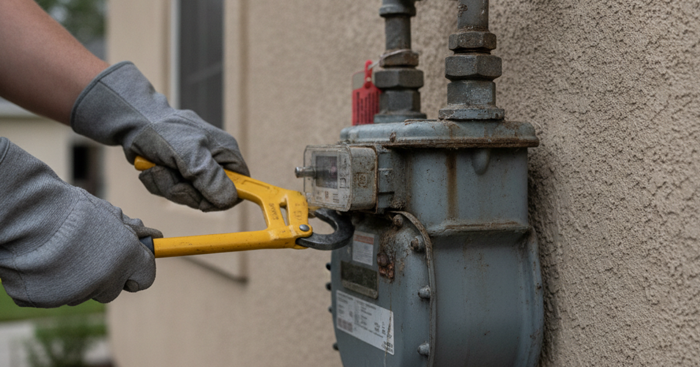
Before moving through your home or property, check for structural damage, gas leaks, downed power lines, and broken glass. If you smell gas, get out immediately and don't use any ignition sources. Report gas leaks to your utility company from a safe distance using your mobile device or two-way radio. Wear heavy boots and work gloves before moving through debris — nails, broken glass, and sharp metal cause serious injury in the post-storm environment.
Assess and Secure
Document all property damage with photos before moving or cleaning anything — your insurance company will require it. Use tarps to cover roof damage and prevent further water intrusion. Be extremely cautious around any standing water, which can be electrically charged from downed power lines or contaminated by sewage and chemical runoff.
Community and Long-Term Recovery
Register with FEMA as soon as possible if your home has been damaged. Connect with local emergency management offices and Red Cross shelters. Share resources with neighbors — the grey man principle of not drawing unnecessary attention applies in the immediate aftermath, but community cooperation is a genuine force multiplier in disaster recovery. Check on elderly and disabled neighbors who may not be able to self-rescue.
If extended displacement becomes necessary, revisit your bugging out strategy and have a clear destination and route plan established in advance. Similarly, if sheltering in place remains viable, our guide on Bugging In: The Quick Guide to Sheltering at Home covers the critical steps to make your home a viable refuge during extended recovery periods.
Developing a Family Tornado Emergency Plan
No survival gear replaces a solid, rehearsed plan. Every member of your household should know:
- Where to shelter immediately when a warning is issued
- The designated family meeting point if separated
- An out-of-state contact person who can serve as a communication hub
- How to shut off gas, water, and electricity
- The location of the emergency kit and how to use its contents
Practice your shelter drill at least twice a year, ideally before tornado season begins in your region (spring through early summer in most of the U.S., though tornadoes can occur year-round). Children especially benefit from repeated drills — panic during a warning is reduced significantly when the response is deeply rehearsed.
What You'll Need
- NOAA Weather Radio or smartphone with emergency alerts enabled
- Flashlight with extra batteries
- First aid kit
- Bottled water (one gallon per person per day for three days)
- Non-perishable food supplies
- Battery-powered or hand-crank radio
- Whistle to signal for help
- Sturdy shoes and protective clothing
- Important documents in waterproof container
- Blankets or sleeping bags
Step-by-Step Instructions
Step 1: Identify Your Safe Room Before Tornado Season
Locate the safest area in your home, which should be on the lowest floor in an interior room away from windows. Basements offer the best protection, but if you don't have one, choose a small interior room like a bathroom or closet on the ground floor. Make sure all family members know exactly where to go and practice getting there quickly. Keep your emergency supplies stored in or near this location for immediate access.
Step 2: Monitor Weather Conditions Actively
During tornado season or when severe weather is forecast, keep a weather radio on and check local forecasts frequently. Understand the difference between a tornado watch (conditions are favorable) and a tornado warning (a tornado has been spotted or indicated on radar). Sign up for local emergency alerts on your smartphone and ensure you can hear warning sirens in your area. Never rely on a single source of weather information during dangerous conditions.
Step 3: Take Shelter Immediately When a Warning Is Issued
When a tornado warning is issued for your area, move to your designated safe room without delay. Get under a sturdy piece of furniture like a heavy table or workbench and use your arms to protect your head and neck. If possible, cover yourself with a mattress, heavy blankets, or sleeping bags for additional protection from flying debris. Stay away from windows, outside walls, and doors until the danger has completely passed.
Step 4: Protect Yourself If Caught Outside or in a Vehicle
If you're in a car when a tornado approaches, do not try to outrun it. Immediately exit the vehicle and seek shelter in a nearby sturdy building. If no building is available, lie flat in a ditch or low-lying area away from the vehicle, covering your head and neck with your hands. Never seek shelter under a highway overpass, as these can create dangerous wind tunnel effects and offer no protection from debris.
Step 5: Remain in Shelter Until the Tornado Has Completely Passed
Stay in your safe location for at least 15-20 minutes after the tornado seems to have passed, as multiple tornadoes can form from the same storm system. Listen to your weather radio or emergency broadcasts for official all-clear notifications. Be aware that the calm eye of the storm can create a false sense of security. Only emerge when authorities confirm the danger has ended.
Step 6: Assess Your Safety and Check for Injuries
Once the tornado has passed, check yourself and others for injuries and provide first aid as needed. Do not move seriously injured persons unless they are in immediate danger of further harm. Use your whistle or call out if you are trapped to help rescuers locate you. Be cautious of broken glass, nails, and other sharp debris when moving through damaged areas.
Step 7: Document Damage and Begin Safe Recovery
Take photographs of all damage to your property for insurance purposes before beginning cleanup. Watch out for downed power lines, gas leaks, and structural damage that could cause collapse. Wear sturdy shoes, long pants, and work gloves when clearing debris. Contact your insurance company as soon as possible and listen to local authorities for guidance on water safety, power restoration, and available emergency services.
Frequently Asked Questions
What should I put in a tornado emergency kit or bug out bag?
A tornado-ready emergency kit or bug out bag should include at minimum: 72 hours of water (one gallon per person per day), emergency food storage rated for at least three days, a fully stocked first aid kit, prescription medications, copies of important documents in waterproof storage, a weather alert radio, flashlights with extra batteries, a whistle, work gloves, N95 dust masks, cash, and a local map. A pre-built kit like the Ready America 72-hour emergency kit provides a reliable baseline that you can then customize with additional survival gear specific to your needs and location.
What is the safest place to shelter during a tornado if I don't have a basement?
If you don't have a basement, go to the lowest floor of your building and find the most interior room with no windows — a bathroom, closet, or hallway works well. Crouch low and cover your head and neck with your arms or a heavy blanket or mattress. In apartment buildings, avoid upper floors and never use elevators. If you're in a mobile home or manufactured structure, leave immediately and seek a nearby sturdy building or community shelter — mobile homes provide virtually no protection against even a weak tornado.
How long does emergency food storage last and how much do I need for tornado preparedness?
For tornado preparedness specifically, FEMA recommends a minimum of a 72-hour supply of food per person. However, serious preppers maintain 30-day to 6-month emergency food storage, recognizing that large-scale tornado outbreaks (like the 2011 Super Outbreak or the 2013 Moore, Oklahoma event) can disrupt supply chains and services for weeks. Commercially sealed freeze-dried or dehydrated emergency food can last 25 years when stored properly in a cool, dry location. Canned goods typically last 2-5 years. Rotate your stock regularly and store what your family will actually eat.
Affiliate Disclosure: SHTF Plan participates in the Amazon Services LLC Associates Program. Some links are affiliate links — we may earn a small commission at no extra cost to you.