Lace Up or Bug Out: How to Choose the Right Footwear for Every Survival Scenario
The wrong shoes can end your survival before it starts. Here's how to choose the best boots and footwear for bugging out, urban escape, and long-term SHTF scenarios.
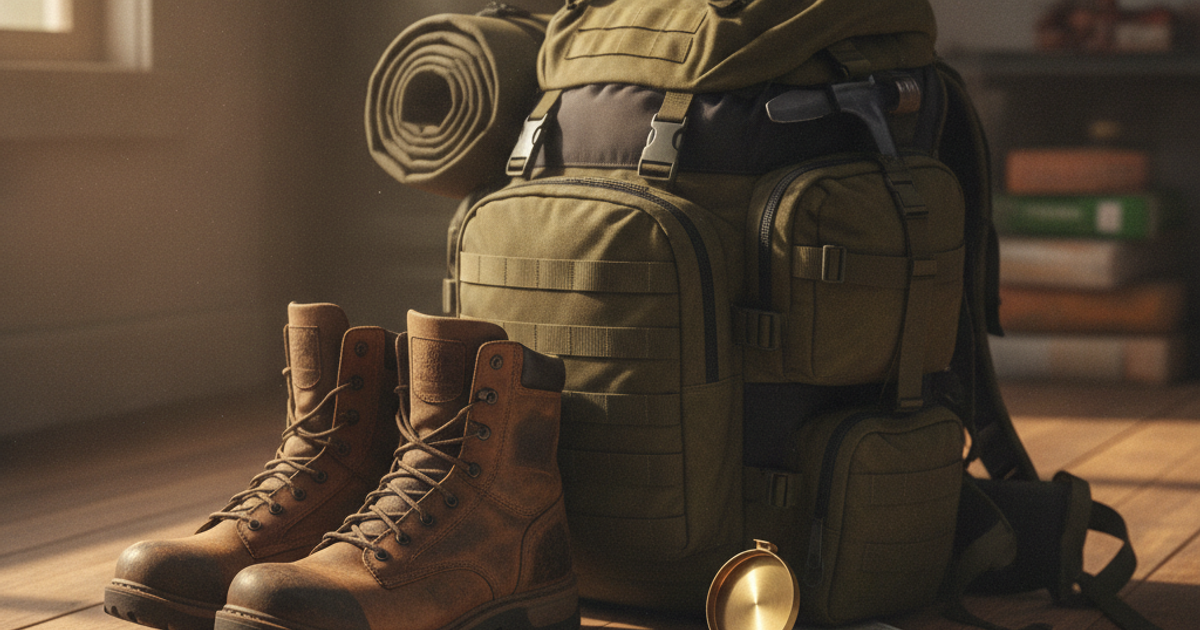
When SHTF, your feet are your most critical piece of survival equipment. Everything else — your bug out bag, your survival gear, your emergency preparedness planning — becomes worthless the moment you can't move. A 2019 study by the U.S. Army Research Institute of Environmental Medicine found that poorly fitted or inappropriate footwear was a leading contributor to training injuries, with stress fractures, blisters, and ankle sprains accounting for more than 60% of musculoskeletal casualties. In a survival scenario, a blister isn't an inconvenience — it's potentially life-threatening. Choosing the right survival footwear before SHTF could be the difference between reaching your bug-out location and being stranded on the side of the road.
This guide covers footwear selection for three distinct environments: urban evacuation, suburban flight, and wilderness survival. Whether you're an apartment dweller in Chicago, a suburban prepper in Phoenix, or a rural homesteader in Appalachia, the right boot can make or break your plan.
Why Footwear Is the Most Underrated Item in Your Bug Out Bag
Most preppers spend hours debating water purification methods, emergency food storage strategies, and firearm selection. Footwear? It gets a footnote. That's a critical mistake. The average bug-out scenario will require walking anywhere from 5 to 25 miles per day over unpredictable terrain. FEMA data from Hurricane Katrina documented thousands of evacuees who suffered debilitating foot injuries simply because they fled in flip-flops or flat-soled sneakers. Don't be that person.
The right boot must balance five competing demands: protection, traction, waterproofing, breathability, and weight. No single boot wins on all five counts, which is why understanding your most likely scenario — urban, suburban, or wilderness — is the foundation of smart footwear selection. If you're building out a complete 72-hour bug out bag, footwear deserves as much thought as your water filter and first aid kit.
What You'll Need
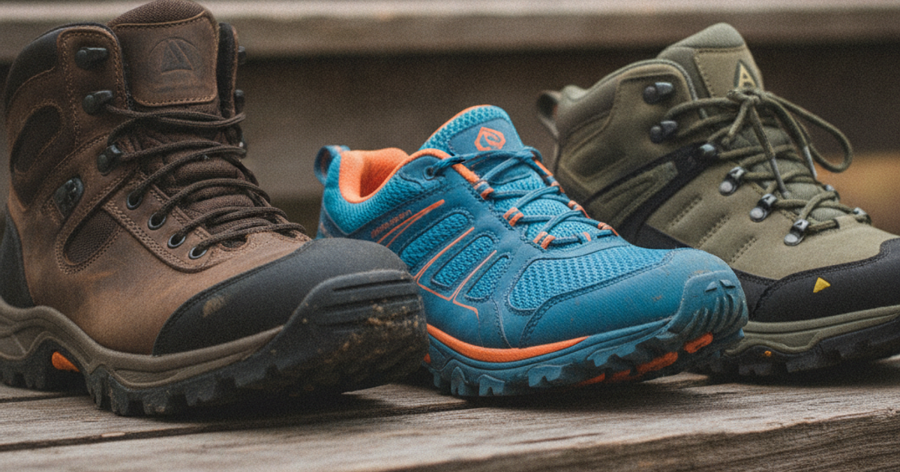
Supplies
- Merrell Moab 2 waterproof hiking boot
- Wigwam merino wool hiking socks crew
- Moleskin or blister prevention tape
- Waterproofing wax or spray treatment
- Replacement insoles with arch support
- Boot laces (spare set, 550 paracord-compatible)
Urban Evacuation Footwear: Surviving Concrete Jungles and Broken Glass
Urban survival scenarios — riots, infrastructure collapse, chemical incidents, or rapid urban evacuation — demand footwear that handles hard pavement, debris fields, broken glass, and potentially flooded streets. This is not the terrain for a soft trail runner. You need a boot with a reinforced toe box, a puncture-resistant sole, and enough ankle support to carry a loaded bug out bag over curbs, rubble, and uneven asphalt for hours at a time.
The grey man principle also applies to footwear. In an urban SHTF situation, you don't want to stand out as heavily armed or tactically kitted. That means avoiding camouflage patterns and extreme military aesthetics. The Bates Ultra-Lites tactical boot threads this needle perfectly — it carries a durable rubber sole and composite shank for structural integrity while maintaining a clean, professional appearance that won't draw unwanted attention on a crowded evacuation route. Situational awareness begins before you lace up.
For urban environments where flooding is a risk — basement-level apartments, low-lying neighborhoods, or coastal cities — waterproofing becomes non-negotiable. Wet feet in warm weather lead to trench foot within 24 hours. The Salomon X Ultra Mid GTX waterproof hiking boot features Gore-Tex lining and a grippy Contagrip outsole that performs on both wet pavement and debris-strewn sidewalks — an excellent choice for urban preppers in flood-prone regions. You can read more about planning your exit from a city in our guide to urban evacuation routes when SHTF.
Hot Weather and Desert Terrain: Don't Bake Your Feet
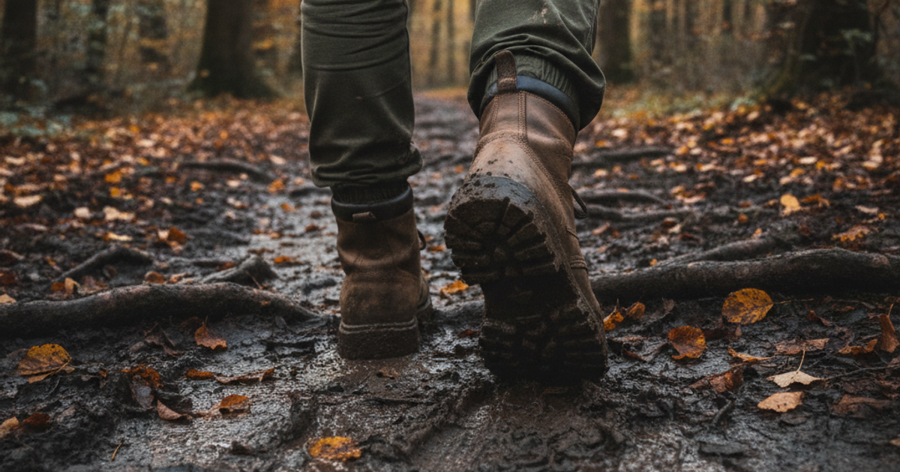
Preppers in the Sun Belt, Southwest, or any hot climate face a unique challenge: standard waterproof boots become unbearable in 90°F+ temperatures, trapping heat and causing moisture buildup that breeds blisters and fungal infections faster than you can treat them. In these environments, breathability trumps waterproofing. The Belleville 533 hot weather military boot was specifically engineered for desert and tropical environments, incorporating moisture-wicking mesh panels and a heat-resistant sole compound that won't delaminate on scorching asphalt or desert hardpan. It's a boot trusted by U.S. military personnel in Iraq and Afghanistan — enough said.
Wilderness Bug-Out Footwear: When the Pavement Ends
Rural preppers and those with off-grid bug-out locations face entirely different terrain demands. Rocky hillsides, creek crossings, dense forest floor, and loose scree require a mid-cut or high-cut boot with aggressive lug patterns, superior ankle support, and reliable waterproofing. The wilderness is unforgiving of weak ankles, and a rolled ankle three miles from your retreat could be catastrophic — especially if you're carrying a loaded pack.
The Merrell Moab 2 waterproof hiking boot has earned near-legendary status in the hiking and prepper community for good reason. It features a Vibram TC5+ outsole with 5mm lugs for grip on wet rock and loose soil, a Gore-Tex membrane, and Merrell's air cushion heel for extended comfort during long-distance movement. For most wilderness bug-out scenarios, this boot strikes the ideal balance between weight, protection, and durability.
If you need a lighter option for high-speed movement through terrain — say, if you're bugging out on foot ahead of a fast-moving wildfire or covering maximum distance in minimum time — the Danner Tachyon hiking boot delivers trail runner speed in a mid-cut protective package. At roughly 12 ounces per boot, it's one of the lightest protective hiking boots available while still offering meaningful ankle support and outsole grip. Pair any wilderness boot with our guide on bugging out on foot with a 72-hour walking evacuation plan to maximize your distance potential.
Tactical Boots for Variable Terrain: The Hybrid Approach
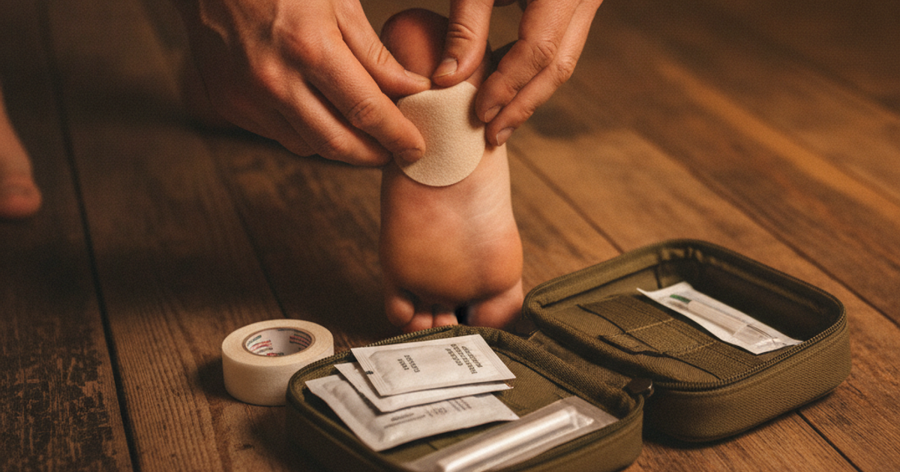
Many preppers — particularly suburban dwellers who may need to transition from pavement to trails during an evacuation — benefit from a hybrid tactical boot that handles multiple terrain types without forcing a complete footwear change mid-route. These boots borrow design elements from both military and hiking footwear.
The Altama OTB Maritime assault boot is a standout in this category. Originally designed for maritime special operations, it drains water rapidly through drainage ports, grips wet surfaces aggressively, and transitions smoothly from urban environments to mixed terrain. If your bug-out route crosses any water obstacles — streams, flooded underpasses, coastal areas — this boot's drainage capability is a genuine tactical advantage.
For those who want maximum versatility in a single platform, the Garmont T8 Bifida tactical boot offers a unique combination of a wide toe box for comfort during extended movement, a Vibram outsole for serious grip, and NATO-standard construction. It's a favorite among military personnel and serious preppers who need a boot that performs across every terrain type without compromise.
The Role of Socks in Survival Footwear — Never Underestimate This
Even the best boot fails without the right sock. Cotton kills — it retains moisture, loses all insulating properties when wet, and creates the friction conditions that generate blisters within the first few miles. Merino wool is the gold standard for survival footwear because it regulates temperature in both hot and cold conditions, wicks moisture, resists odor, and dramatically reduces blister formation through its natural elasticity.
Wigwam merino wool hiking socks represent exceptional value in this category — they're trusted by long-distance hikers, military personnel, and outdoor workers for their durability and blister prevention. Pack at least three pairs in your bug out bag and rotate them daily. Your feet will thank you on day three when everyone else is limping.
Step-by-Step Instructions
Step 1: Assess Your Most Likely Bug-Out Scenario and Terrain
Before buying any footwear, map your most likely emergency evacuation routes from your home, workplace, and vehicle. Identify the terrain types you'll cross — urban pavement, suburban sidewalks, forest trails, creek crossings — and the climate conditions you'll face. A prepper in Seattle has fundamentally different footwear needs than one in Phoenix or rural Montana. Your primary scenario should drive your primary boot selection.
Step 2: Establish Your Fit Baseline at the End of the Day
Always try on survival boots in the afternoon or evening, when your feet have naturally expanded from daily activity. Wear the same weight sock you'll use in the field — ideally your merino wool hiking socks. You should have a thumb's width of space in the toe box, zero heel lift when walking uphill, and no pressure points across the instep. A boot that fits perfectly in the store at 9 a.m. may create blisters by mile five in the field.
Step 3: Break In Your Boots Before You Need Them
New boots must be broken in before any real emergency use — no exceptions. Begin with short walks of one to two miles, progressively increasing distance over two to four weeks while wearing your field socks and carrying a loaded pack. New leather boots typically require 50 to 100 miles before they conform to your foot. Synthetic boots break in faster but still need at least 20 miles of conditioning before they're ready for a real bug-out load.
Step 4: Test Your Boots in Real Conditions Before SHTF
Take your chosen boots on actual field exercises that replicate your bug-out conditions. Cross water obstacles, traverse rocky ground, and carry your full bug out bag weight for at least a half-day outing. Identify any hot spots, pressure points, or grip failures before an emergency reveals them. This is also an ideal time to verify that your socks, insoles, and lacing pattern work together as a system.
Step 5: Apply Waterproofing Treatment and Condition Leather Regularly
Even boots marketed as waterproof will degrade without maintenance. Apply a silicone-based waterproofing spray to synthetic and nubuck boots, or a wax-based conditioner to full-grain leather boots, every 30 to 60 days of active use — or immediately after any submersion. Neglected boots lose their waterproof membrane integrity, and wet feet in cold conditions can lead to hypothermia, while wet feet in warm conditions accelerate blister and fungal infection development.
Step 6: Build a Footwear Repair and Field Maintenance Kit
Pack a small footwear maintenance kit in your bug out bag: moleskin sheets, athletic tape, a tube of Shoe Goo adhesive for sole separation, a replacement set of boot laces, and a folding boot brush. Sole delamination and lace failure are among the most common field footwear failures, and both can be addressed with minimal kit weight. This small investment protects a piece of gear you absolutely cannot improvise in the field.
Step 7: Rotate and Dry Your Boots During Multi-Day Operations
During extended bug-out scenarios, rotate between two pairs of boots if possible, allowing each pair to fully dry overnight. Remove insoles and stuff boots with dry paper, dry leaves, or a boot dryer system to accelerate moisture removal. Wearing wet boots for consecutive days dramatically increases blister and trench foot risk. If you're traveling light with a single pair, at minimum remove boots and socks at camp, elevate your feet, and air-dry both thoroughly before sleep.
Recommended Gear
For preppers who want a well-rounded footwear system across multiple scenarios, consider maintaining at least two boot options: a tactical or urban boot for grid-down city scenarios, and a purpose-built hiking boot for wilderness movement. The Bates Ultra-Lites tactical boot excels in urban environments, while the Merrell Moab 2 waterproof hiking boot covers wilderness and mixed terrain. For those in hot climates, the Belleville 533 hot weather military boot is a proven desert performer. The Garmont T8 Bifida tactical boot rounds out the tactical hybrid category for preppers who want one boot that handles everything. Don't forget that quality footwear pairs directly with your broader cold weather layering system — boots are only one layer of foot protection in winter scenarios.
Frequently Asked Questions
What is the best survival boot for bugging out on foot?
There is no single "best" boot — the right choice depends on your terrain, climate, and scenario. For most preppers in temperate climates with mixed terrain, a mid-cut waterproof hiking boot like the Merrell Moab 2 or Salomon X Ultra Mid GTX offers the best all-around balance of protection, traction, and comfort over long distances. Urban preppers in hot climates should prioritize breathable tactical boots, while wilderness preppers in cold environments should prioritize insulated, high-cut waterproof boots with aggressive lug soles.
How many miles can I realistically walk in a bug-out scenario?
A moderately fit adult carrying a 30-35 lb bug out bag can typically cover 10-15 miles per day on flat terrain, dropping to 5-8 miles on difficult wilderness terrain. According to military planning standards, sustained foot movement with full combat load averages 3-4 miles per hour on improved surfaces and 1.5-2.5 miles per hour in wilderness terrain. Breaking in your boots and building physical conditioning before SHTF dramatically improves these numbers. Regular practice hikes with your full gear load are the most effective preparation.
Should I keep a pair of boots in my car emergency kit?
Absolutely — this is one of the most overlooked elements of vehicle emergency preparedness. Many people are caught in disasters while wearing dress shoes, sandals, or other inappropriate footwear. Keep a broken-in pair of sturdy hiking or tactical boots in your vehicle emergency kit along with two pairs of merino wool socks. If you're evacuating from your workplace or are caught away from home when SHTF, having proper footwear in your vehicle could be the most important piece of emergency preparedness gear you own.
Affiliate Disclosure: SHTFPlan.net participates in the Amazon Services LLC Associates Program. Some links are affiliate links — we may earn a small commission at no extra cost to you.