When the Sewers Stop Working: How to Manage Waste and Protect Your Family's Health
When the grid fails, sewage systems follow. Here's how to manage human waste safely and prevent disease before it kills you.
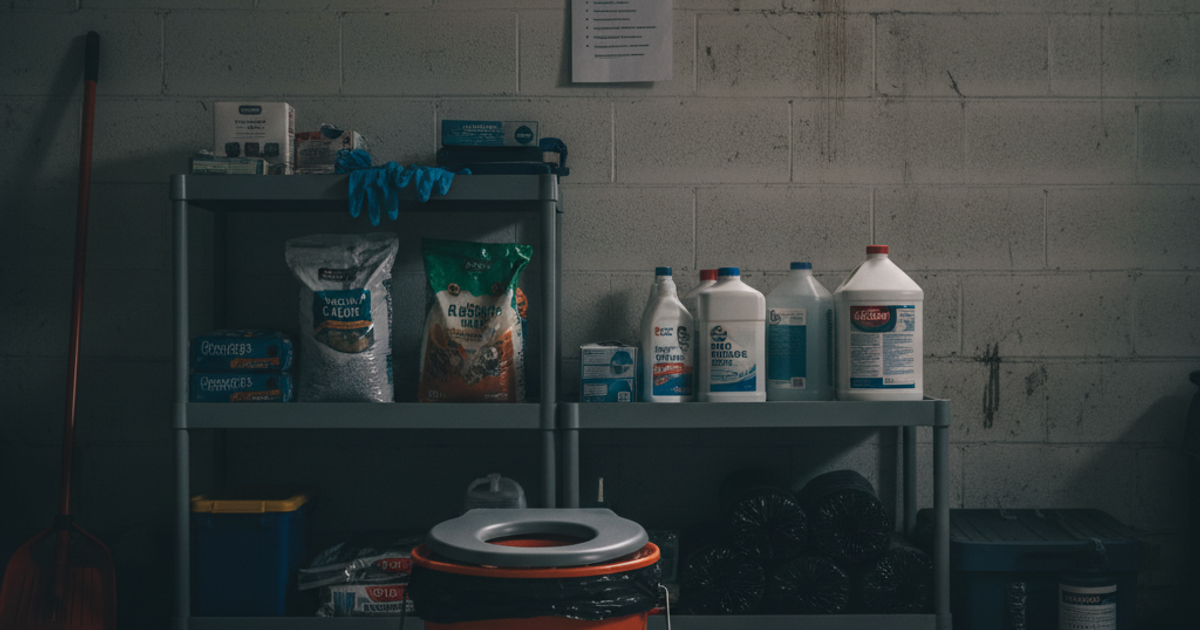
When a major disaster strikes — whether it's a prolonged grid failure, a natural disaster, or a true SHTF collapse scenario — most people focus on food, water, and security. Sanitation rarely makes the short list. That's a potentially fatal oversight.
According to the World Health Organization, poor sanitation is one of the leading causes of disease and death in disaster-affected populations. Cholera, typhoid, dysentery, and hepatitis A can spread with devastating speed when human waste is mismanaged. History backs this up: in the aftermath of the 2010 Haiti earthquake, a cholera outbreak killed more than 10,000 people and infected over 800,000 — largely due to contaminated water and failed sanitation infrastructure. This isn't a third-world problem. It's a grid-down problem, and it can happen anywhere.
Whether you're an apartment dweller in a high-rise, a suburban homeowner, or a rural prepper on acreage, you need a solid waste management plan before things go sideways. This guide covers exactly that.
Why Emergency Sanitation Belongs in Every Survival Kit and Bug Out Plan
Most municipal sewer systems rely on electrically powered pumping stations to move waste. When the grid goes down, those pumps stop. Within 24 to 72 hours, sewage can begin backing up into homes. If you're on a septic system, you may have a bit more time — but a non-functional septic system still becomes a serious biohazard without proper management.
For urban and suburban preppers, the challenge is acute. You can't bury waste in a backyard you don't have. You can't dig a latrine in a sixth-floor apartment. Your emergency preparedness plan must account for this reality with purpose-built solutions, not improvised workarounds.
The good news: there are proven, portable, and affordable solutions available right now that belong in every emergency preparedness kit — urban or rural.
The Bucket Toilet: The Foundation of Grid-Down Sanitation
The five-gallon bucket toilet is the backbone of emergency sanitation for good reason. It's cheap, portable, requires no plumbing, and works in any setting. The basic setup involves a standard five-gallon bucket with a toilet seat lid designed to fit securely on top.
The Luggable Loo portable toilet seat bucket is a purpose-built version of this concept — a snap-on toilet seat and cover that fits directly onto a standard five-gallon bucket. It's one of the most practical pieces of survival gear you can own for under $20, and it should be in every household emergency kit regardless of your living situation.
If you want something slightly more refined, the Reliance Products Hassock portable camping toilet offers a self-contained unit with a more comfortable seat and a sturdy base. It's a strong choice for families with elderly members or young children who need a more stable setup.
What to Put in the Bucket
A dry bucket toilet requires an absorbent cover material added after each use to control odor and begin decomposition. Effective options include:
- Cat litter (clay or pine-based) — excellent odor control
- Wood ash — raises pH and kills pathogens
- Sawdust or wood shavings — good for rural settings with wood supply
- Peat moss — highly absorbent and a classic humanure cover material
- Dirt or sand — a last resort, but functional
Add a cup or two of your chosen material after every use. Keep a scoop or small cup inside the bucket for convenience. This simple step dramatically reduces disease risk and odor.
Waste Containment and Disposal: Urban vs. Rural Realities
For Urban and Apartment Dwellers
If you live in an apartment or urban environment, you almost certainly cannot bury waste or use a composting system. Your primary tool is the WAG bag — a double-layered, leak-proof bag with chemical treatment that gels liquid waste and neutralizes pathogens.
Cleanwaste WAG bags toilet waste bags are the gold standard here. Originally developed for use in wilderness areas and high-altitude mountaineering, these bags are used with bucket toilets or portable units. Each bag contains a biodegradable inner bag with a chemical powder that solidifies waste and renders it safe for disposal in regular trash — making them viable even in a scenario where limited garbage collection is still occurring. Stock at minimum 30 bags per person for a two-week scenario.
Once sealed, WAG bags should be stored in a secondary container — a lidded trash can or sealed plastic tote kept in a cool, ventilated area away from food storage. Label it clearly. Do not allow children near it unsupervised.
For Suburban Homeowners
Suburban preppers have more options. If you have a yard, a temporary pit latrine is a viable short-term option. Dig a hole at least 200 feet from any water source, 2 feet wide, and 4–6 feet deep. After each use, add dirt or ash. Cover the pit with a board or tarp when not in use to prevent flies. Once the pit is within 12 inches of the surface, fill it completely with soil and move to a new location or switch methods.
For a cleaner, longer-term solution, consider a DIY composting toilet — a system that processes human waste safely over time using carbon material and aerobic decomposition.
For Rural Preppers and Homesteaders
Rural preppers have the most flexibility. Pit latrines, outhouses, and composting toilets are all viable. If you're serious about off-grid sanitation, consider a permanent or semi-permanent outhouse structure. Site it downhill and downwind from your home, away from wells and water sources. For those already deep into off-grid living, the humanure composting system — popularized by Joseph Jenkins' The Humanure Handbook — offers a complete, science-backed method for converting human waste into safe compost over an 18-month hot composting cycle.
Portable Toilet Options for Extended Emergencies
For families who want a more self-contained and dignified solution, a dedicated portable toilet with a waste tank is worth serious consideration. The Camco portable travel toilet with waste tank features a sealed lower tank, a flush mechanism that uses minimal water, and a capacity sufficient for several days of use by a small family. These units are popular with RV campers and are purpose-built for exactly the kind of extended off-grid sanitation scenario preppers need to plan for. They're ideal for sheltering in place when the sewer system is compromised.
If you're building out your bug out bag or extended shelter-in-place kit, at minimum include a portable toilet seat, a supply of WAG bags, and a bottle of disinfectant. These three items weigh little and take up minimal space but address one of the most serious health risks in any prolonged emergency.
Disinfection and Hygiene: Stopping Disease at the Source
Sanitation is about more than waste disposal. It's about breaking the chain of disease transmission. In a grid-down scenario, your hygiene protocols become your primary defense against illness.
Hand Hygiene
Handwashing is the single most effective disease prevention measure available. Even without running water, you can maintain hand hygiene using a simple tippy-tap — a foot-operated gravity-fed hand washing station made from a jug and a stick, commonly used in disaster relief operations. Store at minimum one gallon of water per person per day specifically for hygiene purposes, separate from your drinking supply.
Stock alcohol-based hand sanitizer (at least 60% alcohol) as a backup. Stockpile bar soap in your emergency food storage area — it lasts indefinitely when kept dry and takes up almost no space.
Surface Disinfection
Your portable toilet, surrounding surfaces, and any surfaces that come into contact with waste need regular disinfection. Bioesque botanical disinfectant solution is an EPA-registered, hospital-grade disinfectant derived from botanical thymol that kills 99.9% of bacteria and viruses without harsh chemical fumes — an important consideration when you're using it in enclosed spaces like a bathroom, tent, or vehicle. It's effective against the pathogens most likely to spread in a sanitation emergency, including norovirus, E. coli, and salmonella.
Spray and wipe the toilet seat, the outside of the waste container, and any door handles or surfaces touched during the sanitation process after every use. Designate a pair of gloves specifically for sanitation duty and keep them with your toilet kit.
Hygiene Supplies to Stockpile Now
Your overall emergency preparedness plan should include a dedicated sanitation supply cache. Build toward a 30-day minimum supply per person:
- WAG bags or equivalent waste bags (30+ per person per month)
- Nitrile gloves — multiple boxes
- Bar soap — at least 10 bars per person
- Hand sanitizer — 1 liter minimum per person
- Disinfectant spray or wipes
- Toilet paper or bidet bottles (water-efficient alternative)
- Feminine hygiene products — menstrual cups or reusable pads are space-efficient long-term solutions
- Trash bags — heavy duty, multiple sizes
- Bleach — unscented, for water treatment and surface disinfection
- Lime powder — for odor control and pathogen reduction in pit latrines
Managing disease in a grid-down situation is closely tied to overall medical preparedness. For a broader look at keeping your family healthy without access to professional medical care, see our guide on wilderness medicine for treating life-threatening injuries when help isn't coming.
Vector Control: Keeping Flies and Rodents Away
Flies are mechanical vectors — they carry pathogens directly from fecal matter to food. In a sanitation emergency, fly control is non-negotiable. Keep your toilet area covered at all times when not in use. Store waste in sealed containers. Use lime or wood ash generously on exposed waste in pit latrines. Deploy fly traps around your sanitation area if flies become a problem.
Rodents are attracted to waste and can spread disease through both direct contact and contaminated water. Keep waste stored in sealed, rodent-resistant containers. Do not allow waste to accumulate in open areas. In a prolonged scenario, proper waste siting becomes as important as any other element of your survival plan.
For a comprehensive look at preventing disease outbreaks at the household level, our article on pandemic preparedness and disease outbreak survival covers the broader picture of keeping your family healthy when medical infrastructure fails.
Special Considerations for Vulnerable Populations
Children, elderly individuals, and those with disabilities require additional planning. Portable toilet height, accessibility, and proximity to the primary living area all matter. Elderly individuals are more susceptible to dehydration from diarrheal illness and may need more frequent access to sanitation facilities. Young children require close supervision and adult assistance.
Plan for the specific needs of every member of your household. Practice your sanitation setup now — before you need it under stress.
What You'll Need
- 5-gallon buckets with tight-fitting lids (at least 2)
- Heavy-duty trash bags (contractor grade, 3+ mil thickness)
- Sawdust, peat moss, or wood ash (50+ pounds)
- Toilet seat lid designed for buckets or foam pipe insulation
- Bleach or calcium hypochlorite for disinfection
- Hand sanitizer and soap
- Lime or diatomaceous earth for odor control
- Shovel for digging and burying waste
- Privacy tent or tarp for outdoor setup
- Disposable gloves
Step-by-Step Instructions
Step 1: Construct Your Emergency Bucket Toilet
Line a 5-gallon bucket with a heavy-duty trash bag, ensuring the bag drapes over the rim by several inches. Attach a toilet seat lid or cushion the rim with foam pipe insulation for comfort. Place 2-3 inches of sawdust, peat moss, or wood ash at the bottom of the bag to absorb moisture and control odors. Position this toilet in a private, well-ventilated area away from food preparation and water storage zones.
Step 2: Establish Separate Waste Streams
Set up two distinct systems: one bucket for solid waste and another container for liquid waste (urine). Separating these waste types dramatically reduces odor and makes disposal easier. Urine is sterile when fresh and can be diluted 10:1 with water and used as garden fertilizer if needed. Keeping waste streams separate also extends the usable time of your solid waste bucket before it needs emptying.
Step 3: Cover Waste After Each Use
Immediately after each use of the solid waste bucket, add a generous layer of sawdust, peat moss, or wood ash to completely cover the waste. This "cover material" absorbs moisture, controls odors, reduces fly attraction, and accelerates decomposition. Use approximately one cup of cover material per use, ensuring no waste is visible. Keep your cover material stored in a separate container with a scoop next to the toilet for easy access.
Step 4: Manage and Seal Full Buckets Properly
When the bucket is two-thirds full (never completely full), carefully gather the bag, squeeze out excess air, and tie it securely. Spray or wipe the outside of the bag with diluted bleach solution before removing it from the bucket. Place the sealed bag in a second bucket with a tight lid for temporary storage in a shaded outdoor area away from living spaces. Clean the empty bucket thoroughly with bleach solution before reusing with a fresh bag.
Step 5: Dig a Proper Waste Disposal Trench
Select a location at least 200 feet from any water source, well, or garden, and downhill from your shelter. Dig a trench 2-3 feet deep and 1 foot wide, setting aside the excavated soil. If you're creating a latrine instead of using buckets, dig a deeper pit (4-6 feet) with a smaller opening. Mark the area clearly and ensure everyone in your household knows its location to prevent accidental contamination of clean areas.
Step 6: Dispose of Waste Safely and Systematically
Empty sealed waste bags into the trench and immediately cover with 6-8 inches of soil mixed with lime or wood ash for odor control and accelerated breakdown. Never leave waste exposed to air, which attracts pests and spreads disease. As the trench fills, continue covering each layer with soil. When the trench is nearly full, cap it with at least 12 inches of compacted soil and mark the location to avoid future disturbance.
Step 7: Maintain Strict Hygiene Protocols
Wash hands thoroughly with soap and water after every toilet use and waste handling session, scrubbing for at least 20 seconds. If water is scarce, use hand sanitizer with at least 60% alcohol content. Keep all sanitation supplies separate from cooking and eating areas. Disinfect tools, bucket exteriors, and toilet seats daily with bleach solution (1/4 cup bleach per gallon of water). Monitor household members for signs of illness and maintain a cleaning schedule to prevent disease transmission in close quarters.
Frequently Asked Questions
How do you go to the bathroom when the sewer system isn't working?
When the sewer system fails, you have several options depending on your living situation. A portable bucket toilet with WAG bags is the most universal solution — it works in apartments, cars, suburban homes, and rural settings. In homes with yards, a temporary pit latrine dug at least 200 feet from water sources is effective for short-to-medium-term use. Dedicated portable flush toilets with sealed waste tanks are another option for families who want a more comfortable setup. The key is to plan and acquire supplies before an emergency, not during one.
How long can you store WAG bags and emergency sanitation supplies?
Most WAG bags have a shelf life of 5 years or more when stored in cool, dry conditions away from direct sunlight. The chemical gelling agents inside can degrade over time if exposed to heat or moisture, so rotate your stock accordingly. Other sanitation supplies like soap, gloves, and unscented bleach have similarly long shelf lives when stored properly. Bleach does degrade over time — replace it annually for maximum effectiveness. Build your sanitation stockpile the same way you build your emergency food storage: with rotation and expiration dates in mind.
What is the safest way to dispose of human waste during a disaster?
The safest disposal method depends on your situation. WAG bags can be disposed of in regular waste streams when collection is available — always double-bag sealed WAG bags in a heavy-duty trash bag before placing in a bin. In rural areas, properly sited and managed pit latrines with regular lime or ash covering are safe and effective. Composting toilets using hot composting methods (reaching 130–160°F sustained over weeks) safely neutralize pathogens. Never dispose of untreated human waste near water sources, in storm drains, or on the surface of the ground where it can be contacted by people, animals, or insects. Always wash hands thoroughly after any waste handling.
Affiliate Disclosure: SHTF Plan participates in the Amazon Services LLC Associates Program. Some links are affiliate links — we may earn a small commission at no extra cost to you.