Backup Power That Works: How to Choose and Use a Generator for Home Emergencies
When the grid fails, a backup generator can mean the difference between comfort and crisis. Here's how to choose, fuel, and safely run one.
When the lights go out and stay out, most people aren't ready. According to the U.S. Energy Information Administration, the average American experiences over eight hours of power interruptions per year — and that figure doesn't account for major grid-down events triggered by hurricanes, ice storms, wildfires, cyberattacks, or infrastructure failures. For serious emergency preparedness, a backup generator isn't a luxury. It's a foundational piece of survival gear that can mean the difference between riding out a crisis in relative comfort or facing a dangerous, deteriorating situation.
Whether you're a suburban homeowner, a rural homesteader, or even an apartment dweller with access to outdoor space, understanding how to select, fuel, and safely operate a backup generator is one of the most practical steps you can take in your prepper planning. This guide covers everything you need to know.
Understanding the Different Types of Backup Generators for Home Emergencies
Not all generators are built for the same purpose. Choosing the right type depends on your living situation, power needs, budget, and how long you expect to need backup power.
Portable Gasoline Generators
The most common and affordable option, portable gas generators range from small 1,000-watt units to large 12,000-watt machines capable of powering most of a house. They're flexible — you can store them away and pull them out when needed. The downside is that they require regular fuel resupply, which becomes a serious challenge in a prolonged SHTF scenario when gas stations are closed or lines stretch for miles.
Dual-Fuel and Tri-Fuel Generators
One of the smartest choices for emergency preparedness is a dual-fuel generator that runs on both gasoline and propane. The Champion Power Equipment dual fuel portable generator is a popular choice among preppers for exactly this reason — if your gasoline supply runs dry, you can switch to propane stored in standard tanks, extending your operational window significantly. Propane also stores indefinitely without degradation, unlike gasoline.
Inverter Generators
Inverter generators produce cleaner, more stable power, making them ideal for sensitive electronics like medical devices, laptops, and communication equipment. They're also significantly quieter than conventional generators — a meaningful advantage for urban survival situations where noise could draw unwanted attention and compromise your grey man posture. The Honda EU2200i inverter generator is widely regarded as one of the best quiet generators available, producing only 48-57 dB of noise — about the level of a normal conversation — while delivering reliable, clean power output.
Whole-House Portable Generators
For families with larger power needs or those running critical equipment, a high-output portable unit like the Westinghouse WGen whole house portable generator can power an entire home when connected through a transfer switch. These units typically output 9,000 to 12,000 watts and can run refrigerators, well pumps, HVAC systems, and lighting simultaneously.
Standby Generators with Automatic Transfer Switches
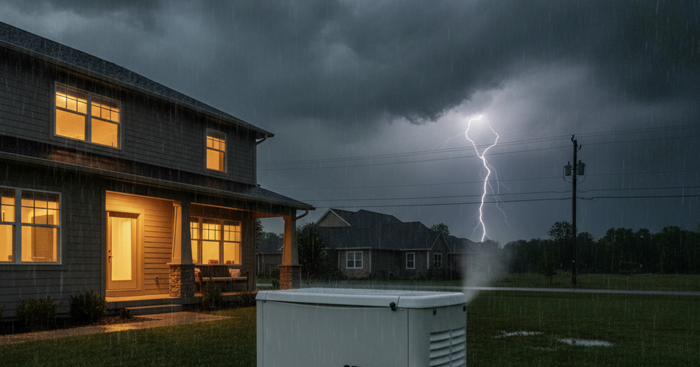
The gold standard for home backup power, standby generators are permanently installed outside your home and connected directly to your electrical panel via an automatic transfer switch. When grid power fails, they kick on within seconds — no manual startup required. The Generac home standby generator with automatic transfer switch is one of the most trusted names in this category, capable of running on natural gas or propane for as long as fuel is available. These systems require professional installation but offer unmatched reliability and convenience.
How to Calculate Your Wattage Needs Before Buying a Generator
Buying a generator without knowing your power requirements is a common and expensive mistake. Every appliance has a running wattage and a starting wattage (the surge required to start the motor), and your generator must handle both.
Here are typical wattage requirements for common household items:
- Refrigerator: 150–400 watts running, 800–1,200 watts starting
- Sump pump (1/2 HP): 1,050 watts running, 2,150 watts starting
- Window AC unit: 900–1,440 watts running
- Well pump (1/2 HP): 1,000 watts running, 2,000 watts starting
- Chest freezer: 100–400 watts running
- LED lighting (10 bulbs): 60–100 watts total
- Medical equipment (CPAP, oxygen concentrator): 30–600 watts
- Phone and device charging: 20–100 watts
Add up your critical loads — the things you absolutely cannot do without — and choose a generator rated at least 20% above that total to avoid overloading. For most households focusing on essentials only, a 3,500–5,000 watt generator is sufficient. If you're running a well pump or central HVAC, plan for 7,500 watts or more.
Safe Generator Operation: Avoiding the Most Dangerous Mistakes
Generators kill people every year — not from mechanical failure, but from carbon monoxide poisoning and improper fuel handling. The CDC reports that generator-related CO poisoning causes an average of 70+ deaths annually in the United States, with hundreds more hospitalizations.
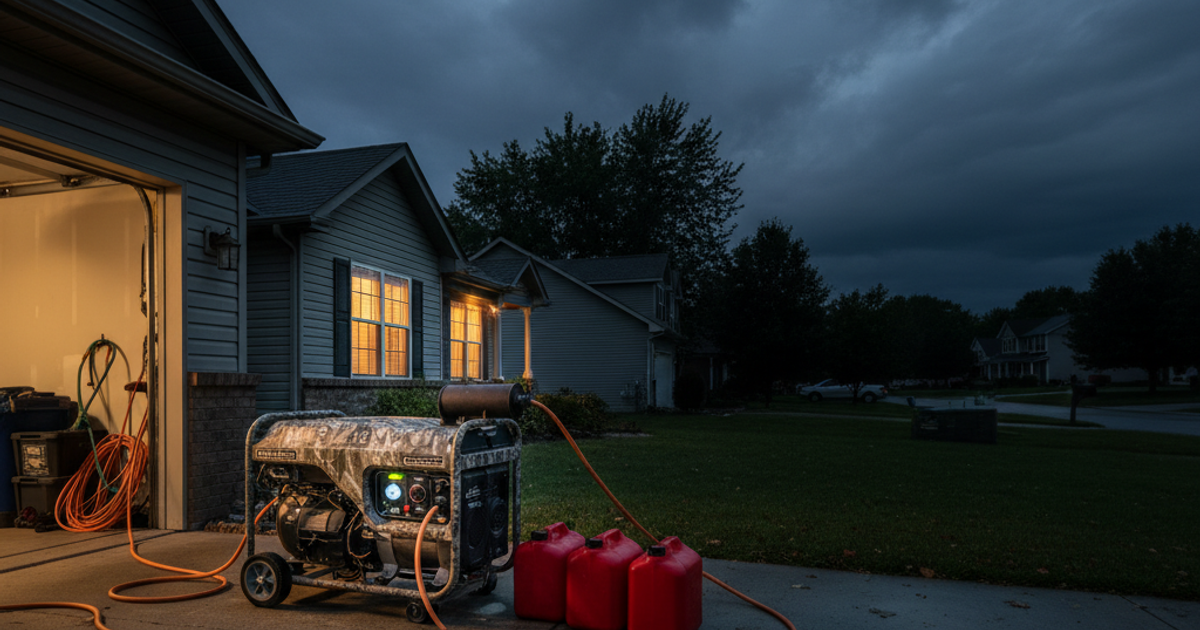
Never operate a generator indoors, in a garage, carport, basement, or near any open window or door. Carbon monoxide is colorless, odorless, and lethal. Place your generator at least 20 feet from any structure, with exhaust directed away from windows and doors.
Additional safety rules every prepper should follow:
- Install battery-operated CO detectors on every level of your home before you ever run a generator.
- Let the generator cool for at least two minutes before refueling. Gasoline spilled on a hot engine is a fire hazard.
- Never backfeed power into the grid through a standard outlet — this can electrocute utility workers and damage your equipment. Always use a proper transfer switch.
- Store fuel in approved containers away from living spaces and ignition sources.
- Run your generator under load for 30 minutes monthly to ensure it will start when needed.
For fuel storage, a proper container is non-negotiable. The SureCan safety fuel container features a rotating nozzle and child-resistant cap that makes fueling a running generator safer and cleaner — reducing spill risk significantly. Store treated gasoline (with a fuel stabilizer like STA-BIL) in a cool, shaded location and rotate stock every 6–12 months.
Fuel Storage Strategy for Long-Term Grid-Down Scenarios
Fuel availability is the single biggest limiting factor for gasoline-powered generators during a prolonged outage. In a true SHTF event, gas stations may be closed, dry, or surrounded by desperate people. Plan accordingly.
- Gasoline: Store a minimum of 20–50 gallons in approved containers. Use fuel stabilizer and rotate every six months. Treated gas lasts up to 12–24 months.
- Propane: 100–500 gallon propane tanks can be installed at rural and suburban properties and refilled regularly. Propane stores indefinitely and burns cleaner than gasoline.
- Natural gas: Standby generators connected to a natural gas line provide continuous fuel — but if the gas infrastructure is damaged, this supply disappears too.
For urban survival situations or apartment dwellers, portable battery power stations (like Goal Zero or Jackery units) combined with solar panels represent a quieter, fuel-free alternative for charging devices, running small appliances, and powering medical equipment. They won't replace a full generator, but they're a practical addition to any survival kit for those without outdoor generator access.
If you're interested in reducing long-term fuel dependency entirely, consider reading about a budget solar setup under $500 as a complement or alternative to generator power for smaller loads.
Grid-Down Power Planning for Urban, Suburban, and Rural Preppers
Your living situation shapes your generator strategy significantly.
Rural Homesteads
Rural preppers typically have the most flexibility. A whole-house standby generator with a 500-gallon propane tank is a realistic, long-term solution. Well pumps are a primary concern — without power, you lose water. Prioritize generator capacity accordingly. Rural preppers building out off grid capability may also want to pair generator power with solar and battery storage for a hybrid system that reduces fuel consumption. This connects naturally with your broader family emergency plan and should be coordinated with your overall preparedness strategy.
Suburban Homes
Suburban households are the sweet spot for portable whole-house generators. A 7,500–10,000 watt dual-fuel unit paired with a manual transfer switch covers most critical needs. Keep a stockpile of gasoline and propane on hand and maintain noise awareness — in a suburban grid-down scenario, a loud generator running at 3 a.m. can create security concerns. Situational awareness matters even at home; know what you're broadcasting to neighbors.
Urban Apartments
Apartment dwellers face the steepest limitations. Conventional generators are not a viable option without outdoor access and HOA/building compliance. Focus instead on portable power stations, high-capacity battery banks, and a well-stocked survival kit that includes battery-powered lighting, hand-crank radios, and non-electric cooking alternatives. Review the cold weather survival guide and the bugging-in guide to build a realistic strategy around your constraints.
Recommended Survival Gear for Generator-Ready Emergency Preparedness
Beyond the generator itself, a complete grid-down power plan includes several supporting items. A heavy-duty outdoor extension cord rated for generator use (10-gauge, 30-amp), a carbon monoxide detector, a transfer switch compatible with your electrical panel, and a fuel stabilizer are all essential. For long-term preparedness, document your generator's maintenance schedule, keep spare spark plugs and oil on hand, and store the owner's manual in your emergency binder.
For further reading on layered preparedness — including water, food, and communications — browse the recommended survival gear and equipment page for vetted options across every category.
What You'll Need
- Backup generator (portable or standby)
- Heavy-duty outdoor extension cords (10-12 gauge)
- Transfer switch or interlock kit
- Fuel storage containers (approved for gasoline or propane)
- Fuel stabilizer
- Carbon monoxide detector
- Generator cover or enclosure
- Basic hand tools for installation
Step-by-Step Instructions
Step 1: Calculate Your Power Requirements
List all essential appliances and devices you need to run during an outage, including refrigerators, medical equipment, heating systems, and lights. Add up their starting wattage (not just running wattage, as startup draws more power) to determine your minimum generator capacity. Most homes need between 5,000-7,500 watts for essentials, while whole-home backup requires 15,000-20,000 watts.
Step 2: Choose Between Portable and Standby Generators
Portable generators cost $500-$2,000 and require manual setup and refueling, making them suitable for occasional outages lasting hours to a few days. Standby generators cost $3,000-$15,000 installed, automatically activate within seconds of power loss, and run on natural gas or propane for extended periods. Consider your budget, outage frequency in your area, and whether you have medical needs requiring immediate power restoration.
Step 3: Install a Transfer Switch for Safe Operation
Never plug a generator directly into a wall outlet, as this creates deadly backfeed that can electrocute utility workers and damage your home's electrical system. Hire a licensed electrician to install a manual or automatic transfer switch that safely isolates your home from the grid and allows you to power selected circuits. This installation typically costs $500-$1,500 but is essential for legal and safe generator operation.
Step 4: Position Your Generator Safely Outdoors
Place your generator at least 20 feet away from windows, doors, and vents to prevent carbon monoxide poisoning, which kills dozens of people annually during outages. Never run a generator in a garage, basement, or enclosed space, even with doors open. Position it on a level, dry surface with the exhaust directed away from your home, and use a generator cover to protect it from rain while maintaining proper ventilation.
Step 5: Store and Rotate Fuel Properly
Gasoline degrades within 3-6 months, so add fuel stabilizer and rotate your supply regularly to ensure your generator starts when needed. Store fuel in approved containers away from living spaces and ignition sources, keeping no more than 25 gallons on residential property unless you have proper permits. For propane or natural gas generators, schedule annual inspections of your fuel lines and connections to prevent leaks.
Step 6: Perform Monthly Maintenance and Test Runs
Start your generator monthly and run it under load for at least 15-20 minutes to keep the engine lubricated and prevent fuel system issues. Check and change the oil every 50-100 hours of operation, replace air filters annually, and inspect spark plugs for wear. Keep a maintenance log and stock spare parts like oil, filters, and spark plugs so you're not scrambling during an emergency.
Step 7: Develop a Load Management Strategy
Avoid overloading your generator by staggering when you run high-wattage appliances like well pumps, air conditioners, or electric water heaters. Start with your most critical loads, then add others gradually while monitoring the generator's output. Turn off unnecessary devices and use energy-efficient LED lights to extend your fuel supply and reduce wear on your generator during prolonged outages.
Frequently Asked Questions
How long can a portable generator run continuously during a power outage?
Most portable generators are designed to run for 8–12 hours on a full tank of gasoline, depending on the load. Propane-powered or dual-fuel models can run longer if fuel supply is maintained. Standby generators connected to a large propane tank or natural gas line can run for days or weeks. To extend runtime and reduce fuel consumption, power only essential loads and consider running the generator in cycles — on for several hours, off while you sleep — rather than continuously.
What size generator do I need to run a house during an emergency?
For powering essential circuits only (refrigerator, lights, phone charging, and a sump pump or well pump), a 3,500–5,000 watt generator is generally sufficient for most households. To run central air conditioning, electric water heaters, or multiple large appliances simultaneously, you'll need 7,500–12,000 watts. Calculate your actual wattage needs by listing all critical appliances and their starting/running wattage, then add a 20% safety buffer when selecting your generator size.
Is it safe to run a generator during a hurricane or major storm?
Yes, but placement is critical. Generators must be operated outdoors, at least 20 feet from any window, door, or vent — even in rain. Use a generator tent or canopy designed for wet-weather operation to protect the unit from direct precipitation while maintaining adequate ventilation. Never bring a generator indoors under any circumstances, even in severe weather. For comprehensive storm preparedness beyond power, review the hurricane preparedness survival guide for a complete pre-storm checklist.
Affiliate Disclosure: SHTF Plan participates in the Amazon Services LLC Associates Program. Some links are affiliate links — we may earn a small commission at no extra cost to you.