Hurricane Preparedness: How to Survive Before, During, and After a Major Storm
Hurricanes give you time to prepare — if you know what to do. This guide covers everything from storm supplies to evacuation decisions to post-hurricane survival.
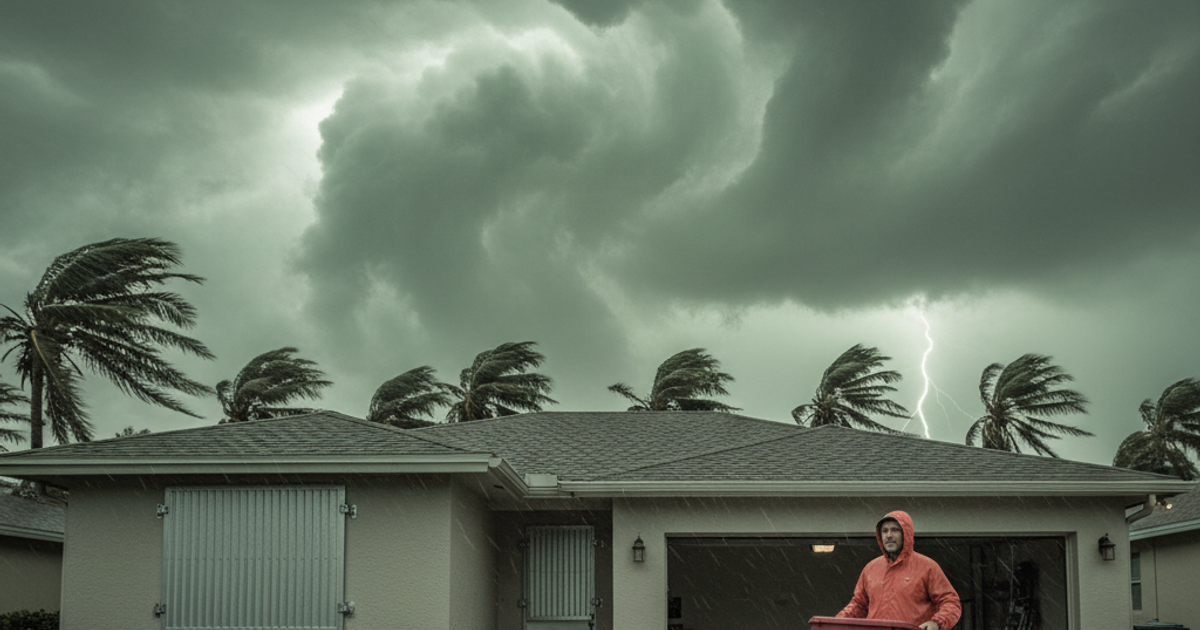
Every year, Atlantic hurricane season runs from June 1 through November 30 — and every year, millions of Americans find themselves underprepared when a major storm makes landfall. According to NOAA, the United States averages about six Atlantic hurricanes per season, with two reaching major hurricane status (Category 3 or higher). The economic and human toll is staggering: Hurricane Katrina caused over $125 billion in damage, and Hurricane Ian in 2022 killed more than 140 people and caused roughly $113 billion in losses.
Whether you live in a high-rise apartment in Miami, a suburban neighborhood in Houston, or a rural homestead on the Gulf Coast, hurricanes are a genuine SHTF-level threat that demands serious emergency preparedness. The good news is that unlike many disasters, hurricanes almost always give you advance warning. That warning window is your greatest asset — if you use it wisely.
This guide covers everything you need to know: hardening your home, building your survival kit, making smart evacuation decisions, sheltering in place safely, and surviving the dangerous post-storm period that most guides ignore.
How to Protect Your Home Before a Hurricane Makes Landfall
Home hardening is your first line of defense. Damage surveys after major storms consistently show that the homes that survive best are the ones whose owners took structural preparation seriously — not just stockpiled supplies.
Windows, Doors, and the Building Envelope
Windows are your home's most vulnerable points during a hurricane. Flying debris traveling at 100+ mph turns ordinary glass into a catastrophic failure point. If you can't afford to install impact-rated windows, applying 3M window film for hurricane storm protection is a proven secondary measure that holds shattered glass in place, reducing the risk of sudden pressure loss inside your home. Combine window film with pre-cut plywood or polycarbonate storm panels for maximum protection. Garage doors are the single most common failure point in hurricane damage — brace or replace them with hurricane-rated hardware.
Roof and Structural Integrity
Have a licensed contractor inspect your roof before the season begins. Ensure hurricane straps or clips connect your roof trusses to the wall framing. Clear gutters and downspouts, trim trees within striking distance of your home, and secure any outdoor furniture, grills, or decorations that could become projectiles. Rural preppers and homesteaders should also check outbuildings, barns, and livestock shelters — a collapsing barn is dangerous and costly.
Building a Hurricane Emergency Supply Kit That Actually Works
FEMA recommends a minimum 72-hour supply kit, but any serious prepper knows that's the floor — not the ceiling. After a major hurricane, infrastructure restoration can take weeks. Plan for a minimum of two weeks of self-sufficiency; 30 days is better.
The Core Survival Kit
The Ready America 72-hour emergency survival kit is a solid baseline for families who want a professionally assembled, all-in-one option. It covers the essentials — food rations, water pouches, first aid, light, and basic tools — in a grab-and-go package. Use it as a starting point and expand from there based on your household's specific needs: medications, infant supplies, pet food, or gear for elderly family members.
Your full kit should include:
- Water: One gallon per person per day, minimum. Store in food-grade containers.
- Emergency food storage: Shelf-stable items — freeze-dried meals, canned goods, energy bars, and rice or beans in sealed buckets. For long-term strategies, check out our guide on Building a 6-Month Food Storage System on Any Budget.
- First aid and medications: Trauma kit, prescription refills, OTC medications, and any condition-specific supplies.
- Tools and survival gear: Multi-tool, waterproof flashlights, extra batteries, hand-crank or solar radio, whistle, N95 masks, heavy-duty gloves, and duct tape.
- Documents: Waterproofed copies of IDs, insurance policies, medical records, and emergency contacts.
- Cash: ATMs go down after storms. Keep small bills on hand.
Emergency Water Storage: Your Most Critical Asset
Municipal water systems routinely fail during and after major hurricanes due to power outages, broken mains, and contamination. One of the smartest pre-storm moves you can make is filling a WaterBOB bathtub water storage system immediately before the storm hits. This simple food-grade liner fits inside a standard bathtub and holds up to 100 gallons of fresh tap water — enough for one person for over three months or a family of four for 25 days. It takes minutes to fill, costs very little, and doesn't require any special equipment. It's one of the highest-value pieces of hurricane prep gear available. Also review our deep-dive guide on Emergency Water Storage: How Much You Actually Need and How to Store It Safely for additional strategies including water purification methods for post-storm use.
Evacuation Planning: When to Go and How to Get Out Safely
One of the deadliest mistakes people make during hurricanes is waiting too long to evacuate — or refusing to go at all. If local authorities issue a mandatory evacuation order for your zone, leave. No amount of survival gear compensates for a Category 4 storm surge that puts 15 feet of water over your neighborhood.
Know Your Zone Before the Storm
Every coastal county has a hurricane evacuation zone map. Know yours now — not when a storm is 36 hours out and traffic is already gridlocked. Identify at least two evacuation routes in different directions. Pre-register your household with local emergency management if you have special needs or mobility limitations.
Your Bug Out Bag and Vehicle Kit
Your bug out bag should be pre-packed and ready to grab in under five minutes. The Complete 72-Hour Bug Out Bag Checklist for Urban Survival is an excellent resource for building a kit that covers you whether you're heading to a relative's house two states away or sheltering at a public evacuation center. Keep your vehicle fueled at all times during hurricane season — gas stations run dry fast. Your car kit should include water, food, a first aid kit, maps, phone chargers, and a change of clothes. See our Vehicle Emergency Kit guide for a full breakdown.
Practice situational awareness and grey man principles during evacuations. Crowded evacuation routes become stressed environments where conflicts over resources, fuel, and space can escalate. Keep a low profile, stay calm, and don't advertise your supplies.
Sheltering in Place: How to Ride Out a Hurricane Safely
Not every hurricane requires evacuation. If you're inland, in a well-built structure, and outside the storm surge zone, sheltering in place may be the right call for a Category 1 or 2 storm. The decision must be made carefully and early.
Choosing Your Safe Room
Identify the strongest room in your home — typically an interior room on the lowest floor (not a basement in flood zones), away from windows. A bathroom, closet, or hallway works well. For apartment dwellers in urban settings, avoid top-floor units during the storm and stay away from windows. If your building is well-constructed, a central interior room is your best option. Rural residents should be especially cautious of mobile homes — no mobile home is safe during a hurricane, regardless of tie-downs.
Power, Communications, and Comfort
Power outages during hurricanes are nearly universal. A Generac portable generator is one of the most valuable investments a homeowner can make for hurricane preparedness. It can power refrigerators, medical equipment, fans, and communication devices during extended outages that can last days or weeks after a storm. Always operate generators outdoors, at least 20 feet from windows and doors — carbon monoxide poisoning is a leading cause of post-hurricane deaths. If a generator isn't in the budget, prioritize power banks, battery-powered lighting, and a hand-crank emergency radio.
Stay informed via NOAA weather radio, local emergency broadcasts, and text alerts. A HAM radio setup can be invaluable when cell networks and internet are down — see our guide on HAM Radio for Preppers for how to build a reliable off-grid communication network.
Post-Storm Survival: The Phase Most Preppers Underestimate
The storm passing doesn't mean the danger is over. In many ways, the 72 hours after a hurricane are the most dangerous and logistically complex period of the entire event.
Immediate Post-Storm Hazards
Downed power lines, flooded roads, contaminated water, structural damage, mold growth, and disrupted emergency services all combine to create a genuinely hostile environment. Do not enter floodwater on foot or by vehicle — just six inches of moving water can knock an adult down, and two feet can carry away a vehicle. Assume all standing water is contaminated with sewage, chemicals, and biological hazards.
Fallen trees and debris are one of the most common post-hurricane hazards, especially in suburban and rural areas. A quality Husqvarna chainsaw for storm debris cleanup is an essential tool for rural homeowners and suburban preppers alike. Clearing trees from roads and structures quickly can mean the difference between being trapped for days and restoring access to your property within hours. Always use proper PPE — chainsaw chaps, gloves, eye and hearing protection — especially when fatigued after a stressful event.
Security, Community, and the Long Haul
Extended power outages and supply chain disruptions after major hurricanes historically lead to spikes in opportunistic crime. This is the reality of urban survival in a post-disaster environment. Review your home security posture, maintain a low profile about your supplies, and build relationships with neighbors before the storm so you have a mutual aid network in place when it counts. The grey man principle — not drawing attention to yourself or your resources — applies directly here.
If you have animals, post-hurricane logistics become more complex. Our guide on Prepping with Pets: How to Keep Your Animals Alive When SHTF covers evacuation planning, shelter options, and supply needs for both household pets and farm animals.
Document all damage with photos and video immediately for insurance purposes. Contact your insurer as soon as possible — claims are processed in the order received, and the backlog after a major storm can be enormous.
What You'll Need
- Non-perishable food (3-7 day supply)
- Water (1 gallon per person per day for at least 3 days)
- Battery-powered or hand-crank radio (NOAA Weather Radio if possible)
- Flashlights and extra batteries
- First aid kit
- Prescription medications (7-day supply)
- Cash and important documents in waterproof container
- Plywood or storm shutters for windows
- Generator (optional) with fuel stored safely outside
- Manual can opener
- Cell phone with chargers and backup battery
Step-by-Step Instructions
Step 1: Monitor Weather Forecasts and Evacuation Orders
Begin tracking the storm at least 5 days before predicted landfall using NOAA weather updates and local emergency management channels. Sign up for community alert systems and download weather apps to receive real-time notifications. Know your evacuation zone and have multiple routes planned in case primary roads become impassable. If authorities issue an evacuation order for your area, leave immediately rather than waiting until the last minute when conditions worsen.
Step 2: Secure Your Home's Exterior
Install storm shutters or board up windows with 5/8-inch plywood cut to fit and pre-drilled for quick installation. Bring inside or securely tie down outdoor furniture, decorations, garbage cans, and anything that could become a projectile in high winds. Clear gutters and drains to reduce flooding risk, and trim dead branches from nearby trees. Anchor or store propane tanks and turn off utilities if instructed by authorities.
Step 3: Prepare an Interior Safe Room
Identify a small, windowless interior room on the lowest floor of your home, such as a bathroom or closet, as your safe space during the storm. Stock this room with your emergency supplies, including water, snacks, flashlight, radio, first aid kit, and important documents. Bring mattresses, sleeping bags, or cushions to protect against flying debris if the roof is compromised. Avoid using this room for storage of hazardous materials or anything that could cause injury during strong winds.
Step 4: Protect Critical Systems and Appliances
Turn your refrigerator and freezer to the coldest settings, then avoid opening them to preserve food for up to 48 hours without power. Fill bathtubs and large containers with water for washing and flushing toilets if service is interrupted. Unplug small appliances and electronics to protect them from power surges when electricity is restored. If you have a generator, place it outside at least 20 feet from your home to prevent carbon monoxide poisoning.
Step 5: Shelter in Place During the Storm
Once hurricane-force winds begin, move to your designated safe room and stay away from windows and exterior walls. Listen to your battery-powered radio for emergency updates and do not go outside, even during the eye of the storm when conditions temporarily calm. Keep a phone charged to call for emergency help only if absolutely necessary, as lines will be overwhelmed. Stay sheltered until authorities announce the all-clear, as the back side of the storm can be equally dangerous.
Step 6: Assess Damage Safely After the Storm
Wait until daylight and official clearance before venturing outside to inspect damage. Watch for downed power lines, broken gas lines, and structural damage to your home before entering or re-entering. Take photographs of all damage for insurance claims before making any temporary repairs. Avoid standing water, which may be electrically charged or contaminated, and wear protective clothing including boots, gloves, and long sleeves.
Step 7: Begin Recovery and Report Damage
Contact your insurance company as soon as possible to file claims and begin the recovery process. Throw away any food that has been exposed to flood water or has been unrefrigerated for more than 4 hours. Use generators, camp stoves, and charcoal grills only outdoors to prevent carbon monoxide buildup. Continue listening to local news for information on emergency services, shelter locations, water distribution points, and when utilities will be restored.
Frequently Asked Questions
How long should my hurricane emergency kit supplies last?
At a minimum, your hurricane emergency kit should sustain your household for 72 hours, but experienced preppers recommend aiming for two weeks to one month of supplies. Major hurricanes like Katrina and Ian demonstrated that infrastructure restoration — power, water, fuel, grocery supply chains — can take weeks. Stock at least one gallon of water per person per day, enough emergency food storage to cover that window, and rotate supplies annually to keep them fresh. Consider the specific needs of everyone in your household, including infants, elderly family members, and pets.
Should I evacuate or shelter in place during a hurricane?
The decision depends on your specific situation: your hurricane zone, the storm's projected category and path, the construction quality of your home, and your proximity to storm surge flood zones. Always follow mandatory evacuation orders — storm surge is the leading cause of hurricane fatalities, and no amount of preparation makes sheltering in a storm surge zone survivable. If you are inland, in a well-built structure, and outside the flood zone, sheltering in place during a Category 1 or 2 storm may be reasonable. When in doubt, leave early. Traffic and fuel availability deteriorate rapidly as a storm approaches, so the earlier you go, the easier and safer the evacuation will be.
What's the most important thing to do before hurricane season starts?
The single most important thing is to prepare before a storm is in the forecast — not during. Start by knowing your evacuation zone and routes. Inspect and harden your home, particularly windows, doors, and the roof. Build or update your survival kit and emergency food storage. Fill and rotate your water supply. Establish a family emergency plan so every member of your household knows the protocols, meeting points, and communication plan. Having all of this done before June 1 means you can monitor storm forecasts with calm, strategic focus rather than panic-buying plywood at the last minute.
Affiliate Disclosure: SHTF Plan participates in the Amazon Services LLC Associates Program. Some links are affiliate links — we may earn a small commission at no extra cost to you.