
Body Armor for Preppers: How to Choose Plate Carriers, Ballistic Plates, and Soft Armor Before SHTF
Body armor is one of the most misunderstood pieces of survival gear. Learn how armor ratings work, which plates stop what, and how to build a rig you can actually wear and move in.
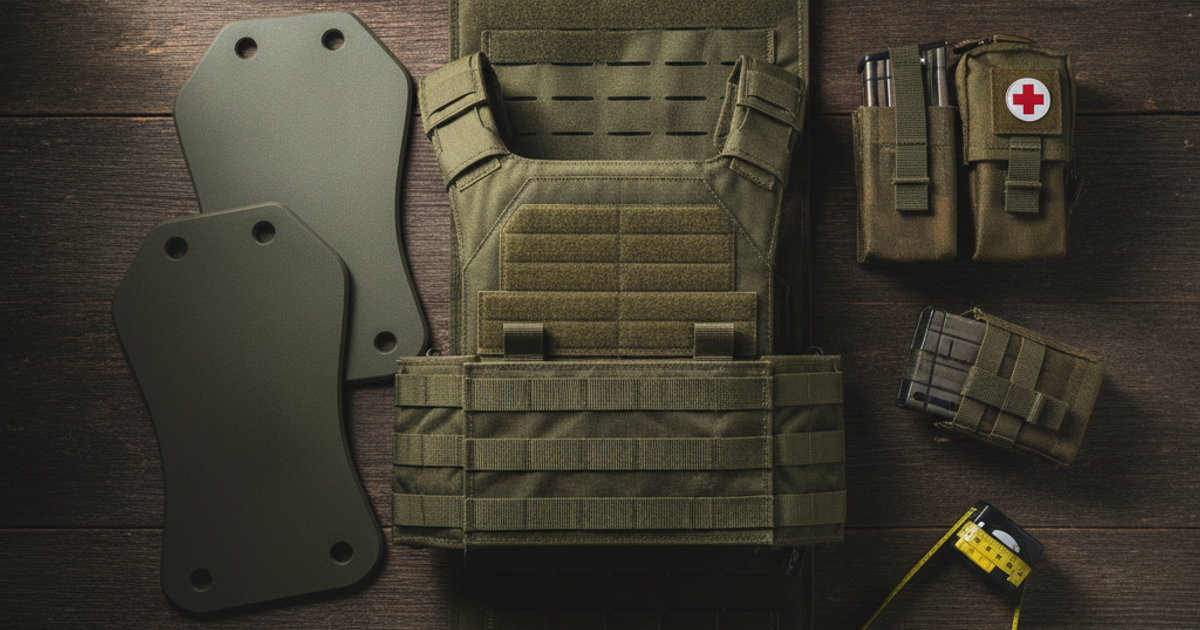
Body armor used to be the exclusive domain of police and military units. Today it sits in the closets of nurses, truck drivers, apartment dwellers, and homesteaders alike — and for good reason. The FBI's Uniform Crime Reports consistently show that roughly 70 to 75 percent of homicides in the United States involve firearms, and civil unrest events over the past decade have repeatedly turned ordinary streets into contested ground. Armor is not a magic shield, but it is the single piece of survival gear that can turn a fatal hit into a survivable one.
The problem is that most preppers buy armor backward. They chase the heaviest, highest-rated plates they can afford, strap them into a carrier that doesn't fit, and discover after ten minutes of movement that they've bought a very expensive anchor. Armor you won't wear protects nobody. This guide walks through NIJ protection levels, plate materials, carrier selection, fit, weight management, and the legal landscape — for readers in high-rise apartments, suburban cul-de-sacs, and rural properties alike.
What You'll Need
Tools
- Tape measure and bathroom scale (for fit and load calculations)
- Mirror or spotter to check plate placement
- Permanent marker for labeling plate orientation (strike face up)
Supplies
- Condor Sentry plate carrier
- Spartan Armor Systems AR550 body armor plates
- Condor LCS trauma pad backer
- Trauma kit with tourniquet and chest seals
Understanding NIJ Protection Levels Before You Buy Body Armor
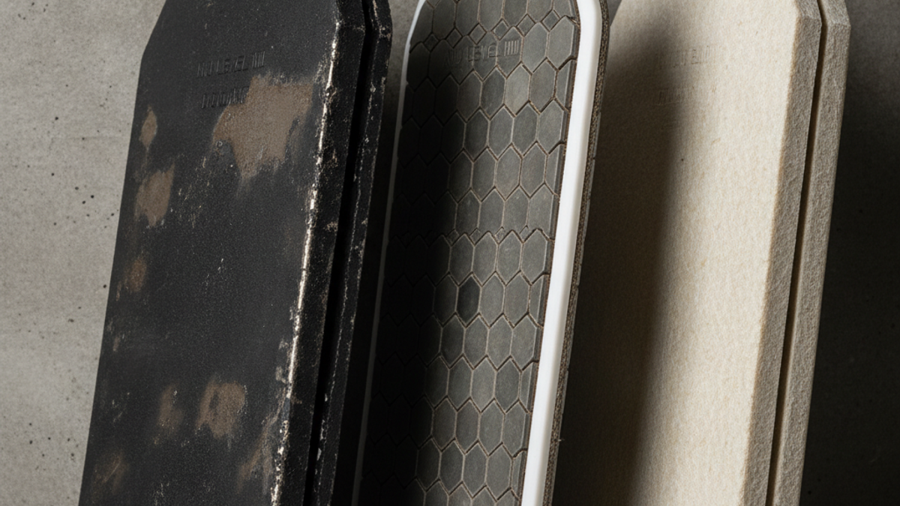
The National Institute of Justice (NIJ) Standard 0101.06 — and its newer 0101.07 revision — is the only meaningful benchmark in the U.S. market. Anything advertised as "military grade" without an NIJ listing is marketing noise.
- Level IIA, II, IIIA (soft armor): Stops handgun rounds up to .44 Magnum. Level IIIA is the practical civilian standard for concealable vests. It will not stop rifle rounds.
- Level III (hard plates): Rated to stop 7.62x51mm M80 ball. Most Level III steel and polyethylene plates handle common rifle threats but may fail against M193 5.56 at high velocity unless specifically tested.
- Level III+ (unofficial): A manufacturer designation, not an NIJ level. Typically means Level III plus M193 and M855 capability. Read the actual test data.
- Level IV: Stops .30-06 M2 armor-piercing. Heaviest and most expensive, usually ceramic composite.
For most preppers, a Level III+ or Level IV front and back plate covers the realistic threat spectrum. Handgun-only soft armor is a reasonable choice for someone who wants concealable protection for daily errands, commuting, or working retail in a city.
Steel vs. Ceramic vs. Polyethylene: Which Ballistic Plates Are Right for You?
Steel Plates
AR500 and AR550 hardened steel is the budget entry point — typically $80 to $200 per plate, 7 to 9 pounds each. Steel is nearly indestructible in storage, survives multiple hits, and lasts decades without a shelf-life clock. AR500 Armor level III steel plates remain the most common starter set for preppers on a budget. The downside is spalling — fragments of the bullet deflecting sideways into the neck, arms, and face. Any steel plate must have an intact anti-spall coating, and ideally a trauma pad behind it.
Ceramic Composite Plates
Ceramic (alumina, silicon carbide, or boron carbide) backed by polyethylene or aramid gives the best protection-per-pound at Level IV, around 5 to 7 pounds. They shatter to absorb energy, meaning limited multi-hit capability and vulnerability to being dropped. Store them flat, never lean them against a wall.
Polyethylene Plates
Ultra-high-molecular-weight polyethylene (UHMWPE) plates are the lightest option — some run 3 to 4 pounds — and they float. Hoplite Armor level III+ polyethylene plates are worth the premium for anyone who may need to cover distance on foot, ride a bicycle out of a city, or work a rural perimeter. Their weakness is heat: never leave poly plates in a hot vehicle, where cabin temperatures can exceed 140°F.
How to Choose a Plate Carrier That Actually Fits
The carrier is the interface between you and your armor, and it matters more than most buyers realize. A minimalist carrier keeps weight and heat signature down; a full-featured carrier adds cummerbund pouches, side plate pockets, and drag handles.
The Condor Sentry plate carrier is a proven low-cost platform with laser-cut MOLLE and adjustable shoulder straps — ideal for a first setup or a spare kit in a vehicle. The 5.11 Tactical TacTec plate carrier distributes load exceptionally well thanks to wide padded shoulder straps, which matters if you'll be wearing it for hours during a security watch. The Shellback Tactical Banshee plate carrier splits the difference with a slim profile and quick-adjust cummerbund.
For urban preppers who need discretion, a low-profile Condor soft armor plate carrier vest worn under a jacket preserves grey man principles better than a loaded-out tactical rig. Walking through an apartment lobby in full battle rattle destroys your anonymity instantly — see our guide on gray man everyday carry for more.
Managing Weight, Heat, and Fatigue
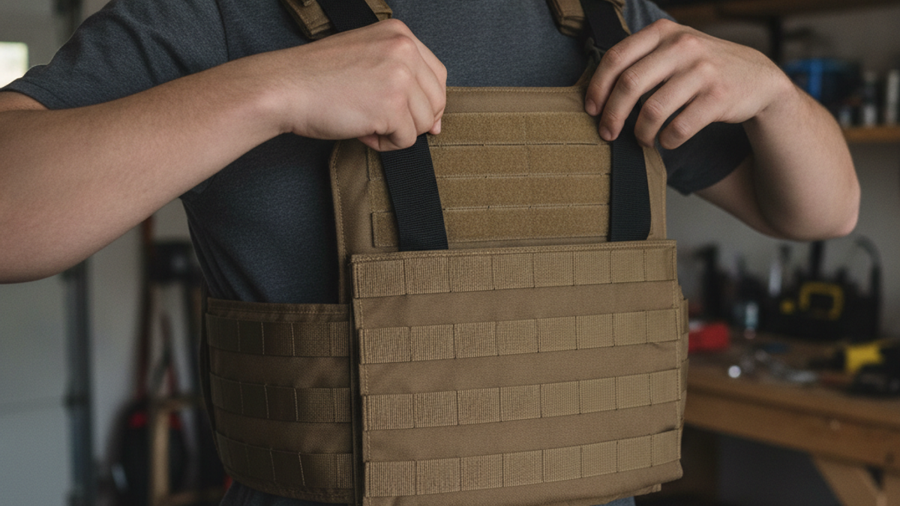
A complete steel setup with carrier and pouches can hit 30 pounds. Military research on load carriage consistently shows that performance degrades sharply once load exceeds roughly 30 percent of body weight. For a 180-pound adult, that's 54 pounds total — and your rifle, water, and ammo count toward it.
Armor also traps heat. Wearing plates in summer without hydration discipline is a genuine heat-injury risk; review our advice on surviving extreme heat emergencies. Add a Condor LCS trauma pad backer behind steel plates to reduce backface deformation and blunt-force injury.
Legal Considerations for Civilian Body Armor Ownership
Under federal law (18 U.S.C. § 931), it is illegal for anyone convicted of a violent felony to possess body armor. Otherwise, civilian ownership is legal in all 50 states, with important exceptions: Connecticut restricts face-to-face sales requirements, New York bans the sale and purchase of most body armor to non-exempt civilians as of 2022 legislation, and many states add sentencing enhancements for wearing armor during a crime. Verify current statutes in your state and city before ordering.
Step-by-Step Instructions
Step 1: Assess Your Realistic Threat Profile
Ask what you're actually preparing for. An apartment dweller worried about riots and home invasion is facing mostly handgun threats; a rural homesteader defending acreage is more likely facing rifles at distance. Match the NIJ level to the threat, not to your imagination.
Step 2: Measure for Correct Plate Size
Measure from the suprasternal notch (the hollow at the base of your throat) down to roughly two inches above your navel. That measurement determines plate height. Most adults fit a 10x12 plate; smaller-framed people should consider 8x10 or a swimmer cut.
Step 3: Select Plate Material Based on Mobility Needs
Choose steel if budget dominates and you'll operate mostly from a fixed position. Choose ceramic or polyethylene if you may be moving on foot, climbing stairs, or covering distance. Weigh each candidate plate on a scale before committing.
Step 4: Fit and Adjust the Carrier
Put plates in the carrier with the strike face outward. The top edge of the front plate should sit at your suprasternal notch; the rear plate rides slightly higher. Tighten the cummerbund so you can slide a flat hand underneath but no more.
Step 5: Add Trauma Pads and Medical Gear
Insert trauma pads behind steel plates. Mount a tourniquet and chest seals directly to the carrier where you can reach them with either hand. Our guide to building a gunshot wound kit covers exactly what to carry.
Step 6: Train in the Kit Until It Disappears
Wear the carrier for progressively longer sessions — 15 minutes, then an hour, then a two-mile walk. Practice going prone, standing, and shouldering a long gun. Adjust anything that pinches, rides up, or blocks your rifle stock.
Step 7: Store Armor Correctly and Track Its Lifespan
Store plates flat in a climate-controlled space, never in a hot car trunk. Soft armor typically carries a five-year manufacturer warranty; ceramic plates commonly five to seven years. Log purchase dates in your stockpile inventory system and inspect annually for cracks, delamination, or coating damage.
Recommended Gear
Build your setup in stages: start with a budget carrier and steel plates, then upgrade to lighter composites as funds allow. Pair armor with quality optics, communications, and a trauma kit — see our full recommended survival gear list for a complete build-out.
Frequently Asked Questions
Is body armor legal for civilians to own?
In most of the United States, yes. Federal law only prohibits possession by those convicted of violent felonies. New York heavily restricts civilian purchases, and Connecticut regulates sales. Always confirm your state and municipal laws before buying.
How long does body armor last before it expires?
Soft armor is typically warrantied for five years because the aramid or UHMWPE fibers degrade with sweat, heat, and flexing. Ceramic plates run five to seven years. Steel plates have no meaningful expiration but the anti-spall coating can degrade, so inspect it regularly.
Should a prepper buy steel or ceramic plates?
If cost and durability matter most and you'll be defending a fixed position, steel is acceptable — with a trauma pad and intact spall coating. If you may be moving, evacuating, or wearing armor for hours, spend the extra money on ceramic or polyethylene and save 8 to 10 pounds of load.
Affiliate Disclosure: SHTFPlan.net participates in the Amazon Services LLC Associates Program. Some links are affiliate links — we may earn a small commission at no extra cost to you.