Cold Weather Vehicle Survival: How to Stay Alive When You're Stranded in a Winter Storm
Being stranded in a winter storm can turn deadly fast. Here's exactly what to do — and what to keep in your car — to survive until help arrives.
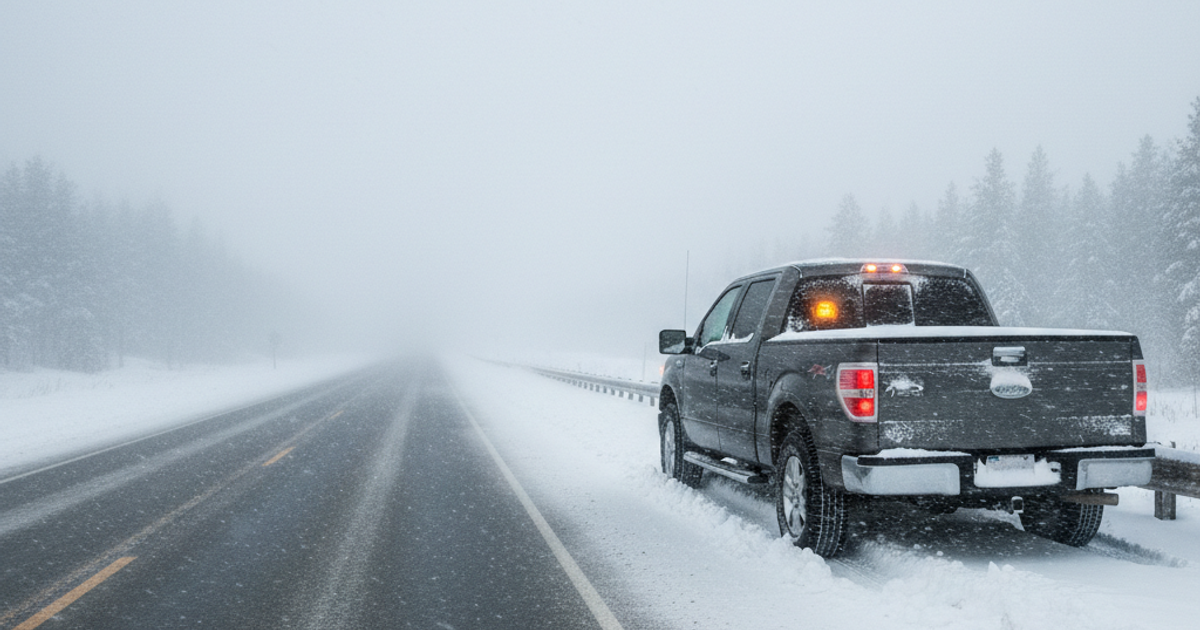
Every winter, hundreds of thousands of drivers find themselves stranded on snow-covered roads, highways, and rural byways. According to the American Automobile Association (AAA), winter storms are responsible for nearly 500 deaths and more than 2,000 injuries annually on U.S. roads — and that doesn't account for the thousands more who spend terrifying hours trapped in their vehicles waiting for help that may be hours away. Whether you're a suburban commuter caught off guard by a sudden blizzard, an urban driver whose car slides into a ditch, or a rural resident stranded miles from the nearest town on a back road, your vehicle can become either your refuge or your coffin depending on how well you've prepared.
The cold doesn't care about your schedule. When SHTF on a frozen highway, survival gear preparedness is the single most important variable you can control. This guide will walk you through everything you need to know to stay alive when a winter storm traps you inside your car — from assembling the right survival kit to making the critical decisions that separate survivors from statistics.
What You'll Need
Tools
- Heavy duty jumper cables
- Compact folding shovel
- Ice scraper with brush
- Ice traction aid product
Supplies
- Mylar emergency thermal blankets
- Hand warmers (bulk pack)
- Waterproof matches
- High-calorie emergency food bars
Why Your Car Becomes a Survival Scenario So Fast
Most people vastly underestimate how quickly the cold can become lethal inside a stalled vehicle. Without engine heat, a car interior can drop to outside ambient temperature within 30 to 60 minutes depending on wind chill and insulation. Hypothermia — the progressive drop in core body temperature — can set in well above freezing, particularly when wet, fatigued, or injured. The National Weather Service notes that wind chills of -20°F or colder can cause frostbite on exposed skin in as little as 30 minutes.
For urban and suburban drivers, the danger often comes not from deep wilderness isolation but from gridlocked interstates during whiteout conditions, where rescue may be visible but hours away. For rural drivers, the threat is compounded by distance — being stranded on a county road at night with no cell signal and no passing traffic is a life-threatening scenario with very little margin for error.
Either way, your survival kit and your decision-making are what stand between you and a cold statistic.
Building a Winter Vehicle Survival Kit That Actually Saves Lives
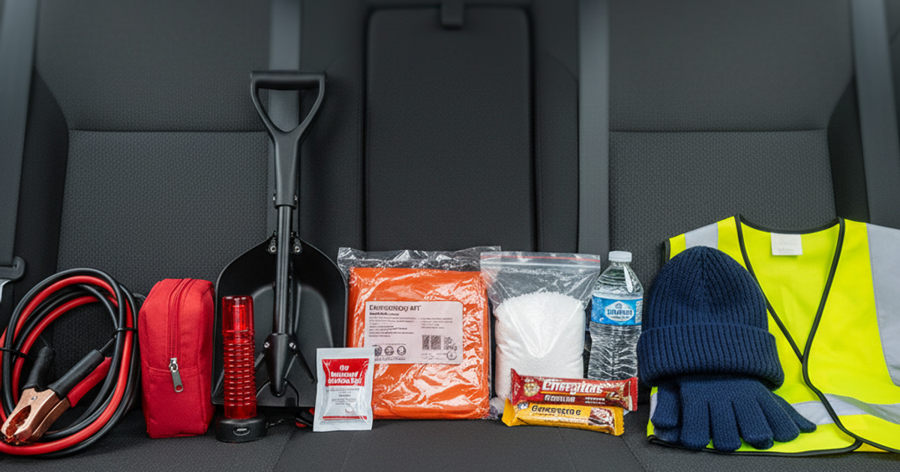
A proper winter vehicle survival kit is not the same as a generic roadside emergency kit. Cold weather demands specific items that address hypothermia prevention, traction recovery, communication, and self-sufficiency for extended waiting periods. The AAA roadside emergency kit for winter is a solid baseline that covers many of the fundamental needs and includes items vetted by one of the nation's largest automotive safety organizations — it's a strong starting point even for experienced preppers.
For more comprehensive cold-weather coverage, the Lifeline AAA cold weather car emergency kit is purpose-built for winter scenarios and includes items like ice scrapers, tow rope, and emergency gear designed specifically for sub-freezing conditions. Keep one in every vehicle you own, not just your primary car.
Beyond a pre-built kit, there are individual items that every prepper should add to their vehicle during the winter months. Mylar emergency thermal blankets are perhaps the single highest-value item you can carry — they weigh almost nothing, pack flat, and reflect up to 90% of your body heat back at you. Buy a bulk pack and keep several in the glove box, go-bag, and under the seat. They can mean the difference between maintaining core temperature and going into hypothermic shock.
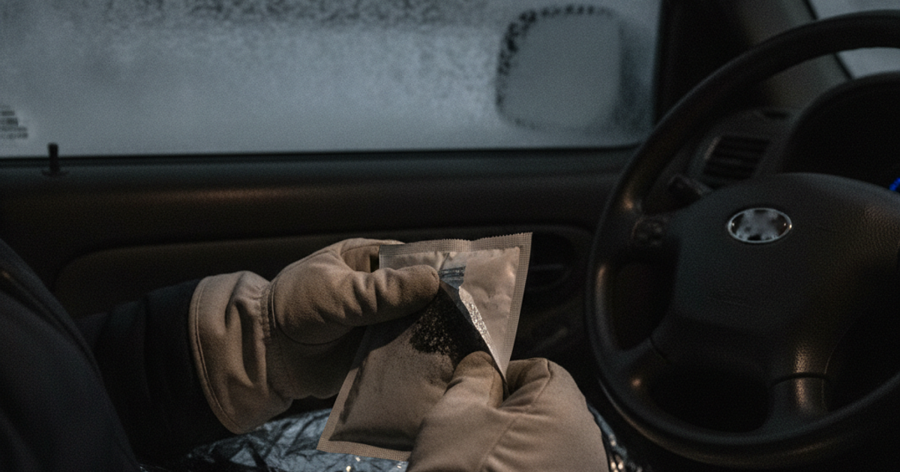
Hand warmers are another critical low-cost, high-impact addition. Heatmax HeatPax hand warmers in bulk are chemical hand warmers that activate on contact with air and provide sustained heat for up to 10 hours. Tuck them into gloves, boots, and jacket pockets to maintain dexterity and ward off frostbite during extended exposure.
For hydration and nutrition, a quality Stanley vacuum-insulated food jar is a preparedness asset that rarely gets enough credit. Fill it with hot soup, broth, or water before any winter trip and it will maintain heat for 6 to 12 hours. Warm fluids help maintain core body temperature and combat the caloric burn that comes with shivering — your body burns significantly more calories in the cold trying to regulate its temperature.
Don't overlook fire-starting capability. Even in a vehicle survival scenario, the ability to signal for help, warm your hands outside the vehicle briefly, or start an emergency fire if you must evacuate on foot is essential. UCO Stormproof waterproof matches are designed to light and stay lit even in wind and rain — conditions you're likely to encounter in a winter storm emergency. They belong in every vehicle survival kit and every bug out bag you own.
The Traction Problem: Getting Unstuck Before You're Truly Stranded
Many winter vehicle emergencies begin with a simple loss of traction — sliding off the road, getting stuck in a drift, or losing grip on an icy incline. In these situations, acting quickly and correctly can prevent a minor inconvenience from becoming a multi-hour survival ordeal. Traction Magic ice traction products are specifically engineered for this scenario — they provide immediate grip on ice and compacted snow under vehicle tires and don't damage concrete or asphalt the way some sand/salt blends can. Keep a container in your trunk year-round once the first frost hits.
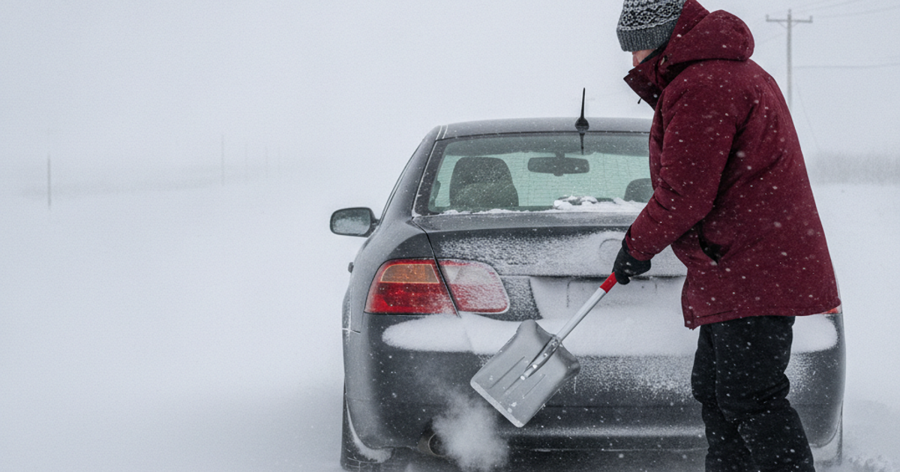
Pair your traction aid with a compact folding shovel to clear packed snow from around your tires and exhaust pipe. Clearing the exhaust pipe is critical — snow or ice blocking the tailpipe can cause carbon monoxide to back up into the passenger compartment, which is a silent, odorless, and potentially fatal threat.
Critical Decision-Making When You're Stranded in a Winter Storm
The most important decision you'll face when stranded is whether to stay with the vehicle or attempt to walk out. In the vast majority of scenarios, staying with your vehicle is the correct choice. Your car is a massive visual marker for search and rescue teams, provides wind and precipitation shelter, and concentrates your survival resources in one place. The primary exception is if you can clearly see a shelter — a building, structure, or residence — within a very short, safe walking distance and conditions allow.
Situational awareness is essential from the moment you sense trouble developing. Note your last known location, mileage markers, cross streets, or landmarks. If you have cell signal, call for help immediately — don't wait to see if conditions improve. If you're in a rural area with no signal, this is precisely why a plan communicated to someone before you leave matters enormously. Always tell a trusted person your route and expected arrival time before any winter drive in potentially hazardous conditions.
Run your engine only periodically to conserve fuel and prevent carbon monoxide buildup. A general rule of thumb is 10 minutes on, 50 minutes off — long enough to warm the interior without burning through your fuel supply. Always crack a window slightly to allow fresh air exchange and keep the exhaust pipe clear before running the engine.
For a deeper look at staying calm and making smart decisions under pressure, see our guide on how to stay calm and make smart decisions when a crisis hits — those principles apply directly to high-stress winter emergencies.
Cold Weather Layering and Body Heat Management Inside the Vehicle
Your body is your primary heat source when the engine is off. Managing that heat intelligently is what separates a survivable situation from a fatal one. Layer your clothing using the base-mid-outer principle: moisture-wicking base layer, insulating mid layer (fleece or wool), and wind/waterproof outer layer. Wool is particularly valuable because it retains insulating properties even when wet.
Wrap yourself in your Mylar thermal blanket and keep moving your extremities periodically to maintain circulation. Wiggle your toes, clench and release your fists, and do light isometric exercises like pressing your palms together to generate body heat without exerting yourself to the point of sweating — moisture against skin accelerates heat loss dramatically. Our comprehensive guide on the cold weather layering system for hypothermia prevention goes deeper on this critical topic and is required reading before any serious winter preparedness planning.
Signaling for Help When You're Stranded
Visibility is your greatest asset when waiting for rescue. Tie a brightly colored cloth, bandana, or emergency flag to your antenna or door handle. If it's safe to do so, turn on your hazard lights periodically — but manage battery drain carefully. In a whiteout, a light signal may be visible when your vehicle itself is buried. A quality whistle can be heard for long distances and requires almost no energy. Three blasts is the universal distress signal.
If you must communicate your position to rescuers, knowing how to signal effectively can shorten your wait dramatically. Read our guide on how to signal for rescue when no one can hear you for a full breakdown of visual, auditory, and electronic signaling methods.
Keeping Your Battery and Vehicle Ready for Winter Emergencies
Cold weather is brutal on car batteries — chemical reactions that generate electrical current slow significantly below 32°F, and a battery that tests fine in October may fail to start your car in January. Have your battery tested at the start of each winter season and replace any battery over three years old that shows signs of weakness. Keep a set of heavy-duty Energizer jumper cables in your trunk at all times — these are heavy gauge cables designed for reliable current transfer even in extreme cold, and they've saved countless drivers who would otherwise have been stranded with a dead battery. For more on keeping your vehicle operational under SHTF conditions, see our guide on how to keep your bug-out vehicle running when there are no repair shops.
Step-by-Step Instructions
Step 1: Assemble Your Winter Vehicle Survival Kit Before Cold Weather Arrives
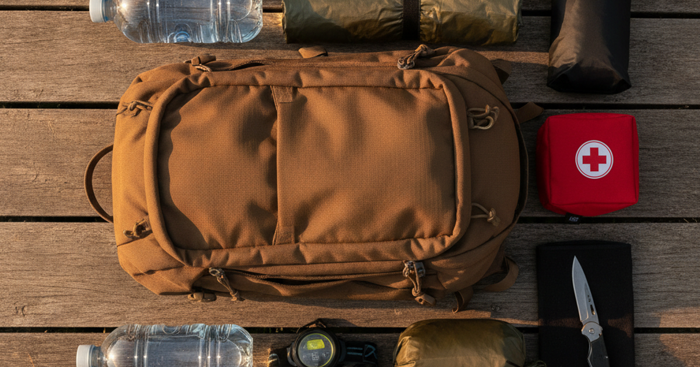
Build or purchase a dedicated cold-weather vehicle emergency kit and store it in your trunk before the first frost of the season. At minimum, include Mylar blankets, hand warmers, a compact shovel, traction aid, jumper cables, a flashlight, high-calorie food bars, water, and a first aid kit. Don't wait for the first storm forecast — by then, store shelves are often stripped.
Step 2: Check Your Vehicle's Cold Weather Readiness Every Autumn
Have your battery tested, check antifreeze levels and concentration (it should protect to at least -30°F in most northern climates), inspect tire tread and pressure, and ensure your fuel tank is at least half-full before any winter trip. Cold, dry winter air causes tire pressure to drop approximately 1 PSI for every 10°F drop in temperature, which affects both handling and fuel economy.
Step 3: Communicate Your Route and Estimated Arrival Before Every Winter Drive
Before driving in questionable winter conditions, tell a trusted contact your starting point, destination, planned route, and expected arrival time. Agree on a check-in protocol — if they don't hear from you by a certain time, they should contact authorities. This single step can dramatically reduce your rescue time if you become stranded in a low-signal rural area.
Step 4: Assess the Situation Immediately After Becoming Stranded
If you become stuck or stranded, take stock of your situation before acting. Note your location using landmarks, mile markers, or GPS coordinates if available. Check for injuries to all passengers. Assess your fuel level, available survival supplies, cell signal strength, and weather conditions. Calm, deliberate assessment in the first five minutes prevents reactive decisions that waste energy and resources.
Step 5: Clear Your Exhaust Pipe and Manage Engine Use Carefully
Before running your engine for heat, exit the vehicle and visually confirm the exhaust pipe is clear of snow and ice. Run the engine no more than 10 minutes per hour to conserve fuel and prevent carbon monoxide buildup inside the cabin. Always crack a window slightly on the downwind side while the engine runs to ensure fresh air circulation.
Step 6: Manage Body Heat Using Layering and Mylar Blankets
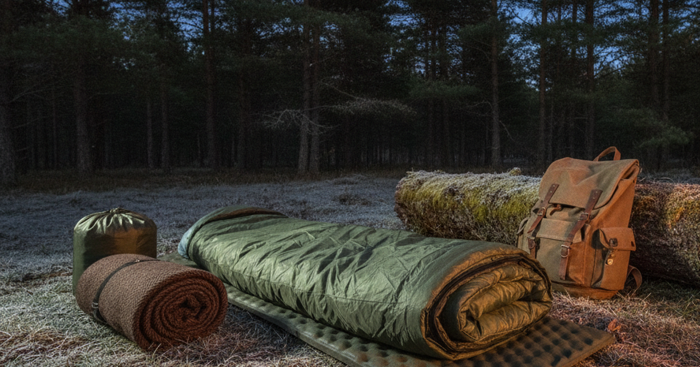
Wrap all passengers in Mylar emergency thermal blankets, prioritizing children and elderly individuals who lose heat faster. Layer available clothing, sleeping bags, or seat covers for additional insulation. Activate hand warmers and place them at pulse points — wrists, armpits, and groin — where they warm circulating blood most efficiently. Keep everyone as still as possible to conserve calories, but do periodic movement to maintain circulation.
Step 7: Signal Your Position Continuously and Visibly
Tie a bright cloth to your antenna or mirror. Run your hazard lights in short bursts to conserve battery rather than continuously. If conditions allow safe brief exits, create visible markers in the snow around your vehicle — packed mounds, flags, or arrows pointing toward your car. Use a whistle rather than your voice for long-distance distress signaling, as shouting depletes energy rapidly in cold conditions.
Step 8: Stay Hydrated and Nourished Throughout the Wait
Cold suppresses the sensation of thirst, but dehydration accelerates the onset of hypothermia and impairs judgment. Drink water and consume high-calorie food at regular intervals. Avoid alcohol entirely — it creates a false sensation of warmth while actually accelerating heat loss by dilating surface blood vessels. Use your insulated food jar for warm beverages if available, and ration supplies conservatively if rescue timing is uncertain.
Recommended Gear
Rounding out your winter vehicle survival setup, every car should carry a Stanley vacuum-insulated food jar pre-loaded with hot liquid before any significant winter drive — the ability to consume warm fluids during a multi-hour wait is both a morale booster and a genuine physiological survival advantage. Similarly, stocking a Lifeline AAA cold weather car emergency kit ensures you have a professionally curated set of winter-specific tools without having to build everything from scratch. For reliable ignition when you need fire-starting capability outside the vehicle, UCO Stormproof waterproof matches hold up where ordinary matches fail completely in wind and wet conditions. Check out our recommended survival gear page for a full list of vetted preparedness equipment across all categories.
Frequently Asked Questions
How long can you survive in a car during a blizzard?
With proper survival gear and smart management of body heat, a prepared person can survive many hours — potentially days — in a stranded vehicle during a blizzard. The key variables are fuel level (for periodic heating), insulation materials like Mylar blankets and warm clothing, available food and water, the outside temperature and wind chill, and the number of passengers sharing body heat. Without any preparation, survival time in extreme cold can drop to just a few hours. This is why assembling a winter vehicle survival kit before storm season is non-negotiable emergency preparedness.
Should I stay in my car or try to walk to safety during a winter storm?
In almost all scenarios, you should stay with your vehicle. Your car is significantly more visible to rescuers than a person on foot in a blizzard, provides shelter from wind and precipitation, and keeps your survival gear and resources in one place. Walking out is appropriate only when you can clearly see a safe destination within a very short distance, conditions are survivable on foot, and you are certain rescue is not en route. Disorientation in whiteout conditions has caused people to freeze to death within yards of shelter. Unless you have absolute certainty about the route and conditions, stay put and signal for help.
What are the most important items to keep in a winter car emergency kit?
The highest-priority items for a winter vehicle survival kit are: Mylar emergency thermal blankets (multiple), chemical hand warmers, a compact snow shovel, jumper cables, a traction aid product for ice, a fully charged portable battery pack for your phone, high-calorie non-perishable snacks, water, a flashlight with extra batteries, a first aid kit, and a brightly colored emergency flag or marker. Secondary additions include waterproof matches or a lighter, a whistle, warm clothing and gloves stored in the trunk, and a written note of emergency contacts in case your phone battery dies. The more rural your typical driving environment, the more comprehensive your kit should be.
Affiliate Disclosure: SHTFPlan.net participates in the Amazon Services LLC Associates Program. Some links are affiliate links — we may earn a small commission at no extra cost to you.