Wildfire Smoke and Toxic Air: How to Filter Indoor Air and Protect Your Lungs When SHTF
Your car could be your lifeline — or your coffin. Learn how to build a vehicle-specific bug-out bag loaded with the gear that actually matters when you're stranded or fleeing.
When wildfire season hits or an industrial accident releases toxic chemicals into the air, your home can quickly become a gas chamber if you're not prepared. The air inside most buildings isn't nearly as safe as people assume — during a wildfire event, indoor particulate matter can reach five to ten times the outdoor concentration within just a few hours if no protective measures are in place. According to the EPA, wildfire smoke contains a complex mixture of fine particulate matter (PM2.5), carbon monoxide, volatile organic compounds (VOCs), heavy metals, and carcinogenic compounds like benzene and formaldehyde. These aren't particles you can simply cough out. They penetrate deep into your lung tissue and bloodstream, and repeated exposure is linked to cardiovascular disease, neurological damage, and cancer.
Whether you're an apartment dweller in a west coast city, a suburbanite dealing with smoke drifting from hundreds of miles away, or a rural homesteader watching the orange sky roll in from the ridge line — this guide is for you. This is not a theoretical exercise. Wildfire smoke events now affect over 100 million Americans annually, and climate projections suggest that number will only grow. When SHTF and emergency services are overwhelmed, your survival depends on the systems you've built in advance, not the ones you wish you had.
Why Wildfire Smoke Is More Dangerous Than Most Preppers Realize
Most people think of smoke as an irritant — something that makes your eyes water and your throat scratch. The reality is far more serious. PM2.5 particles, which measure 2.5 micrometers or smaller, are so fine that standard surgical masks and most cloth face coverings offer virtually zero protection. These particles bypass your body's natural filtration systems and lodge deep in the alveoli of your lungs, where they can trigger inflammation, disrupt oxygen transfer, and enter the circulatory system directly.
Wildfire smoke is uniquely toxic compared to, say, campfire smoke, because it contains whatever was burning — houses, cars, treated lumber, electronics, plastics, agricultural chemicals, and more. The 2018 Camp Fire in Paradise, California was found to have released dangerous levels of benzene into the local water supply and surrounding air. Residents in cities 150 miles away reported air quality index (AQI) readings above 300 — classified as "Hazardous." Children, the elderly, and anyone with existing respiratory or cardiovascular conditions are at extreme risk, but prolonged exposure affects healthy adults too.
This is why your emergency preparedness plan must include dedicated respiratory protection and indoor air management as core components — not afterthoughts.
What You'll Need
Tools
- Winix 5500-2 HEPA air purifier for smoke filtration
- Levoit Core 300 HEPA air purifier (compact and portable)
- BioLite BaseLantern rechargeable power bank
Supplies
- 3M N95 respirator masks for wildfire smoke
- 3M 6502QL half face respirator with organic vapor cartridge
- Filtrete 1900 MPR furnace air filter (MERV-rated for smoke)
Understanding Your Filtration Options: HEPA, MERV, and Activated Carbon
Not all air filtration is created equal, and understanding the difference can literally save your life. There are three primary filtration technologies relevant to wildfire smoke and toxic air events:
HEPA filtration (High Efficiency Particulate Air) is the gold standard for capturing fine particles. True HEPA filters capture 99.97% of particles at 0.3 microns — more than small enough to trap PM2.5 wildfire particulate. A quality unit like the IQAir GC MultiGas air purifier goes even further by combining HEPA-grade particle filtration with multi-stage gas-phase filtration specifically designed to capture the toxic volatile organic compounds present in wildfire smoke — making it one of the most capable units available for serious smoke events.
MERV-rated HVAC filters upgrade your existing forced-air system into a whole-home filtration tool. A standard fiberglass furnace filter has a MERV rating of 1-4 and stops almost nothing microscopic. Upgrading to a Filtrete 1900 MPR furnace filter — which approaches MERV 13 performance — dramatically increases your HVAC system's ability to capture fine smoke particles as it circulates air through the home. This is one of the most cost-effective upgrades any homeowner or renter with central air can make.
Activated carbon filtration addresses the chemical and gas phase of wildfire smoke that HEPA alone cannot handle. Carbon filters adsorb VOCs, formaldehyde, benzene, and other toxic gases. For serious events, you want a unit that combines both HEPA and activated carbon — or a respirator that includes organic vapor cartridges.
Choosing the Right Respirator: N95 vs. Half-Face Respirator
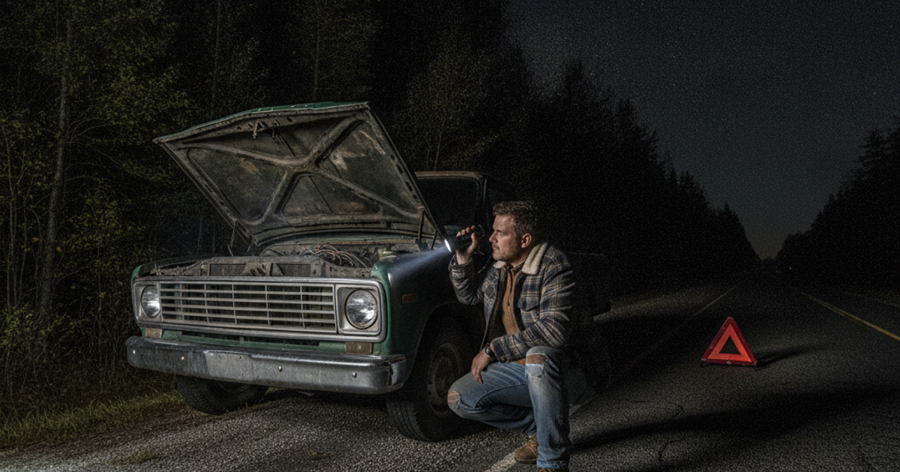
For brief outdoor exposures or rapid movement during a bug-out scenario, a properly fitted 3M N95 respirator is your minimum standard. The critical word is "fitted" — a poorly sealed N95 is dramatically less effective than the 95% particle filtration rating implies. N95s must seal tightly around your nose and jaw. Men with beards need to be aware that facial hair breaks the seal entirely.
For extended exposure, outdoor work, or situations involving chemical contamination beyond simple smoke — such as industrial accidents, toxic spills, or structure fire aftermath — step up to a 3M 6502QL half face respirator with organic vapor cartridges. This reusable respirator provides P100 particulate filtration (100% efficiency at 0.3 microns) combined with organic vapor protection for gases and VOCs. It's heavier and more expensive than an N95, but in a true toxic air SHTF scenario, it's the tool that bridges the gap between survival and slow poisoning.
Stock both types. N95s are lightweight, compact, and disposable — ideal for your bug out bag and vehicle emergency kit. The half-face respirator belongs in your home shelter-in-place kit, stored alongside its replacement cartridges.
Setting Up Indoor Air Defense: Room by Room Strategy
Think of your home during a toxic air event the way a military planner thinks about defensive perimeters. You cannot seal every gap simultaneously, so you prioritize and consolidate. The goal is to create one or two "clean rooms" where air quality is maintained at acceptable levels, while accepting that the rest of the structure may be compromised.
Choose your primary clean room based on sealing capability, not sentiment. Interior rooms with fewer windows and no exterior doors are easier to protect. Tape plastic sheeting over window gaps and use door draft stoppers to reduce infiltration. Run your HEPA purifier continuously in this space.
The Winix 5500-2 HEPA air purifier is an excellent whole-room option for medium to large spaces — it features a true HEPA filter, activated carbon pre-filter, and a PlasmaWave technology stage, and it's capable of cycling the air in a 360 square foot room five times per hour. For smaller spaces, bedrooms, or a dedicated safe room, the Levoit Core 300 HEPA air purifier is a compact, quiet unit ideal for apartments and suburban homes — it draws only 45 watts, making it compatible with battery backup power during grid-down events.
If you're sheltering in a vehicle, don't assume the cabin air filter is protecting you — most factory filters are MERV 5 or lower and provide minimal protection against fine smoke. The Honeywell portable HEPA air purifier for vehicles is a compact unit designed specifically for car cabins, running off a 12V outlet. If your bug-out route takes you through smoke-choked terrain, this is a legitimate life-safety tool, not a comfort item. Pair it with a cabin air filter upgrade for comprehensive vehicle air protection.
For more comprehensive guidance on staying safe while confined to your home during a prolonged event, see our article on Shelter-in-Place Without Losing Your Mind: How to Survive Weeks of Home Confinement When SHTF.
Step-by-Step Instructions
Step 1: Assess Your Home's Air Infiltration Vulnerabilities
Walk through your home and identify every point where outside air can enter: windows, door frames, mail slots, pet doors, exhaust fans, fireplace dampers, and electrical outlets on exterior walls. Use a stick of incense or a smoke pen near these areas on a windy day to identify active infiltration points. Prioritize sealing gaps in the room you intend to use as your primary clean room first.
Step 2: Upgrade Your HVAC Filtration Immediately
Replace your existing furnace filter with a high-MERV-rated option such as the Filtrete 1900 MPR series before a smoke event occurs. Set your system to recirculate mode only — never fresh air intake during a smoke event. Check that your system's return vents are not pulling air from garages or crawl spaces, which accumulate smoke rapidly.
Step 3: Deploy HEPA Air Purifiers in Priority Rooms
Position your primary HEPA purifier in your designated clean room, ideally near the center of the space to maximize air circulation. Run it on the highest effective setting continuously during the event. If you have a secondary unit, place it in the bedroom where you sleep — you accumulate the most respiratory exposure during the hours you're unconscious and not wearing a respirator.
Step 4: Seal Your Clean Room Against Smoke Infiltration
Use painter's tape and plastic sheeting to seal window frames, or use pre-cut foam weatherstripping for a more durable solution. Place rolled towels or door draft stoppers at the base of every door leading into the clean room. Close and seal the HVAC vent in this room if you cannot confirm your filtration system is performing adequately — a sealed room with a HEPA purifier running is often more effective than relying on central air.
Step 5: Fit-Test and Stage Your Respirators
Perform a proper fit check on your N95 and half-face respirator before you need them under stress. For the N95: place both hands over the mask, exhale sharply, and feel for air leaking at the edges. For the half-face respirator: block the cartridge inlets with your palms, inhale, and hold — the mask should collapse slightly inward with no air entry. Store respirators in sealed zip-lock bags within arm's reach of your clean room exit.
Step 6: Establish Air Quality Monitoring Inside and Outside
Purchase a low-cost PM2.5 air quality monitor (under $50) and place one sensor inside your clean room and one outside or in an unsealed area of the home. This gives you real-time data to know whether your filtration is working and when outdoor conditions have improved enough to ventilate. Do not rely on opening windows based on visual inspection — smoke particles are invisible at concentrations that still cause serious harm.
Step 7: Prepare a Power Backup Plan for Your Air Purifiers
HEPA air purifiers are useless without electricity, and smoke events often coincide with power outages from downed lines or grid strain. Calculate the wattage of your purifier (the Levoit Core 300 uses 45W; the Winix 5500-2 uses up to 70W) and match it to a battery bank or generator solution. The BioLite BaseLantern rechargeable power bank serves dual duty as an emergency light and power source, useful for maintaining lighting in your sealed clean room without generating additional combustion products indoors.
Step 8: Plan Your Exit and Bug-Out Threshold in Advance
Define in writing the AQI or duration threshold at which you will stop sheltering in place and execute a bug-out. If indoor air quality is degrading despite your filtration systems, or if the event is projected to last more than 72 hours with no improvement, have a predetermined route and destination ready. Check our guide to Wildfire Evacuation Bag: What to Pack When You Have 15 Minutes to Leave to ensure your go-bag is ready before the smoke arrives.
Special Considerations for Apartments and Urban Dwellers
Urban preppers face unique challenges during toxic air events. Apartment buildings draw outside air through shared HVAC systems you cannot control, and hallways act as infiltration pathways. If your building's system lacks adequate filtration, you may actually be better off sealing your unit and running standalone HEPA purifiers than relying on central air. Talk to your building manager now — before an event — about whether the system is set to recirculate or fresh air mode and what filter rating is in use. If you're in an apartment, the compact Levoit Core 300 is ideal: it's small enough to fit on a nightstand, quiet enough to sleep near, and powerful enough to clean the air in a 200 square foot bedroom multiple times per hour.
Urban survival also requires situational awareness about local industrial sites. In a true SHTF scenario, the chemical profile of urban air during a fire event can be far more dangerous than wildfire smoke alone — plastics, insulation, transformers, and stored industrial materials all release acutely toxic compounds when burned. For toxic chemical exposures beyond smoke, see our companion article on Poison Control When SHTF: How to Identify and Treat Toxic Exposures Without Emergency Services.
Long-Term Lung Health and Recovery After Toxic Exposure
Even with protective measures in place, you may sustain some exposure during a prolonged smoke event. Post-event respiratory support matters. Stay well-hydrated to support mucociliary clearance — the body's natural mechanism for sweeping particles out of the airways. Avoid exercise that increases your respiratory rate until indoor and outdoor air quality is confirmed safe. N-acetylcysteine (NAC), an over-the-counter supplement, has documented evidence as a mucolytic and antioxidant that may support lung tissue recovery following particulate exposure — consider including it in your medical stockpile.
For a comprehensive look at building your medical supplies for grid-down scenarios, our guide to Stockpiling Antibiotics and First Aid Supplies: What to Hoard Before a Medical Crisis Hits covers the full spectrum of what to have on hand when the pharmacy isn't an option.
Frequently Asked Questions
Does an N95 mask actually protect you from wildfire smoke?
Yes — but only if it's properly fitted and certified as NIOSH-approved N95. A correctly sealed N95 filters at least 95% of airborne particles, including the PM2.5 particulate matter in wildfire smoke. It does not protect against the gases and VOCs in smoke, which is why a half-face respirator with organic vapor cartridges is the better choice for extended exposure or chemically complex smoke events. Cloth masks, surgical masks, and bandanas provide negligible filtration against PM2.5 and should not be relied upon during serious smoke events.
How long can you safely shelter in place during a wildfire smoke event?
With a proper HEPA-filtered clean room and high-quality respirators for any necessary movement, you can shelter in place for 72 hours or more. The limiting factors are typically food, water, psychological stress, and whether your filtration systems have power. Your clean room air quality will degrade over time as filters load up and infiltration accumulates — monitor indoor PM2.5 levels continuously with a dedicated monitor, and have a defined bug-out trigger point if indoor AQI rises above 150 despite your filtration efforts.
What's the difference between a HEPA air purifier and a regular air purifier for smoke protection?
The difference is enormous. "Regular" or "ionic" air purifiers without a true HEPA filter often lack the physical filtration media needed to capture fine PM2.5 particles — some ionizers actually produce ozone as a byproduct, which is itself a respiratory irritant. True HEPA filters physically trap particles at 99.97% efficiency at 0.3 microns. For smoke, look for units that combine true HEPA with an activated carbon layer — the carbon handles the gas-phase toxic compounds that HEPA alone cannot capture. Units like the Winix 5500-2 and IQAir GC MultiGas combine both technologies for comprehensive protection.
Affiliate Disclosure: SHTFPlan.net participates in the Amazon Services LLC Associates Program. Some links are affiliate links — we may earn a small commission at no extra cost to you.