Nuclear and Radiological Emergencies: How to Survive Fallout When the Unthinkable Happens
A nuclear or radiological event doesn't have to be a death sentence. Know the steps to take before, during, and after to maximize your survival odds.
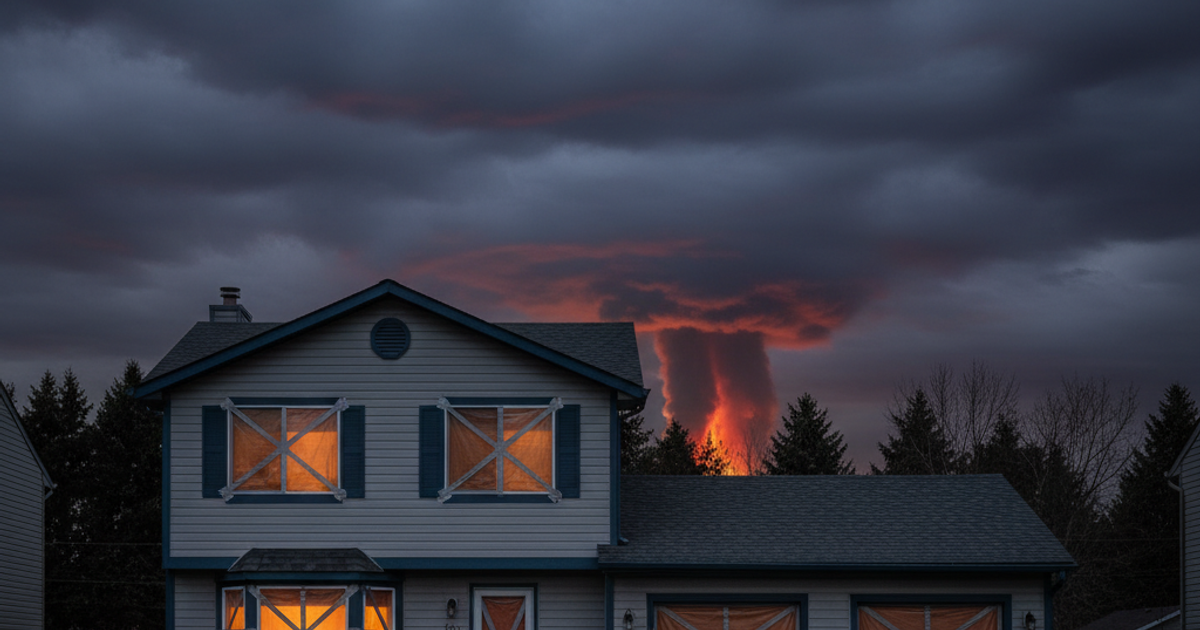
The scenario most preppers hope never materializes — a nuclear detonation, a dirty bomb attack, or a catastrophic reactor meltdown — is precisely the one that demands the most preparation. Unlike hurricanes or wildfires, a nuclear or radiological emergency gives you little warning and even less margin for error. But survival is not only possible — it's statistically likely for the majority of people who take the right actions in the first 24 hours. The research backs this up. Studies from the Federal Emergency Management Agency (FEMA) and the Department of Homeland Security consistently show that informed sheltering-in-place dramatically increases survival rates for those outside the immediate blast radius. This guide will walk you through everything you need to know: fallout physics, shelter selection, decontamination, potassium iodide use, and how to sustain life through an extended bug-in scenario — whether you live in a high-rise apartment, a suburban home, or a rural property miles from the nearest city.
Understanding Nuclear Fallout: What Every Prepper Needs to Know Before SHTF
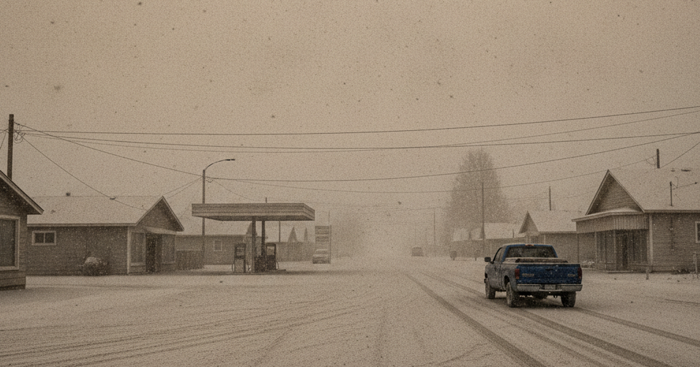
Fallout is not an invisible force that kills everything in its path. It is radioactive particulate matter — essentially contaminated dust and debris — that descends from the atmosphere after a nuclear explosion or major reactor event. The critical concept every prepper must understand is time, distance, and shielding. These three factors determine your dose, and your dose determines your fate.
Radiation intensity from fallout follows the "7-10 rule": for every sevenfold increase in time after a detonation, radiation decreases by a factor of 10. In practical terms, a fallout zone that registers 500 roentgens per hour (R/hr) one hour after a blast will drop to roughly 50 R/hr by seven hours and approximately 5 R/hr by 49 hours. This is why the first 24-72 hours are the most critical. If you can stay adequately shielded during that window, your odds of survival increase dramatically.
Radiological emergencies — dirty bombs, industrial accidents, or sabotaged nuclear facilities — typically produce far less radiation than a nuclear warhead but can contaminate large urban areas with radioactive isotopes. The psychological and economic disruption often exceeds the immediate health threat, but the decontamination and sheltering protocols remain the same.
For ongoing monitoring, every prepper's survival kit should include a reliable detection device. The NukAlert radiation detector keychain is a compact, always-on device that clips to your bag or belt and audibly alerts you to dangerous radiation levels. It requires no batteries — it runs on an internal power cell for years — making it one of the most practical pieces of survival gear for urban and suburban preppers who don't have space for bulkier equipment.
How to Build an Effective Fallout Shelter Using What You Already Have
You do not need a Cold War-era underground bunker to survive nuclear fallout. You need mass — dense material between you and the fallout particles settling outside. Concrete, brick, earth, and water are your best shielding materials. The more mass, the better.
Urban and Apartment Dwellers
If you live in a multi-story concrete or brick building, you are already in a relatively strong position. The ideal shelter in an urban environment is the center of a middle floor in a large concrete building — away from windows, exterior walls, and the roof (which collects fallout directly). Basements of large concrete buildings offer excellent protection. FEMA's research indicates that the center of a large concrete building can reduce radiation exposure by a factor of 200 or more compared to standing outside. Avoid wood-frame houses and mobile homes — they offer almost no shielding.
Suburban Homes
For the suburban prepper, your best option is typically the basement. If you have no basement, move to interior rooms on the lowest floor, away from all exterior walls. Stack heavy furniture, bookshelves filled with books, sandbags, or water containers against exterior walls to add shielding mass. Even moving to the center of a wood-frame home reduces exposure by roughly 50% compared to being outside — not ideal, but meaningful.
Rural Properties
Rural preppers have the advantage of distance and the option to build or improve below-grade shelters. An earth-bermed root cellar, a reinforced storm shelter, or even a trench covered with soil and a door can provide substantial protection. The depth of earth overhead matters enormously: 36 inches of packed earth reduces gamma radiation to near-safe levels. If you've already built a safe room inside your home, reinforce it further with sandbags or dense material on the ceiling and walls facing the outdoors.
Seal gaps around doors and windows with plastic sheeting and tape during the fallout phase. Turn off HVAC systems, exhaust fans, and anything that draws outside air inside. Your goal is to stop contaminated particles from entering your shelter space.
Potassium Iodide: How and When to Use KI Tablets to Protect Your Thyroid
Potassium iodide (KI) is one of the most misunderstood tools in nuclear emergency preparedness. It does one specific thing: it saturates your thyroid gland with stable iodine so that radioactive iodine-131 (a common fission product) cannot be absorbed. It does not protect against gamma radiation, blast effects, or other radioactive isotopes. But thyroid cancer is one of the most significant long-term health risks from nuclear fallout, particularly for children — the Chernobyl disaster dramatically demonstrated this risk, with thousands of thyroid cancer cases documented in exposed children.
IOSAT potassium iodide tablets 130mg are the FDA-approved formulation for radiation emergencies and should be part of every household's emergency preparedness supplies. Stock enough for every member of your household, including children (who require lower doses — follow the package guidelines carefully).
Timing is critical. KI is most effective when taken 1-2 hours before exposure to radioactive iodine. It remains effective up to 4 hours after exposure but loses effectiveness rapidly beyond that window. Do not take KI preemptively without official guidance or confirmed radiological release — it has side effects and is not a general radiation antidote. Wait for emergency broadcast confirmation or visual confirmation of a nuclear event in your region before dosing.
Radiation Detection: Knowing Your Exposure Level Is a Force Multiplier
Flying blind during a radiological emergency is potentially fatal. You need to know whether it's safe to briefly exit shelter to retrieve supplies, help a family member, or assess your situation. A quality Geiger counter radiation detector dosimeter gives you real-time readings so you can make informed decisions rather than guessing. Understanding what the numbers mean is equally important: exposure below 1 mSv/hr is generally considered low-risk for short durations; above 1 Sv/hr can be lethal within an hour. Most consumer Geiger counters display in counts per minute (CPM) or microsieverts per hour (μSv/hr) and come with reference charts.
For preppers with strong situational awareness and who take a data-driven approach to survival, having both a portable keychain detector and a more comprehensive Geiger counter provides redundancy — the keychain device gives constant passive monitoring while the Geiger counter provides precise measurement when you need it most.
Decontamination Procedures That Could Save Your Life After Fallout Exposure
If you or a family member must move through a contaminated environment — or if fallout has entered your shelter space — decontamination is non-negotiable. The good news: most external contamination can be removed effectively with basic procedures.
- Remove outer clothing immediately. Studies show that removing and bagging outer clothing eliminates approximately 80% of external contamination. Do this outside or in a garage/entryway before entering your main shelter space.
- Shower with soap and water. Wash hair with shampoo — do not use conditioner, which can bind particles to hair. Blow your nose, wipe your eyelids, and clean your ears. Pat dry with clean towels. Bag all used materials.
- Protect airways during any necessary outdoor exposure. A 3M N100 respirator mask provides high-efficiency particulate filtration and is far superior to surgical masks or cloth coverings for filtering radioactive dust particles. N100 respirators filter 99.97% of airborne particles — stock several per household member.
- Use protective coveralls for any necessary outdoor exposure. Tyvek disposable coverall suits prevent fallout particles from contaminating your skin and regular clothing. Combined with gloves, boot covers, and the N100 respirator, they create a basic but effective barrier against external contamination when you absolutely must go outside during or shortly after fallout deposition.
Bug-In Survival Strategy: Sustaining Life During an Extended Shelter-in-Place
A nuclear or radiological event is one of the few SHTF scenarios where bugging in is almost always the correct initial response — unless you are within the blast radius or direct plume path and have confirmed knowledge of a safe evacuation route. Sheltering at home during the fallout phase protects you; bugging out during active fallout can be a death sentence.
Plan for a minimum two-week shelter period, though the critical high-radiation phase is typically the first 48-72 hours. Your shelter must support life with zero reliance on outside resources during this window.
- Water: Store a minimum of one gallon per person per day in sealed containers before any emergency. Pre-filled containers sealed before the event are safe; water from taps after fallout may be compromised if your municipal supply is affected. Review our guide on emergency water storage for detailed quantities and container recommendations. Water purification capability — filters, purification tablets — should be part of every shelter kit, though filtration does not remove dissolved radioactive isotopes, only particulates.
- Food: Your emergency food storage should sustain your household for at least 30 days without resupply. Canned goods, freeze-dried meals, and sealed dry goods stored before the event are safe to consume. Review your 6-month food storage system to ensure you're actually prepared for an extended bug-in.
- Medical supplies: Radiation exposure can compromise immune function. A well-stocked trauma kit, prescription medications, and OTC supplies are critical. Our guide to wilderness medicine for preppers covers treating injuries when professional medical care is unavailable — skills that become essential if the grid is down and hospitals are overwhelmed.
- Communication: Keep a battery-powered or hand-crank NOAA weather radio to receive official emergency broadcasts. Authorities will announce when it's safe to exit shelter and whether evacuation orders are in effect.
- Mental resilience: Two weeks in a confined space under extreme stress will test everyone. Pre-position books, games, and activities. Establish routines. Leadership within your group matters enormously during extended shelter scenarios.
Recommended Survival Gear for Nuclear and Radiological Emergencies
Beyond the detection and protection products already discussed, your nuclear preparedness survival kit should include: sealed water storage (a minimum of 14 gallons per person), two weeks of calorie-dense emergency food storage, a hand-crank emergency radio, duct tape and heavy plastic sheeting for sealing rooms, N100 respirators for every household member, KI tablets, a Geiger counter with fresh batteries, and Tyvek coverall suits. Consider adding these items to your bug out bag if you have a planned evacuation route away from an at-risk area — though remember, during active fallout, that bag stays packed until radiation levels confirm safe movement is possible.
What You'll Need
- Emergency radio (hand-crank or battery-powered)
- Plastic sheeting and duct tape
- N95 masks or respirators
- Non-perishable food and water (minimum 2 weeks supply)
- Battery-powered lights and extra batteries
- First aid kit with potassium iodide tablets
- Portable radiation detector (if available)
- Cleaning supplies and garbage bags
Step-by-Step Instructions
Step 1: Seek Immediate Shelter Indoors
As soon as you receive notification of a nuclear or radiological emergency, move inside the nearest brick or concrete building immediately. The more walls and dense material between you and the outside, the better your protection from radiation. Avoid vehicles and mobile homes, as they provide minimal shielding. Basements and interior rooms of multi-story buildings offer the best protection, potentially reducing radiation exposure by 90% or more.
Step 2: Seal Your Shelter Environment
Close and lock all windows and doors to prevent radioactive particles from entering your shelter. Turn off ventilation systems, air conditioners, and heating units that bring in outside air. Use plastic sheeting and duct tape to seal gaps around doors, windows, and vents if you have time. Create an airtight barrier to minimize contamination while ensuring you have enough breathable air for the duration of your shelter period.
Step 3: Decontaminate Yourself If Exposed
If you were outside after the event, remove all outer clothing and seal it in a plastic bag before entering your main shelter area—this removes up to 90% of radioactive contamination. Shower thoroughly with soap and warm water, shampooing your hair but not using conditioner, which can bind radioactive particles. Avoid scrubbing skin too hard, as broken skin can absorb contaminants more easily. Blow your nose gently and wipe eyelids and ears with a damp cloth.
Step 4: Monitor Emergency Broadcasts Continuously
Use your emergency radio to stay tuned to official emergency broadcast channels for updates and instructions from authorities. Information will include the extent of the emergency, wind patterns affecting fallout direction, evacuation orders, and when it's safe to leave shelter. Keep communication devices charged and limit use to preserve battery life. Do not go outside or attempt to evacuate unless explicitly instructed by emergency management officials.
Step 5: Remain Sheltered for the Critical Period
Stay inside your shelter for at least 24 hours, though 48-72 hours is recommended for maximum safety as radiation levels decrease rapidly during this time. Fallout radiation loses approximately 90% of its intensity within the first seven hours after detonation. Use your stored food and water supplies rather than anything that may have been exposed. Keep yourself occupied with quiet activities to maintain morale and reduce anxiety among family members.
Step 6: Consume Only Protected Food and Water
Eat and drink only from supplies that were sealed and stored inside before the event occurred. Food in sealed containers or in the center of your refrigerator/freezer is generally safe, as packaging provides protection. Avoid consuming any food or water that was outside or in contact with outside air after the incident. If potassium iodide tablets are available and recommended by authorities, take them according to official dosing instructions to protect your thyroid gland from radioactive iodine.
Step 7: Evacuate Safely When Authorities Give Clearance
When officials declare it safe to leave or issue evacuation orders, follow designated routes exactly as instructed to avoid high-radiation areas. Cover your nose and mouth with a mask or damp cloth during evacuation to avoid inhaling residual particles. Bring your emergency supplies, stay in your vehicle with windows closed and ventilation off, and proceed directly to designated reception centers where you can receive decontamination screening and further instructions. Avoid stopping unnecessarily or taking shortcuts through potentially contaminated zones.
Frequently Asked Questions
How long do you need to shelter in place after a nuclear explosion?
The most dangerous fallout period is the first 24-72 hours after a nuclear detonation. Radiation levels drop dramatically during this window due to radioactive decay. FEMA recommends sheltering for a minimum of 24 hours if you have substantial shielding (concrete building, basement), and up to two weeks in more vulnerable structures. Monitor official emergency broadcasts for all-clear guidance, and use a Geiger counter to verify radiation levels before exiting your shelter. Do not rely on assumptions — measure before you move.
Does potassium iodide protect you from all radiation after a nuclear event?
No — this is one of the most dangerous misconceptions in nuclear preparedness. Potassium iodide (KI) protects only the thyroid gland from radioactive iodine-131. It provides no protection against gamma radiation, blast effects, beta radiation to other tissues, or other radioactive isotopes like cesium-137. KI is a single-purpose tool for a specific threat. Your primary protection from nuclear fallout comes from shielding (dense mass around you), time (staying sheltered while radiation decays), and distance (being as far from the source as possible).
What should I put in a nuclear emergency survival kit for my family?
A nuclear emergency survival kit should include: IOSAT potassium iodide tablets (appropriately dosed for all family members including children), a NukAlert keychain radiation detector, a Geiger counter dosimeter for precise readings, N100 respirators for each family member, Tyvek disposable coverall suits, heavy plastic sheeting and duct tape for room sealing, at minimum 14 days of sealed water and calorie-dense emergency food storage, a battery-powered NOAA emergency radio, a comprehensive first aid and trauma kit, and any prescription medications your household requires. Store this kit in your designated shelter space, not in an exterior garage or shed that may become inaccessible or contaminated.
Affiliate Disclosure: SHTF Plan participates in the Amazon Services LLC Associates Program. Some links are affiliate links — we may earn a small commission at no extra cost to you.