Defensive Gardening: How to Grow Food Without Advertising That You Have It
Learn how to grow a substantial food supply while keeping your garden hidden from desperate neighbors and opportunistic looters when SHTF.
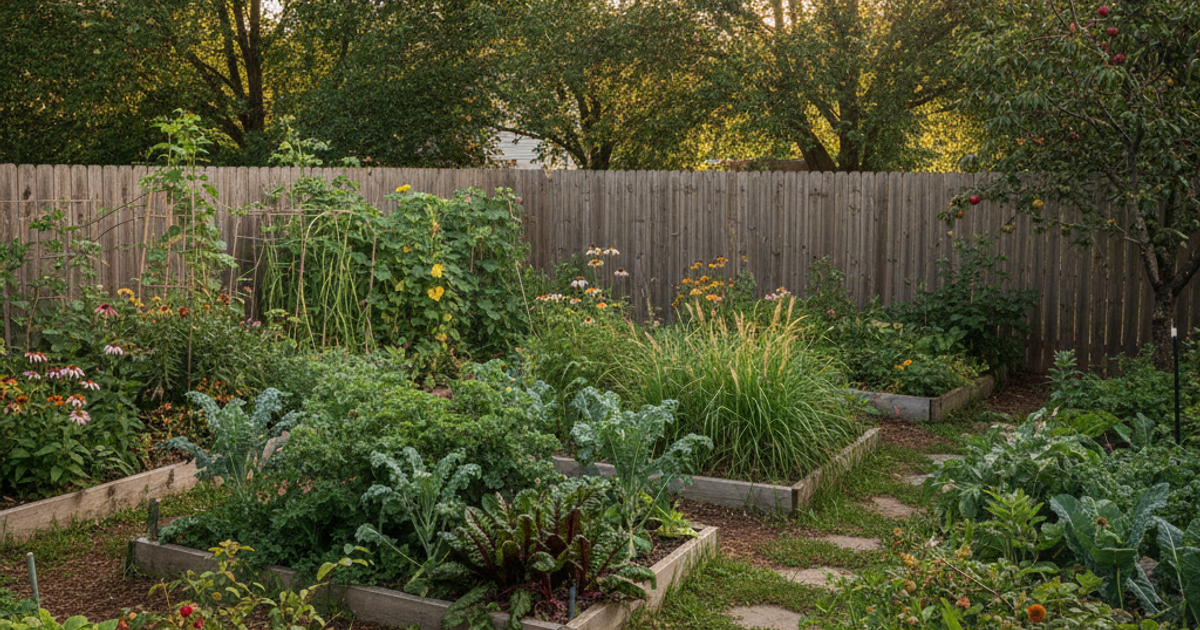
In a serious grid-down scenario or prolonged societal disruption, your vegetable garden could become the most valuable — and most dangerous — asset on your property. Food scarcity has historically driven desperate people to steal, extort, and worse. A 2020 report from the Food and Agriculture Organization estimated that over 800 million people globally experience chronic hunger during stable times. When infrastructure collapses, even well-fed neighbors can turn into threats when they're watching your tomatoes grow from across the street.
Defensive gardening is the practice of growing food in ways that maximize your harvest while minimizing attention from outsiders. It's the agricultural equivalent of the grey man concept — you want to be present, productive, and prepared without broadcasting it to the world. Whether you're working with a windowsill, a suburban backyard, or a rural homestead, the principles of OPSEC apply to your food production just as much as they apply to your stockpile. For more on keeping your overall preparedness plans under wraps, read our guide on OPSEC for Preppers: How to Keep Your Stockpile and Plans Secret When SHTF.
This guide will walk you through the strategies, plant selections, and layout decisions that let you grow serious calories without painting a target on your back.
What You'll Need
Tools
- Garden trowel and hand cultivator
- Pruning shears for maintaining concealment plants
- Measuring tape for spacing and layout planning
- Gardener's Supply Company bamboo trellis privacy screen
- Deer barrier fence netting for garden protection
Supplies
- Burpee heirloom vegetable seed vault
- Lehman's non-hybrid open pollinated seed collection
- Jiffy peat pellet seed starting kit for indoor germination
- Suncast lockable outdoor deck box for secure tool and seed storage
Why Concealment Gardening Matters for Emergency Preparedness
Most preppers spend significant energy on emergency food storage, building out months of shelf-stable supplies, investing in long-term food stockpiles, and refining their rotation systems. But a living garden is different from a pantry — it's visible. It grows. It produces smells. It attracts pollinators that signal activity. And in a SHTF environment where food is scarce, a thriving garden is a neon sign that says "resources here."
The solution isn't to stop gardening. Caloric self-sufficiency through food production is one of the most powerful off-grid survival strategies available. The solution is to garden defensively — to design your growing spaces so that food production is either invisible, misidentified, or protected from casual observation and opportunistic theft.
Research from post-disaster zones consistently shows that food gardens are among the first targets during civil unrest. After Hurricane Katrina in 2005, urban gardens and community plots in affected areas were stripped within days. During the Venezuelan economic crisis beginning around 2014, home gardens became closely guarded secrets as neighbors began raiding each other's plots. These aren't hypothetical scenarios — they're documented historical patterns that every serious prepper should study.
The Core Principles of Defensive Gardening OPSEC
Situational awareness cuts both ways: just as you want to observe your environment, you want to control what others observe about you. Apply these core OPSEC principles to your food production:
- Minimize visibility from roads and neighboring properties. Keep productive gardens behind structures, fences, or screening plants rather than in front yards or open lots.
- Avoid obvious rows. Traditional row planting is immediately recognizable as a food garden. Permaculture-style mixed plantings are harder to identify from a distance.
- Don't discuss your garden extensively. This applies especially to social media. Our article on OPSEC and the dangers of sharing preparedness plans online covers exactly why broadcasting your food production is a serious security vulnerability.
- Harvest discreetly. Don't carry large visible baskets of produce from your garden in plain view of the street during a crisis period.
- Grow what looks ornamental. Many highly productive food plants can pass as decorative landscaping to the untrained eye.
Camouflage Through Plant Selection: Growing Food That Doesn't Look Like Food
One of the most effective defensive gardening techniques is selecting plants that produce abundant food while appearing to be ornamental landscaping. This is the heart of concealment gardening, and it works in apartments, suburbs, and rural properties alike.
Edible Plants That Look Decorative
Consider building your concealment garden around these categories:
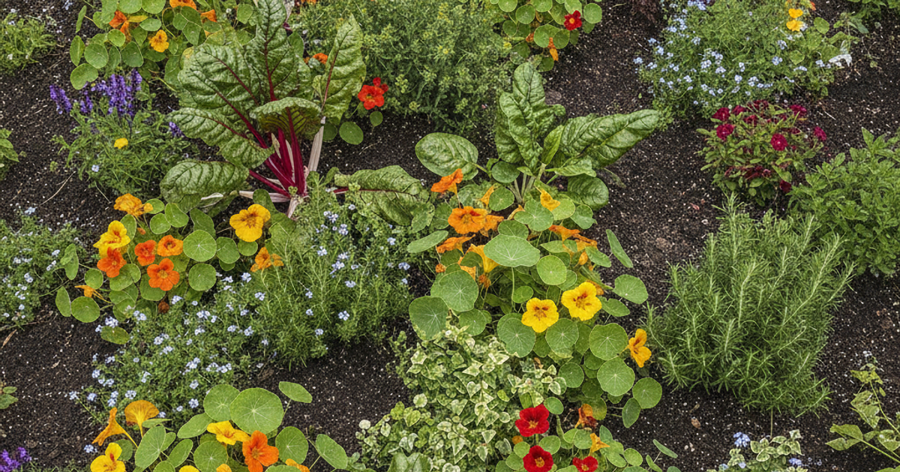
- Edible flowers: Nasturtiums, calendula, borage, and violets are all edible and nutritious, but look like flower beds. The Botanical Interests edible flower seed collection is an excellent way to establish a colorful, productive, and completely inconspicuous growing area that appears to be nothing more than a cottage garden.
- Herbs as ground cover: Creeping thyme, for example, is a drought-tolerant, edible, and medicinal ground cover that looks like decorative landscaping while providing real food value. Outsidepride creeping thyme ground cover seeds are ideal for establishing a low-profile productive border that blends into any yard.
- Fruit-bearing ornamentals: Serviceberry, elderberry, and rugosa roses all produce edible fruit and look like typical landscaping shrubs. Espalier fruit trees trained flat against a fence are another excellent technique — they produce heavily but are nearly invisible when viewed from the street.
- Kale and chard as ornamentals: Rainbow chard and purple kale are legitimately sold as ornamental bedding plants. Planted among flowers, they disappear into the landscape while providing substantial nutritional value.
Seed Security and Heirloom Varieties
Beyond concealment, seed selection matters enormously for long-term food security. Hybrid seeds cannot be reliably saved and replanted, which means you're dependent on resupply chains that may not exist after a serious disruption. Open-pollinated and heirloom varieties give you the ability to save seeds from your harvest and replant indefinitely.
Building your seed bank around these varieties is critical. A quality seed vault like the Burpee heirloom vegetable seed vault gives you a broad selection of time-tested, high-yield varieties in a single package. For deeper variety and heritage cultivars, the Lehman's non-hybrid open pollinated seed collection is a trusted option in the prepper community, offering proven performers selected specifically for long-term food production. For more on building a permanent seed supply, see our guide on Seed Saving and Storage: Building a Survival Seed Vault at Home.
Physical Layout Strategies for Urban, Suburban, and Rural Settings
Urban and Apartment Gardeners
If you live in an apartment or urban setting, concealment gardening looks different — but the principles apply. Window boxes, grow bags on balconies, and indoor growing systems can all produce meaningful food without attracting attention. Keep productive plants toward the interior of balconies where possible, and avoid discussions with neighbors about what you're growing and why. Container herbs, microgreens, and compact tomato varieties can provide real supplemental nutrition in tight spaces. Starting seeds indoors using a Jiffy peat pellet seed starting kit lets you germinate plants inside your apartment before they need to go outside, extending your season and keeping your growing operation out of sight until plants are established. For a deeper dive into apartment-scale food production, see our article on Apartment Prepping: Growing Food in Small Spaces.
Suburban Properties
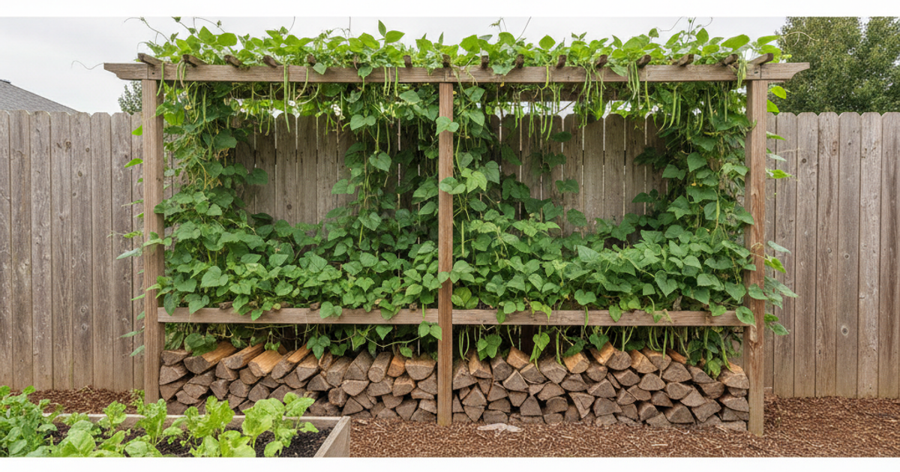
Suburban lots offer more options, but also more visibility from neighbors and passersby. The front yard is the worst place for a visible survival garden during a crisis — use it for ornamental edibles and concealment plantings only. Move calorie-dense crops like potatoes, beans, and squash to the rear of the property. Use privacy fencing, trellised climbing plants, and tall shrubs to break sightlines. A bamboo trellis privacy screen from Gardener's Supply Company (linked in the What You'll Need section above) creates an effective visual barrier while supporting climbing crops like pole beans or cucumbers.
Rural and Homestead Properties
Rural preppers face a different challenge: the scale of production that a homestead requires makes complete concealment unrealistic. The defensive strategy shifts toward perimeter security, natural screening with tree lines and hedgerows, and keeping the most productive areas away from road frontage. Siting gardens in low-lying areas or behind outbuildings where they can't be seen from access roads is a basic but effective technique. Deer barrier fencing serves double duty — it keeps wildlife out and makes your growing areas harder to see from a distance without making it obvious you're hiding something. Pair physical garden protection with the broader perimeter awareness strategies covered in our guide to Perimeter Alarms and Trip Wires: How to Detect Intruders Before They Reach Your Door.
Step-by-Step Instructions
Step 1: Audit Your Property for Visibility Vulnerabilities
Walk the perimeter of your property and identify every angle from which a garden could be observed — roads, neighboring properties, elevated positions, and common foot traffic routes. Take note of existing screening (fences, shrubs, outbuildings) and identify gaps where productive gardens would be directly visible. This audit forms the foundation of your defensive layout plan and should be repeated seasonally as plants grow and sightlines change.
Step 2: Redesign Your Layout Around Concealment Zones
Divide your growing space into three zones: a visible zone for ornamental edibles and camouflage plantings, a semi-visible zone for low-profile producers like herbs and root vegetables, and a concealed zone for high-calorie crops. Use existing structures, privacy fencing, trellises, and dense shrubs to establish boundaries between zones. The bamboo trellis privacy screen mentioned earlier works well as a semi-permeable boundary that supports climbing food plants while blocking sightlines.
Step 3: Replace Ornamental Plants with Edible Equivalents
Systematically replace decorative-only plants in visible areas with edible varieties that maintain the same visual appearance. Swap ornamental grasses for lemongrass. Replace non-fruiting shrubs with serviceberry or rugosa rose. Substitute ornamental kale for productive kale varieties. Plant edible flower beds along walkways using calendula, nasturtiums, and borage from the Botanical Interests edible flower collection to establish productive but inconspicuous borders.
Step 4: Install Physical Screening and Barriers
Erect physical barriers to block sightlines to your most productive growing areas. Use deer barrier netting both as animal deterrent and visual screen — at six to eight feet high with climbing plants trained across it, it becomes an opaque wall. Establish fast-growing hedgerows of useful plants like elderberry, hazelnut, or Jerusalem artichoke along property lines to create living screens that also produce food and forage.
Step 5: Start Seeds Indoors to Minimize Observable Transplanting Activity
Instead of purchasing seedlings from garden centers (which creates a visible paper trail and observable purchasing pattern), start all seeds indoors using peat pellet kits. This keeps your growing operation invisible until plants are large enough to integrate directly into established beds, reducing the window during which outdoor planting activity might be observed by neighbors or passersby.
Step 6: Secure Your Tools, Supplies, and Harvest
Visible gardening equipment left outside signals active food production as clearly as the garden itself. Store tools, harvesting baskets, fertilizer bags, and seed packets in a lockable outdoor storage unit. A Suncast lockable outdoor deck box keeps garden supplies secure and out of sight while protecting them from weather — a simple measure that dramatically reduces the visual indicators of active food production on your property.
Step 7: Harvest and Process Discreetly
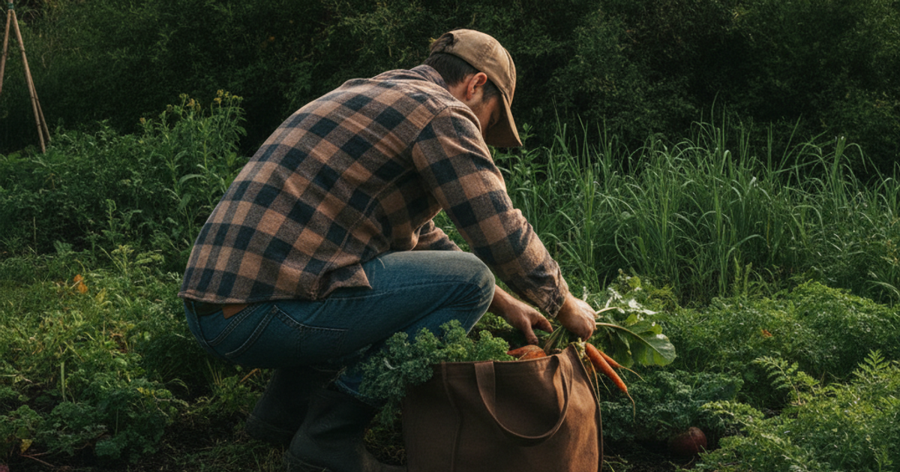
Establish a harvest routine that minimizes observable activity. Harvest in the early morning or evening when visibility is lower. Carry produce in non-transparent containers rather than open baskets. Move harvests directly into your home or storage area without lingering. During a crisis period, even well-intentioned neighbors who see you harvesting abundantly may share that information with others who are less well-intentioned.
Step 8: Maintain Your Grey Man Profile Around Food Production
Apply the grey man principle consistently: don't discuss your garden's productivity with neighbors, don't post harvest photos online, and don't accept requests for tours of your growing areas from people outside your trusted circle. If asked, understate your production capacity. Maintain the appearance of a casual hobbyist rather than a serious food producer. This extends to conversations about seed saving, canning, and food preservation — all of which signal preparedness and resources to observant listeners.
Frequently Asked Questions
How do I grow food secretly in a neighborhood with an HOA or limited yard space?
HOA restrictions and limited space are real constraints, but defensive gardening actually aligns well with both. Focus on edible landscaping — ornamental edibles that comply with aesthetics rules while producing real food. Edible flower borders, fruit-bearing ornamental shrubs, and herb ground covers like creeping thyme are difficult for HOAs to object to and nearly impossible for outsiders to identify as a survival food supply. Container gardens on patios and balconies, indoor growing systems, and window boxes further expand your options without requiring any visible "garden" at all.
What are the most calorie-dense crops I can grow that also conceal well?
For caloric density in a concealment-friendly package, prioritize Jerusalem artichokes (which look like tall flowering perennials), sweet potatoes (the vines are attractive ground cover), dry beans trained on trellises (indistinguishable from ornamental climbing plants), and potatoes grown in containers or under mulch (completely invisible above ground). Squash tucked behind screening plants produces enormous caloric yield per square foot. Fruit trees espalired against fences or walls are long-term calorie producers that integrate seamlessly into conventional landscaping.
How do I protect my survival garden from theft without making it obvious I'm hiding something?
The best protection is invisibility — if people don't know the garden exists, there's nothing to steal. Beyond concealment, passive deterrents like thorny barrier plants (rugosa roses, hawthorn, barberry) along perimeters are effective without looking defensive. Motion-activated lighting can be framed as standard home security. Physical fencing marketed as deer protection rather than human deterrence doesn't raise flags. For a comprehensive approach to property security that extends well beyond the garden, our guide to Perimeter Security: Protecting Your Retreat Property covers layered defensive strategies in detail.
Affiliate Disclosure: SHTFPlan.net participates in the Amazon Services LLC Associates Program. Some links are affiliate links — we may earn a small commission at no extra cost to you.