Gray Man Vehicle: How to Make Your Bug-Out Vehicle Blend In When SHTF
A tactical truck covered in gear stickers makes you a target. Learn how to make your bug-out vehicle invisible when society breaks down.
When the grid goes down and social order starts to fracture, the way you move matters just as much as where you're going. Most preppers spend considerable time building the perfect bug out bag, stocking emergency food storage, and planning evacuation routes — but they overlook one of the most critical assets in any SHTF scenario: the vehicle they're riding out in. A lifted truck bristling with off-road lights, covered in tactical stickers, and loaded with visible gear might feel like the ultimate prepper rig. In reality, it's a rolling billboard that announces to every desperate person on the road exactly what you have and where you're going.
The grey man concept — the art of moving through chaos without attracting attention — applies as powerfully to vehicles as it does to personal appearance and behavior. A study by the Federal Emergency Management Agency found that the vast majority of people who die in disaster evacuations don't die from the disaster itself, but from the chaos of the evacuation. Traffic bottlenecks, road rage incidents, and opportunistic crime all spike during mass exodus events. Your best defense isn't firepower or speed. It's invisibility.
This guide covers how to choose, modify, and operate a low-profile bug-out vehicle that lets you move through a deteriorating situation without becoming a target — whether you live in a dense urban apartment, a suburban neighborhood, or a rural property miles from the nearest town.
Choosing the Right Gray Man Bug-Out Vehicle From the Start
The foundation of a gray man vehicle is selection. Before you spend a dollar on modifications, you need a platform that already leans toward invisibility.
The ideal gray man vehicle shares three characteristics:
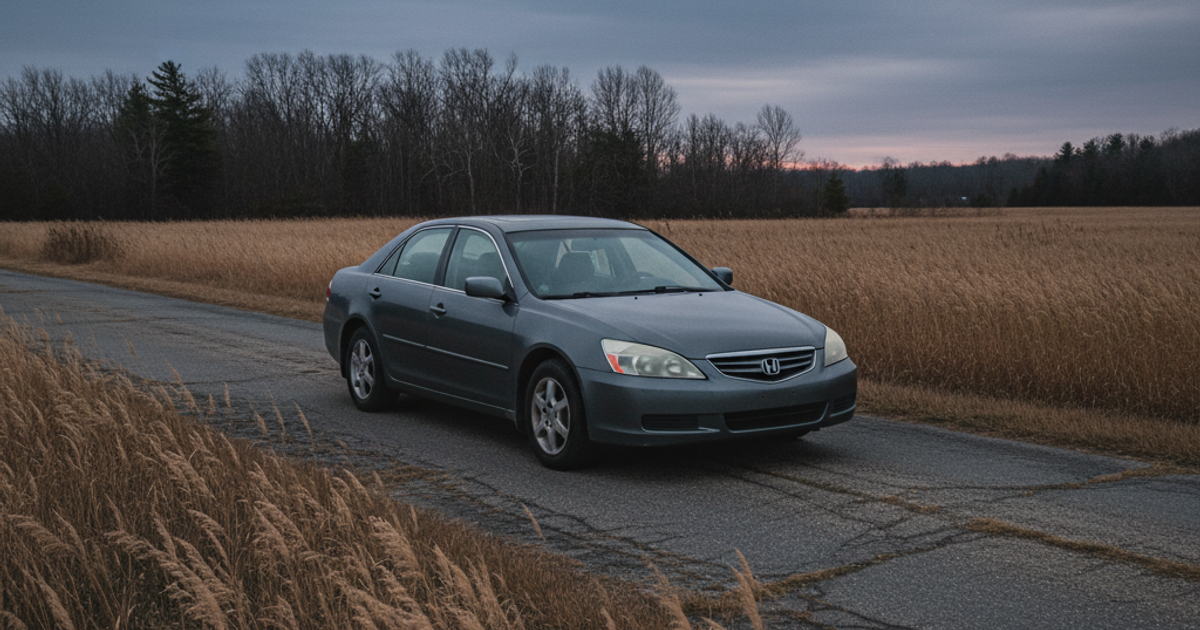
- Common appearance: It looks like something hundreds of thousands of other people drive. A 10-year-old Honda CR-V, a Ford F-150 in a neutral color, or a mid-size Chevy sedan won't draw a second glance. A military-surplus HMMWV will.
- Mechanical reliability: It runs without drama and can be repaired with common parts. According to Consumer Reports, vehicles with the best long-term reliability ratings include Toyota, Honda, and Subaru models — all of which also happen to blend in visually.
- Neutral color: Silver, gray, white, dark blue, and tan are the statistically most common vehicle colors in North America. Avoid anything bright, unusual, or that screams military or tactical.
For urban survival and suburban preppers, a common sedan or crossover SUV is often the smarter choice over a large 4x4 truck. It's easier to maneuver through gridlocked city streets, less conspicuous in a neighborhood, and gets better fuel mileage — a critical consideration when gas stations are dry. For rural preppers who genuinely need off-road capability, a stock-looking 4x4 in a neutral color with no aftermarket lift or aggressive body modifications is the right compromise.
Before any evacuation scenario becomes real, it's worth having a dedicated vehicle emergency kit already staged and ready to load.
How to Modify Your Vehicle for Low-Profile SHTF Evacuation
Once you have the right platform, thoughtful modifications can dramatically reduce your visual signature without sacrificing capability.
Exterior Appearance: Remove What Broadcasts Your Intentions
The first step is subtraction. Remove or cover anything that signals preparedness, politics, or tactical interest. This means:
- Removing gun-rights stickers, tactical brand decals, and "Punisher" logos
- Taking off roof-mounted lights, antenna arrays, and external equipment mounts that aren't in use
- Replacing aggressive aftermarket grilles with stock-looking components
- Avoiding visible external storage that looks loaded for a bug-out
If your vehicle has shiny chrome trim, aftermarket wheels, or other high-visibility accents, consider toning them down. Plasti-Dip matte black spray is a prepper's best friend here — it's a removable rubberized coating you can apply to chrome trim, emblems, and exterior accents to kill reflective shine without permanent modification. It peels off cleanly when normalcy returns.
Interior: Conceal Your Gear and Your Intentions
A vehicle loaded with visible survival gear is an invitation. Boxes of MREs on the back seat, a bug out bag visible through the window, and tactical gear hanging from the headrest all communicate exactly what kind of vehicle this is and what's worth stealing.
Invest in cargo covers for SUVs and trucks. Use opaque window tint where legal. Store your survival kit in plain duffel bags or contractor garbage bags rather than tactical MOLLE packs. If you must use a rooftop cargo carrier for overflow gear, a Thule rooftop cargo carrier with a low profile design keeps your load aerodynamic and far less conspicuous than an open truck-bed rack loaded with crates.
Interior seat covers can also change the read of a vehicle's occupants. Mossy Oak camouflage seat covers might seem counterintuitive for gray man tactics, but in rural and semi-rural regions they're ubiquitous on working trucks — meaning they blend in perfectly with the local vehicle population. Context matters. Choose seat covers that match the dominant culture of the terrain you'll be moving through.
Navigation and Electronics: Stay Informed Without Being Tracked
During a major SHTF event, cell networks will likely be overwhelmed or offline. Your smartphone GPS will fail. Preppers who rely entirely on Google Maps will be navigating blind in the first hours of a serious crisis.
A dedicated offline navigation device is a critical piece of survival gear for any bug-out vehicle. The Garmin dezl truck GPS navigator stores full offline maps, calculates routes based on vehicle size, and continues functioning independently of cellular infrastructure. Pre-load your primary, secondary, and tertiary evacuation routes before any crisis develops. Pair it with printed paper maps as a backup — the combination of digital and analog navigation is essential situational awareness for anyone executing a planned bug-out.
For deeper reading on moving undetected on foot or through urban terrain, our guide on escape and evasion tactics when SHTF covers critical concepts that apply equally to vehicle movement.
Also consider disabling or covering interior dome lights and other lights that activate when doors open. In a dark environment, even briefly illuminating your vehicle's interior can attract unwanted attention.
How to Drive Like a Gray Man: Behavior Behind the Wheel
Your vehicle can be perfectly camouflaged and still draw every wrong kind of attention if you drive like someone who's panicking. Behavioral discipline behind the wheel is where most gray man vehicle tactics either succeed or fail.
- Avoid the appearance of urgency. Drive at or just below the flow of traffic. Aggressive lane changes, speeding, and tailgating are exactly the behaviors that draw attention from both law enforcement and desperate civilians.
- Use secondary and tertiary routes. If you've done your emergency preparedness planning correctly, you already have alternate routes mapped. The highway is where everyone panics. Residential grid roads and county routes are where gray men move.
- Don't stop where you don't have to. Every stop is an exposure. Plan fuel stops, rest stops, and checkpoints in advance. Pre-position fuel caches if your route allows. Check our full guide on fuel storage for preppers to understand how to plan ahead for exactly this scenario.
- Travel at non-peak times where possible. Dawn and dusk transitions, midday lulls, and other lower-traffic windows reduce exposure to roadblocks, crowds, and opportunistic crime.
- Maintain good operational security (OPSEC). Don't discuss your destination, route, or supplies with people you encounter. Understanding broader OPSEC principles for preppers is just as relevant on the road as it is at home.
Protecting Your Vehicle When Stationary
The gray man vehicle concept doesn't end when you stop. A parked vehicle loaded with survival supplies is a target, especially during extended scenarios where food and fuel scarcity create desperation.
When parking for any extended period — at a rest point, a staging area, or overnight — cover your vehicle completely. A Covercraft weatherproof car cover does double duty: it protects your vehicle from the elements and conceals its make, model, and any distinguishing features from casual observation. A covered vehicle in a parking area draws far less attention than a visibly loaded truck sitting in the open. It also prevents opportunists from doing a visual inventory of what you're carrying.
If you must leave your vehicle unattended, park it in a way that allows for rapid departure — nose out, clear of obstacles, with a clear line of sight to entry points. These are the same principles covered in our article on sleep security and staying safe when SHTF — awareness doesn't stop when the engine does.
Urban vs. Rural Considerations for the Gray Man Vehicle
What constitutes "blending in" is entirely context-dependent. In dense urban environments, a midsize sedan is invisible. In a rural county where everyone drives a pickup, that same sedan might stand out. True gray man vehicle tactics require you to match your platform and presentation to the specific environment you're moving through.
Urban and suburban preppers should prioritize maneuverability, fuel efficiency, and a vehicle type common to their region. Keep the vehicle clean and maintained — a beat-up, visibly neglected car can draw attention just as much as an over-built tactical rig.
Rural preppers have more latitude for capability (4x4, higher ground clearance) but should still avoid visual modifications that broadcast tactical intent. Stock-looking trucks in working-ranch colors are the rural equivalent of gray man vehicle selection.
If you live in an apartment or don't have a dedicated bug-out vehicle, read our guide on bugging out on foot with a 72-hour evacuation plan — knowing how to move without a vehicle is a critical backup for any prepper.
What You'll Need
- Neutral-colored vehicle (silver, gray, white, tan, or dark blue)
- Magnetic signs or decals (removable)
- Basic cleaning supplies and car wash equipment
- Window tint removal kit (if necessary)
- Standard license plate frames
- Interior storage containers or cargo covers
- Touch-up paint for scratches and dents
Step-by-Step Instructions
Step 1: Choose a Common Vehicle Model in a Neutral Color
Select a mid-sized sedan or crossover SUV that's commonly seen in your region, such as a Honda CR-V, Toyota Camry, or Ford Escape. Avoid lifted trucks, sports cars, or anything with distinctive body styles that draw attention. Stick with neutral colors like silver, gray, white, or beige that naturally blend into traffic and don't stand out in parking lots or on the road.
Step 2: Remove All Identifying Marks and Decorations
Strip off bumper stickers, political decals, family stick figures, university logos, and any other personalized decorations that make your vehicle memorable. Remove custom license plate frames, especially those advertising dealerships, organizations, or personal interests. Take down hanging air fresheners, dashboard ornaments, and anything visible through the windows that reveals information about you or your lifestyle. The goal is to make your vehicle completely forgettable and anonymous.
Step 3: Maintain a Clean but Not Pristine Appearance
Keep your vehicle reasonably clean but avoid making it look too perfect or freshly detailed, which can draw attention. A slightly dusty exterior that matches the ambient road conditions helps you blend in with other commuter vehicles. Address major dents or rust spots that might make your vehicle memorable, but don't aim for showroom condition.
Step 4: Standardize Your Windows and Lighting
Ensure all windows have factory-level tinting or remove excessive dark tint that might attract law enforcement attention or make you stand out. Verify that all headlights, taillights, and turn signals are working properly with standard bulbs—avoid bright LED conversions or colored lights. Replace any cracked or damaged lights immediately to avoid being pulled over or remembered by observers.
Step 5: Conceal Emergency Gear and Supplies
Store all bug-out bags, survival equipment, and emergency supplies in covered compartments, under cargo covers, or in enclosed bins that prevent anyone from seeing inside your vehicle. Avoid displaying tactical gear, firearms cases, or prepper-related items that signal you're carrying valuable supplies. Use nondescript bags and containers that look like ordinary luggage or shopping items if they're briefly visible.
Step 6: Install Removable Commercial Identifiers
Purchase magnetic signs or removable vinyl decals that mimic common commercial vehicles like plumbing services, delivery companies, or property maintenance businesses. Keep several different designs available so you can quickly transform your vehicle's appearance to match different scenarios. These signs provide a plausible reason for driving in various neighborhoods or carrying cargo without attracting suspicion.
Step 7: Practice Blend-In Driving Behavior
Drive at normal traffic speeds, use turn signals consistently, and follow all traffic laws to avoid attracting attention from law enforcement or other drivers. Park in regular spaces rather than backing into spots or choosing isolated areas that suggest you're trying to hide or make a quick escape. Maintain calm, predictable behavior that makes you just another unremarkable vehicle on the road, as your driving habits are just as important as your vehicle's appearance.
Frequently Asked Questions
What is the best color for a gray man bug-out vehicle?
The best color for a gray man bug-out vehicle is whatever is statistically most common in your specific region. Across North America, silver, white, gray, and dark blue are the most prevalent vehicle colors and will attract the least attention. Avoid anything unusual, bright, or militaristic. In heavily agricultural rural areas, tan, brown, and faded white working trucks are equally invisible. The goal is to match the dominant visual noise of your environment.
Should I remove my license plates or cover identifying information on my bug-out vehicle?
No. Removing or obscuring license plates is illegal and will immediately flag your vehicle for law enforcement attention — the opposite of gray man intent. If martial law or road checkpoints are a concern, visible, legitimate registration actually helps you move through them more smoothly. Your goal is to look like an ordinary civilian evacuating normally, not to look like someone with something to hide. The gray man strategy is about blending into the crowd, not evading legal authority through evasion tactics that draw scrutiny.
How much survival gear should I keep in my bug-out vehicle at all times?
For everyday emergency preparedness, a well-stocked vehicle emergency kit should include 72 hours of water and food at minimum, a basic trauma first aid kit, fire starting capability, a change of clothing, emergency cash, and a loaded bug out bag for each person in your group. The key gray man consideration is concealment — all of this should be stored out of sight in a covered cargo area, trunk, or under seats. Visible gear turns your vehicle into a target. For a complete list of what to include, see our complete 72-hour bug out bag checklist.
Affiliate Disclosure: SHTF Plan participates in the Amazon Services LLC Associates Program. Some links are affiliate links — we may earn a small commission at no extra cost to you.