Blackout Driving: How to Navigate and Survive on the Roads When Traffic Systems Fail
When power grids collapse, traffic lights go dark and roads turn deadly. Here's how to drive, navigate, and stay safe when the infrastructure fails.
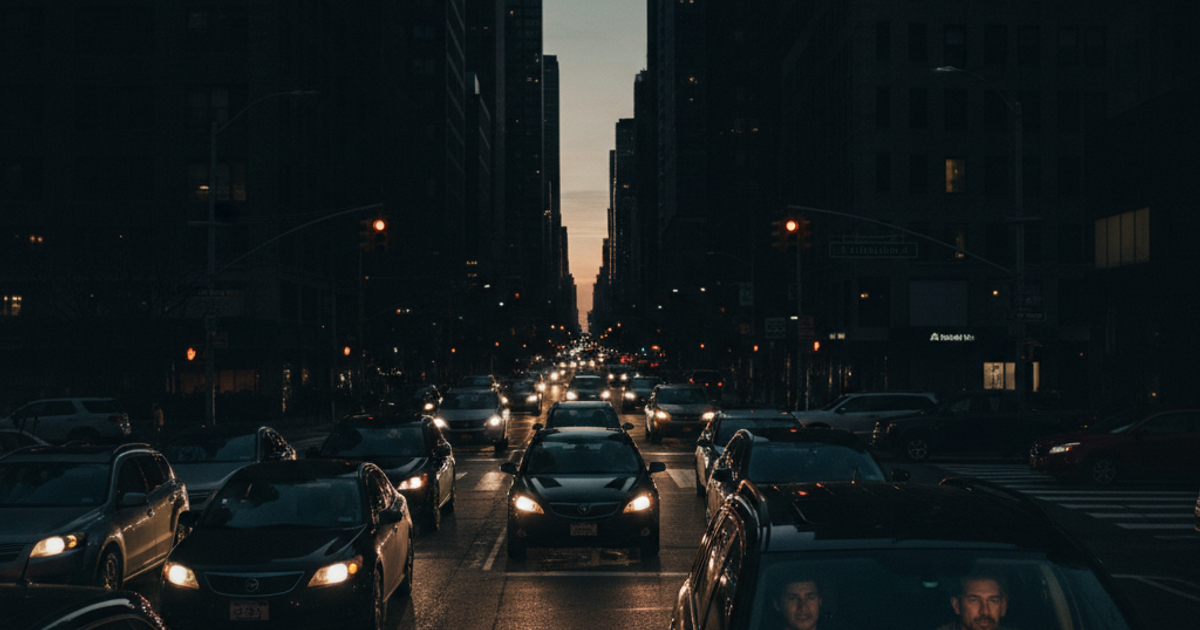
When the power grid goes down, modern infrastructure doesn't just inconvenience you — it actively becomes dangerous. Traffic signals go dark, gas pumps stop working, GPS satellites may be overwhelmed or unavailable, and panicked drivers flood evacuation routes. According to the U.S. Department of Transportation, over 40% of traffic fatalities occur at or near intersections — and that number spikes dramatically when signal systems fail. In a serious grid-down or SHTF scenario, knowing how to navigate and survive on the roads could be the difference between reaching safety and becoming a statistic. Whether you're bugging out from a city apartment, evacuating a suburb, or navigating rural back roads after a regional collapse, blackout driving demands a completely different skill set than your daily commute.
What You'll Need
Tools
- NOCO Boost Plus GB40 portable car jump starter
- Streamlight ProTac flashlight
- Wagan Elite 400W power inverter
Supplies
- Rand McNally road atlas (North America)
- Slime tire repair kit and sealant
- AAA Emergency Road Kit with jumper cables
Why Grid-Down Driving Is a Unique Threat to Urban Survival
Most preppers focus their emergency preparedness planning on shelter, food, and water — and rightfully so. But transportation is the critical link that connects all of those elements. If you can't move safely, your bug out bag doesn't matter much. A power grid failure creates a cascade of road hazards that most drivers have never encountered and have no training to handle.
Traffic lights failing simultaneously across a metro area creates what traffic engineers call "all-way stop conditions" — except that most drivers don't know the legal rules, panic, or simply blow through intersections at speed. Fuel stations lose their electric pumps. Gas station backup generators, if they exist at all, are typically exhausted within hours as panic-buying begins. Underground parking structures lose lighting and gate controls. Tunnel ventilation systems fail. Hospital emergency generators may support medical equipment but not facility lighting or security systems visible from the road. In short, the entire infrastructure ecosystem that makes modern driving safe collapses simultaneously.
For urban drivers especially, this creates grid-locked evacuation routes within the first hour of a serious event. FEMA data from Hurricane Katrina showed that contraflow evacuation lanes opened too late and that fuel shortages stranded thousands of vehicles on major highways. Understanding this dynamic is the first step toward building a realistic evacuation strategy.
Navigation Without GPS: How to Plan Your Routes Before the Grid Fails
Your smartphone's GPS may still function during a power outage because GPS itself is satellite-based — but cell towers that provide mapping data will fail without power, and heavily trafficked mapping apps require data connections to show real-time routes. Don't count on Google Maps when SHTF. Instead, build your navigation capability now, before you need it.
A quality Rand McNally road atlas covering North America should be a permanent fixture in every vehicle. Paper maps don't need batteries, don't lose signal, and can't be hacked or corrupted. Beyond the atlas, purchase detailed county-level maps for your region and study them. Know your primary, secondary, and tertiary evacuation routes. Identify which roads pass under overpasses that might collapse in seismic events, which bridges might be controlled or blocked, and which rural routes can serve as backroads when main arteries are jammed.
Practice navigating without GPS before an emergency forces you to do it under pressure. Learn landmarks, compass bearings, and mileage between key points. Know the general direction of your bug-out location from your home and workplace — north, south, east, west — so that even without a detailed map in hand, you can make rational directional decisions.
For longer evacuations where communication is critical, the Garmin inReach Mini 2 satellite communicator operates entirely independent of cell towers, allowing you to send GPS coordinates and two-way text messages via satellite. This device is invaluable for coordinating with family members during a chaotic evacuation when cell networks fail — a scenario covered in detail in our guide on building a family emergency communication plan.
How to Drive Safely Through Dark Intersections and Failed Traffic Systems
The legal rule at a non-functioning traffic signal is to treat it as a four-way stop. The problem is that in a crisis, most drivers either don't know this or choose to ignore it. This creates an extremely dangerous situation where vehicles traveling at highway speeds may attempt to run what they perceive as a non-issue.
Your defensive strategy is simple: treat every dark intersection as if cross-traffic will not stop. Slow to a crawl regardless of right-of-way, look both ways multiple times, and proceed only when you're certain all lanes are clear. At night, your headlights are your most important tool. A quality Streamlight ProTac flashlight rated for automotive use should be within arm's reach in your vehicle at all times — use it to scan dark intersections, check hazards ahead, and signal your presence to other drivers if your electrical system is compromised.
At night in a blacked-out urban area, the road environment changes dramatically. Street lighting is gone. Pedestrians — possibly frightened, possibly looting — may be crossing roads unpredictably. Reduce speed significantly. In a true SHTF blackout scenario, consider whether driving at night draws unnecessary attention. Maintaining a gray man vehicle profile means not being the only vehicle on the road with lights blazing if civil unrest is occurring alongside the outage.
Fuel Management and Vehicle Readiness for Extended Grid-Down Driving
One of the most overlooked aspects of emergency preparedness is fuel discipline. The prepper standard is the "half-tank rule": never let your fuel drop below half a tank. In a crisis, gas stations will be inoperable within hours. If you start an evacuation with a quarter tank, you may not make it out of the metro area.
Keep a dedicated fuel storage container (legally filled with stabilized gasoline) as part of your vehicle emergency kit. See our detailed guide on fuel storage for preppers for safe storage methods and stabilizer recommendations. Know where your nearest fuel depots, farm supply stores, and marinas are located — these sometimes have hand-pump or gravity-fed fuel systems that function without electricity.
A dead battery during an evacuation is a potentially fatal problem. The NOCO Boost Plus GB40 portable car jump starter is a compact lithium jump starter that can restart most gas engines and diesel engines without a second vehicle — critical when there's no one around to give you a jump and waiting for help isn't an option. Keep it charged and in your vehicle year-round.
For traditional cable-based jumps, a heavy-duty AAA Emergency Road Kit with jumper cables gives you a backup option and includes other roadside essentials. Redundancy matters in survival gear — if one system fails, you want another.
Road Hazard Management: What to Expect and How to Handle It
In a grid-down scenario or infrastructure collapse, roads themselves become hazardous terrain. Expect the following and plan accordingly:
- Abandoned vehicles: Panicked drivers who run out of fuel or break down may leave vehicles blocking lanes, shoulders, and even major intersections. Treat every road as potentially obstructed and reduce speed accordingly.
- Debris and road damage: Storms, civil unrest, and infrastructure failures can leave downed power lines, fallen trees, broken glass, and structural debris across roadways. Never drive over a downed power line — assume it is live.
- Tire punctures: Debris-covered roads dramatically increase flat tire risk. A Slime tire repair kit and sealant can temporarily seal a puncture and get you moving again without a full tire change — critical when you need to keep moving through a dangerous area.
- Crowd situations: In urban areas, desperate people may attempt to stop vehicles to demand supplies, fuel, or transport. Plan your routes to avoid known population centers during the initial chaos period when possible.
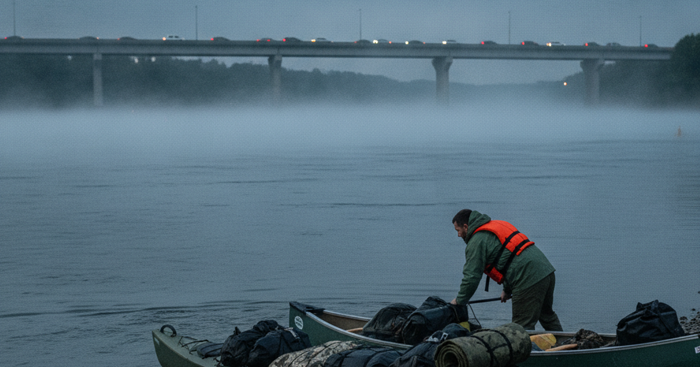
- Bridge and overpass integrity: After seismic events or flooding, bridges may be compromised even if they appear intact. Know your alternate river crossings on paper maps before you need them.
Keeping your devices powered during extended driving is essential for communication and situational awareness. The Anker PowerCore portable car power bank lets you charge phones, radios, and other electronics from your vehicle's 12V system, while the Wagan Elite 400W power inverter converts your car's DC power to AC, allowing you to run laptops, CPAP machines, or other essential equipment while on the road or sheltering in your vehicle.
Step-by-Step Instructions
Step 1: Build Your Vehicle Emergency Kit Before Any Crisis Occurs
Assemble a dedicated vehicle emergency kit that lives in your car year-round. At minimum, include a paper road atlas, portable jump starter, tire repair kit, flashlight, first aid supplies, water, and at least one day of emergency food. Pre-position these items now — not after the emergency has already begun.
Step 2: Map Your Primary and Alternate Evacuation Routes from Every Key Location
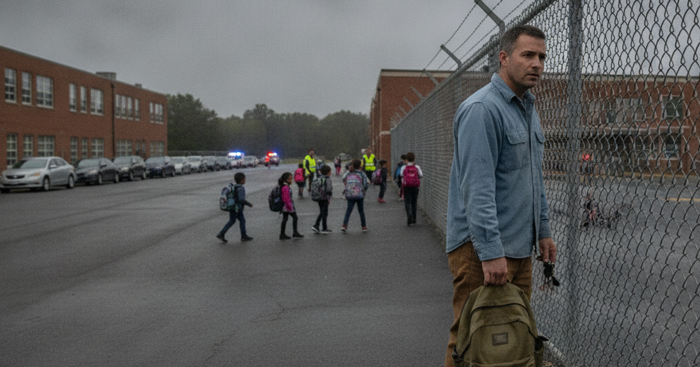
Identify at least three routes from your home, workplace, and children's school to your bug-out location or rally point. Mark these on paper maps with distance, fuel requirements, and notable hazards. Drive each route physically at least once so you know them by feel, not just by looking at a map.
Step 3: Establish a Fuel Discipline Protocol and Maintain It Daily
Commit to the half-tank rule starting today. Every time your fuel gauge drops to half, refuel. Keep a properly stabilized fuel can in a safe location as additional reserve. Know the locations of every gas station within 20 miles of your home and identify which ones have backup generators.
Step 4: Scan and Assess Road Conditions Before Committing to Any Route
Before entering an unknown road segment during a blackout, stop and visually assess it from a safe distance. Look for downed power lines, abandoned vehicles, crowd activity, water flooding, and surface debris. Use your flashlight to scan after dark. Never commit to a route in a compromised vehicle without a clear exit option.
Step 5: Apply Four-Way Stop Protocol at Every Dark Intersection
Treat every non-functioning traffic signal as a four-way stop — come to a complete stop, yield to vehicles that arrived first, and proceed only when it is clearly safe. Expect that other drivers will not follow this rule. Slow to near-walking speed at all dark intersections and assume cross-traffic will not stop regardless of whose turn it is.
Step 6: Communicate Your Route and Status Using Satellite or Radio
Before departing, tell your family emergency contact your planned route, destination, and estimated arrival time. During travel, check in at pre-agreed waypoints using a satellite communicator or two-way radio. If you deviate from your planned route due to road conditions, communicate the change immediately. Review our guidance on emergency family communication planning to set up your system in advance.
Step 7: Manage Your Situational Awareness Continuously While Driving
In a crisis driving environment, your eyes should be scanning further ahead than normal — look two to three blocks ahead in urban areas and as far as possible on open roads. Watch for unusual crowd behavior, smoke, blocked lanes, and the body language of people near the roadway. Keep windows up, doors locked, and have a clear plan for what you'll do if you need to exit the vehicle quickly. Practicing strong situational awareness is a perishable skill — develop it before you need it.
Step 8: Know When to Stop Driving and Shelter in Place
Sometimes the most dangerous thing you can do during a SHTF scenario is keep driving. If roads are completely impassable, if civil unrest blocks your route, or if fuel is critically low with no resupply in sight, stopping and sheltering in your vehicle or a secure structure may be safer than pressing forward. Review our guide on vehicle sheltering and surviving in your car to understand how to make that work effectively.
Frequently Asked Questions
What is the legal rule when traffic lights stop working during a power outage?
In all 50 U.S. states, a non-functioning traffic signal must be treated as a four-way stop. Every vehicle at the intersection must come to a complete stop and yield to vehicles that arrived first, or yield to the vehicle on the right if arrival times are equal. The problem during a real blackout is enforcement — there is none. Always assume other drivers will not follow this rule and drive defensively at every dark intersection.
How much fuel should I keep in my car for emergency preparedness?
The standard prepper recommendation is the "half-tank rule" — never let your fuel drop below 50%. In a serious grid-down scenario, gas stations may be inoperable within 2-4 hours as electric pumps fail and panic-buying begins. Beyond your vehicle's tank, consider keeping an additional 5-10 gallons of properly stabilized fuel stored safely at home. Fuel stabilizer like Sta-Bil extends shelf life to 12-24 months when added correctly.
Should I bug out by vehicle or on foot during a major grid-down emergency?
This depends heavily on your location, the nature of the emergency, and road conditions. A vehicle dramatically extends your range, carrying capacity, and speed — but it also makes you visible, requires fuel, and can be stopped by road blockages. If roads are impassable or moving through them would expose you to serious danger, bugging out on foot may be more effective. Review our guide on bugging out on foot with a 72-hour walking evacuation plan to build both options into your emergency preparedness strategy. The best preppers plan for both.
Affiliate Disclosure: SHTFPlan.net participates in the Amazon Services LLC Associates Program. Some links are affiliate links — we may earn a small commission at no extra cost to you.